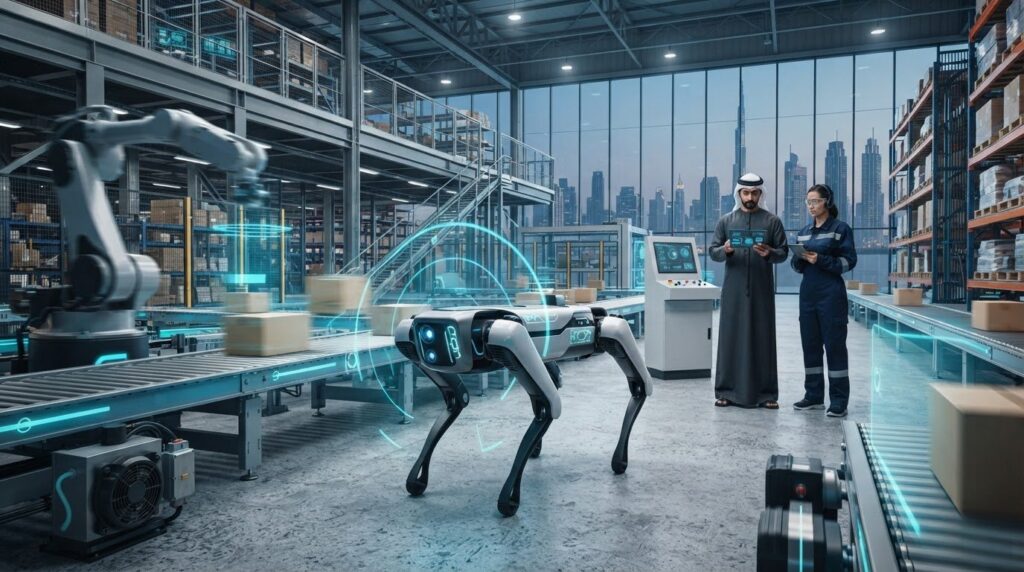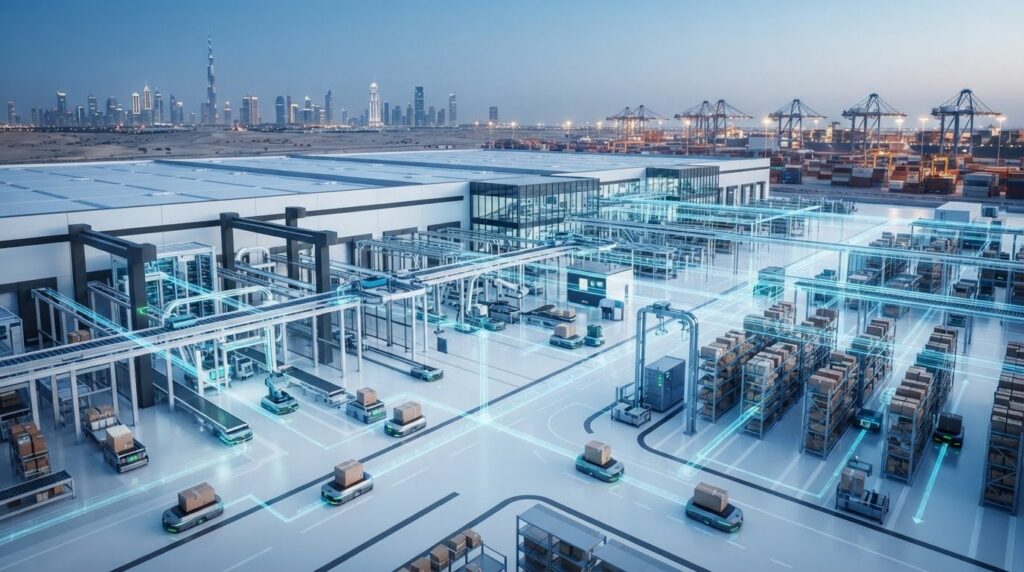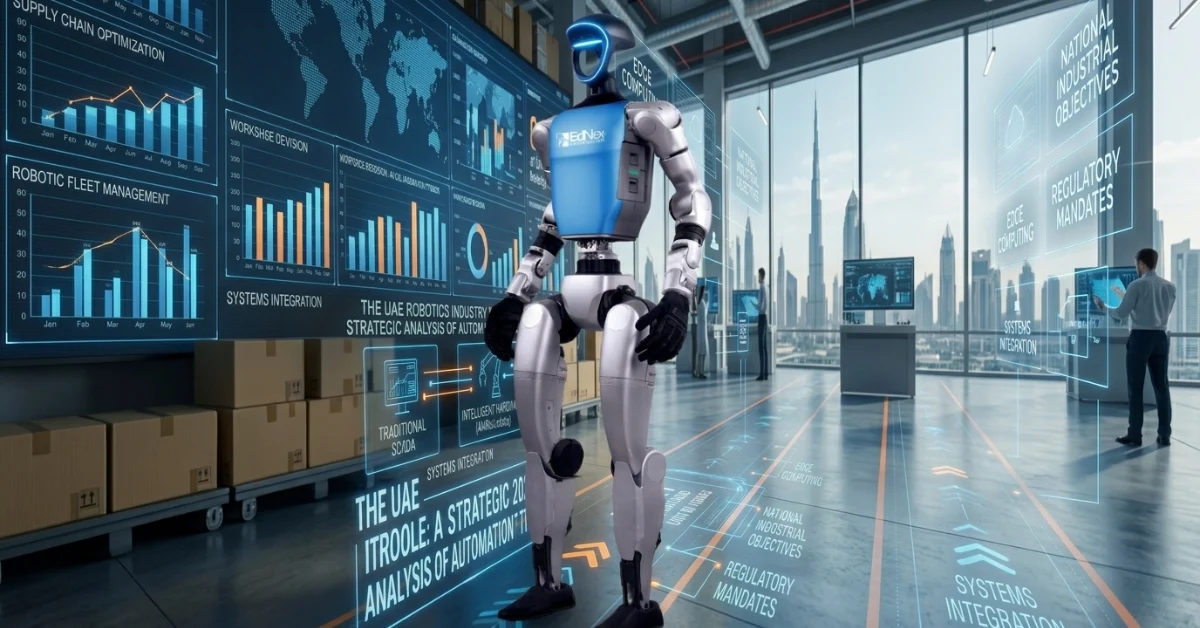
Did you know that 80% of UAE CEOs are currently redesigning workforce roles to accommodate AI-driven collaboration? This shift marks a pivotal moment for the UAE robotics industry, where the transition from isolated pilot programs to a unified operational fabric is now a baseline requirement for market relevance. As manual labor costs escalate and legacy PLC systems create bottlenecks in data flow, industrial leaders face the complex task of modernizing without disrupting core operations. It’s a high-stakes environment where the intellectual framework behind implementation is just as critical as the machinery itself.
You’re likely aware that achieving a measurable ROI on high-cap autonomous systems requires a seamless bridge between traditional SCADA frameworks and intelligent hardware. This article delivers an authoritative analysis of the technological shifts and relevant national regulatory mandates that define the landscape this year. We’ll examine integration strategies for collaborative robots and AMRs while providing a clear roadmap to align your facility with the UAE’s national industrial objectives. From critical biosecurity protocols to sophisticated surveillance deployments, we’ll outline how to transform your infrastructure into a controlled, high-efficiency ecosystem.
Key Takeaways
- Analyze how national initiatives like Operation 300bn are driving the UAE robotics industry toward a unified ecosystem of optimized, intelligent hardware.
- Identify the strategic enterprise applications for humanoid robots and AMRs that are currently redefining decentralized logistics and industrial assistance.
- Establish a technical framework for bridging legacy PLC infrastructure with modern autonomous systems through deep SCADA integration.
- Evaluate sector-specific transformations, from high-precision robotic inspections in Oil & Gas to autonomous cleaning solutions for commercial facilities.
- Develop a roadmap for future-proofing your operations by selecting an integrator that provides both specialized hardware and the intellectual framework for implementation.
The State of the UAE Robotics Industry in 2026
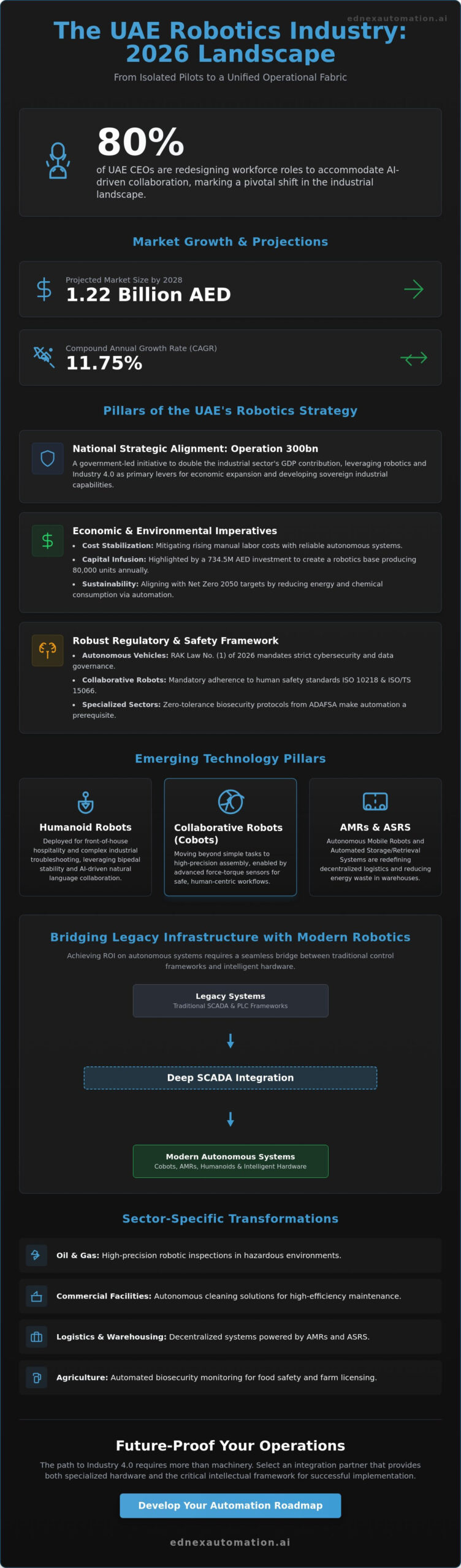
Defining the UAE robotics industry in 2026 requires looking beyond mere equipment acquisition. It’s now a sophisticated, multi-sector ecosystem where autonomous hardware and industrial control software form a single, intelligent operational fabric. Driven by national strategies like Operation 300bn, the landscape has transitioned from experimental technology adoption to rigorous system optimization. This evolution is reflected in the market’s projected growth, which is expected to reach approximately 1.22 billion AED by 2028, maintaining a steady compound annual growth rate of 11.75%. Industrial leaders are no longer asking if they should automate; they’re determining how to integrate these systems into a sovereign industrial framework that prioritizes data security and operational resilience.
Establishing a clear regulatory foundation has been a cornerstone of this year’s progress. On January 19, 2026, Ras Al Khaimah issued Law No. (1) of 2026, empowering the RAK Transport Authority to regulate autonomous vehicles with strict cybersecurity and data governance protocols. Simultaneously, the nation has solidified its commitment to human safety by mandating adherence to ISO 10218 and ISO/TS 15066 standards for all collaborative robot deployments. In specialized sectors, the Abu Dhabi Agriculture and Food Safety Authority (ADAFSA) has implemented zero-tolerance biosecurity protocols, making automated monitoring a prerequisite for poultry farm licensing. These regulations ensure that the UAE robotics industry operates within a controlled, safe, and highly efficient environment.
National Strategic Alignment and Industry 4.0
Targeting a doubling of the industrial sector’s GDP contribution, the UAE government utilizes robotics as a primary lever for economic expansion. This strategic push is supported by the Technology Innovation Institute (TII), which provides the advanced research necessary to develop indigenous robotic software and hardware capabilities. The National Program for Coders has further accelerated this by cultivating a local talent pool capable of designing the complex algorithms that power “lights-out” manufacturing facilities. These fully autonomous sites represent the pinnacle of Industry 4.0, where human intervention is minimized and production efficiency is maximized through continuous, data-driven optimization.
Economic Drivers of Automation in 2026
Addressing regional labor market shifts has become a financial necessity for UAE enterprises. As manual processes face rising costs, autonomous service robots and AMRs offer a reliable alternative that stabilizes operational expenditures. The industry has also seen massive capital infusions, such as the 734.5 million AED investment by Lianhe Sowell International Group to establish a specialized robotics base capable of producing up to 80,000 units annually. Beyond profit, robotics plays a vital role in achieving Net Zero 2050 targets. By integrating automated storage and retrieval systems (ASRS) and precision cleaning robots, organizations reduce energy waste and chemical consumption, aligning their commercial success with national sustainability goals.
Emerging Technology Pillars: Beyond Traditional Automation
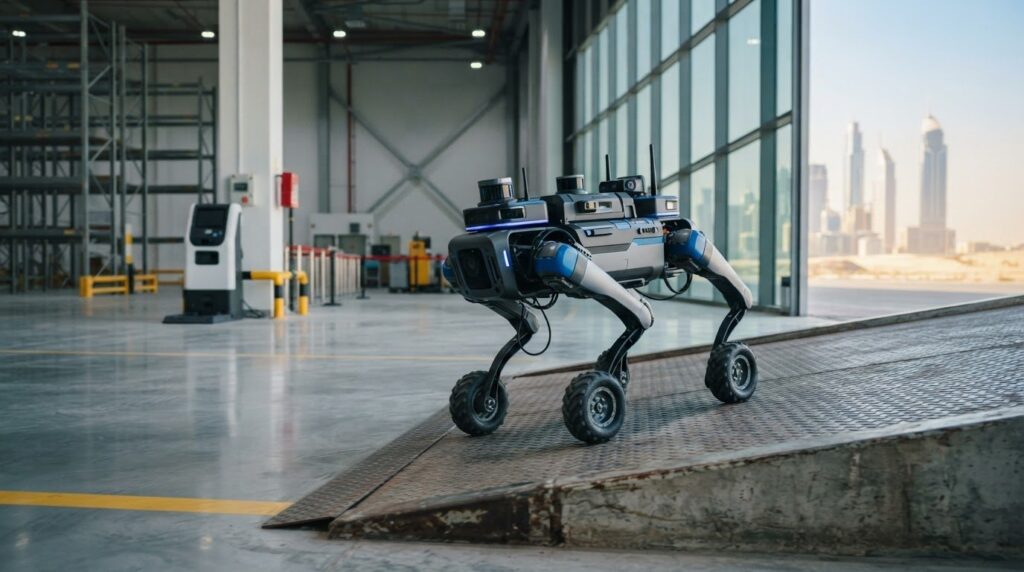
Beyond the rigid cages of traditional industrial arms, the UAE robotics industry in 2026 is defined by fluid, autonomous systems that operate alongside human personnel. This shift is most visible in the rapid maturation of the humanoid robots for sale UAE market, where machines are now deployed for front-of-house hospitality and complex industrial troubleshooting. These 2026 models leverage sophisticated bipedal stability and AI-driven interaction, allowing them to navigate uneven surfaces while engaging in natural language collaboration with staff. By integrating these human-centric designs, organizations mitigate the risks associated with high-turnover manual roles while maintaining a high level of service quality.
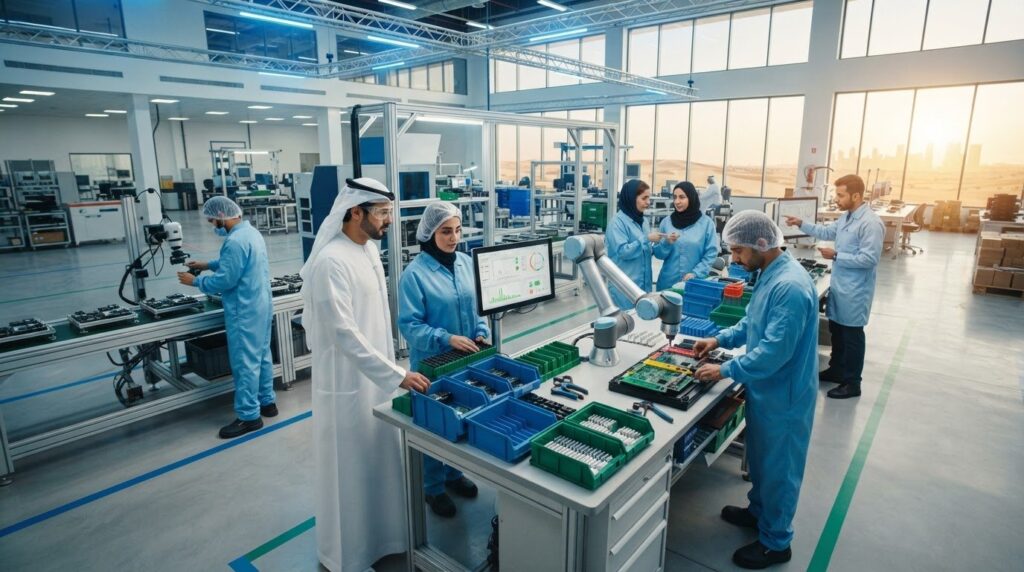
Precision and adaptability are the new benchmarks for success. Collaborative Robots (Cobots) have moved past simple pick-and-place tasks, now serving as the primary tool for high-precision assembly and human-centric workflows. These systems are designed with advanced force-torque sensors that allow for safe, direct interaction without the need for physical barriers. This evolution enables a more flexible production line where human intuition and robotic repeatability coexist, directly addressing the difficulty of bridging legacy processes with modern intelligence.
The Rise of Humanoid and Service Robotics
Utilizing advanced neural networks for real-time decision-making, service robotics have become essential in healthcare and hospitality sectors across the Emirates. These systems don’t just follow pre-programmed paths; they interpret social cues and verbal commands to provide bespoke assistance. In industrial settings, humanoid units perform specialized troubleshooting in environments too confined or hazardous for human technicians. This capability ensures that critical infrastructure remains operational without compromising personnel safety. The hospitality sector in particular has seen rapid adoption, with delivery robots for hotels now addressing critical staffing shortages while maintaining premium guest service standards across UAE properties.
AMRs and the Decentralized Logistics Model
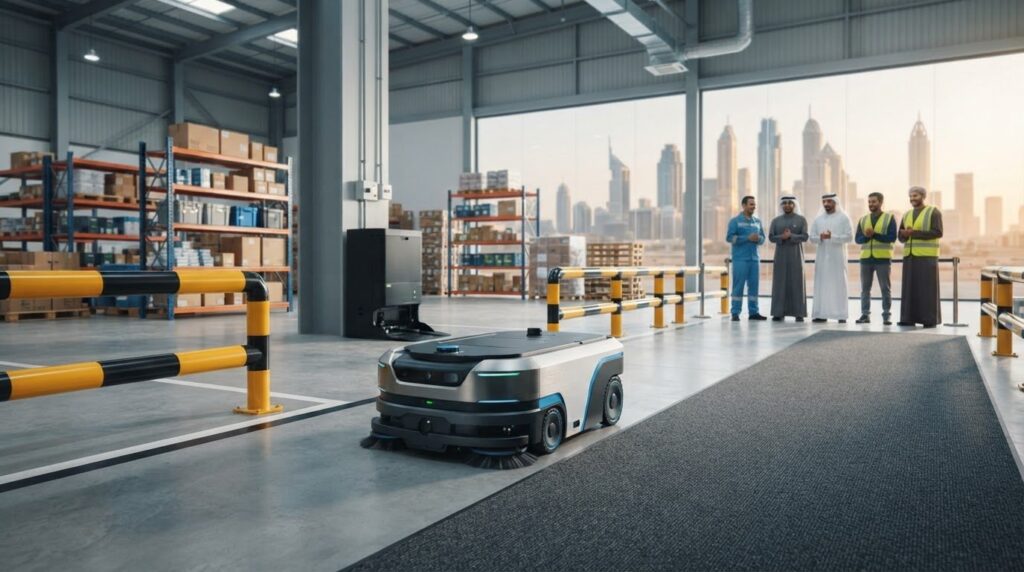
Autonomous Mobile Robots (AMRs) have effectively replaced fixed-track conveyor systems, serving as the backbone for decentralized logistics in 2026. These units utilize swarm intelligence to coordinate the movement of hundreds of mobile platforms, optimizing throughput based on real-time demand fluctuations. Navigating dynamic industrial environments with centimeter-level precision, these robots eliminate the “data silo” problem by communicating directly with central control rooms. For enterprises seeking to implement these systems, our guide on collaborative robots UAE provides the necessary framework for successful Industry 4.0 transition.
Specialized robotics also play a critical role in the UAE robotics industry, with deployments ranging from underwater inspection drones to high-altitude surveillance units. These technologies are particularly vital for maintaining the integrity of energy and aviation infrastructure. Research from the Mohamed bin Zayed University of Artificial Intelligence highlights the growing impact of robotics in the UAE’s growth sectors, emphasizing how AI-driven hardware enhances precision in agriculture and oil and gas. Organizations looking to lead this transformation should explore how bespoke automation solutions can be tailored to their specific operational requirements.
Strategic Integration: Bridging Legacy Infrastructure with Robotics
Bridging the gap between 2026’s autonomous hardware and established legacy systems is the primary hurdle for regional industrial players. While the UAE robotics industry continues to expand at a compound annual growth rate of 11.75%, many facilities struggle with “Data Silos” where edge robots remain disconnected from the central control room. Resolving this requires a systematic approach to PLC and SCADA integration, transforming isolated machines into a synchronized workforce. This alignment is a key objective of the UAE’s national science and technology policy, which emphasizes the modernization of industrial infrastructure to support advanced digital economies. By treating robotics not as an add-on but as a core component of the industrial fabric, organizations can unlock the full potential of their capital investments.
Establishing real-time monitoring capabilities allows SCADA systems to function as the “brain” for robotic “limbs” across the factory floor. This high-level oversight ensures that every movement of a collaborative robot or AMR is logged and analyzed for performance bottlenecks. Without this connection, the risk of operational misalignment increases, leading to the uncertainty regarding ROI that many CEOs currently face. Successful integration means that data flows bi-directionally, allowing central operators to adjust robotic parameters instantly based on shifting production demands or safety alerts.
PLC and SCADA: The Foundation of Control
Standardizing communication protocols between robots and controllers, industrial leaders ensure seamless data flow across the enterprise. Utilizing frameworks like OPC UA and MQTT, engineers bridge the language gap between legacy PLCs and modern robotic sensors. It’s often necessary to upgrade existing controllers to handle the high-frequency data streams required for advanced analytics. Firms that prioritize this deep technical integration report a measurable decrease in unplanned downtime, as predictive maintenance algorithms can identify mechanical wear before a failure occurs. This intellectual framework provides the reliability necessary for large-scale industrial transformation.
Cybersecurity in the Autonomous Factory
Hardening robotic endpoints against external network threats is a non-negotiable priority in an era of hyper-connectivity. Industrial facilities in the Emirates are increasingly adopting Zero Trust architectures, ensuring that every autonomous unit is authenticated before it can communicate with the broader network. While cloud-connected analytics offer powerful insights, many critical operations remain within air-gapped systems to maintain maximum security. Implementing these robust protocols prevents unauthorized access to sensitive operational data, grounding high-tech aspirations in a framework of safety and order. Protecting the integrity of the UAE robotics industry requires this vigilant, multi-layered approach to digital defense.
Sector-Specific Transformations: From Energy to Facilities
The UAE robotics industry in 2026 has moved beyond horizontal applications, establishing deep vertical integration across the nation’s most critical sectors. While previous years focused on general warehouse automation, current deployments prioritize specialized hardware designed for the unique environmental challenges of the Middle East. From the extreme heat of regional solar fields to the sterile requirements of Abu Dhabi’s healthcare hubs, autonomous systems are now the primary safeguard for operational continuity. This transition isn’t merely about replacing labor; it’s about achieving levels of precision and safety that were previously unattainable through manual processes.
National security and utility protection have also seen a paradigm shift through the deployment of robotic surveillance systems. These autonomous units provide a persistent, high-tech presence across national borders and critical utility sites, utilizing advanced sensor suites to detect anomalies in real-time. By integrating these systems with centralized command centers, the UAE ensures that its strategic infrastructure remains resilient against both physical and digital threats. Healthcare facilities are following a similar trajectory, utilizing precision robotics for minimally invasive surgeries and autonomous logistics to maintain zero-contamination environments in sterile supply chains.
Robotics in the Energy and Utility Landscape
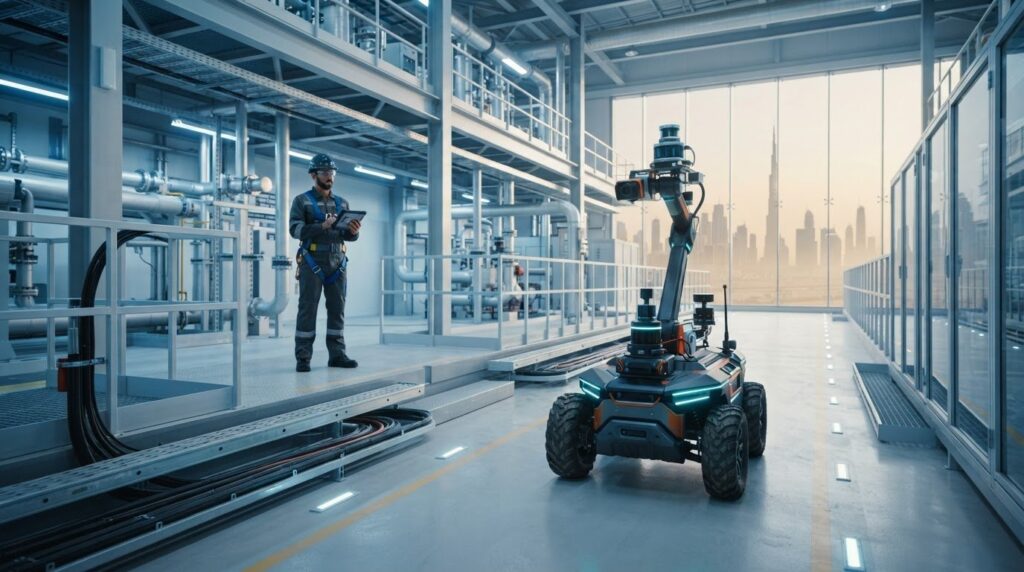
Deploying inspection robots within hazardous Oil & Gas environments has become a standard protocol for risk mitigation in 2026. Utilizing ATEX-certified units, energy firms conduct routine monitoring of volatile zones without exposing human technicians to life-threatening conditions. Drones and crawlers now handle the intricate maintenance of pipeline integrity and the cleaning of vast solar farms, ensuring peak energy output through consistent, automated care. Organizations seeking to eliminate the risks and costs of manual monitoring can leverage robotic inspection services to achieve zero-downtime assessments and generate high-resolution digital twins of critical assets. This move toward remote robotic operations significantly reduces human exposure to high-risk areas, grounding the energy sector’s high-tech aspirations in a framework of safety and reliability.
The Commercial Cleaning Revolution
Large-scale commercial facilities in Dubai and Abu Dhabi are currently undergoing a commercial cleaning revolution driven by autonomous floor scrubbers and outdoor cleaning robots. These systems deliver measurable sustainability metrics, optimizing water and chemical usage to align with the UAE’s Net Zero 2050 targets. Transitioning cleaning staff from repetitive manual labor to robotic fleet management, facility managers are increasing operational efficiency while reducing long-term overhead. Organizations ready to modernize their facility maintenance can consult with our integration experts to design a bespoke robotic roadmap that ensures long-term business viability.
Future-Proofing Your Operations with EdNex Automation
EdNex Automation serves as a visionary integrator, positioning itself at the intersection of global innovation and regional industrial necessity. While many vendors focus on equipment sales, our methodology prioritizes the delivery of high-level solutions that encompass both hardware and deep technical SCADA integration. This approach ensures that your autonomous units don’t operate in isolation but function as part of a synchronized, intelligent fabric. Achieving a sustainable ROI in the UAE robotics industry in 2026 requires more than just capital expenditure; it demands a partnership model where the integrator provides start-to-finish expertise. From initial consulting to ongoing technical optimization, we provide the reliability necessary to navigate the gravity of large-scale industrial transformation.
Establishing a robust automation framework is a complex undertaking that requires a grounded technical partner. We provide the intellectual framework necessary for implementation, ensuring that every robotic deployment contributes to risk mitigation and operational improvement. Our full-service approach covers everything from the initial pilot to the rollout of complex humanoid or surveillance systems. By aligning your facility’s capabilities with global standards, we ensure your organization remains competitive in an increasingly automated economy.
The EdNex Advantage: Integration-First Philosophy
Bridging the gap between global robotic breakthroughs and the specific constraints of UAE facilities, we customize ASRS and AMR solutions to maximize space and throughput. Our commitment to official certifications and global technology alliances serves as a marker of legitimacy, reassuring our partners of a methodical and reliable approach. We don’t just supply cleaning or delivery robots; we integrate them into your existing infrastructure, ensuring that high-frequency data from robotic sensors is utilized for predictive maintenance. This engineering-minded approach reflects our status as a high-level consultant rather than a simple equipment vendor.
Next Steps for UAE Industrial Leaders
Preparing your facility for the next phase of the UAE robotics industry evolution begins with a comprehensive automation readiness audit. This systematic evaluation identifies bottlenecks in your current PLC frameworks and assesses the feasibility of integrating collaborative or humanoid systems. Following the audit, we collaborate with your leadership to develop a multi-year robotics roadmap that aligns with national goals such as Operation 300bn. This strategic document frames automation as a necessary evolution for long-term business viability. To begin this transformation, Consult with EdNex Automation for your 2026 robotics strategy and secure your organization’s position at the cutting edge of industrial innovation.
Leading the Next Industrial Evolution
The trajectory of the UAE robotics industry is no longer defined by isolated pilot programs but by the deliberate synchronization of autonomous hardware and industrial control software. Success in 2026 depends on a robust intellectual framework that bridges the gap between legacy PLC systems and modern AI sensors. Facilities that prioritize this deep technical integration will secure a significant competitive advantage, ensuring long-term viability within the Emirates’ rapidly evolving economic landscape. It’s a high-stakes environment where controlled innovation is the only path to sustained market leadership.
EdNex Automation provides the essential bridge between global technological breakthroughs and regional industrial needs. Leveraging our advanced PLC and SCADA integration expertise, we offer a comprehensive portfolio of AMRs, Cobots, and Humanoids backed by national coverage for technical support and maintenance. We don’t just supply tools; we provide the systematic organization required to bring order and efficiency to complex environments. Scale Your Industrial Operations with EdNex Automation and lead your organization toward a future of safe, professional, and systematic innovation.
Frequently Asked Questions
What is the current state of the UAE robotics industry in 2026?
The UAE robotics industry in 2026 has transitioned into a mature ecosystem focused on system optimization and deep vertical integration. Market growth is currently sustained by a compound annual growth rate of 11.75%, with total service robotics revenue projected to reach 1.13 billion AED by 2028. This landscape is characterized by the widespread adoption of AI-driven hardware that aligns with national economic diversification and industrial sovereignty goals.
How do I integrate autonomous robots with my existing PLC and SCADA systems?
Integration is achieved by standardizing communication protocols such as OPC UA and MQTT to bridge the gap between legacy controllers and modern robotic sensors. Our technical teams specialize in upgrading existing PLC frameworks to handle the high-frequency data streams generated by autonomous systems. This ensures that every robotic unit operates as a synchronized extension of the central control room, effectively eliminating data silos and improving operational reliability.
What are the most significant robotics trends for UAE manufacturing this year?
The most significant trend this year is the shift from traditional caged industrial robots to dynamic, AI-powered collaborative robots in shared workspaces. Manufacturing facilities are redesigning roles to integrate human-AI collaboration, with 80% of regional CEOs currently restructuring their workforces to accommodate these systems. This evolution enables higher precision in assembly lines while maintaining the flexibility required for bespoke production runs and high-mix manufacturing.
Are there specific regulations for deploying autonomous mobile robots in the UAE?
Deployment of autonomous mobile robots is governed by international safety standards such as ISO 10218 and specific regional mandates like Ras Al Khaimah’s Law No. (1) of 2026. These regulations enforce strict cybersecurity protocols and data governance to ensure safe operation in dynamic industrial environments. Organizations must also adhere to specific sector requirements, such as the biosecurity protocols implemented by the Abu Dhabi Agriculture and Food Safety Authority.
How can robotics help my business align with UAE’s Operation 300bn?
Robotics serves as a primary lever for Operation 300bn by enabling the transition to high-tech, “lights-out” facilities that target a doubling of the industrial sector’s GDP contribution. By implementing autonomous systems, businesses contribute to national industrial sovereignty and enhance local manufacturing capabilities. This alignment is further supported by the National Program for Coders, which provides the necessary intellectual framework for localized robotic software development and system optimization.
What is the expected ROI for industrial cleaning robots in commercial facilities?
Industrial cleaning robots provide a measurable ROI through the optimization of water and chemical usage, directly supporting national sustainability and Net Zero 2050 targets. While the specific financial return depends on facility scale, the primary benefit stems from reallocating cleaning staff to higher-value fleet management roles and reducing long-term maintenance overhead. These systems ensure consistent hygiene standards in large-scale commercial facilities without the variability associated with manual labor.
Can humanoid robots be used in industrial environments, or are they only for service?
Humanoid robots in 2026 are utilized for both front-of-house service and complex industrial troubleshooting in hazardous environments. Their bipedal stability and natural language processing capabilities allow them to navigate uneven terrain and collaborate verbally with technical teams. In industrial settings, they perform specialized inspections in confined spaces where traditional wheeled units might face constraints, providing a versatile solution for maintenance in the energy and utility sectors.
How does EdNex Automation support the deployment of ASRS in the logistics sector?
EdNex Automation supports the deployment of Automated Storage and Retrieval Systems (ASRS) through a comprehensive integration-first philosophy that maximizes throughput within unique facility constraints. We manage the entire lifecycle from initial consulting and hardware supply to the deep technical integration of the system with your existing SCADA framework. This ensures that your logistics operations achieve maximum efficiency through synchronized, data-driven inventory management and real-time monitoring.