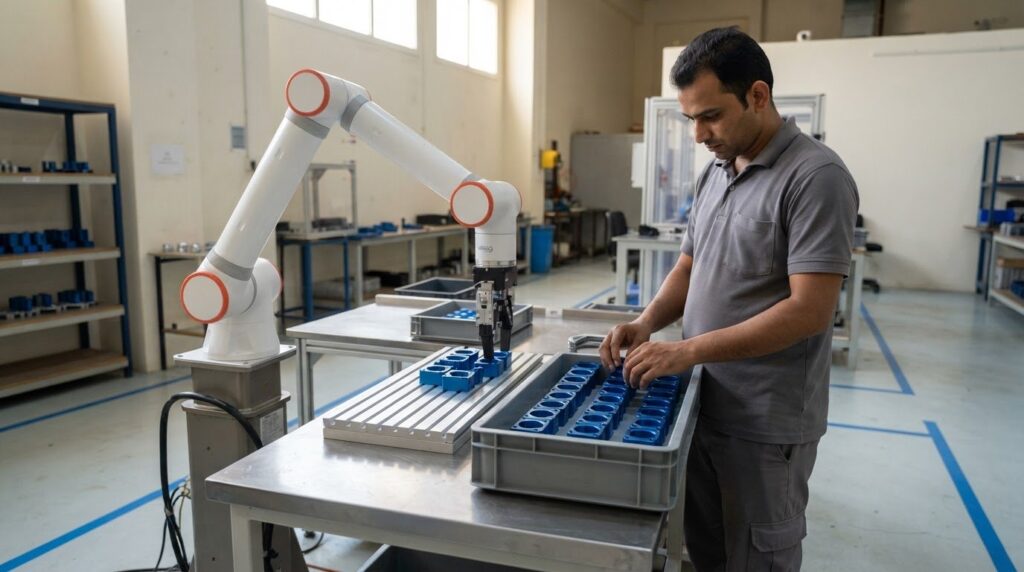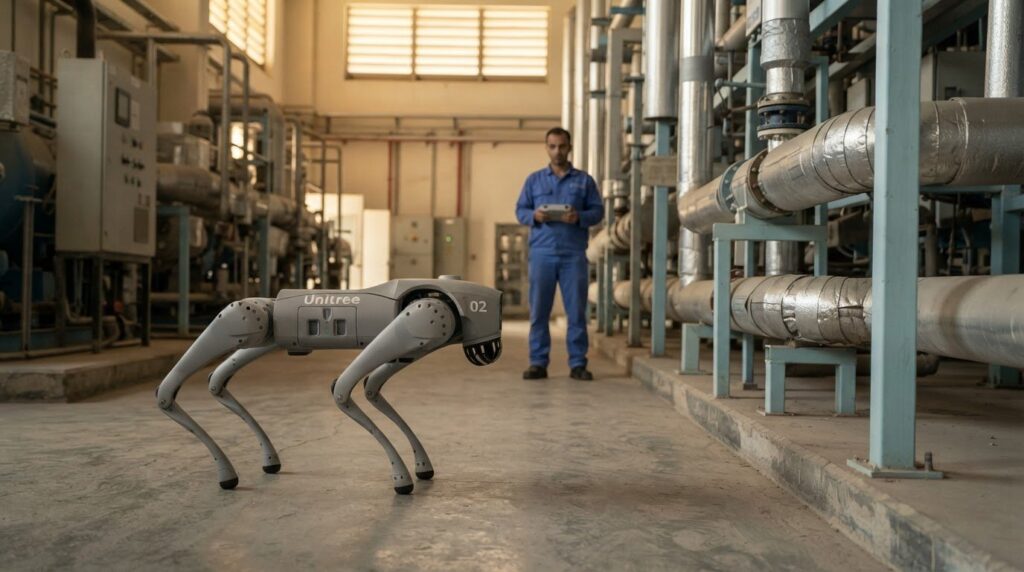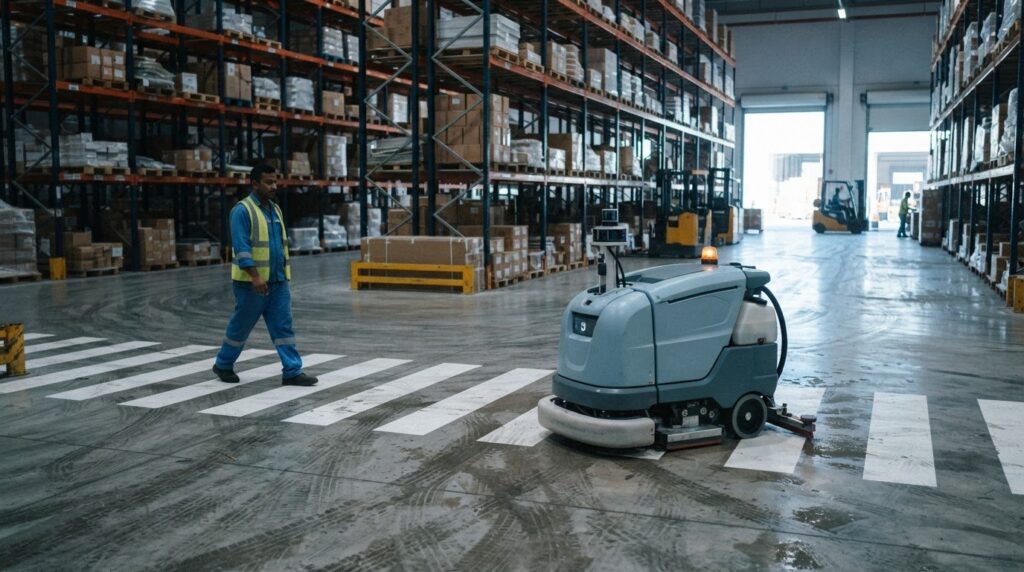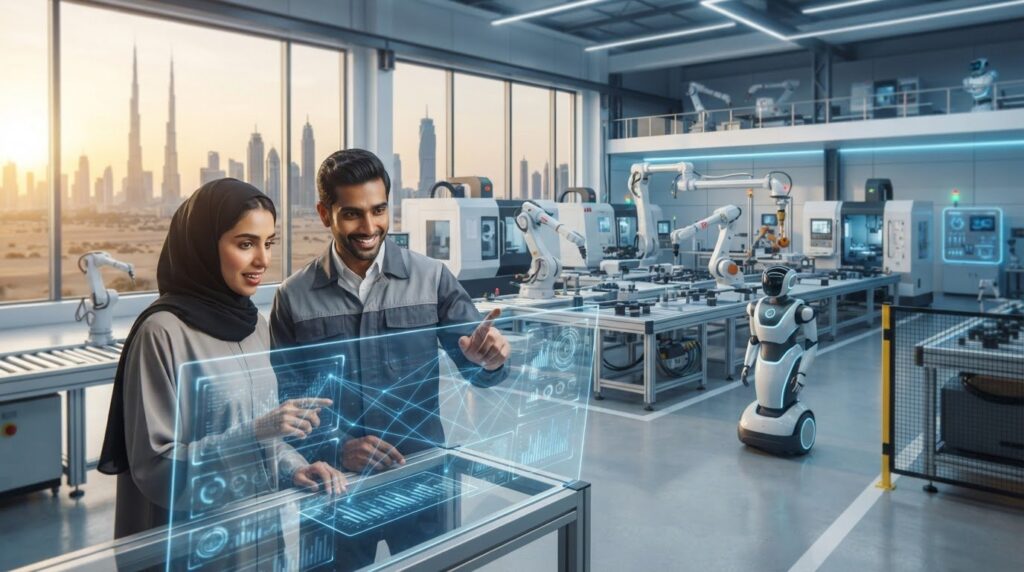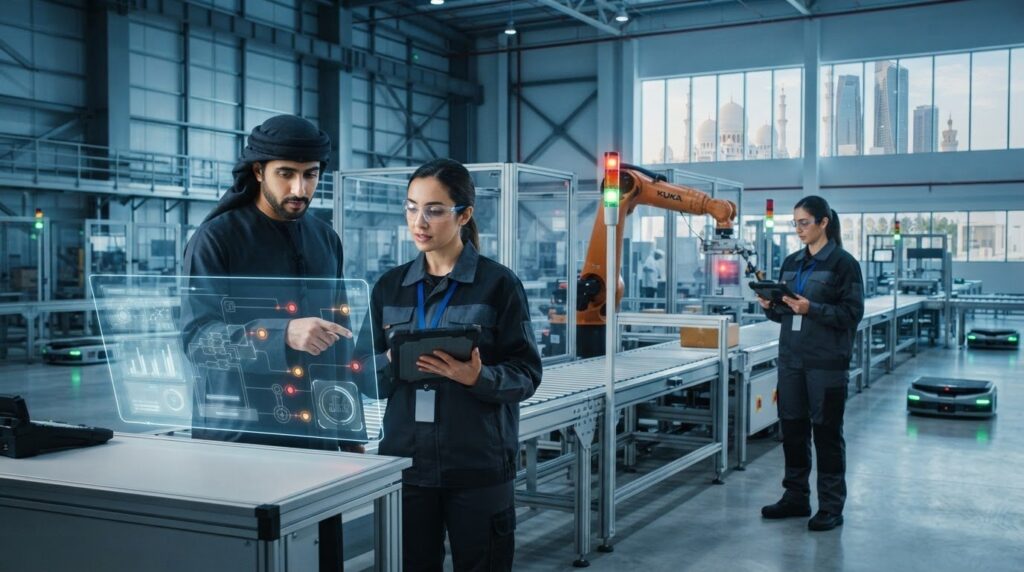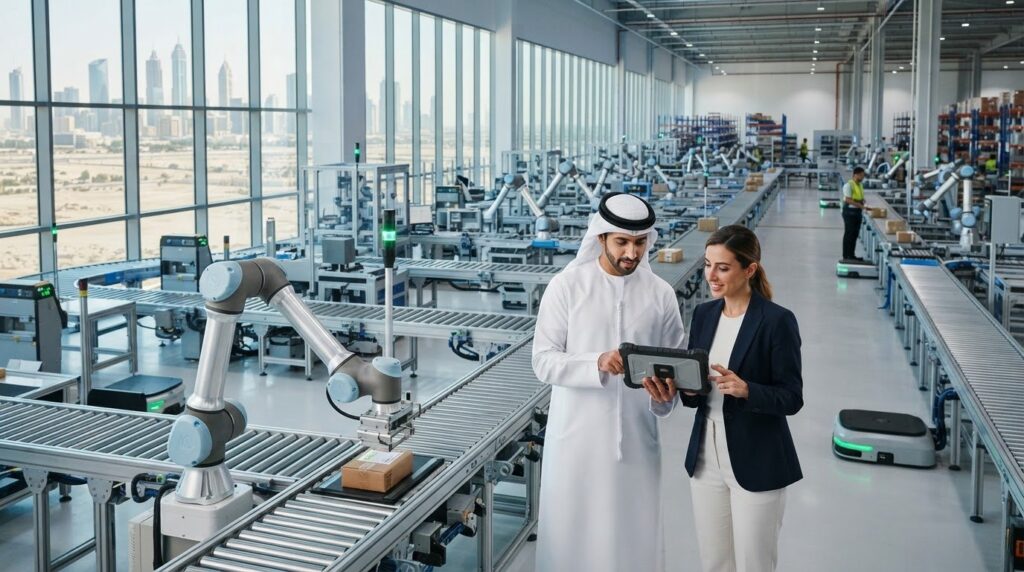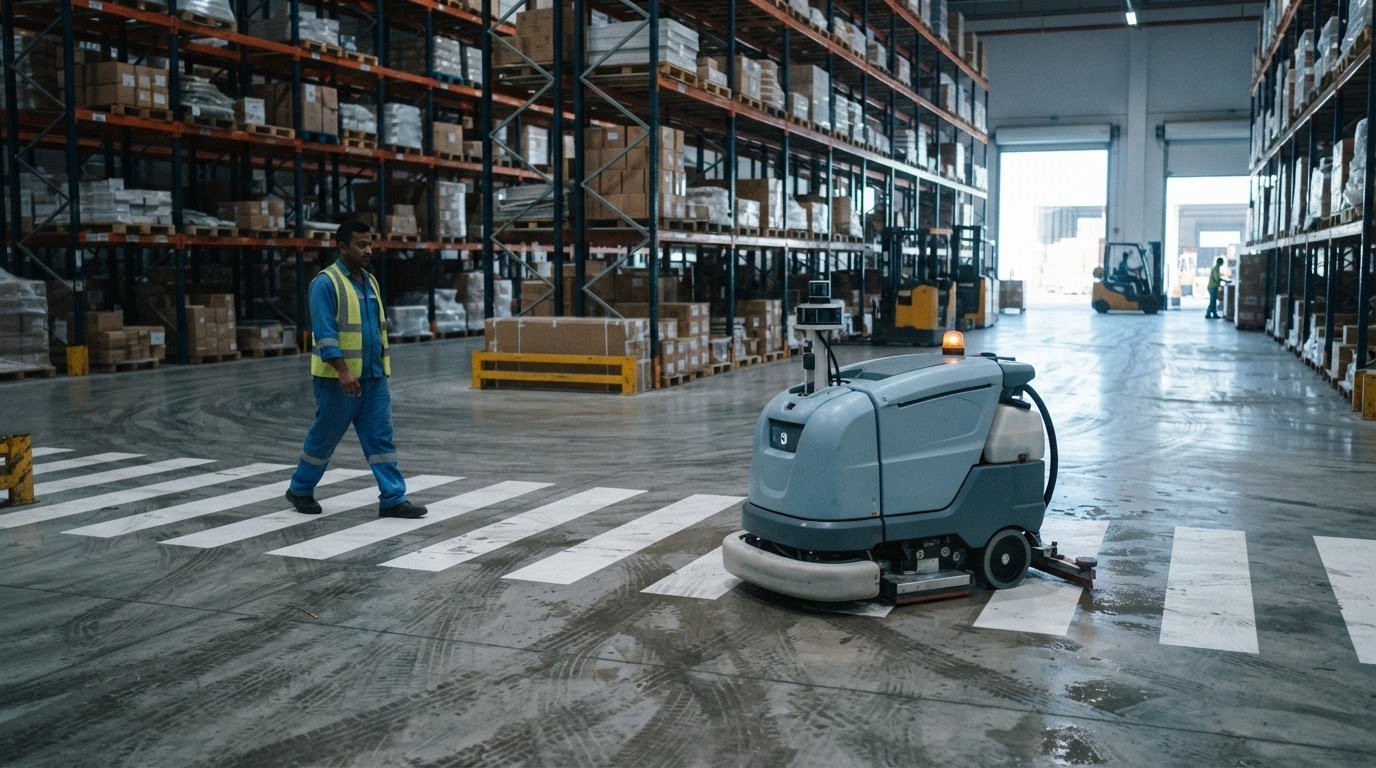
Automation can move workers away from hazardous, repetitive tasks, while sensors and AI can help detect emerging risks and prompt faster responses. The impact of automation on workplace safety also depends on how people interact with machines. New equipment can create hazards, particularly during maintenance, so risk assessments and safety procedures must keep pace with system changes.
Technology can make dangerous work more controlled, but installing a robot or monitoring system does not replace planning how it will operate around people. This article explains how robots and AI can change safety procedures, support real-time monitoring and alerts, and help identify hazards. It also covers risks from human-machine interaction and system changes, and how technology can help manage them. The practical focus is on what automation can improve, where safeguards matter, and how to keep people central to workplace safety.
Key Takeaways
- Identify hazardous or physically demanding tasks where robots could reduce workers’ direct exposure, then plan safeguards for the remaining human-machine interactions.
- Use sensor-based monitoring and alerts to help detect abnormal conditions early and support timely responses.
- Reassess hazards when automation is introduced or changed, with particular attention to maintenance and system updates.
- Choose workplace safety technology to address specific risks, and build it into protocols and worker training rather than treating it as a standalone solution.
How Might Robots and Artificial Intelligence (AI) Impact Organizational Safety Protocols?
Industrial robots can take on hazardous tasks, while AI can help teams spot risks and adapt safety procedures. The outcome depends on assessing how people and machines interact and training employees before systems become part of daily operations.
Robots Performing Hazardous Tasks
Robot Exposure and Workplace Injuries
Robot exposure describes how extensively workers or locations encounter industrial robots. In Chinese cities studied, a one-standard-deviation increase in robot exposure was associated with 0.100 fewer annual workplace accidents and 0.0133 fewer annual workplace fatalities per thousand population. CHNS data also associated each standard-deviation increase with a 2.25-percentage-point reduction in injury probability among working-age people from 2009 to 2015. A European manufacturing study covering 2011 to 2019 associated robots with baseline reductions of 0.196 in workplace injuries and 0.00663 in fatalities. These findings describe studied populations, not guaranteed outcomes for every workplace or industry.
Collaborative Robot Risk Assessments
A collaborative robot risk assessment examines hazards created when employees and robots share or work near a task area. Identify contact risks, robot movement, workpiece handling, and maintenance activities, then select controls for each exposure. Reassess when the task, equipment, or software changes. For UAE workplaces, apply relevant local occupational-safety requirements and equipment standards; EN ISO 9241-110 is a design reference for worker-system interaction, not a UAE regulation claim.
Training Around Automated Equipment
Before daily use, train workers on the system’s intended tasks, operating boundaries, warning signals, and safe response procedures. Use practical demonstrations to show how to approach equipment, report unusual behaviour, and follow site procedures during interruptions or maintenance. Include ergonomic instruction if automation changes lifting, reaching, or repetitive work. Make clear who may operate or adjust the system, so process changes do not lead to unsafe assumptions or weakened safeguards.
AI safety monitoring and real-time alerts
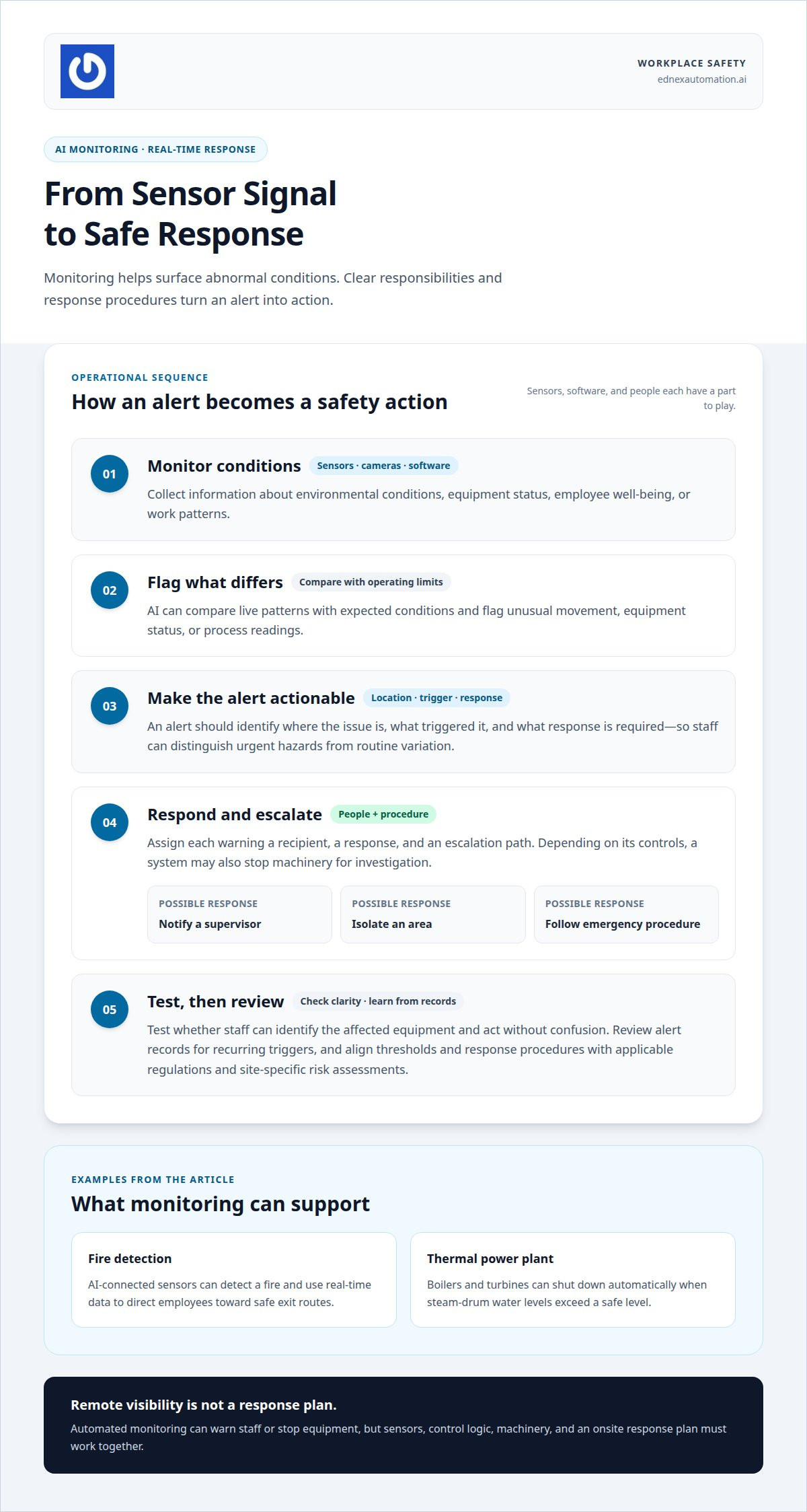
AI safety monitoring uses sensor inputs, camera analysis, and software to flag abnormal conditions. A system can compare live work patterns with operating limits, then alert supervisors when movement, equipment status, or process readings differ from expected conditions. Depending on its controls, it may also stop machinery for investigation. This can speed up warnings, but a clear human response procedure determines what happens next. Alerts should identify the location, trigger, and required response so staff can distinguish urgent hazards from routine variation.
IoT sensors can monitor environmental conditions, equipment status, and employee well-being. Connected readings may reveal early signs that machinery needs maintenance, allowing teams to investigate before a fault causes an accident. In another scenario, AI-connected sensors can detect a fire and use real-time data to direct employees toward safe exit routes. These systems are most useful when their data points to a clear action, such as notifying a supervisor, isolating an area, or following the site’s emergency procedure.
Remote monitoring gives authorised operators visibility into process conditions beyond the immediate work area. Automated systems can monitor operations continuously and warn staff or stop equipment when an emergency condition appears. For example, a thermal power plant can shut down boilers and turbines automatically when steam-drum water levels exceed a safe level. This response depends on sensors, control logic, and machinery working together. Remote visibility alone does not control a hazard or replace an onsite response plan.
To make alerts operational, assign each warning a recipient, response, and escalation path. Test whether staff can identify the affected equipment and act without confusion, then review alert records for recurring triggers. In UAE workplaces, align monitoring thresholds and response procedures with applicable regulations and site-specific risk assessments. This supports productivity while keeping safety decisions connected to people who understand the work. Facilities assessing how robotic workflows fit their controls can explore automation integration options.
Risk assessment for automation-related hazards
A risk assessment maps how an automated system could harm people throughout its operating cycle. In manufacturing, assess normal production, loading, jams, cleaning, maintenance, and recovery after a stop. For a robot moving heavy components, consider its path, nearby employees, workpiece movement, and access points. Assessing the task, not just the equipment, can reveal hazards where human work and automated processes overlap.
AI can analyse operational data for patterns that may signal emerging hazards, such as repeated stoppages, unusual machine readings, or recurring near-miss reports. Treat these findings as prompts for investigation, not proof of a cause. A safety team can compare an alert with work records, inspect the area, and speak with workers who perform the task. This turns complex data into practical prevention measures while keeping workers’ concerns visible.
Next, decide how to control each identified hazard. The hierarchy of controls starts with eliminating the hazard and places personal protective equipment last. For example, redesigning a process to remove manual handling can provide stronger control than relying only on gloves or reminders. Where maintenance exposes workers to unexpected machine movement, a comprehensive lockout/tagout program helps protect staff in equipment operation areas. Training should cover the actual isolation process and the conditions for returning equipment to service.
Keep the assessment current as the system changes. Reassess when product, equipment, or software updates alter tasks, movement, access, or safety procedures. After a change, test the revised process under realistic conditions and monitor whether controls work for operators, cleaners, and maintenance staff. Record hazards, assigned controls, responsible roles, and review triggers. This links each identified risk to a safeguard and helps determine whether it still suits the work being done.
Workplace safety technology
Workplace safety technology works best when an organization selects tools for specific hazards, rather than adopting artificial intelligence as a blanket solution. The impact of automation on workplace safety depends partly on whether a chosen system changes workers’ exposure to a hazard and fits the task. Automation can act as an engineering control, taking over repetitive or physically demanding work that contributes to fatigue and errors. For example, goods-transport robots can reduce manual lifting and carrying.
Predictive systems analyse operational data for patterns that may signal emerging risks. Workplace safety prediction technologies recorded 14,800 inventions over the last 10 years, including 2,823 published inventions in 2023. Their annual growth rate was 26.4% over the last five years, compared with 2.7% growth across workplace safety technologies overall. These figures describe a developing field, but invention counts alone don’t establish effectiveness. Organizations need to assess performance in their specific work settings.
Computer vision can support ergonomic analysis by assessing how workers move during tasks. In 91% of lifts, a single-camera AI system stayed within 15° error for safety risk assessments; its average error was under 7° against gold-standard motion capture. An AI-based industrial safety monitoring deployment reported a 40% reduction in PPE violations. These are examples of measured outcomes, not expected results for every workplace. Human assessment and testing remain essential to evaluate whether systems work consistently for all staff.
To assess the impact of automation on workplace safety, connect each technology to a defined hazard and a method for reviewing it. Wearables can monitor vital signs, fatigue, and exposure to hazardous substances, while sensors can trigger a monitored stop if someone enters an unsafe robot range. Define who reviews alerts, how findings are assessed, and what action follows. This makes safety technology part of a deliberate control strategy rather than a standalone purchase.
EdNex Automation: Collaborative Robots (Cobots)
EdNex Automation offers Collaborative Robots (Cobots) for organizations evaluating where robotic systems fit alongside human work. Consider cobots when a defined industrial task involves repetitive handling or a workflow needs automation designed around employee interaction. The task, workspace, and risk assessment should guide how a system fits into workplace protocols.
For other operational needs, Autonomous Mobile Robots (AMRs), cleaning robots, and delivery robots address different types of tasks. Map the task before selecting a robot to connect the choice to actual workplace risks, rather than treating technology as a standalone safety measure.
If you’re assessing where robotics could support your workplace processes, visit ednexautomation.ai to explore EdNex Automation’s offerings.
Make the Next Automation Decision Deliberate
The impact of automation on workplace safety depends on decisions made before a system enters daily operations. Start with a clearly defined work challenge, then decide what a safer process should look like for the people doing the job. Include operators and supervisors in the discussion: their experience can reveal workflow pressures a technical review might miss.
Set a practical review point after deployment. Compare the process with its intended safety and operational outcomes, listen to employee feedback, and use the findings to refine procedures. This makes automation an ongoing improvement effort rather than a one-time equipment decision. Assigning clear responsibility for reviewing changes helps keep safety in view as work evolves.
For a conversation about applying robotics to your workplace goals, contact EdNex Automation to discuss safety automation. A deliberate next step can help your organization build a more capable and safety-focused operation.
Frequently Asked Questions
How does automation affect workplace injury rates and fatalities?
Automation can reduce exposure to hazards, but its effect depends on the tasks and safety controls involved. In China, rising robot adoption was estimated to account for 68.5% of the reduction in workplace accidents and 71.0% of the reduction in workplace fatalities during 2013-2019. These estimates describe changes across the study period; they aren’t a prediction for an individual facility or a measure of every type of injury.
Which workplace tasks can automation make safer?
Automation can make hazardous, repetitive, or physically demanding tasks safer by reducing workers’ direct involvement. A robotic welder, for example, can keep employees away from sparks and fumes during welding. Goods-transport robots can reduce manual lifting and carrying. Start with a task where the exposure is clear, such as moving heavy items or performing repetitive work, then match the technology to that specific task.
What new safety risks do robots and automated systems create?
Automated equipment can introduce contact, unexpected movement, and maintenance hazards. Injuries involving AI-powered machinery can occur during maintenance, particularly when workers enter equipment operation areas. Software or system changes can also alter machine behaviour. For example, a revised production sequence may change access or timing, meaning existing controls might no longer address the hazards of the updated task.
How do collaborative robots (cobots) affect worker safety compared with industrial robots?
Cobots are designed to work collaboratively with people, but the label alone does not establish that a task is safe. A conventional industrial robot may operate in a separated work area, while a collaborative setup brings human-machine interaction into the assessment. For either setup, evaluate the actual task, movement, and contact risks. Monitored stops or sensors that stop a robot when someone enters an unsafe range can be considered as safeguards.
What risk assessments and safeguards are required before introducing workplace automation?
Assess hazards before introducing automation, including those during normal operation, jams, cleaning, and maintenance. Identify who may enter the equipment area, how motion is controlled, and what happens during a fault. A comprehensive lockout/tagout program helps protect workers during robotic maintenance. Train employees on operating procedures before daily use, and reassess after changes to equipment, products, or software, as updates can affect established safeguards.
What statistics show automation’s impact on workplace safety by industry?
In studied Chinese cities, a one-standard-deviation increase in robot exposure was associated with 0.100 fewer annual workplace accidents and 0.0133 fewer fatalities per thousand people. In European manufacturing from 2011 to 2019, industrial robots were associated with reductions of 0.196 in injuries and 0.00663 in fatalities.