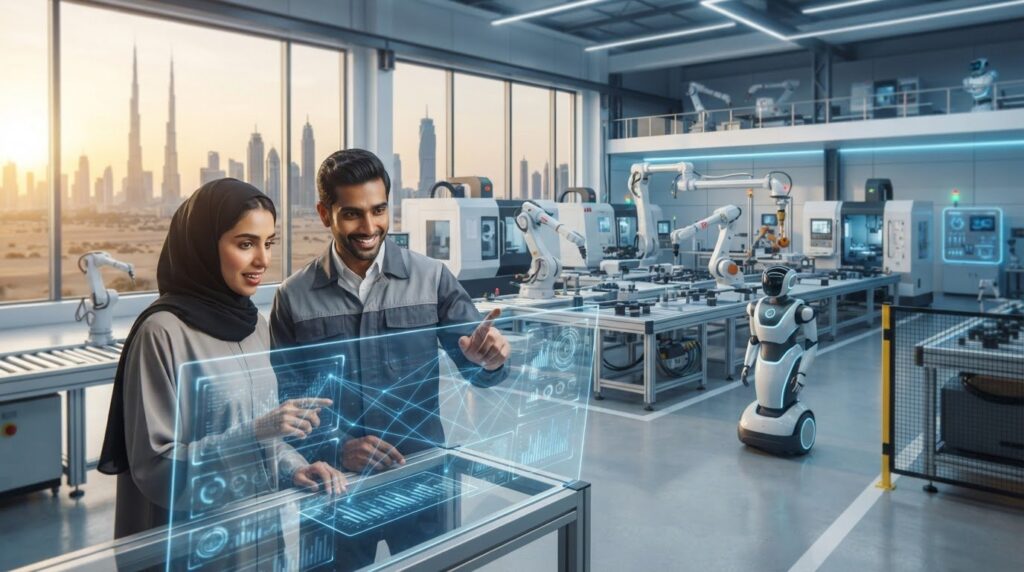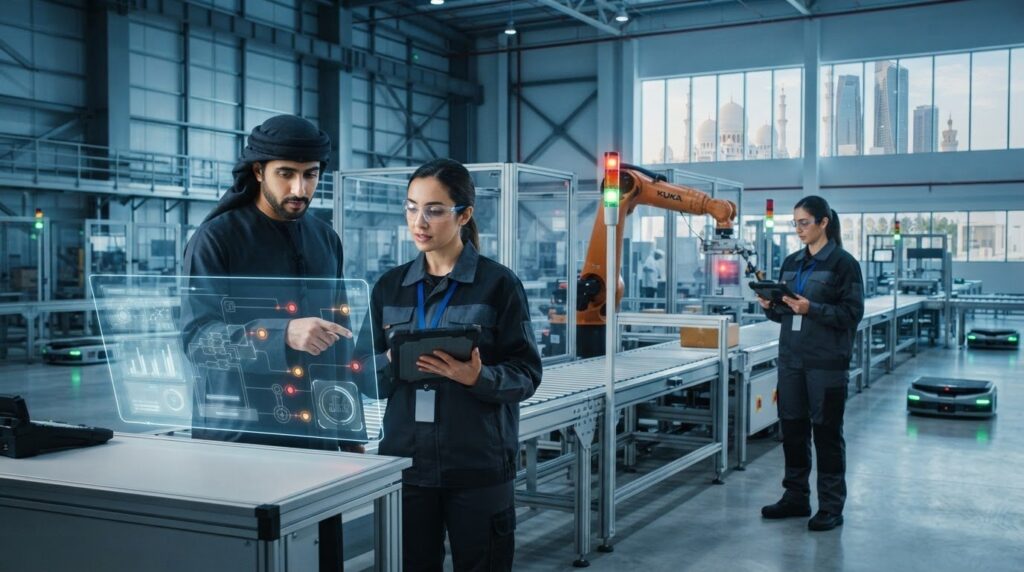
A production line does not need to be fully autonomous to benefit from robots. Robotic automation combines programmed machines and controls, sometimes with sensors or vision systems, to perform tasks such as material handling, sorting and assembly. Industrial robots in the UAE can support these operations in manufacturing, logistics, warehousing and other sectors, working alongside people or within automated lines.
A robot may look like a single machine repeating one task, but effective automation is a coordinated system designed around the work. This guide explains how robotic automation operates, where it can help and how robots support production. It also introduces industrial robot types and automation solutions available in the UAE, with practical ways to match a system to production, goods movement or facility operations.
Key Takeaways
- Map repetitive, precision-dependent tasks to robotic automation to understand where it can support your operation.
- Identify how robotics can serve different sectors, from production and logistics to healthcare and tourism.
- Compare robot types and applications to match manufacturing tasks with the right automation approach.
- Explore cobots, mobile robots, cleaning robots and delivery robots as options for specific operational needs.
What is robotic automation?
Industrial automation connects machines, controls and software to coordinate production tasks. In UAE facilities, robots can handle materials, inspect equipment or carry out programmed operations.
Industrial Automation Applications
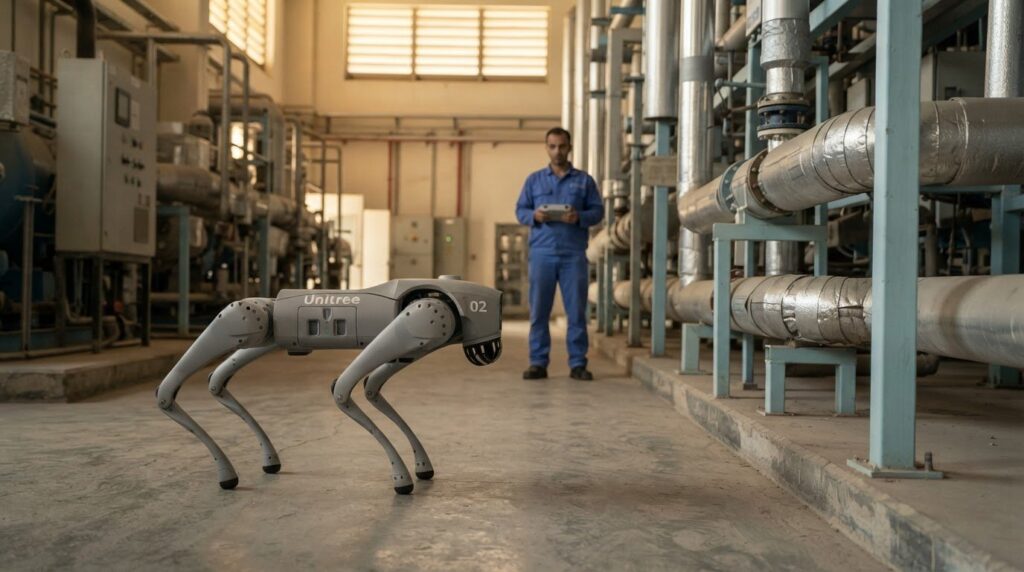
Automated guided vehicles move loads along set routes, while warehouse robots support picking, sorting and storage. Healthcare robotics can assist with internal logistics, and diagnostic automation can move samples through laboratory workflows. In oil and gas, inspection robots can examine hard-to-reach equipment, while drilling automation coordinates machinery sequences. Choose systems based on the task, site layout and how people interact with the equipment.
Industrial Robot Types
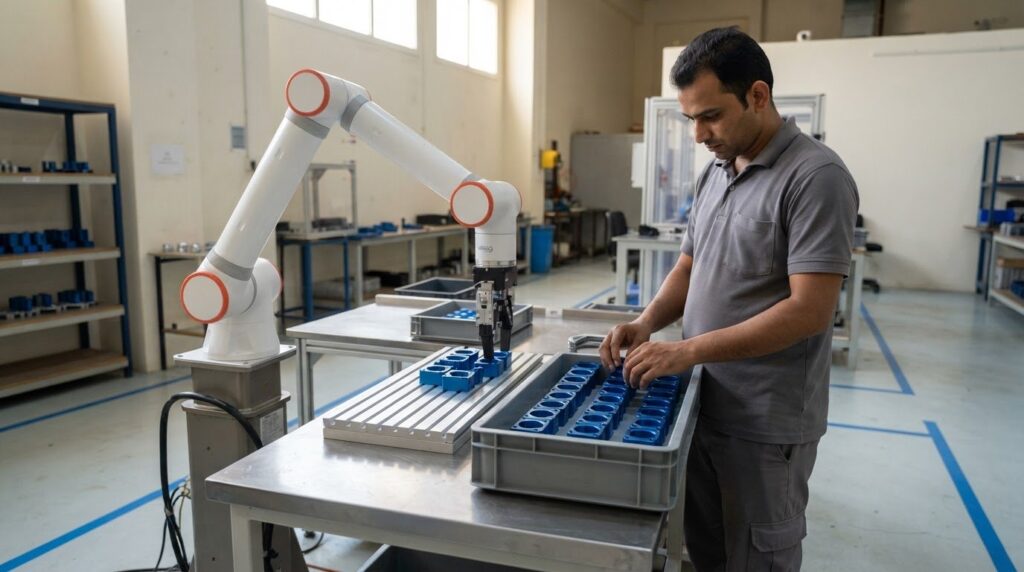
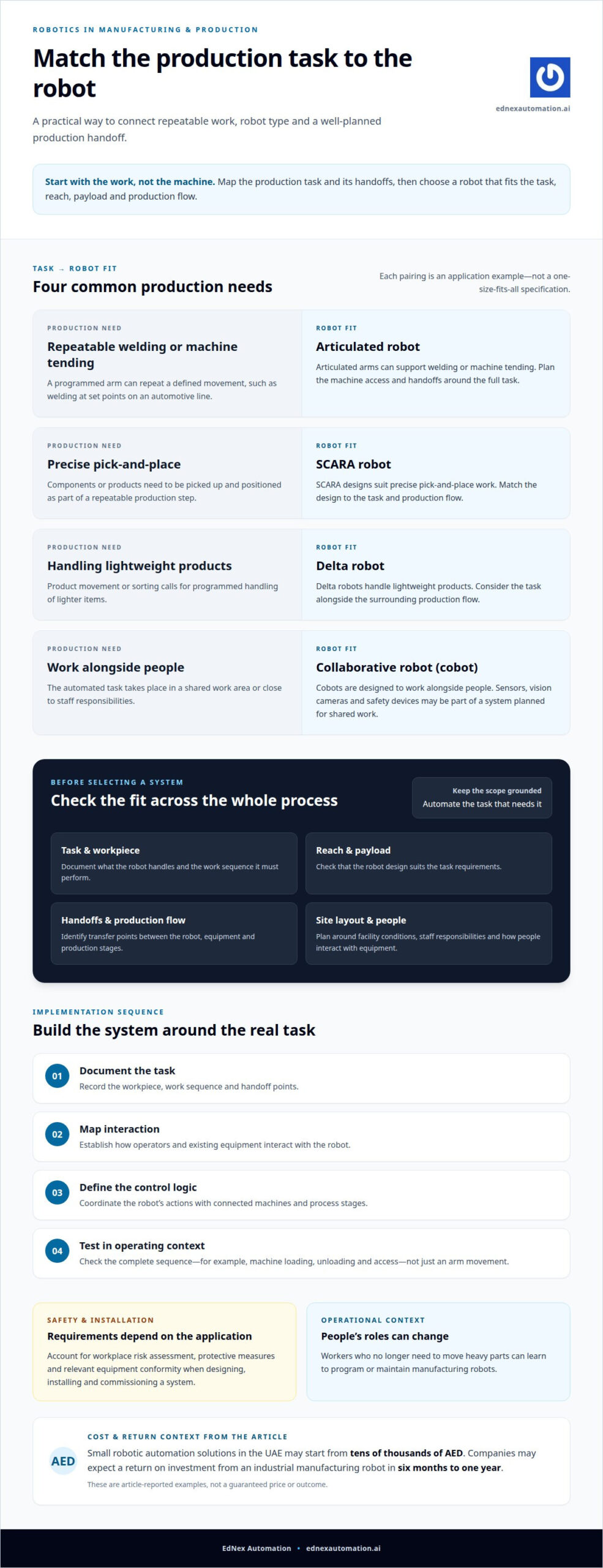
Industrial robot types used in UAE applications include articulated, SCARA, delta and collaborative robots. Articulated arms can support welding or machine tending, while SCARA designs suit precise pick-and-place work. Delta robots handle lightweight products, and cobots are designed to work alongside people. Match the design to the task, reach, payload and production flow.
UAE robot safety requirements depend on the application, equipment and facility. Account for workplace risk assessment, protective measures and relevant equipment conformity when designing, installing and commissioning a system. The applicable requirements depend on the installation.
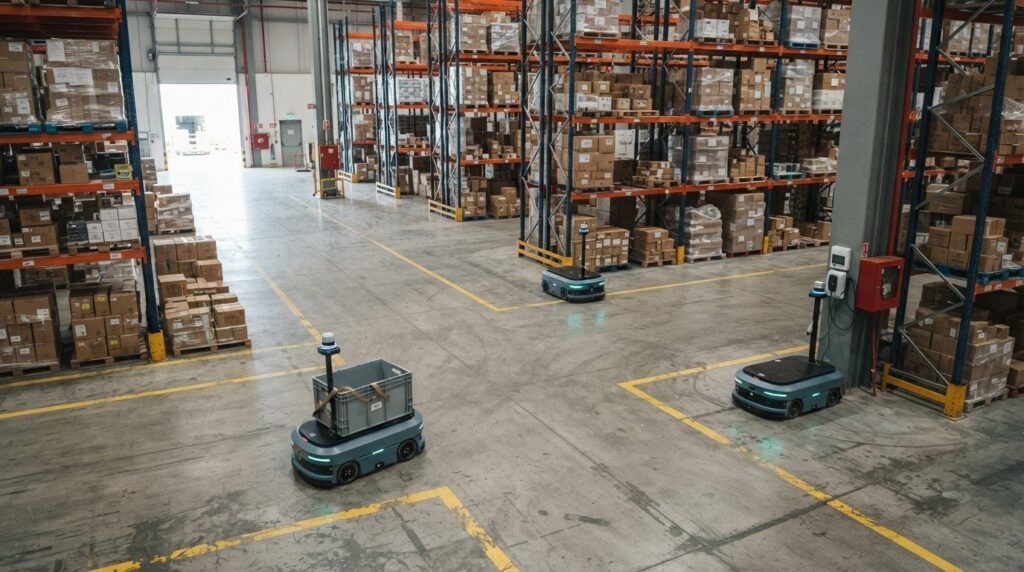
Robotic automation can reduce repetitive handling and support consistent task execution. For example, warehouse vehicles can move goods between receiving and storage, giving staff more time to focus on exceptions and coordination.
UAE investor incentives relevant to robotics include 100 percent company ownership, over 40 free zones, no income tax and full profit transfer. These incentives relate to investment and company incorporation, rather than a single robotics grant program.
Robotic automation also supports logistics, warehousing and material sorting, where systems can take on programmed handling tasks. Choose a system with the task and human interaction in mind so automated work fits the surrounding process. These applications show how robotics can help move and organize materials in different settings.
Modern robotic systems may integrate sensors, vision cameras, and safety devices to operate safely around people. These components are relevant when planning automation in shared work areas, alongside the task and facility layout. UAE Labour Law Section 7 prescribes a maximum of forty-eight hours per week for an adult employee, according to UAE Legislation. This working-hours rule is part of the broader context for facilities planning work arrangements alongside automated processes.
Which industries can benefit from robotics solutions?
Industrial robots in the UAE can support sectors with repeatable tasks, connected workflows or demanding operating environments. Potential applications span manufacturing, consumer services and tourism, logistics and connected mobility, healthcare, and work in extreme environments.
In manufacturing, robotic arms can be integrated into automated production lines and smart factories. An arm might transfer a component between workstations or position parts for assembly. Factory robots can also perform repetitive movements, allowing teams to focus on quality checks and process oversight. The role of industrial robots in the UAE depends on the sector, task and facility workflow.
Smart factory integration starts with the production task, not the robot. Map each step, identify repetitive handling or delays, then define how the arm should interact with the line. Connect the robot’s work to the factory operating process so materials and production stages remain coordinated. A carefully scoped installation can improve consistency without automating tasks that do not need it.
Logistics operations can use robotics to move goods between storage, handling and dispatch. In healthcare, automation can support repeatable internal processes, while tourism and consumer services can use robots for structured operational tasks. In extreme environments, remote or robotic systems can assist with work in challenging locations. Design each application around its operating conditions.
To assess fit, define the task, its place in the workflow and the desired operational outcome. Then consider integration with existing equipment, staff responsibilities and production stages. This assessment helps establish whether automation addresses a real process need. Businesses exploring robotics solutions for industrial workflows can use these criteria to shape their planning.
Small robotic automation solutions in the UAE may start from tens of thousands of AED. Workers who no longer need to move heavy parts can learn to program or maintain manufacturing robots. Companies may also expect a return on investment from an industrial manufacturing robot in six months to one year.
Robotics in manufacturing and production
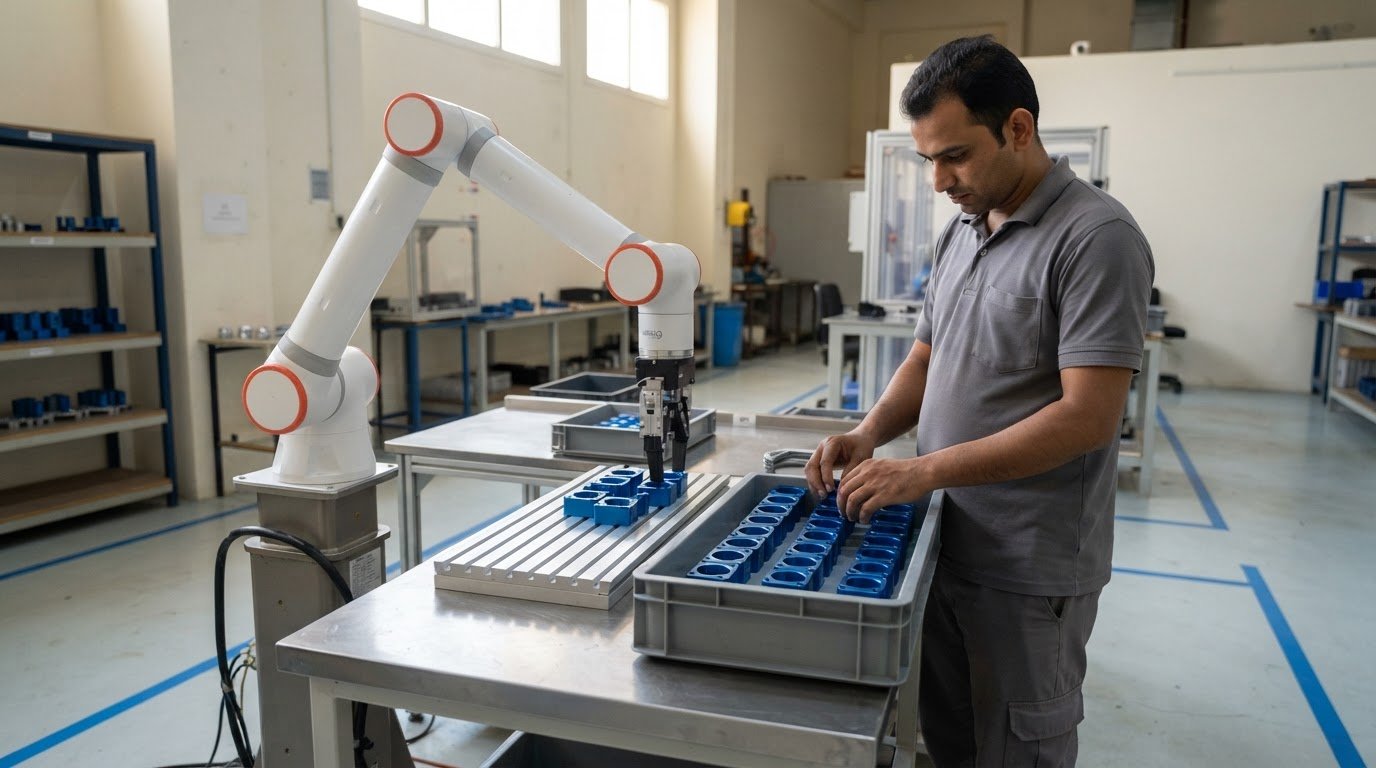
Industrial Robots in the UAE can support production tasks that require precise, repeatable movement. On an automotive line, a programmed robot can weld at defined points; in food and beverage production, automation can package products and palletize finished cases. These applications connect individual tasks to a wider flow, from component preparation to finished-goods handling.
Start choosing an application by examining the production pattern. In high-mix, low-volume manufacturing, product variation makes flexibility important. Map the work sequence, identify which steps change between product runs, and determine where robotic handling can fit. This aligns the system with actual production needs rather than forcing the process to suit the machine.
Implement the system in practical stages. First, document the task, workpiece and handoff points. Next, establish how operators and existing equipment interact with the robot. Then define the control logic and test the sequence in its operating context. A machine-tending application, for example, requires coordinated loading, unloading and machine access, not just a programmed arm movement.
Robotic systems can communicate through industrial networks such as EtherCAT or PROFINET, supporting synchronized control. Programming or PLCs can coordinate robot actions with manufacturing lines. Systems intended to reduce operational downtime in the UAE can operate 24 hours a day, seven days a week, while maintenance planning remains part of the operating model.
Industrial Robots in the UAE are also part of a broader national automation direction: the Dubai Robotics and Automation Program plans to provide 200,000 robots over the next 10 years until 2032. At facility level, assess performance through relevant production records, such as completed units, rejected parts and interruptions. Comparing these measures helps teams evaluate operational changes and identify where process adjustments are needed.
Industrial robots for sale
Buying a robot means selecting a complete solution, not just a machine. In the UAE, task requirements, integration and ongoing care all shape the decision.
Robot Costs and Ongoing Care
The price depends on the project and is provided after a quote request. Key cost factors include robot type, payload, reach, end-of-arm tooling, safety equipment, installation and integration with existing controls. A packaging cell, for example, may need different tooling and line connections from a machine-tending robot. Include maintenance, spare parts and operator training in the project plan, as these affect ownership beyond installation.
Suppliers and Integrators
For a UAE project, distinguish the robot supplier’s role from system integration. The supplier provides the equipment; integration determines how it connects with production equipment, controls and safety measures. The work depends on the application: a welding cell needs different integration from a pick-and-place station. Compare proposals against the same task, workflow and commissioning requirements to understand their scope.
Do not choose by equipment catalogue alone. Define the intended result and assess how the proposed system will achieve it. A useful proposal explains the robot’s role, required integration, installation scope and handover process. Consider how the solution will fit the facility’s layout and operating procedures. Clear responsibilities for supply and integration help coordinate the project from design through commissioning.
Selecting and Importing a Robot
Start by documenting the task, workpiece, required reach and payload, cycle sequence and available floor space. Then select a robot type and specify its tooling, controls and safety provisions. For an imported system, coordinate equipment specifications, shipment and delivery with the project plan. Treat transport timing as part of installation readiness, not as a separate purchase step.
During installation, connect the robot with the relevant machines and controls, then test its programmed sequence under operating conditions. Commissioning should confirm that the intended task runs as designed and that operators understand the workflow. If your project needs a defined automation solution, discuss your robot requirements with EdNex Automation.
EdNex Automation: Collaborative Robots (Cobots)
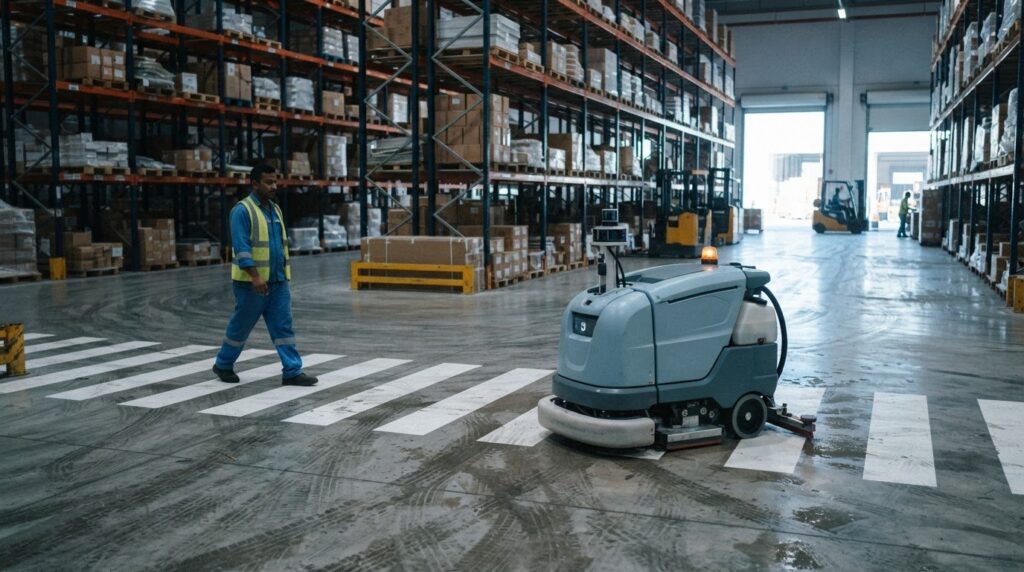
EdNex Automation supplies Collaborative Robots (Cobots) for operations seeking robotic support alongside human work. Cobots can suit shared workflows, while Autonomous Mobile Robots (AMRs) move goods between operational areas. Cleaning robots support facility upkeep, and delivery robots help with internal transport.
Begin by identifying the task creating the clearest operational need: repetitive workstation activity, goods movement, cleaning or delivery. Then consider how a robot should fit the existing workflow and where it can contribute. This task-first approach helps distinguish a cobot application from a mobile or facility robotics requirement, keeping the solution grounded in the work.
For businesses evaluating robotics in the UAE, EdNex Automation can help when a defined task calls for one of these systems. Contact EdNex Automation to discuss your automation requirements.
Make your next automation decision count
Planning for Industrial Robots in the UAE is an opportunity to build a deliberate automation roadmap, not simply add equipment. Assign ownership for the process you want to change, define what success should look like, and align operations, maintenance and engineering around shared priorities. A clear internal brief turns a broad ambition into a practical project discussion.
EdNex Automation supplies Collaborative Robots (Cobots), Autonomous Mobile Robots (AMRs) and cleaning robots. Each addresses different operational needs. Frame your next step around the task, work environment and how the system should fit existing routines. This focus makes the discussion more productive and keeps planning grounded in your facility’s requirements.
Bring your operational priorities into a conversation with EdNex Automation and explore a suitable direction for your project. Contact EdNex Automation to discuss your automation plans and move forward with clarity.
Frequently Asked Questions
Which industries in the UAE are adopting industrial robots?
Robotics applications in the UAE include manufacturing, logistics and warehousing, healthcare, consumer services and tourism, and work in extreme environments. A distribution centre, for example, can automate goods movement between receiving, storage and dispatch, while a hospital may automate internal logistics or diagnostic workflows. The Dubai Robotics and Automation Program identifies these sectors as focus areas, but applications vary by facility.
What are the benefits and risks of industrial robot adoption for UAE businesses?
Robots can support repeatable execution and consistent handling, and reduce exposure to demanding tasks. However, integration gaps can disrupt production or create safety concerns around people. Maintenance needs and reliance on programmed workflows also require planning. Before deployment, map the task, decide how operators should respond to interruptions, and prepare staff to use or maintain the system. These steps help manage operational risks and align automation with business priorities.
How many industrial robots are installed in the UAE, and what are the latest adoption trends?
The Dubai Robotics and Automation Program plans to provide 200,000 robots over the next 10 years until 2032. The Dubai Robotics and Automation Program focuses research and development on production and manufacturing, consumer services and tourism, connected mobility and logistics, extreme environments, and healthcare.