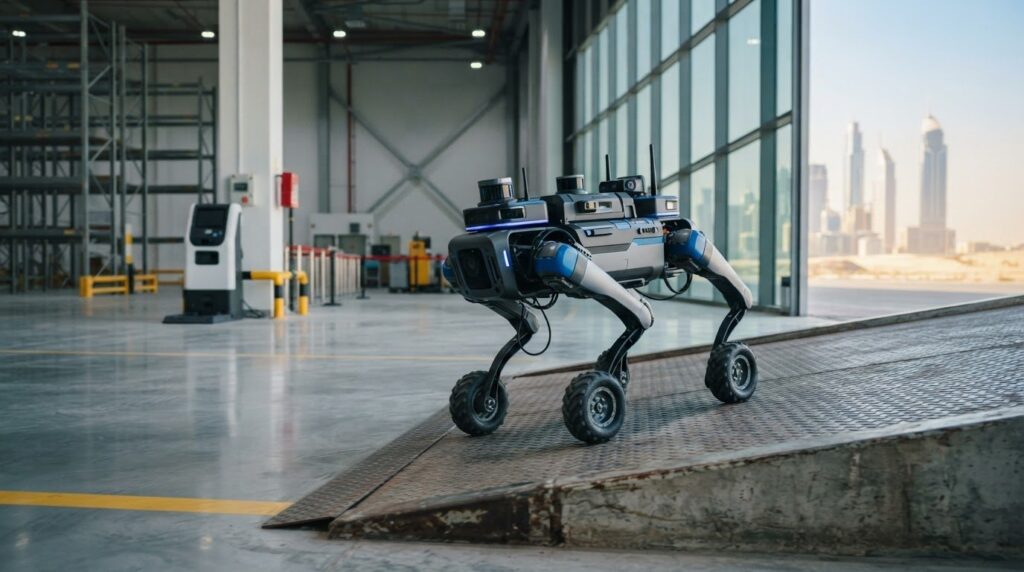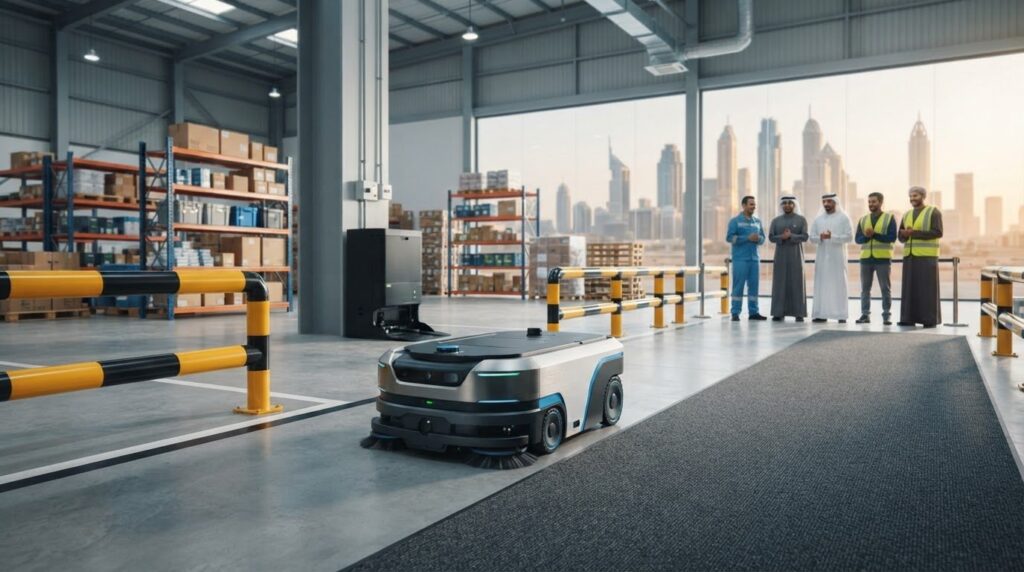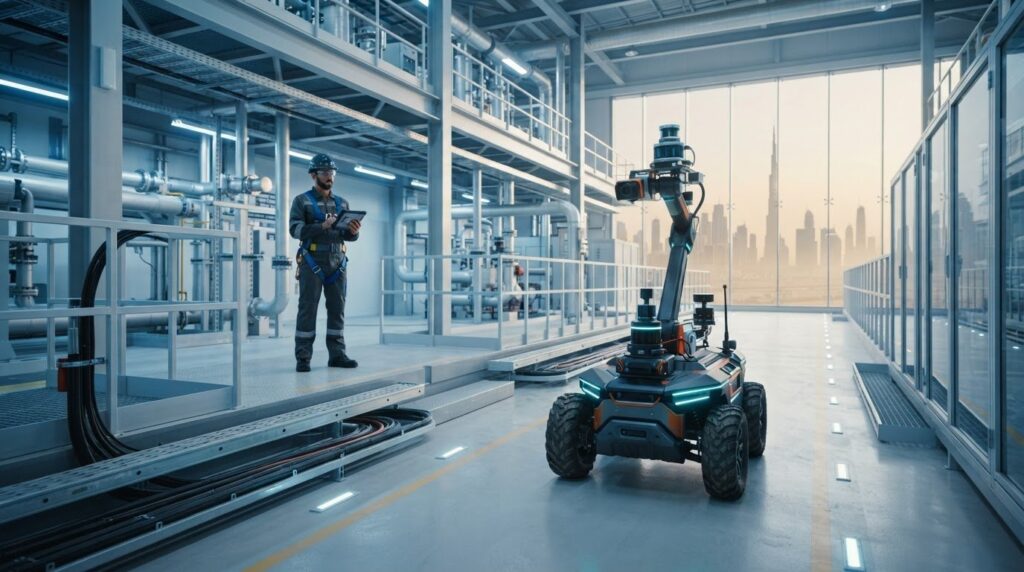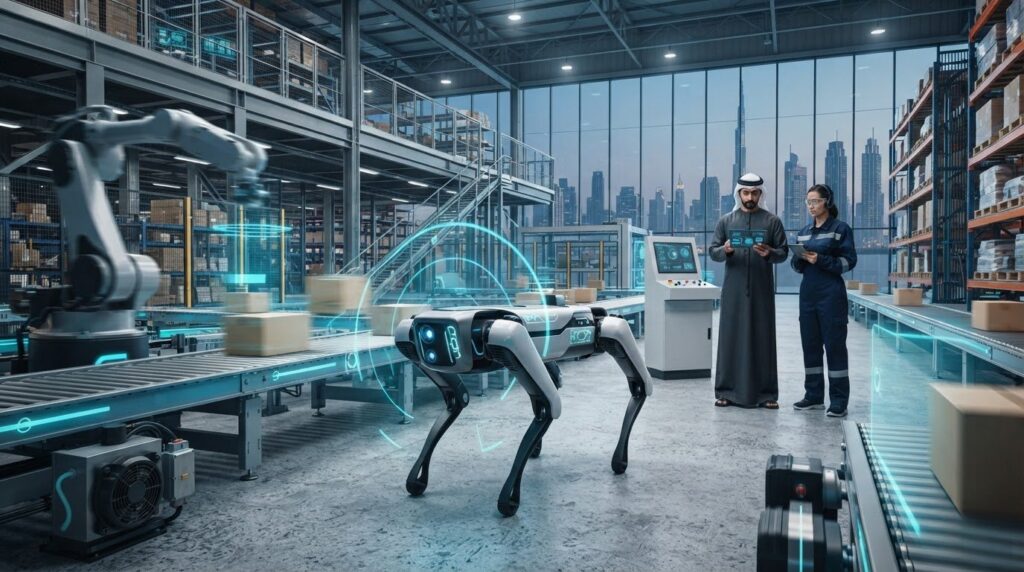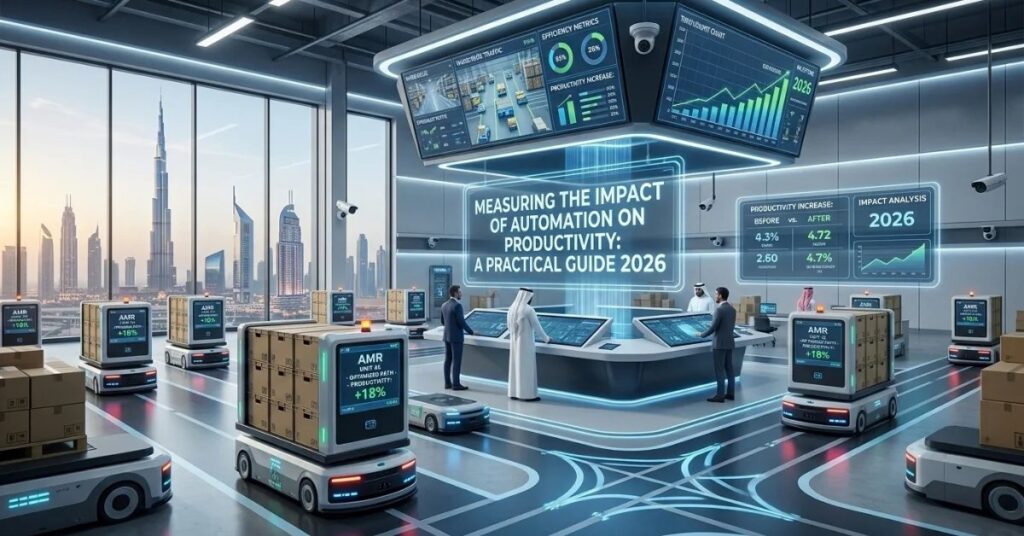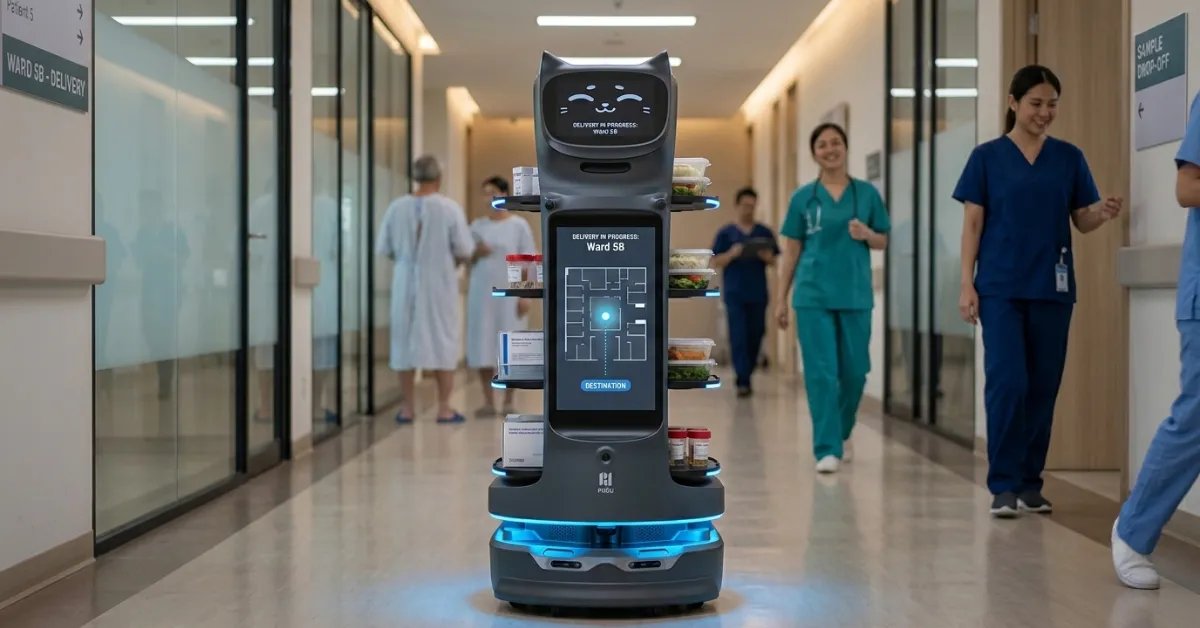
Can a healthcare facility truly claim modern excellence while its most critical medications and specimens remain subject to the delays and risks of manual transport? As the Emirates accelerates toward the goals of its national robotics and automation initiatives to deploy 200,000 robots by 2032, the gap between traditional logistics and autonomous efficiency is widening. Leveraging the same precision and efficiency seen in delivery robots for warehouses across the UAE, these clinical variants are now becoming the essential infrastructure for the nation’s leading medical institutions.
You’re likely managing the dual pressures of rising operational overhead and the high turnover associated with non-clinical transport roles. We recognize that these logistical bottlenecks don’t just increase costs; they actively threaten patient safety and clinical throughput by pulling staff away from direct care. This strategic guide from EdNex Automation provides a comprehensive framework for deploying autonomous delivery robots to eliminate human error in specimen transport and modernize your facility’s operational image. We’ll explore the technical landscape of 2026, focusing on how these intelligent systems align with the UAE National Strategy for Artificial Intelligence 2031 to deliver measurable improvements in hospital logistics.
Key Takeaways
- Understand the technological evolution of healthcare logistics from manual transport to intelligent AMRs equipped with LiDAR and 3D sensor fusion for navigating high-traffic clinical corridors.
- Discover how the precision-engineered navigation protocols developed for delivery robots for warehouses UAE are being recalibrated for sterile hospital environments to ensure seamless 360-degree obstacle avoidance.
- Learn to secure the chain-of-custody for critical medications and laboratory specimens through biometric authentication and vibration-resistant transport modules.
- Evaluate the long-term economic viability of automation by conducting a logistics audit to calculate Total Cost of Ownership (TCO) against the rising overhead of manual labor.
- Align your facility’s modernization roadmap with national innovation goals by integrating future-proof automation solutions that enhance clinical throughput and patient safety.
The Transformation of Healthcare Logistics via Autonomous Delivery Robots
Modern healthcare facilities are no longer just places of healing; they’re complex logistical hubs that require the same level of precision found in the most advanced industrial sectors. The shift from manual cart-pushing to intelligent, self-navigating systems marks a critical evolution in how hospitals manage their internal flow. These specialized autonomous mobile robots (AMRs) represent a fundamental departure from old-fashioned, track-based systems. They utilize sophisticated sensor suites to operate safely alongside medical staff and patients in high-traffic environments. While the adoption of delivery robots for warehouses UAE has proven the reliability of this technology in commercial logistics, clinical environments demand an even higher standard of sterile operation and dynamic obstacle avoidance.
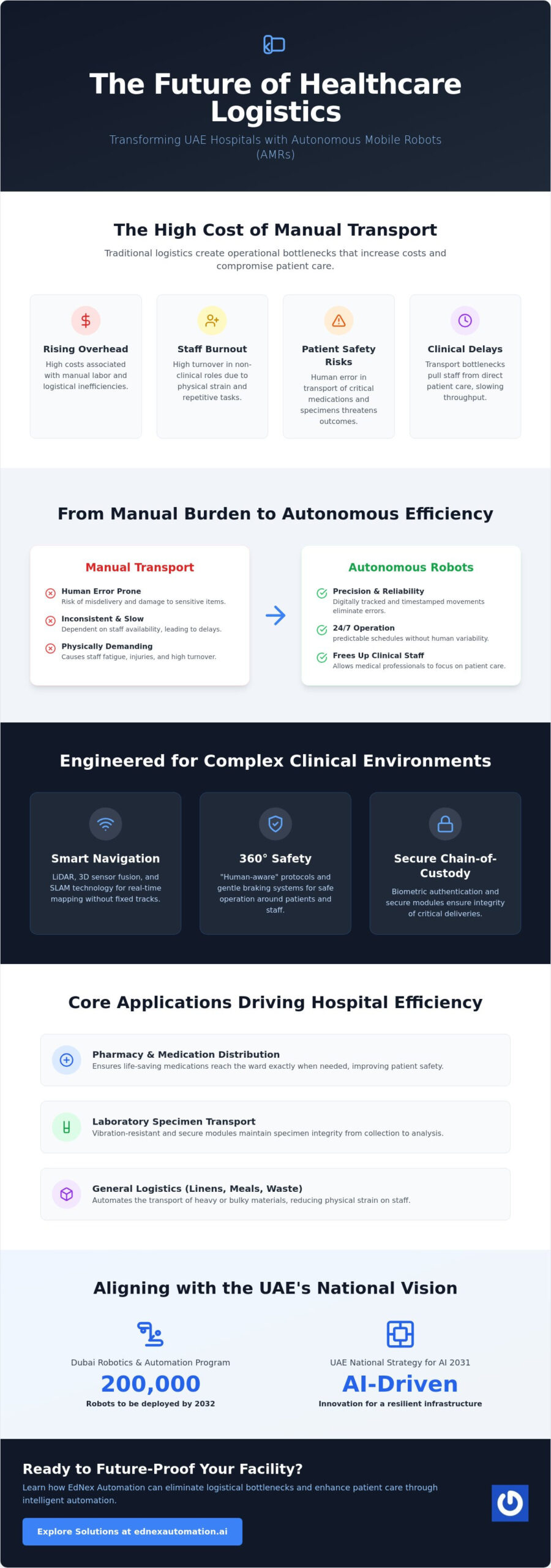
Positioning robotic logistics as a key pillar of the UAE’s national vision is a strategic necessity for any facility wishing to remain competitive. The Dubai Robotics & Automation Program, which aims to deploy 200,000 robots by 2032, provides the regulatory and economic framework for this transformation. By offloading non-value-added tasks to autonomous systems, hospitals create a clinician-first environment where medical professionals aren’t burdened by the physical demands of material transport. This transition isn’t just about replacing a manual process; it’s about engineering a more resilient healthcare infrastructure that aligns with the UAE National Strategy for Artificial Intelligence 2031.
Addressing the Regional Healthcare Labor Challenge
The healthcare support sector in the Emirates faces persistent labor shortages and high turnover in non-clinical roles. Integrating delivery robots for warehouses UAE technology into hospital corridors directly mitigates these challenges by automating the transport of heavy linens, meals, and waste. This reduces the physical strain on support staff, significantly lowering the risk of burnout and workplace injuries. By automating routine transport, robotic logistics systems reclaim thousands of clinical hours annually, allowing nurses and specialists to focus exclusively on patient intervention. Just as hospitals optimize their workforce through automation, educational leaders can visit Focused EDU Staffing Group to find specialized staffing solutions for K-12 environments.
Strategic Importance of Internal Supply Chain Optimization
Internal logistics efficiency is a primary driver of patient discharge times and overall facility throughput. When medication delivery and specimen transport are handled by autonomous systems, the pharmacy and laboratory can operate on predictable, 24/7 schedules without the variability of human availability. This consistency eliminates the “lost item” rate common in manual hospital inventory systems, as every robotic movement is digitally tracked and timestamped. Optimized internal supply chains ensure that life-saving medications reach the ward exactly when needed, directly enhancing patient safety outcomes.
Engineering Safety and Precision: How Hospital AMRs Navigate Complex Corridors
Achieving surgical precision in movement requires a sophisticated fusion of LiDAR and 3D camera sensors to provide 360-degree obstacle detection. Unlike traditional delivery robots for warehouses UAE that navigate predictable industrial aisles, hospital AMRs must contend with the chaotic nature of emergency wards and patient corridors. Utilizing Simultaneous Localization and Mapping (SLAM), these machines build and update internal maps in real-time without the need for fixed magnetic tracks or wires. This flexibility is what enables core applications in healthcare to scale from simple meal runs to time-critical medication transport.
Patient safety remains the paramount design priority. Engineered for high-stakes environments, these systems utilize “human-aware” navigation protocols to detect and respect the personal space of patients. Gentle braking systems prevent sudden stops that could disturb sensitive cargo or startle those in the corridor. Beyond physical safety, these units are hardened against digital threats. Because they operate on the facility’s secure Wi-Fi, they feature enterprise-grade encryption to ensure that internal logistics remain shielded from external interference.
Multi-Sensor Fusion and Real-Time Path Planning
Advanced vision systems allow these robots to distinguish between static furniture and moving medical equipment. When a corridor is blocked during a medical emergency, the robot’s intelligence triggers an immediate re-routing sequence. This ensures that hospital-grade AMRs provide the same level of reliability seen in delivery robots for warehouses UAE while adapting to the unique hazards of a clinical setting. AI-driven path planning minimizes delivery times in multi-wing facilities by calculating the most efficient route through complex hospital architecture.
Integration with Hospital Infrastructure: Lifts and Doors
True autonomy requires the ability to navigate between floors and through restricted zones without human intervention. This is achieved through specialized PLC and SCADA integration services, which allow the robot to communicate directly with smart elevators and automatic door controllers. Such high-level synchronization ensures a seamless transition between sterile zones and public areas, maintaining the integrity of the hospital’s internal supply chain. To explore how these integrations can be customized for your facility, consider the technical expertise available at ednexautomation.ai.
Core Applications: From Pharmacy Distribution to Biohazard Transport
Deploying autonomous systems within the clinical environment requires a precise understanding of the diverse material flows that sustain patient care. While the core technology mirrors the robust architecture of delivery robots for warehouses UAE, hospital-specific applications prioritize sterile integrity and stringent chain-of-custody protocols. These systems are no longer just for simple meal delivery; they’ve become the backbone of pharmacy, laboratory, and surgical logistics. By automating the movement of high-value medications and sensitive biohazards, facilities ensure that critical resources are always exactly where they need to be.
Automated Pharmacy and Medication Delivery
Ensuring the secure transport of narcotics and high-cost drugs is a primary challenge for modern hospital pharmacies. Utilizing biometric authentication and RFID-enabled compartments, these robots provide a tamper-proof delivery mechanism that maintains a digital audit trail for every milligram moved. Integrating these units with hospital pharmacy management software allows for automated dispatch, supporting Just-in-Time delivery to nursing stations. This systematic approach eliminates the risk of medication errors and unauthorized access, transforming a historically vulnerable manual process into a hardened, trackable workflow that protects both patients and practitioners.
Laboratory Sample and Specimen Logistics
The integrity of a diagnostic result often depends on the stability of the transport process. Laboratory specimens, such as blood samples and biopsies, require a vibration-controlled environment and strict temperature maintenance to prevent pre-analytical errors. As highlighted in a real-world healthcare robotics case study, the speed and consistency of autonomous delivery significantly reduce the turnaround time for critical results. By removing the delays associated with manual transport, laboratories can process samples faster, leading to quicker clinical interventions and improved patient outcomes across the facility.
Maintaining the sterile chain between the Central Sterile Services Department (CSSD) and operating theaters is another area where autonomous systems provide a significant advantage. Moving surgical kits through public corridors without human contamination minimizes the risk of hospital-acquired infections, ensuring that every surgical intervention is supported by verified, sterile equipment. These robots also play a vital role in hazardous waste and linen management by reducing direct staff exposure to biohazards and the physical burden of heavy lifting. Adopting these multi-functional systems, which share the industrial-grade reliability of delivery robots for warehouses UAE, allows hospital administrators to optimize labor allocation while upholding the highest standards of safety and hygiene.
Strategic Implementation: Assessing ROI and Operational Readiness
Transitioning from a technical overview to a strategic deployment requires a rigorous evaluation of existing logistical workflows. Conducting a comprehensive logistics audit allows facility managers to identify high-traffic, low-value manual routes that are ripe for automation. While the underlying hardware may resemble the robust systems used as delivery robots for warehouses UAE, the success of a hospital deployment hinges on its integration into a 24/7 clinical environment. Developing a phased rollout strategy ensures that each department adapts to the new system without disrupting patient care, allowing for the gradual optimization of the entire facility-wide supply chain.
Measuring the success of these deployments requires the establishment of clear key performance indicators (KPIs). Managers should focus on metrics such as delivery mission success rates, average mission completion times, and the reduction in “lost item” reports within the pharmacy and laboratory sectors. By tracking these data points, healthcare leaders can verify that their robotic fleet is delivering the promised results in operational overhead reduction and patient safety enhancement. This data-driven approach positions the hospital as a systematic organizer of innovation, aligning with the UAE National Strategy for Artificial Intelligence 2031.
Calculating the Financial and Clinical Impact
Projecting ROI over a three to five year horizon necessitates a shift from viewing automation as an expense to seeing it as essential infrastructure. Beyond direct labor savings, administrators must factor in the financial benefits of reduced medication errors and accelerated bed turnover rates. Automating repetitive transport tasks elevates workplace morale by liberating clinical staff from the physical and mental fatigue of menial labor. To further support staff well-being and cognitive performance, Neurobics provides professional neurofeedback training that helps individuals regulate their brain activity for improved focus. These clinical gains, combined with the mitigation of staff turnover costs, ensure that the transition to autonomous logistics remains a necessary evolution for competitive healthcare facilities. Leveraging the same efficiency standards as delivery robots for warehouses UAE ensures that the investment remains viable in the long term.
Preparing Your Facility for Robotic Integration
Achieving a seamless rollout depends heavily on the underlying technical infrastructure of the hospital. Evaluating Wi-Fi coverage and network latency in high-shielding areas like radiology or surgical suites is critical for maintaining real-time communication with the fleet. Establishing charging station nests requires careful planning to ensure they don’t obstruct fire exit paths or clinical workflows. Positioning these robots as colleagues through proactive staff training and change management ensures high adoption rates and long-term operational harmony. To begin your facility’s transformation with a bespoke automation roadmap, consult the experts at ednexautomation.ai.
Future-Proofing National Healthcare with EdNex Automation Solutions
Establishing a future-proof healthcare infrastructure requires more than just acquiring hardware; it demands a partnership with an integrator that understands the gravity of large-scale industrial transformation. By leveraging autonomous mobile robots, EdNex Automation enables UAE hospitals to bridge the gap between current logistical challenges and the ambitious goals of the Dubai Robotics & Automation Program. While the foundational technology shares similarities with delivery robots for warehouses UAE, our approach focuses on the bespoke requirements of sterile, high-stakes clinical environments. We act as a systematic organizer, ensuring that every deployment enhances safety, reliability, and clinical throughput across your facility.
EdNex Automation serves as a visionary leader for Industry 4.0 in the Emirates, providing the intellectual framework necessary for successful implementation. Our end-to-end support model begins with a rigorous initial site survey to map complex hospital layouts and concludes with seamless PLC and SCADA integration. This ensures that your robotic fleet isn’t an isolated tool but a synchronized component of your facility’s digital nervous system. We provide the technical expertise to scale from a single pilot unit to a fully synchronized national fleet, maintaining official certifications and global standards throughout the process.
Bespoke Integration and Technical Support
Customizing robotic payloads is essential for meeting the distinct needs of various hospital departments. Whether it involves secure, biometric-locked compartments for pharmacy distribution or high-capacity modules for biohazard waste, we tailor the solution to your specific workflow. Working with a regional partner ensures that your automation strategy remains aligned with UAE-specific healthcare regulations and national innovation standards. We prioritize long-term business viability through proactive hardware maintenance and regular firmware updates, ensuring your systems remain at the cutting edge of technological progress. This localized expertise ensures that the reliability seen in delivery robots for warehouses UAE is translated perfectly into the medical sector.
Scaling Automation Across National Healthcare Networks
Scaling automation across a national network requires centralized fleet management software to enable cross-facility performance benchmarking. This high-level visibility allows administrators to optimize resource allocation and identify efficiency gains across multiple institutions simultaneously. Looking ahead, the integration of humanoid robots will likely redefine patient-facing roles, providing visitor guidance and non-clinical assistance to further reduce staff burden. This evolution is not a distant possibility but a planned progression for organizations wishing to remain competitive in an increasingly automated world. To begin this journey, consult with our automation experts to modernize your facility logistics and secure your place at the forefront of medical innovation.
Securing the Future of Clinical Logistics
Integrating autonomous systems into the clinical environment isn’t just a technological upgrade; it’s a fundamental requirement for facilities aiming to meet the UAE’s 2032 automation targets. By transitioning from manual transport to intelligent AMRs, medical institutions eliminate the logistical bottlenecks that compromise patient care and inflate operational overhead. These systems, which share the robust engineering principles of delivery robots for warehouses UAE, provide a reliable framework for the secure, vibration-controlled movement of medications and specimens across complex hospital wings.
EdNex Automation stands ready as your technical partner, offering comprehensive start-to-finish technical integration services backed by official alliances with global robotics pioneers. Our expertise in PLC and SCADA integration ensures that your robotic fleet achieves seamless facility mobility, including lift and door synchronization, without disrupting existing workflows. To begin your transition toward a more resilient and efficient healthcare infrastructure, consult with our automation experts to modernize your facility logistics. Embracing this technological shift today secures your organization’s competitive standing in the future of national healthcare.
Frequently Asked Questions
Are autonomous delivery robots safe to use in crowded hospital hallways?
Safety is ensured through the integration of LiDAR and 3D camera sensor fusion, providing 360-degree obstacle detection and avoidance. These human-aware systems distinguish between static furniture and moving patients, adjusting their speed or path in real-time. Much like the precision required for delivery robots for warehouses UAE, hospital-specific units utilize gentle braking systems to ensure they don’t startle visitors or disturb sensitive cargo during transport.
How do delivery robots navigate between different floors of a hospital?
Navigation between floors is achieved through specialized PLC and SCADA integration services that allow the robot to communicate directly with smart elevator controllers. These systems request the lift, select the destination floor, and wait for the doors to open without human intervention. This facility-wide mobility ensures that sterile supplies and medications move seamlessly between different departments and levels while maintaining full autonomy throughout the mission.
What is the typical payload capacity for a hospital delivery robot?
Payload capacities are engineered to meet specific departmental needs, typically ranging from 40kg for medication delivery to 100kg for heavy linen and waste management. Specialized models, such as those used for meal delivery or sterile supply transport, feature customizable compartments to maximize volume without compromising stability. This flexibility allows healthcare facilities to deploy a fleet that mirrors the high-capacity performance of delivery robots for warehouses UAE while adhering to clinical space constraints.
Can these robots be used to transport hazardous or biohazardous materials?
These robots are ideally suited for transporting hazardous or biohazardous materials, including laboratory specimens and medical waste, within sealed and secure compartments. Automating these routes minimizes direct staff exposure to infectious agents and reduces the physical burden of moving heavy biohazard bins. By utilizing non-porous materials and antimicrobial coatings, these units maintain the highest hygiene standards while ensuring the safe, trackable movement of sensitive biological materials.
How long does the battery last, and do they charge themselves?
Most hospital AMRs provide eight to twelve hours of continuous operation on a single charge, depending on the mission frequency and payload weight. These systems feature autonomous charging capabilities, where the robot monitors its own power levels and returns to a designated charging nest when necessary. This ensures 24/7 availability for critical pharmacy and laboratory deliveries, eliminating the downtime associated with manual battery management or human supervision.
Do autonomous robots require significant changes to existing hospital infrastructure?
Implementing autonomous robots requires minimal physical modifications, as they use SLAM technology to navigate without fixed tracks or wires. The primary infrastructure requirements involve ensuring enterprise-grade Wi-Fi coverage for fleet communication and integrating smart controllers for automatic doors and elevators. This non-invasive approach allows for the rapid deployment of systems that provide the same logistical advantages as delivery robots for warehouses UAE with negligible disruption to existing facility architecture.
How is the security of medications ensured during robotic transport?
Medication security is maintained through a combination of biometric authentication, RFID-enabled locked compartments, and comprehensive digital audit trails. Only authorized personnel can access the payload at the pickup and delivery points, ensuring a strict chain-of-custody for narcotics and high-value drugs. These secure protocols eliminate the risk of medication errors or unauthorized access, providing a hardened logistical workflow that far exceeds the security of traditional manual transport methods.
What happens if a robot encounters an emergency, such as a fire alarm or a code blue?
In the event of a fire alarm or code blue, the robotic fleet is programmed to respond immediately by pulling over to the side of the corridor to clear the path for emergency responders. Integration with the hospital’s building management system allows these units to receive real-time alerts and enter a safe mode or return to base. This ensures that autonomous operations never impede life-saving interventions, maintaining a synchronized and safe environment during critical facility-wide emergencies.