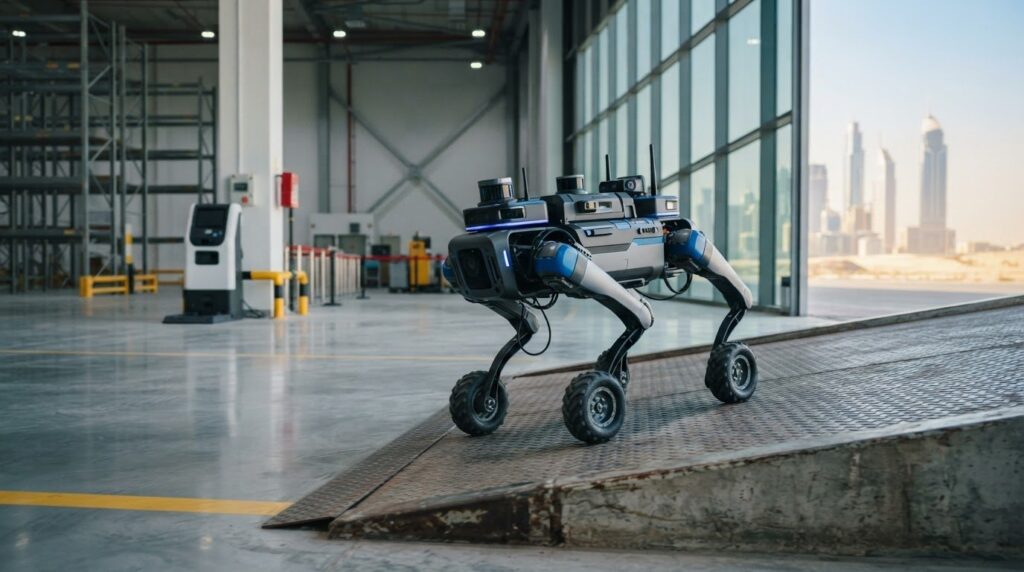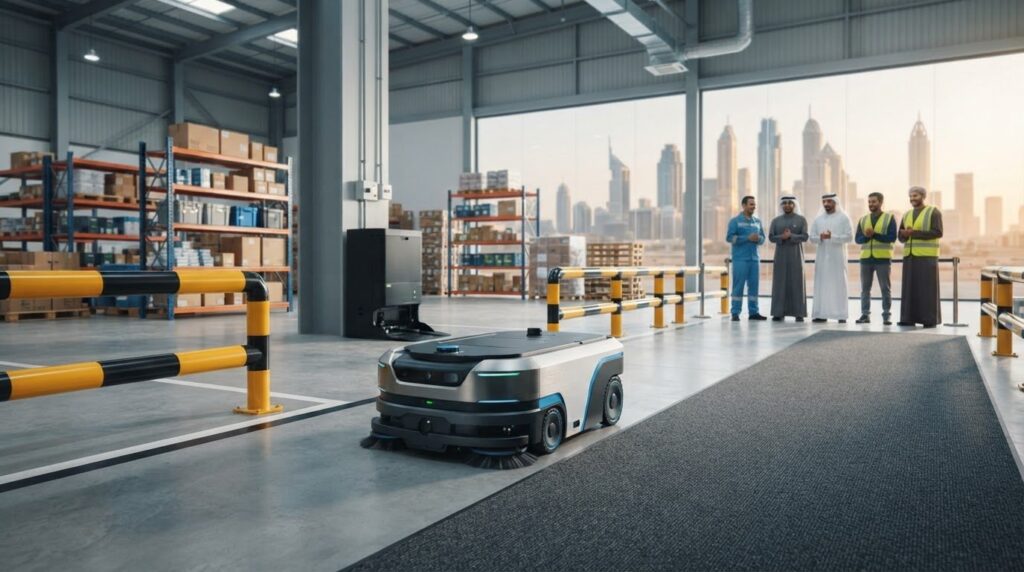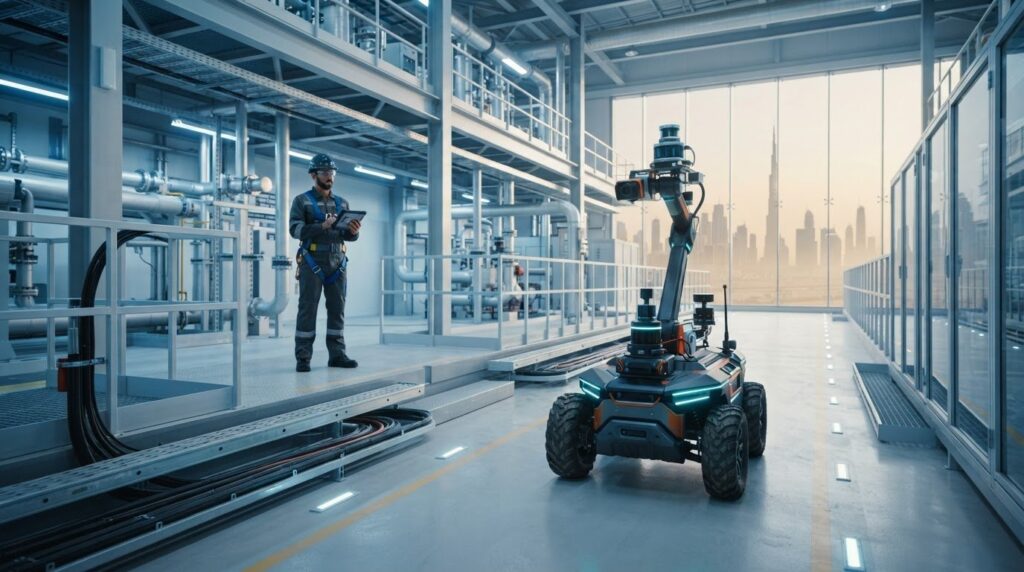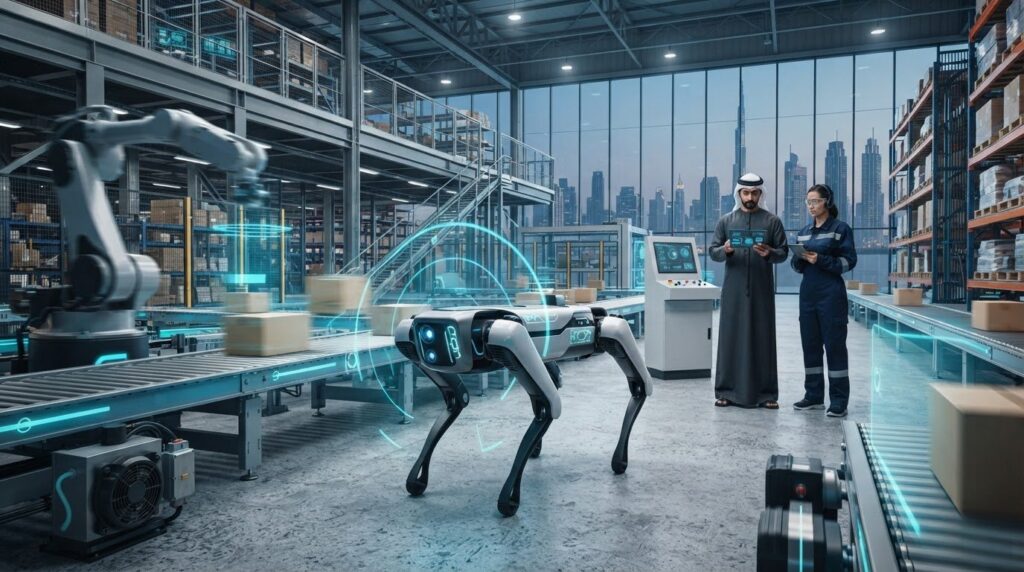
In the competitive landscape of 2026, a retail mall’s prestige is no longer measured solely by its architectural grandeur, but by the invisible intelligence of its maintenance infrastructure. Maintaining pristine conditions across expansive luxury spaces while managing the 5% VAT and rising labor costs of a 24/7 workforce is a complex challenge you likely face every day. This guide explores how deploying autonomous cleaning robots for retail malls UAE transforms these operational burdens into data-driven assets that elevate your brand’s technological leadership. Leveraging advanced sensory arrays, these integrated fleets provide real-time performance tracking that manual labor simply cannot replicate. We’ll examine the strategic integration of MoIAT-certified systems with existing SCADA frameworks to ensure your facility aligns with the UAE National AI Strategy 2031. By transitioning to a connected automation fabric, you’ll discover how to reduce overhead costs while maintaining the world-class standards expected in the Emirates’ premier retail destinations.
Key Takeaways
- Transitioning from experimental robotics to high-utility operational assets allows UAE retailers to secure long-term business viability through systematic automation.
- Implementing autonomous cleaning robots for retail malls UAE ensures consistent hygiene standards in high-traffic zones while significantly reducing operational overhead.
- Integrating storefront service robots with back-end ASRS and PLC systems creates a unified control architecture for seamless facility management.
- Adhering to MoIAT certification standards and the National AI Strategy 2031 positions your organization as a leader in regional digital transformation.
- Executing a phased implementation strategy, starting with a comprehensive workflow audit, guarantees that chosen robotic platforms meet the specific environmental demands of luxury retail spaces.
The Evolution of Service Robots for Retail in the UAE
Positioning service robots as central pillars of the modern commercial context requires looking past basic mechanical automation toward fully integrated, autonomous systems that optimize both customer interaction and facility management. In 2026, the UAE retail sector has moved decisively past the era of experimental novelty, where robots were often deployed as mere marketing attractions. Today, these systems function as high-utility operational assets, fundamentally reshaping how mall operators maintain hygiene and service standards across expansive luxury environments. This shift is driven by a need for precision that manual labor alone can’t provide.
Strategic economic drivers, including the UAE National AI Strategy 2031 and the increasing costs of 24/7 hygiene maintenance, make automation a necessity for retail leaders. By adopting autonomous cleaning robots for retail malls UAE, operators mitigate the risks associated with labor fluctuations and ensure consistent cleanliness in high-traffic zones. Empowered by advanced machine learning, these robots process environmental data in real-time, allowing them to function with true autonomy in complex layouts while navigating around shoppers without human intervention. They don’t just perform tasks; they provide the intellectual framework for a smarter facility.
Beyond the Gimmick: Realizing Utility in 2026
Utilizing sophisticated LiDAR and ultrasonic sensors, current robotic platforms navigate high-traffic malls safely, maintaining a fluid presence amidst thousands of shoppers. This transition from simple telepresence to proactive, data-driven assistance represents a major leap in operational maturity. Because the UAE prioritizes national initiatives for digital transformation, the region is uniquely positioned to lead the global retail robotics market through controlled innovation. These systems provide a measurable ROI by ensuring that every square meter of a facility remains pristine without the variability of manual cleaning schedules.
Key Categories of Retail Automation
Successful mall ecosystems in 2026 deploy a tiered robotic hierarchy to manage different operational needs. Customer-facing humanoid robots for sale UAE serve as concierge points, offering multilingual support and navigation services to international visitors. Meanwhile, Autonomous Mobile Robots (AMRs) handle backend logistics and in-store delivery, streamlining tenant operations. Finally, integrated fleets of autonomous cleaning robots manage large-scale commercial floor maintenance and air purification. These systems work in concert to ensure the facility operates at peak efficiency while upholding the prestige associated with the Emirates’ retail sector.
Core Robotic Technologies Driving UAE Retail Success
Achieving operational excellence in 2026 requires a multi-layered approach to robotic deployment, where each system serves a distinct technical purpose within the mall ecosystem. Driven by significant robotics market growth in the UAE, retailers are increasingly investing in specialized platforms that bridge the gap between high-level customer service and intensive facility maintenance. These technologies don’t just replace manual tasks; they provide a comprehensive data layer that informs every management decision. Utilizing a synchronized fleet ensures that hygiene standards remain impeccable while customer interactions remain personalized and prestigious.
Humanoid Assistants and Concierge Systems
Luxury retail environments benefit immensely from humanoid robots for sale UAE, which offer a sophisticated solution for multilingual customer engagement. These systems provide personalized greetings and navigation support in dozens of languages, catering to the UAE’s diverse demographic. Beyond interaction, they function as mobile sensor nodes, tracking customer sentiment and traffic patterns to feed real-time retail analytics. Linking these robots directly to CRM systems ensures a unified experience where the machine recognizes VIP shoppers and anticipates their specific needs based on historical purchase data.
Autonomous Cleaning and Hygiene AMRs
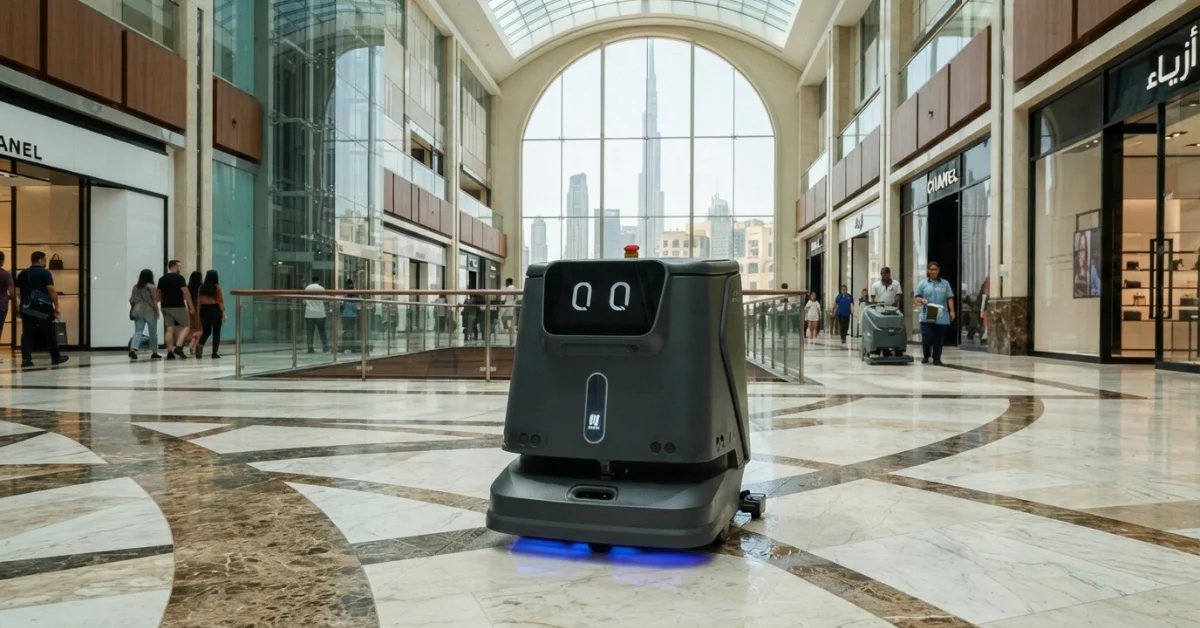
The deployment of autonomous cleaning robots for retail malls UAE ensures a constant state of cleanliness in high-traffic corridors. These high-capacity scrubbers operate 24/7, utilizing precision sensors to navigate around shoppers while delivering a consistent level of hygiene that exceeds manual standards. By adopting autonomous cleaning robots, mall operators significantly reduce water consumption and chemical waste through exact dosage controls. This shift allows human staff to transition from repetitive floor maintenance to high-value facility management roles, overseeing the fleet rather than performing manual labor.
Extending these capabilities to the “last meter” of logistics, delivery robots streamline the movement of goods from tenant storage to storefronts, reducing the need for heavy carts in public spaces. For the prestigious exterior environments common in UAE retail hubs, outdoor cleaning robots ensure that entryways and plazas remain free of debris, maintaining the brand’s image before a shopper even enters the building. These autonomous platforms handle the harsh regional climate with ease, performing consistently during high-heat periods when manual labor schedules are restricted. Those seeking to optimize their facility can consult with an automation expert to design a bespoke fleet configuration. This holistic technological fabric ensures that every facet of mall operations reflects a commitment to innovation and excellence.
Bridging the Gap: Integrating Storefront and Supply Chain
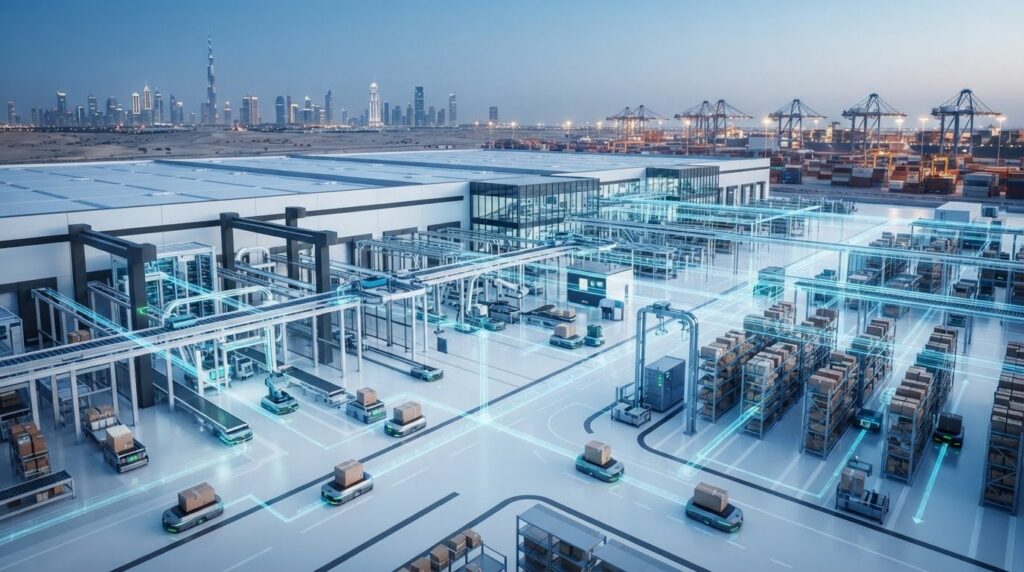
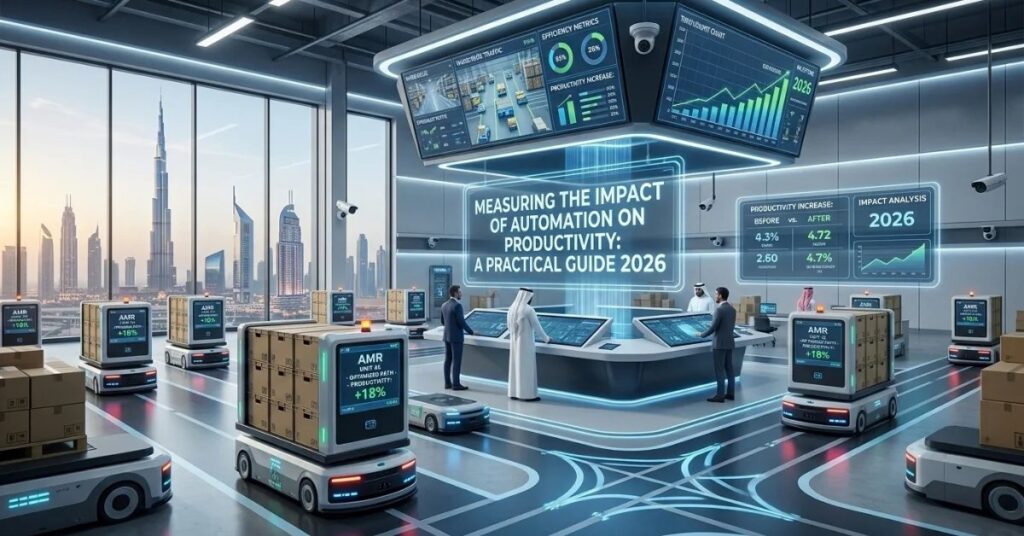
Establishing a truly modernized retail environment requires moving beyond isolated robotic applications toward a unified Industry 4.0 ecosystem. By linking customer-facing systems with backend automated storage and retrieval systems, mall operators create a seamless operational flow that ensures traditional bottlenecks don’t persist. This synergy ensures that while front-of-house assets manage the shopper experience, the supply chain remains responsive and automated. Central to this evolution are PLC and SCADA integration services, which synthesize disparate data streams into a single pane of glass for facility managers. Utilizing these sophisticated control layers allows for the real-time monitoring of autonomous cleaning robots for retail malls UAE alongside inventory AMRs, ensuring that hygiene performance and logistics efficiency are tracked through a centralized dashboard. This data flow provides the intellectual framework necessary for making informed decisions regarding resource allocation and site-specific hygiene protocols.
Connected Infrastructure: The Role of SCADA
Visualizing the performance of a diverse robot fleet across multiple national retail locations in real-time provides managers with unprecedented oversight. Incorporating SCADA systems enables predictive maintenance protocols, which identify potential mechanical failures before they occur. This ensures 24/7 uptime for mission-critical cleaning robots, a necessity in the UAE’s high-traffic commercial hubs where cleanliness standards are non-negotiable. Maintaining high-level cybersecurity remains paramount as these networks expand, requiring robust industrial-grade protocols to protect sensitive operational data from external threats. By centralizing control through a unified architecture, retailers reduce system downtime and significantly lower long-term maintenance costs. It’s a systematic approach to reliability that bridges global technological breakthroughs with regional industrial needs.
Creating a Frictionless Inventory and Hygiene Loop
Deploying autonomous mobile robots establishes a physical link between the shop floor and the automated warehouse, facilitating rapid restock and delivery. This infrastructure supports the “Dark Store” concept, where robots efficiently fulfill online orders directly from retail locations to meet the UAE’s growing e-commerce demands. Achieving operational excellence involves more than just purchasing hardware; it requires an end-to-end automation strategy that treats hygiene and logistics as interconnected functions. Integrating these systems transforms the mall from a static space into a dynamic, responsive entity that adapts to footfall and inventory shifts. This holistic approach ensures that every node in the automation fabric contributes to the facility’s long-term business viability, positioning the brand as a forward-thinking expert in the regional market.
Strategic Implementation: A Framework for UAE Retailers
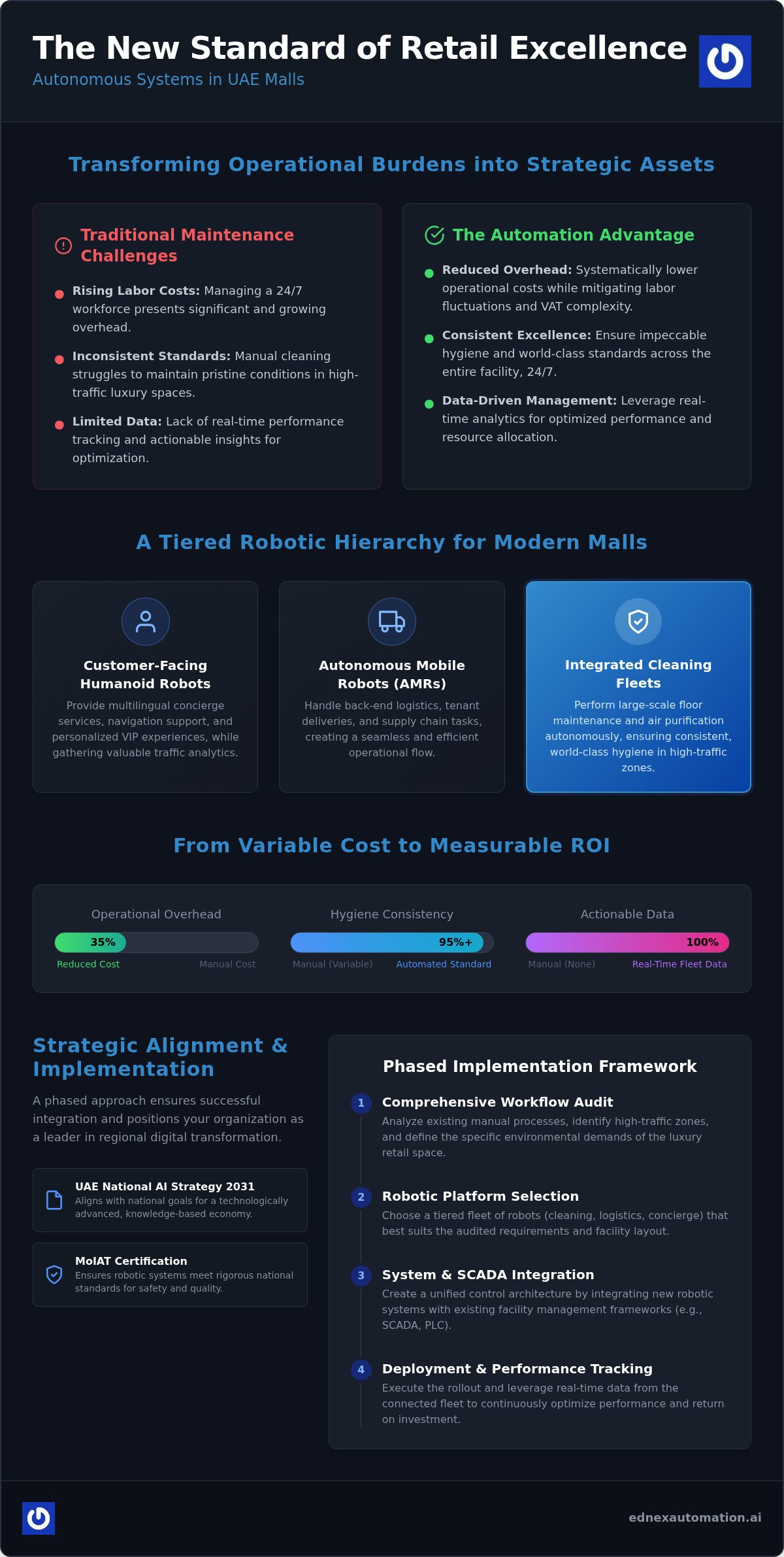
Executing a successful transition to automated facility management requires a methodical five-phase framework designed to ensure long-term business viability. Beginning with a comprehensive audit of manual workflows, operators must identify specific hygiene pain points that disrupt the shopper experience or inflate operational costs. Selecting hardware based on environmental demands, traffic density, and specific floor materials like high-polish marble or textured tile ensures the longevity of the equipment. Technical integration with existing ERP and facility management software follows, creating a unified data stream that informs high-level management decisions. Implementing specialized staff training programs fosters effective human-robot collaboration, while establishing a national maintenance schedule guarantees consistent uptime for units across diverse geographical locations. This systematic approach transforms a simple equipment acquisition into a robust operational strategy.
Calculating ROI in Retail Automation
Navigating National Safety and Compliance
Adhering to UAE-specific standards for autonomous systems operating in public spaces is a non-negotiable component of any deployment strategy. Ensuring high-level safety protocols for human-robot interaction in crowded mall environments mitigates risk and protects the brand’s prestige. Obtaining official MoIAT certification and ensuring ECAS compliance serves as a marker of legitimacy, building public trust in the safety of these autonomous cleaning solutions. Because the regulatory environment in the Emirates is rigorous, aligning with national initiatives like the UAE National AI Strategy 2031 is essential for remaining competitive. For organizations seeking to modernize their infrastructure with certified technology, you can consult with an automation integration expert to develop a tailored implementation roadmap. This structured path to adoption ensures that every node in your automation fabric contributes to a safer, more efficient retail environment.
EdNex Automation: Architecting the Future of Retail
EdNex Automation acts as the essential architect for retailers ready to transcend traditional operational limits through controlled and deliberate innovation. By providing comprehensive, start-to-finish expertise, the organization serves as a reliable technical partner that understands the gravity of large-scale industrial transformation. Unlike simple equipment vendors, EdNex delivers a sophisticated integration of retail robotics with industrial-grade control systems like PLC and SCADA. This specialized capability ensures that autonomous cleaning robots for retail malls UAE don’t exist as isolated tools but as synchronized components of a broader automation fabric. Retail leaders are invited to transition from manual, labor-intensive operations to a future defined by automated excellence and long-term business viability. Aligning your facility with the UAE National AI Strategy 2031 requires more than just hardware; it demands the intellectual framework that only a visionary partner can provide.
Bespoke Integration for National Enterprises
Tailoring robotic solutions to the unique architectural and luxury demands of UAE malls is a core competency that distinguishes EdNex from global competitors. Every facility presents specific challenges, from high-polish marble surfaces to complex, multi-level traffic flows that require precise navigation parameters. Providing the intellectual framework necessary for large-scale digital transformation allows retail enterprises to implement technology that respects the prestige of their brand. Through strategic global partnerships and official certifications, EdNex ensures that clients access world-class hardware that meets all regional regulatory requirements. This bridge-building approach connects global technological breakthroughs with regional industrial needs, ensuring that your investment in autonomous cleaning robots for retail malls UAE delivers maximum operational impact.
Ongoing Support and Scalability
Securing the long-term success of a robotic fleet requires more than just initial deployment; it necessitates a robust framework for ongoing maintenance and technical evolution. EdNex provides national-level maintenance programs specifically designed for mission-critical retail robotic fleets, ensuring that downtime remains a non-factor in high-traffic environments. These programs are built on a foundation of predictive analytics, identifying potential issues before they disrupt the shopper experience. Future-proofing your operations involves the use of modular systems that grow alongside the enterprise, allowing for the seamless addition of new units or updated AI capabilities. This commitment to scalability ensures that your infrastructure remains at the cutting edge of the industry for years to come. Retail leaders seeking to redefine their operational standards are encouraged to schedule a strategic consultation to begin their journey toward full-scale automated excellence.
Mastering the New Standard of UAE Retail Infrastructure
The transition from experimental robotic trials to the deployment of integrated, high-utility fleets marks a fundamental shift in how the UAE’s premier retail destinations operate. By moving beyond isolated hardware toward a connected automation fabric, mall operators ensure that hygiene standards and logistics efficiency remain consistent and data-driven. Implementing autonomous cleaning robots for retail malls UAE allows for a significant reduction in operational overhead while maintaining the prestigious environment expected by a global clientele. This evolution isn’t merely about maintenance; it’s about establishing an intellectual framework that supports the UAE National AI Strategy 2031 and ensures your facility remains competitive in a modernizing market.
As an authorized partner of global robotics leaders with extensive national integration expertise across the UAE, EdNex Automation provides the specialized knowledge required to bridge global technology with regional needs. Utilizing a comprehensive Industry 4.0 and SCADA portfolio, we help you transform storefront hygiene and backend supply chains into a unified, high-performance ecosystem. It’s time to evolve your facility management from a reactive manual process into a proactive, autonomous asset. Architect Your Retail Future with EdNex Automation Solutions and lead the next era of commercial innovation in the Emirates.
Frequently Asked Questions
What are the primary benefits of autonomous cleaning robots for retail malls in the UAE?
Autonomous cleaning robots for retail malls UAE provide a significant reduction in operational overhead by automating repetitive hygiene tasks while ensuring 24/7 maintenance consistency. These systems deliver precise, data-driven performance reports that allow facility managers to optimize resource allocation based on actual footfall and environmental data. Beyond labor savings, they uphold the high prestige of luxury malls by maintaining a constant, pristine atmosphere that manual cleaning crews often struggle to achieve during peak hours.
How do service robots improve the customer experience in a luxury retail environment?
Service robots enhance the luxury retail experience by operating silently and efficiently without disrupting the visual or acoustic ambiance of high-end boutiques. Humanoid models offer personalized concierge services, such as multilingual navigation and VIP greetings, which reinforce the mall’s status as a technological leader. By ensuring a consistently allergen-free and dust-free environment, these robots contribute to a healthier, more comfortable atmosphere that encourages longer customer dwell times and improved shopper satisfaction.
Can retail service robots integrate with existing inventory and facility management software?
Modern retail service robots utilize PLC and SCADA integration services to establish a seamless connection with existing ERP and facility management software. This allows for a unified control architecture where robotic performance data is visualized on a single dashboard alongside other essential building systems. Utilizing these integrated protocols ensures that the robotic fleet operates as a synchronized node within the mall’s broader digital infrastructure, facilitating automated scheduling and predictive maintenance protocols.
What is the typical ROI timeline for a retail robotics implementation in the UAE?
Achieving a full return on investment for a retail robotics implementation typically occurs within 12 to 24 months, depending on the scale of deployment and the intensity of the cleaning schedule. This calculation includes direct labor cost savings and the reduction of long-term facility wear and tear through consistent, automated maintenance. Operators also benefit from reduced chemical waste and water consumption, which lowers recurring operational expenses while aligning with national sustainability goals and green building standards.
How do autonomous robots ensure safety in crowded shopping mall environments?
Autonomous robots ensure safety through a multi-layered sensory array including LiDAR, 3D depth cameras, and ultrasonic sensors that process environmental data in real-time. These systems are programmed with advanced obstacle avoidance algorithms that allow them to navigate fluidly around shoppers and temporary obstructions without human intervention. Should a person enter the robot’s immediate safety zone, emergency stop protocols and audible warnings trigger instantly to prevent any physical contact, ensuring a secure environment for all visitors.
Are there specific regulations for operating autonomous robots in public spaces in the UAE?
Operating autonomous robots in public spaces requires compliance with the Ministry of Industry and Advanced Technology (MoIAT) standards and obtaining the necessary ECAS Certificate of Conformity. These regulations ensure that all electronic and smart machinery meets national safety and data privacy requirements before deployment in commercial zones. Aligning with the UAE National AI Strategy 2031 further ensures that robotic implementations support the country’s vision for a secure, ethical, and digitally advanced economy.
What is the difference between a humanoid robot and an AMR in a retail context?
Humanoid robots are primarily designed for customer engagement, featuring biomorphic designs that facilitate concierge tasks, navigation assistance, and interactive marketing. In contrast, Autonomous Mobile Robots (AMRs) are task-oriented platforms engineered for specific operational functions such as heavy-duty floor scrubbing or backend delivery logistics. While humanoids manage the shopper’s social experience and brand perception, AMRs provide the functional backbone for facility maintenance and inventory movement within the retail ecosystem.
How does EdNex Automation support the long-term maintenance of robotic fleets?
EdNex Automation provides comprehensive, national-level maintenance programs designed to ensure the mission-critical uptime of large-scale robotic fleets across the UAE. As an authorized integrator of advanced platforms, the organization offers bespoke technical support and modular scalability options that allow retail enterprises to grow their automation fabric over time. This start-to-finish expertise includes everything from initial workflow audits to ongoing software updates and mechanical servicing to guarantee long-term business viability.