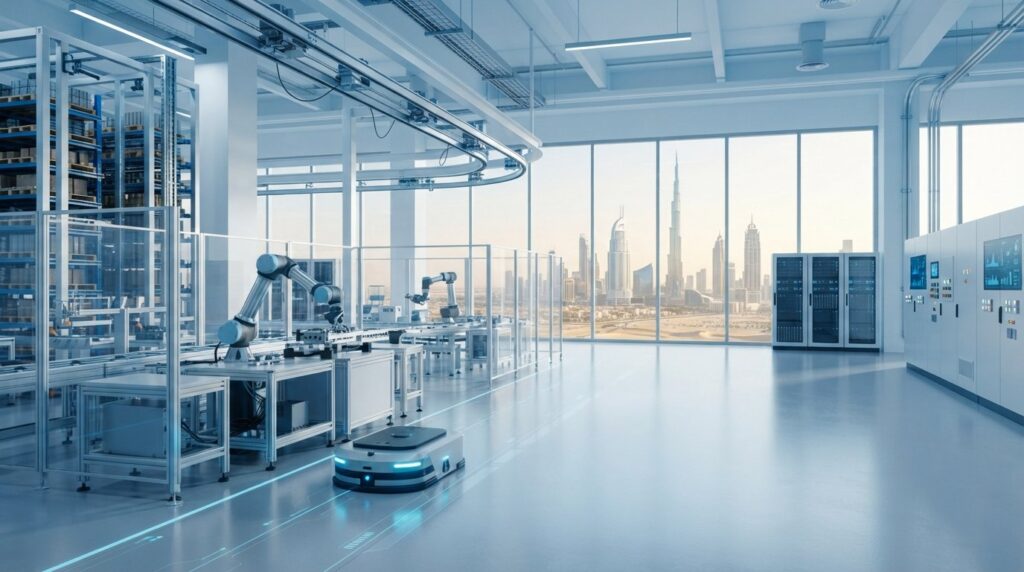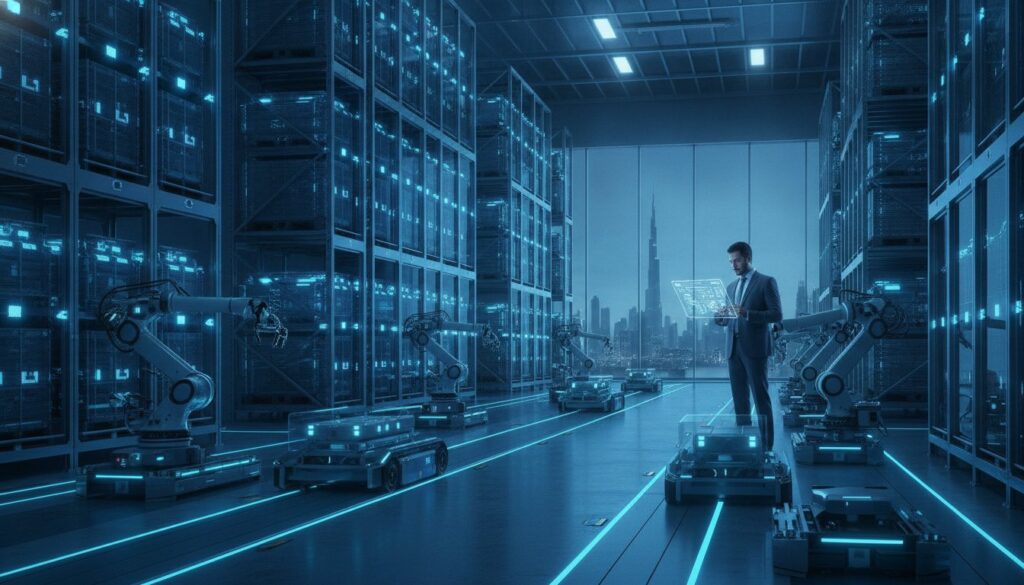
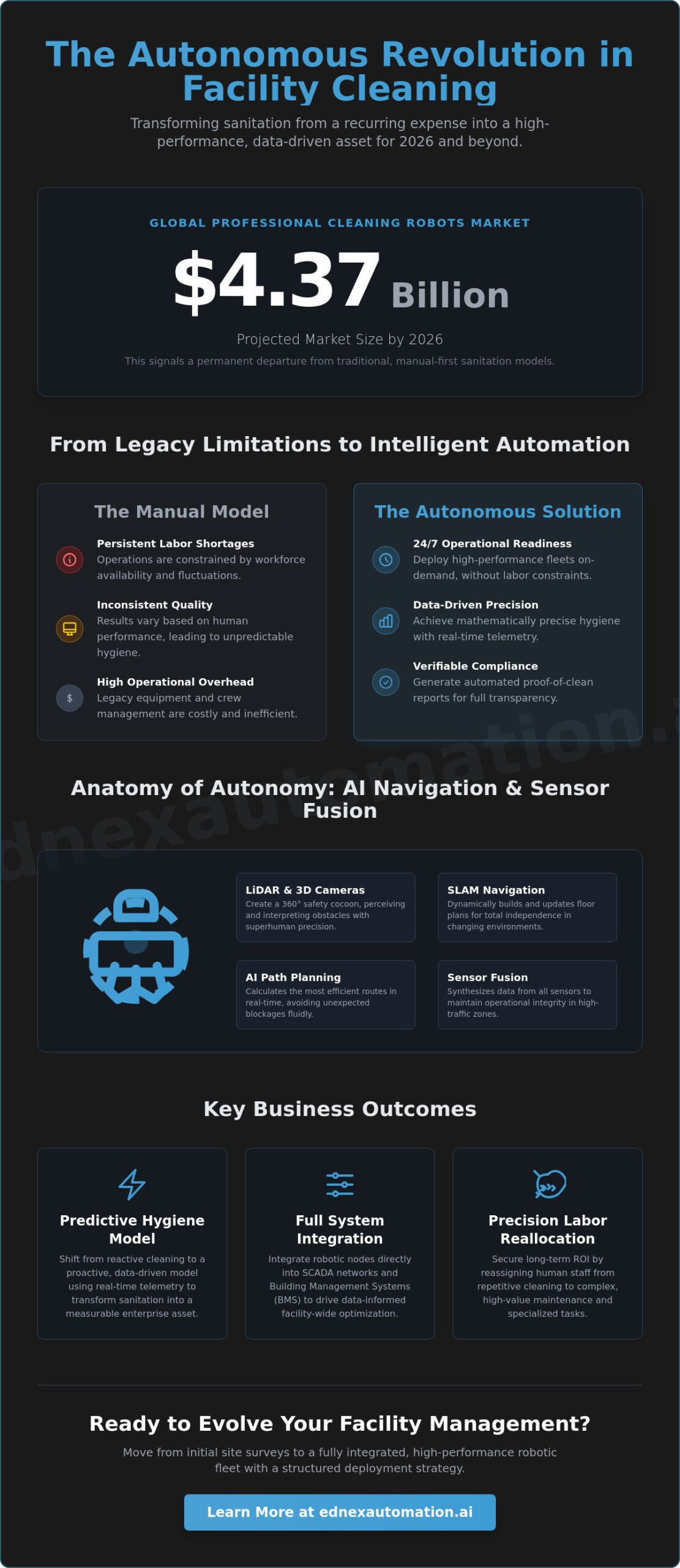
The global professional cleaning robots market has reached a projected $4.37 billion in 2026, signaling a permanent departure from traditional, manual-first sanitation models. For facility managers, the deployment of autonomous cleaning robots is no longer a speculative venture; it’s a strategic necessity to combat the persistent labor shortages and inconsistent quality that have historically plagued the sector. You likely recognize that manual crews often struggle with the high operational overhead and lack of transparency inherent in legacy equipment. We understand that maintaining predictable hygiene standards across complex industrial environments requires more than just a tool; it requires a systematic evolution of your operational framework.
This guide demonstrates how transitioning to an autonomous robotic fleet transforms cleaning from a recurring expense into a high-performance, data-driven asset that delivers real-time visibility into facility health. You’ll discover the technical pathways to achieving a seamless integration while adhering to the latest safety standards, including ANSI/A3 R15.06-2025 and ISO 10218-1:2025. By aligning cutting-edge automation with specific business outcomes, we’ll outline how to secure long-term ROI through precision labor reallocation and optimized fleet management.
Key Takeaways
- Shift from reactive cleaning to a predictive hygiene model by utilizing real-time telemetry to transform sanitation into a measurable enterprise asset.
- Explore the technical integration of LiDAR and SLAM navigation that allows autonomous cleaning robots to maintain a 360-degree safety cocoon in complex environments.
- Evaluate specialized hardware form factors, including 4-in-1 indoor units and outdoor cleaning robots, to match specific industrial infrastructure requirements.
- Learn how to integrate robotic nodes into SCADA networks and Building Management Systems to drive data-informed facility optimization.
- Develop a structured deployment strategy that moves from initial site surveys to a fully integrated, high-performance robotic fleet.
The Evolution of Facility Management: Why Autonomous Cleaning Robots are Essential in 2026
Positioning facility management as a sophisticated enterprise node requires a departure from legacy manual labor models. The global professional cleaning robots market is projected to reach $4.37 billion in 2026, reflecting a fundamental shift toward high-tech hygiene. These autonomous cleaning robots, engineered as AI-driven Autonomous Mobile Robots (AMRs), represent the pinnacle of industrial modernization. By leveraging real-time telemetry, organizations are transitioning from reactive cleaning to a predictive hygiene model that ensures facility standards are maintained with mathematical precision. In the UAE, where the push for smart city infrastructure is accelerating, these systems serve as critical components in the regional drive for total operational automation. Chronic labor shortages in the FM sector have made this transition unavoidable, forcing a move toward systems that deliver consistent results regardless of workforce fluctuations.
From Manual Equipment to Intelligent AMRs
Traditional walk-behind scrubbers rely on variable human performance and high operational overhead. Replacing these legacy tools with intelligent AMRs enables 24/7 operational readiness without the constraints of labor availability. Utilizing automated navigation technologies such as LiDAR and vision guidance, these robots eliminate human error while increasing service frequency. It’s a strategic reallocation of resources. Instead of managing manual crews, facility leaders now manage high-performance robotic fleets that operate at a lower long-term cost. This shift allows human staff to focus on complex, high-value tasks that robots can’t yet perform, such as detailed technical maintenance or high-touch surface disinfection.
Meeting the 2026 Standards for Industrial Hygiene
Industrial and healthcare sectors in 2026 demand a level of sanitation that manual processes can’t consistently verify. Compliance is now data-backed. Modern autonomous cleaning robots provide automated proof-of-clean reports, documenting every square meter covered and the exact concentration of disinfectants used. This transparency is essential for meeting the latest hygiene protocols and official certification requirements. Sustainability also drives this evolution. By optimizing water and chemical usage through precision dosing, these systems reduce environmental impact while ensuring a superior finish. Organizations don’t just achieve cleaner floors; they secure a verifiable, sustainable, and high-performance hygiene asset. This level of control is the new baseline for any organization wishing to remain competitive in a landscape where hygiene is a primary KPI.
The Anatomy of Autonomy: Decoding AI Navigation and Sensor Fusion
Establishing a 360-degree safety cocoon is the primary objective of modern sensor fusion in industrial environments. By synthesizing data from LiDAR, 3D cameras, and ultrasonic sensors, autonomous cleaning robots perceive their surroundings with a level of precision that far exceeds human situational awareness. These units don’t just see obstacles; they interpret them in real-time to maintain operational integrity in high-traffic zones. Utilizing Simultaneous Localization and Mapping (SLAM), these machines build and update internal floor plans dynamically, allowing them to function with total independence in environments where layouts change daily.
Moving beyond the limitations of rigid, pre-programmed paths, today’s AI path planning algorithms enable fluid navigation through complex infrastructure. Industrial cleaning robots process thousands of environmental variables per second to calculate the most efficient route while avoiding unexpected blockages. This intelligence is critical for large-scale facilities like airports or logistics hubs, where a static cleaning map becomes obsolete the moment a pallet is moved or a flight arrives. By adapting to live data, these systems ensure that hygiene standards remain consistent without requiring human intervention to reset or reroute the machine.
Achieving total floor coverage requires sophisticated edge-cleaning technology that addresses the “dead zones” typical of manual equipment. Modern units utilize specialized sensor arrays to maintain 0cm proximity to walls, machinery, and racking, ensuring that every square centimeter is scrubbed. This level of precision eliminates the need for manual touch-ups, effectively transforming the cleaning process into a fully automated, end-to-end workflow.
Sensor Fusion and Obstacle Recognition
Leveraging multi-modal sensing allows these robots to distinguish between structural pillars and moving pedestrians with high reliability. This capability is essential for compliance with the revised ISO 10218-1:2025 and ANSI/A3 R15.06-2025 standards, which prioritize the safety of the entire robotic application rather than just the machine itself. In dynamic environments, sensor fusion predicts movement patterns to adjust speed and trajectory before a conflict occurs. For organizations aiming to implement these high-safety protocols, exploring bespoke AMR integration is the first step toward a secure, automated facility.
Cloud Connectivity and Fleet Management
Centralizing control through cloud-native platforms enables facility managers to monitor a global fleet from a single, unified dashboard. Over-the-Air (OTA) updates ensure that your robots evolve as new AI algorithms and navigation patches are released, preserving the long-term viability of the hardware. Cloud-native robots minimize local IT overhead by transitioning the computational load from site-specific hardware to resilient, centralized enterprise networks. This hierarchical flow of information provides real-time visibility into cleaning progress and battery health, ensuring that every node in your hygiene network operates at peak efficiency.
Strategic Categorization: Industrial Scrubbers vs. Specialized Outdoor Automation
Selecting the appropriate robotic architecture is a critical decision that determines the long-term operational viability of an automated hygiene program. Integrating autonomous cleaning robots into a facility’s workflow requires a meticulous assessment of floor types, traffic patterns, and environmental stressors. The rise of multi-functional 4-in-1 systems has redefined efficiency by consolidating vacuuming, sweeping, scrubbing, and mopping into a single, high-performance unit. This consolidation reduces the need for multiple specialized machines, effectively lowering the complexity of fleet management while ensuring a comprehensive finish across diverse surfaces.
Indoor High-Performance Scrubbing and Vacuuming
Large-scale environments such as international airports and expansive shopping malls require the high-capacity throughput of the Scrubber 75 class. These heavy-duty units are engineered for sustained performance in high-traffic zones, delivering consistent results where manual crews often falter. Conversely, compact units designed for retail environments prioritize agility, navigating tight aisles and around point-of-sale displays without sacrificing scrubbing power. Facility leaders managing retail hubs can benefit from reviewing the latest robotic cleaning solutions for malls to understand how autonomous fleets are achieving up to 94% cost reductions on repetitive floor-cleaning tasks across modern retail environments. When evaluating the commercial floor cleaning robot price for your 2026 CAPEX planning, it’s essential to factor in the total cost of ownership across these specialized classes. Matching the machine’s footprint to the facility’s spatial constraints ensures maximum uptime and prevents bottlenecking in narrow corridors.
Autonomous Outdoor Cleaning for Modern Infrastructure
Maintaining the aesthetic standards of UAE national landmarks and urban plazas demands specialized outdoor cleaning robots capable of withstanding extreme thermal conditions and high particulate density. These units must overcome unique technical challenges, including intense sun glare that can interfere with standard sensors and the abrasive nature of desert dust on mechanical components. Weather-resistant industrial housings and solar-powered charging docks provide the necessary resilience for 24/7 operation in harsh climates. By deploying these robust systems, facility managers can maintain pristine exterior environments with the same precision and data-driven oversight as their indoor counterparts. For a deeper examination of how outdoor cleaning automation is reshaping UAE facility management in 2026, our strategic trend analysis outlines the specific technological frameworks driving this transformation.
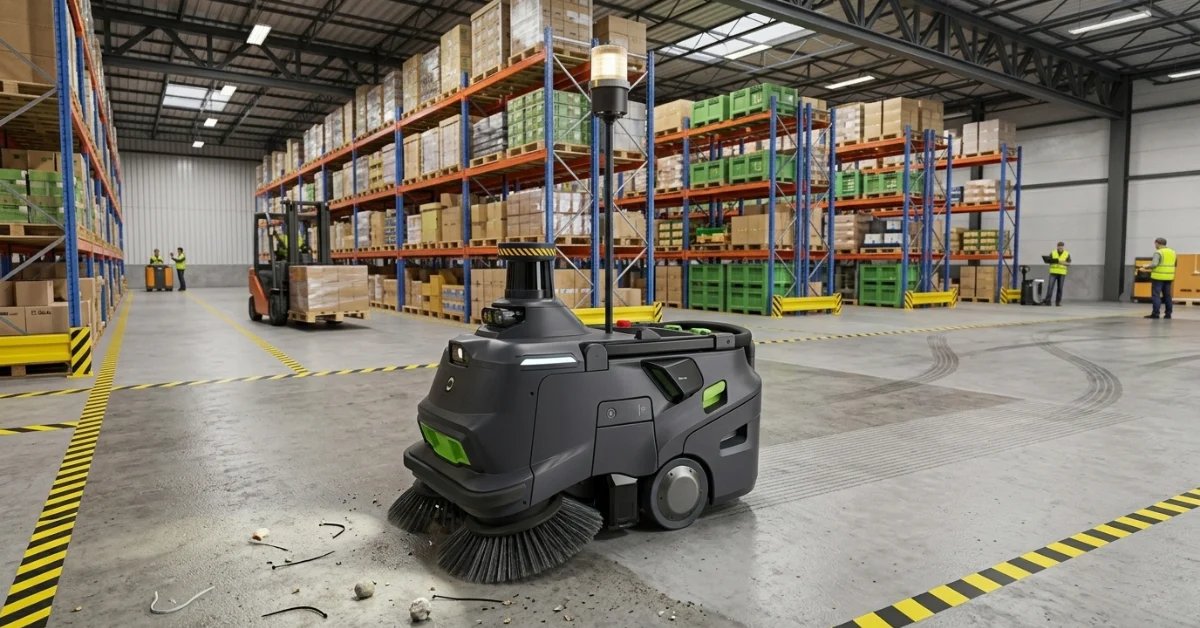
Logistics centers and facilities utilizing Automated Storage and Retrieval Systems (ASRS) benefit from heavy-duty sweepers designed to handle industrial debris. These robots operate as essential nodes within the supply chain, preventing dust accumulation that could otherwise interfere with sensitive automated picking systems. Implementing a hierarchical cleaning strategy—where indoor scrubbers and outdoor sweepers work in tandem—creates a seamless hygiene perimeter that protects both physical assets and personnel health. This structured approach to automation ensures that every square meter of a modern industrial enterprise is accounted for and maintained to an exacting standard.
Beyond Standalone Units: Integrating Cleaning Robots into Industrial Control Systems
Treating autonomous cleaning robots as isolated appliances is a legacy mindset that limits the potential of the modern industrial enterprise. True optimization occurs when these units are integrated as active nodes within a broader SCADA (Supervisory Control and Data Acquisition) network. From the EdNex perspective, hygiene automation must be viewed as a high-performance data stream that informs broader building management system (BMS) decisions. By bridging the gap between sanitation and industrial control, facility managers can transform floor maintenance into a responsive, data-driven function of the building’s actual operational state. This hierarchical integration ensures that every robotic movement is synchronized with the facility’s overarching production or service goals.
PLC and SCADA Integration for Facilities
Facilitating real-time communication between hardware layers, PLC and SCADA integration services allow for the precise orchestration of robotic fleets based on live environmental triggers. Footfall sensors or occupancy data can initiate cleaning cycles automatically, ensuring high-traffic areas receive immediate attention without human intervention. Visualizing these workflows within a centralized SCADA dashboard provides a comprehensive view of facility health, linking hygiene performance directly to operational KPIs. For organizations looking to expand their automation footprint, understanding the synergy between hygiene units and collaborative robots UAE provides the necessary context for a full-scale Industry 4.0 transition.
The Role of Smart Workstations
Achieving a ‘Zero-Human-Touch’ hygiene workflow requires the implementation of smart docking stations that automate the maintenance of the robots themselves. These workstations handle water drainage, chemical mixing, and battery replenishment, effectively removing the need for manual daily upkeep. By synchronizing charging cycles with off-peak energy hours, facility managers can significantly reduce utility costs while maintaining 24/7 operational readiness. This level of autonomy ensures that the robotic fleet remains a self-sustaining asset within the industrial ecosystem. “A truly autonomous system is defined not by its ability to clean, but by its ability to maintain its own operational readiness without human oversight.”
Protecting the integrity of industrial networks is paramount when deploying cloud-connected hardware across a facility. As autonomous cleaning robots become integral parts of the corporate infrastructure, they must be shielded from edge vulnerabilities through robust encryption and secure communication protocols. Implementing tiered access controls and regular firmware audits prevents unauthorized access to the broader BMS or SCADA environment. Ensuring the cybersecurity of your robotic assets is a non-negotiable requirement for long-term business viability in an increasingly connected industrial landscape. To begin architecting your integrated facility, consult with our technical specialists on SCADA integration.
Executing the Transition: EdNex Automation as Your Strategic Robotics Partner
Successfully transitioning to an automated hygiene model requires a technical partner that provides the intellectual framework for implementation rather than just the equipment. EdNex Automation delivers a comprehensive consultative approach that begins with exhaustive site surveys to ensure autonomous cleaning robots are perfectly calibrated for your specific infrastructure. Our regional expertise is particularly vital in the UAE, where unique environmental factors like high particulate density and extreme thermal conditions demand specialized technical oversight. By aligning global technological breakthroughs with regional industrial needs, we ensure that your investment remains resilient, high-performing, and fully integrated into your existing workflows.
Professional Integration and Technical Support
Our roadmap is meticulously engineered for seamless execution. It encompasses digital site mapping, comprehensive staff training, and deep system optimization to ensure your robotic nodes function at peak efficiency from day one. Maintaining 99.9% uptime for critical cleaning assets is a core pillar of our support framework, providing the reliability necessary for large-scale facilities that can’t afford hygiene lapses. This structured approach guarantees that your transition to automation is controlled and deliberate. As you master floor automation, you can explore the next step in service evolution by viewing our humanoid robots for sale UAE, which offer advanced interaction and task-handling capabilities for complex service environments.
Strategic Partnership for National Scale
We act as a systematic organizer, bridging the gap between global innovation and national industrial scale. Leveraging our alliances with global tech leaders allows us to provide bespoke solutions that are officially certified and compliant with the latest 2026 safety standards. This isn’t a simple transaction; it’s a long-term automation partnership focused on your organization’s future-readiness. Future-proofing your facility involves creating a diverse robotic ecosystem where delivery, inspection, and autonomous cleaning robots work in harmony. By establishing this intellectual and technical foundation, we help you secure a competitive advantage in a landscape defined by rapid technological evolution.
Contact EdNex Automation to begin your facility’s robotic transformation.
Securing the Future of Industrial Hygiene Through Integrated Automation
Establishing a resilient facility in 2026 requires more than a simple equipment upgrade. It demands the total integration of autonomous cleaning robots into your enterprise’s digital nervous system. By transitioning from manual labor models to data-centric hygiene assets, organizations achieve a level of operational transparency that ensures long-term viability. This evolution allows you to maintain world-class standards while precisely optimizing resource allocation across your entire industrial footprint.
As an official partner of global robotics leaders and certified PLC/SCADA integrators, EdNex Automation provides the intellectual and technical framework necessary for this transformation. Our comprehensive national support network ensures your fleet maintains peak performance within the unique environmental conditions of the UAE. We don’t just supply tools; we architect the infrastructure for your success. Scale your facility operations with EdNex Automation’s robotic solutions today to lead your organization into the next era of industrial excellence. Your journey toward a smarter, safer, and more efficient workspace starts now.
Frequently Asked Questions
Are autonomous cleaning robots safe for high-traffic environments like malls?
Yes, autonomous cleaning robots are engineered with multi-modal sensor fusion to ensure total safety in high-traffic commercial zones. These systems utilize LiDAR and 3D cameras to distinguish between stationary objects and moving pedestrians, complying with the latest ANSI/A3 R15.06-2025 safety standards. This predictive navigation allows the robot to adjust its trajectory or stop instantly to prevent collisions, maintaining a secure environment for mall visitors and staff without requiring constant human monitoring.
How much water and energy can robotic scrubbers save compared to manual ones?
Robotic scrubbers achieve significant resource conservation through precision dosing and optimized path planning that eliminates overlapping strokes. By maintaining a consistent speed and water flow, these units reduce waste compared to manual operators who often use inconsistent amounts of chemicals. This systematic approach supports corporate sustainability goals and ensures that every liter of water is utilized with maximum efficiency, effectively lowering the environmental footprint of your facility’s hygiene operations.
Can these robots be integrated with existing building management systems (BMS)?
Integration with existing Building Management Systems (BMS) is a standard feature of our high-level automation deployments. Utilizing protocols such as BACnet/IP, Modbus TCP, or MQTT, autonomous cleaning robots act as active nodes within your industrial network. This connectivity allows the BMS to trigger cleaning cycles based on real-time environmental data, such as a spill detected by an occupancy sensor or high footfall counts, ensuring a responsive sanitation model.
What happens if a cleaning robot loses its Wi-Fi or 5G connection?
Loss of connectivity doesn’t halt the robot’s operation because all critical navigation and safety processing occurs on the edge. The machine continues its assigned task using local SLAM (Simultaneous Localization and Mapping) and on-board AI algorithms. Once the Wi-Fi or 5G signal is restored, the robot automatically syncs its telemetry data and proof-of-clean reports to the centralized cloud dashboard, ensuring no data loss occurs during the outage.
Do autonomous cleaning robots require specialized flooring to operate?
These systems are designed to operate on standard industrial and commercial flooring without the need for specialized modifications or magnetic strips. Whether your facility features polished concrete, epoxy-coated floors, or natural stone, the robots’ brush pressure and suction are calibrated for optimal performance. We conduct a thorough site survey during the integration phase to ensure the hardware matches your specific surface requirements and maintains the integrity of your flooring assets.
What is the typical ROI period for an industrial cleaning robot in the UAE?
The ROI period for industrial automation in the UAE is primarily driven by the reallocation of labor from repetitive floor scrubbing to high-value technical tasks. By reducing operational overhead and increasing the frequency of service without additional costs, organizations often see a return through improved hygiene consistency and long-term asset protection. We focus on establishing a predictable hygiene standard that supports your broader business viability and competitive standing in the regional market.
How do outdoor cleaning robots handle sand and extreme heat?
Outdoor units are specifically engineered with industrial-grade housings and advanced filtration systems to withstand the UAE’s high particulate density and extreme thermal conditions. These robots utilize specialized cooling systems to protect internal electronics from heat stress while their sensors are calibrated to filter out intense sun glare. This ensures consistent performance in plazas and national landmarks where maintaining pristine aesthetics and public safety is a non-negotiable requirement. For a comprehensive overview of the strategic trends driving outdoor cleaning automation across UAE industries in 2026, our analysis details the AI-driven frameworks enabling 24/7 autonomous fleet operations in these demanding environments.
Is staff training required to operate a robotic cleaning fleet?
While the robots function with a high degree of autonomy, basic staff training is essential for daily oversight and minor maintenance tasks. EdNex provides comprehensive training modules as part of our start-to-finish expertise roadmap, ensuring your team is comfortable managing the fleet. This empowerment transforms your workforce from manual cleaners into skilled robotics supervisors, enhancing their role within the modernized enterprise and ensuring the long-term success of the automation program.