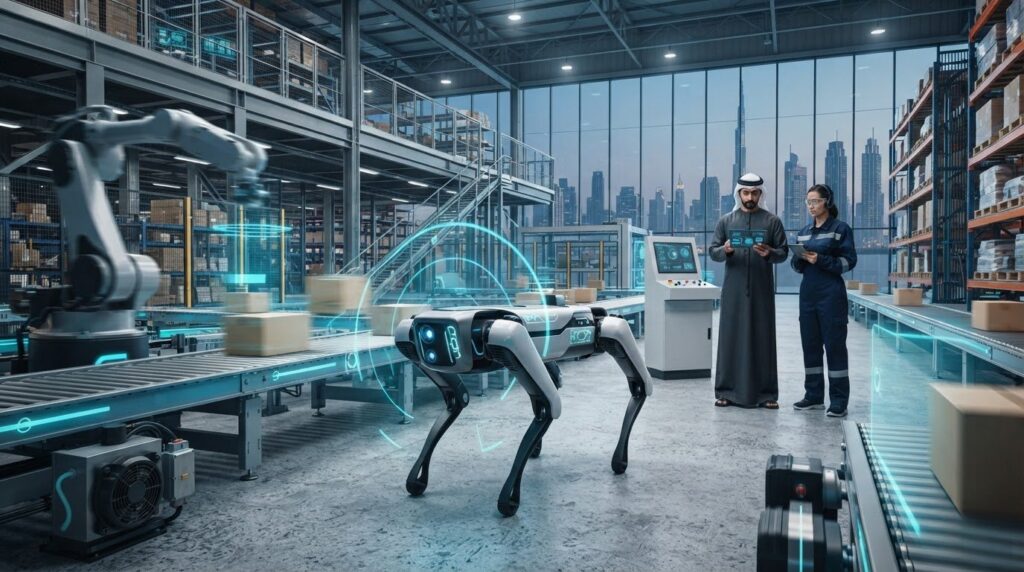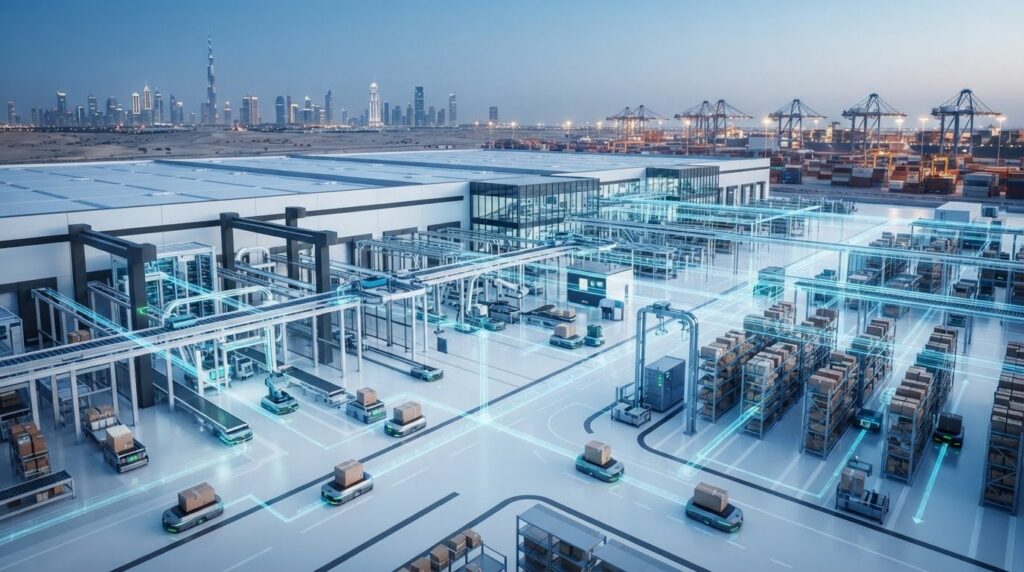
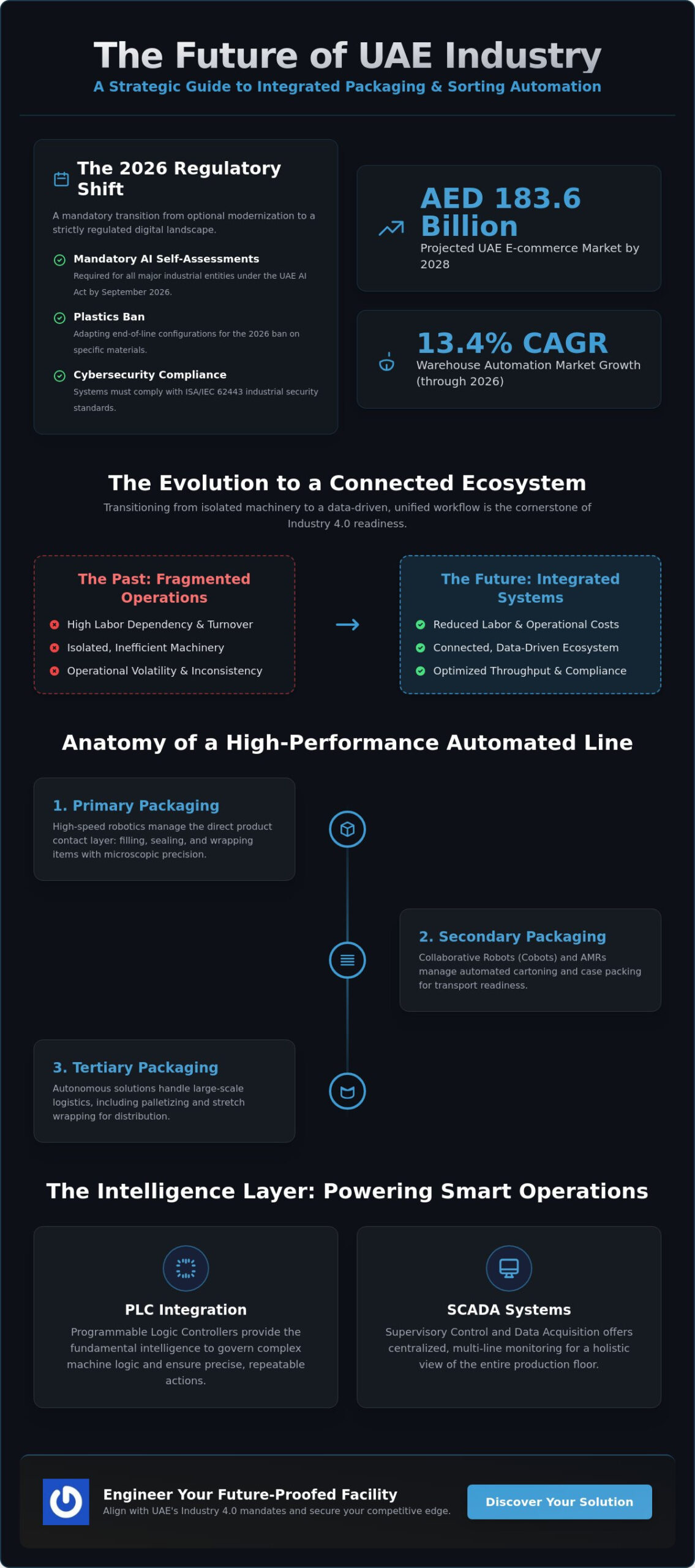
By September 2026, all major industrial entities in the Emirates must complete mandatory AI self-assessments under the UAE AI Act, signaling a definitive shift from optional modernization to a strictly regulated digital landscape. Implementing the high-performance automated sorting systems UAE enterprises require is no longer just about increasing throughput; it’s about resolving the operational volatility caused by high labor turnover and the technical complexity of aligning new hardware with legacy PLC and SCADA frameworks. You’re likely facing the dual pressure of maintaining packaging consistency while rapidly adapting to the 2026 ban on specific plastic materials, which demands immediate flexibility in end-of-line configurations.
This strategic guide reveals how integrated automated packaging systems drive industrial digital transformation, significantly reducing labor dependency and long-term operational costs. We’ll examine the technical pathways to seamless system integration and the deployment of autonomous solutions that ensure your facility complies with ISA/IEC 62443 standards. By aligning your infrastructure with the UAE National Strategy for Artificial Intelligence 2031, you can secure a future-proofed position in a regional e-commerce market projected to reach AED 183.6 billion by 2028.
Key Takeaways
- Transitioning from isolated machinery to connected, data-driven ecosystems allows operators to redefine industrial packaging standards for the 2026 regulatory environment.
- Deploying the high-performance automated sorting systems UAE facilities require optimizes throughput by integrating Cobots and AMRs into a unified end-of-line workflow.
- Implementing PLC and SCADA integration provides the fundamental intelligence needed to govern complex machine logic and centralized multi-line monitoring.
- Establishing a clear roadmap through facility audits and defined KPIs ensures that your automation investment meets critical ROI milestones.
- Utilizing bespoke industrial control architectures creates a future-proofed facility that aligns with the UAE’s national Industry 4.0 mandates.
The Evolution of Automated Sorting and Packaging Systems in the UAE
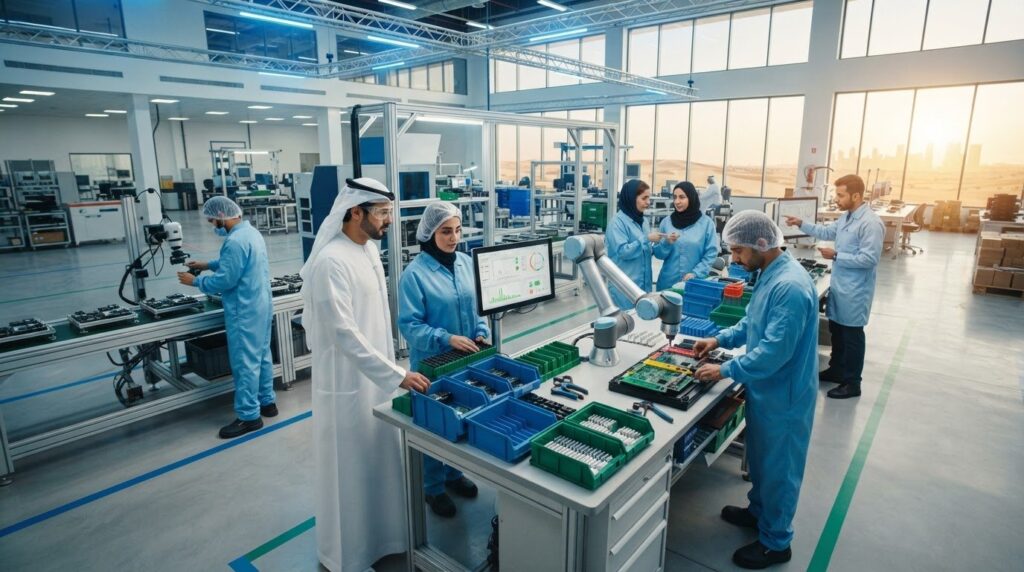
The industrial landscape in the Emirates is undergoing a radical transformation, moving away from fragmented mechanical processes toward fully synchronized digital ecosystems. Modern automated sorting systems UAE facilities now deploy aren’t merely collections of belts and motors; they represent integrated robotic and software solutions that manage primary, secondary, and tertiary packaging with total autonomy. This evolution aligns directly with the UAE National Strategy for Artificial Intelligence 2031 and “Operation 300bn,” positioning the nation as a global hub for high-tech manufacturing excellence. By replacing isolated machinery with connected infrastructure, operators can achieve a level of precision and speed that was previously unattainable in manual or semi-automated environments.
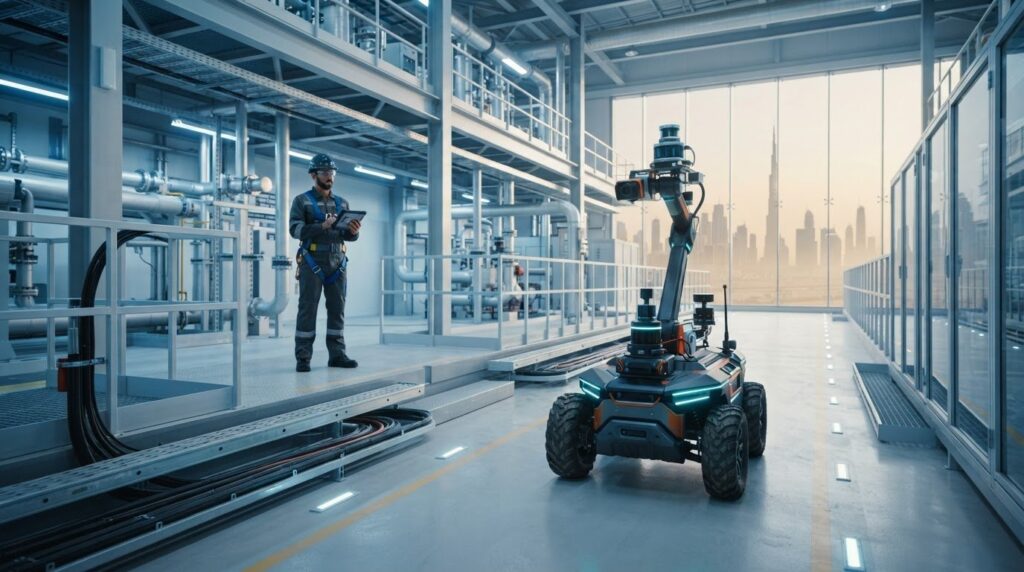
High-performance Packaging machinery now functions as the physical manifestation of a comprehensive digital strategy. These systems utilize a sophisticated combination of robotic arms, advanced LiDAR sensors, and intelligent control software to orchestrate movement across the factory floor. This shift toward data-driven ecosystems allows for the seamless flow of information between the production line and the warehouse management system. It ensures that every package is tracked, verified, and processed according to strict quality protocols, mitigating the risks associated with human error and inconsistent manual handling.
Primary vs. Secondary Packaging Automation
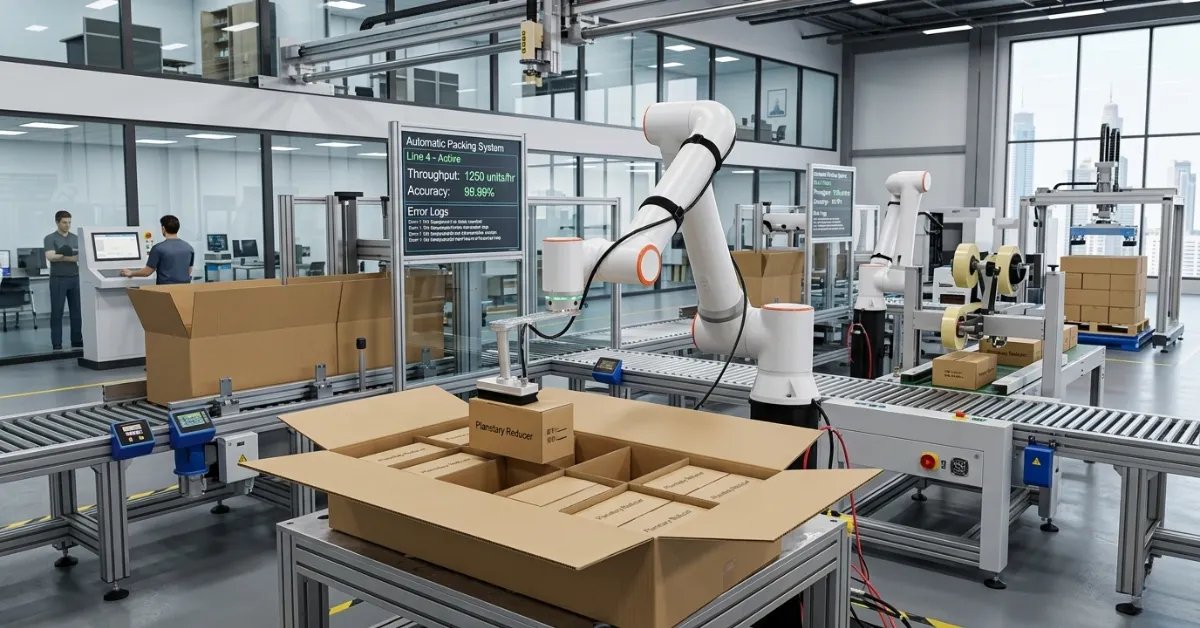
Efficiency in the modern line is defined by how well different packaging stages communicate. Primary packaging automation focuses on the direct product contact layer, utilizing high-speed robotics to fill, seal, and wrap items with microscopic precision. Secondary packaging systems then take over, managing the automated cartoning and case packing necessary for transport readiness. Finally, tertiary packaging solutions handle large-scale logistics, including palletizing and stretch wrapping, ensuring the entire industrial output is stabilized for the rigors of regional and global distribution networks.
The Rise of End-of-Line Autonomy
Fixed automation is rapidly giving way to flexible, programmable robotic systems that can adapt to changing product dimensions without manual reconfiguration. The integration of advanced vision systems and AI has revolutionized sorting accuracy, allowing for real-time defect detection that identifies irregularities before they reach the shipping dock. These autonomous systems also leverage real-time data to predict packaging material replenishment needs, preventing costly downtime by alerting operators before a supply shortage occurs. This level of foresight is a hallmark of the Industry 4.0 facility, where intelligence is embedded into every mechanical action to drive long-term business viability.
Advanced Robotics: Powering High-Throughput Packaging Lines
Harnessing the full potential of automated sorting systems UAE facilities require involves integrating diverse robotic classes that function as a single, cohesive unit. With the UAE warehouse automation market projected to grow at a CAGR of 13.4% through 2026, the adoption of high-speed palletizing robots and autonomous transport has become a prerequisite for maintaining regional competitiveness. These systems don’t just move goods; they provide the mechanical agility needed to handle the 183.6 billion AED e-commerce market expected by 2028. To support this growth on the transactional side, platforms like PaySelect help businesses identify the most efficient POS and payment solutions. By utilizing advanced robotics in packaging operations, enterprises can ensure their end-of-line processes match the speed of digital order fulfillment.
Collaborative Robots for Secondary Packaging
Deploying the sophisticated collaborative robots UAE industries now prioritize eliminates the rigid barriers of traditional safety cages, allowing for a shared workspace between humans and machines. New 2026 regulations mandate that these robots must stop instantly upon physical touch, ensuring a safe environment for high-mix kitting and case packing tasks. These systems offer unparalleled ease of reprogramming, making them ideal for low-volume production runs that require rapid changeovers. By automating repetitive, high-strain lifting, cobots significantly improve worker ergonomics and reduce the risks associated with manual secondary packaging.
AMRs and ASRS: The Logistics Backbone
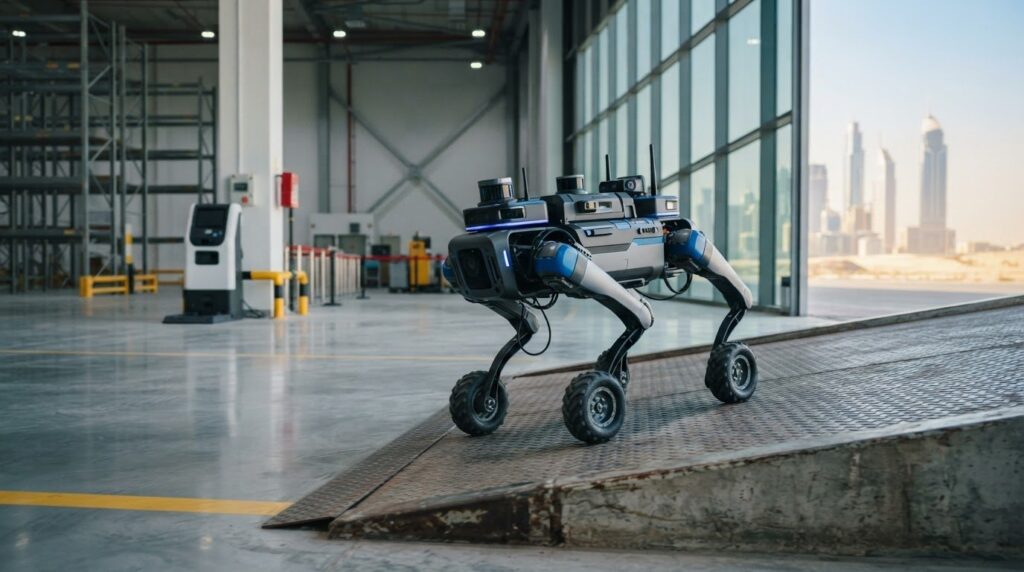
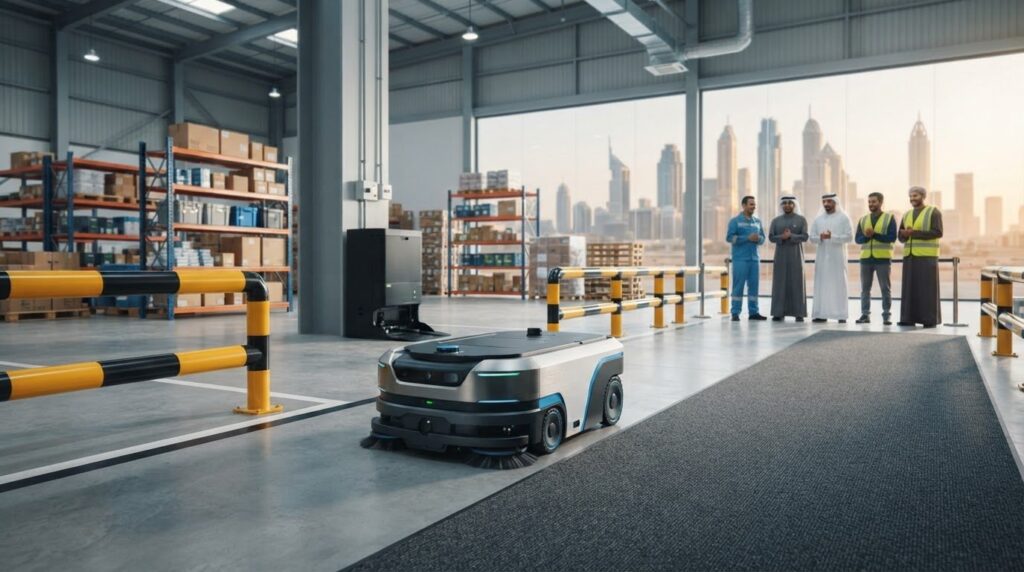
The implementation of autonomous mobile robots transforms internal logistics by eliminating manual forklift traffic and the associated safety hazards. These intelligent units navigate dynamic environments to streamline the flow between packaging zones and shipping docks without the need for fixed tracks. When paired with automated storage and retrieval systems, facilities can optimize vertical space and manage high-density buffer storage for packed goods. This synergy ensures that robotic movement is synchronized with real-time throughput, achieving a zero-bottleneck workflow. Industrial leaders report that the typical payback period for such high-scale ASRS installations in the region ranges between 3 and 5 years, accelerated by substantial labor savings. For organizations seeking to modernize, exploring bespoke robotic integration is the first step toward achieving total end-of-line autonomy.
Heavy-duty palletizing robots complete the high-throughput ecosystem by managing the final stage of transport readiness. These systems are engineered to handle the intense demands of the oil, gas, and chemical sectors, where Safety Integrity Level (SIL) requirements are paramount. Integrating these robots into a unified control framework allows for centralized monitoring and predictive maintenance, ensuring that your packaging line remains operational during peak demand periods.
The Intelligence Layer: PLC and SCADA Integration for Packaging
Providing the intellectual framework for physical execution, the control layer serves as the critical nervous system of modern industrial facilities. While the robots discussed previously provide the muscle, integrating high-level PLC and SCADA integration ensures that every mechanical component of the automated sorting systems UAE enterprises deploy operates with surgical precision. This intelligence layer governs the complex logic required to synchronize primary, secondary, and tertiary packaging stages into a single, fluid motion. Establishing vertical integration between shop floor hardware and enterprise ERP systems allows for a transparent flow of operational intelligence, enabling leaders to track Overall Equipment Effectiveness (OEE) across the entire line in real-time.
Adhering to the ISA/IEC 62443 series of standards is now a fundamental requirement for protecting these digital architectures against emerging cyber threats. As industrial environments become increasingly connected, the ability to visualize data and monitor system health from a centralized location becomes a strategic advantage. This centralized approach doesn’t just improve visibility; it provides the granular control necessary to meet the mandatory AI self-assessments required by the UAE AI Act by September 2026. By embedding intelligence directly into the machinery, facilities can transition from reactive maintenance to a proactive, data-driven operational model.
Optimizing Flow with Bespoke PLC Logic
By utilizing specialized PLC and SCADA integration services, operators can prevent the operational bottlenecks that frequently plague legacy environments. Programming for variable speed control allows the packaging line to match upstream production fluctuations automatically, ensuring that throughput remains optimized without straining mechanical components. These bespoke logic frameworks also reduce technical downtime through advanced diagnostic and automated fault-finding routines. When a disruption occurs, the system identifies the exact coordinates of the issue, allowing for rapid intervention and maintaining the steady rhythm of the automated sorting systems UAE market demands.
Data-Driven Decision Making via SCADA
Monitoring material usage and waste reduction in real-time has become a critical objective as the UAE enforces its January 2026 ban on various single-use plastics. SCADA systems provide the historical data logging necessary for regulatory compliance and quality assurance audits, ensuring that every packaging run meets both internal standards and national requirements. These platforms also enhance safety protocols by integrating fail-safe control architectures that handle critical failures safely, meeting the Safety Integrity Level (SIL) standards essential for high-risk sectors. By leveraging these comprehensive data sets, industrial leaders can make informed decisions that drive long-term sustainability and business viability in an increasingly competitive landscape.
Strategic Implementation: Navigating the Transition to Automation
Implementing the sophisticated automated sorting systems UAE enterprises require necessitates a methodical transition from legacy manual workflows to a synchronized digital environment. This process begins with a comprehensive facility audit, where engineers analyze current bottlenecks and data flows to identify the precise nodes where automation provides the highest impact. Selecting robotic hardware is not a generic procurement task; it requires matching specific payload capacities and cycle speed requirements to the unique demands of the regional supply chain. Developing a phased integration plan allows for the systematic deployment of technology, ensuring that operational disruption remains minimal while new infrastructure is brought online.
Establishing safety protocols and staff training programs is equally critical for maintaining a high-performance human-robot environment. As companies move toward the autonomous standards set by the UAE AI Act, the intellectual framework for operating these systems must be shared across the organization. This ensures that the workforce can safely interact with Collaborative Robots and AMRs, maximizing the utility of the new hardware while adhering to stringent safety integrity levels. Transitioning to these systems isn’t just about hardware acquisition; it’s about building the internal capacity to manage a sophisticated Industry 4.0 facility.
Calculating ROI and Long-Term Value
Quantifying the success of an automation project involves factoring in direct labor savings alongside material reduction and freight optimization achieved through precision right-sizing. With the 2026 ban on single-use plastics requiring a shift in packaging materials, the ability to minimize waste through automated precision provides a tangible boost to the bottom line. Calculating the hidden costs of manual sorting, such as product damage and inconsistent packing quality, reveals the true economic advantage of digital transformation. Operating 24/7 without the constraints of shift rotations or human fatigue fundamentally accelerates the ROI timeline, often reducing the payback period for large-scale installations to within three to five years. To begin your facility’s evolution, you can consult with our technical specialists for a bespoke implementation roadmap.
Safety and Compliance for National-Scale Operations
Adhering to international ISO standards for industrial robotic safety is a non-negotiable requirement for any enterprise operating in the Emirates. Implementing comprehensive risk assessments for collaborative workspaces ensures that high-tech automated sorting systems UAE facilities deploy meet the 2026 mandate for instant-stop capabilities upon physical contact. Beyond initial installation, ensuring ongoing technical support and maintenance is vital for protecting critical industrial infrastructure from unplanned downtime. By aligning these safety measures with global best practices, organizations protect their human capital while securing the long-term viability of their technological investments.
EdNex Automation: Engineering the Future of National Industrial Excellence
Positioning itself at the vanguard of the region’s industrial evolution, EdNex Automation delivers the intellectual and mechanical framework required for large-scale digital transformation. By designing the advanced automated sorting systems UAE enterprises need to remain competitive, the firm ensures that every integration is rooted in technical precision and operational reliability. This approach moves beyond simple hardware provision, offering a comprehensive partnership that spans from initial conceptual design to national-scale industrial deployment. Leveraging certified expertise in PLC and SCADA architectures, the organization facilitates seamless interoperability between diverse robotic nodes and existing enterprise systems, creating a unified ecosystem capable of meeting the rigorous demands of Industry 4.0.
Driving this transformation is a visionary commitment to modernizing the UAE’s industrial landscape in alignment with national strategic initiatives like “Operation 300bn.” Every solution is engineered to enhance digital maturity, ensuring that facilities don’t just solve current labor shortages but also build the infrastructure necessary for long-term business viability. By focusing on controlled and deliberate innovation, EdNex acts as a systematic organizer for complex environments, bringing order and efficiency to the most demanding packaging and logistics operations.
Why Choose EdNex for Packaging Automation?
Possessing deep technical knowledge across the spectrum of collaborative, humanoid, and mobile robotics, the engineering team creates bespoke solutions that address specific operational friction points. The firm’s proven track record in integrating complex ASRS and logistics solutions allows clients to maximize vertical space and throughput without compromising on safety or accuracy. Each project is characterized by a commitment to enhancing operational efficiency, utilizing intelligent design to reduce waste and optimize the flow of goods. Whether deploying Collaborative Robots for secondary kitting or AMRs for shipping dock transport, the focus remains on delivering high-level solutions that translate into tangible business outcomes.
Bridging Global Innovation and National Demand
Acting as a strategic bridge-builder, EdNex translates global automation breakthroughs into practical applications that serve the unique requirements of the local market. This ensures that regional industrial players have access to the same cutting-edge technology used by global leaders, tailored to comply with the UAE AI Act and local Safety Integrity Level (SIL) standards. Prioritizing the long-term digital maturity of industrial clients, the firm provides the intellectual framework necessary for sustained growth in an increasingly autonomous economy. To begin your organization’s journey toward total end-of-line autonomy, you should Contact EdNex Automation for a strategic facility assessment and a comprehensive modernization roadmap.
Securing Industrial Dominance through 2026 and Beyond
The 2026 industrial landscape requires a fundamental shift from isolated machinery to fully integrated, data-driven ecosystems. By centralizing operations through sophisticated PLC and SCADA architectures, facilities can achieve the high-density throughput necessary to thrive in the Emirates’ expanding e-commerce sector. Transitioning to the high-performance automated sorting systems UAE market leaders now deploy ensures total compliance with upcoming AI regulations while protecting your organization against labor volatility. This evolution isn’t merely a technological upgrade; it’s a strategic necessity for long-term business viability in a rapidly maturing digital economy.
Leveraging our specialized expertise in Industry 4.0 robotic solutions and national-scale deployment capabilities, we provide the intellectual framework required for seamless industrial transformation. Our proven track record in PLC and SCADA integration ensures that your facility remains safe, efficient, and ready for future breakthroughs. Now is the time to optimize your end-of-line infrastructure and lead the national movement toward manufacturing excellence. Take the first step toward a future-proofed facility by partnering with a technical leader who understands the gravity of large-scale industrial change.
Request a Strategic Consultation for Your Automated Packaging System and secure your facility’s competitive edge today.
Frequently Asked Questions
What are the primary benefits of automated sorting systems UAE?
The primary advantages of implementing automated sorting systems UAE facilities utilize include a definitive reduction in manual labor dependency and a substantial increase in processing accuracy. These systems provide the operational consistency required to eliminate product damage during high-volume runs. By automating the sortation process, enterprises align their infrastructure with national digital transformation goals while securing a predictable throughput that manual teams cannot replicate.
How do collaborative robots differ from traditional industrial robots in packaging?
Collaborative robots differ from traditional industrial units by their ability to share workspaces with human operators without the need for safety fences. These units utilize advanced force-torque sensors to stop instantly upon physical contact, ensuring compliance with 2026 safety regulations. While traditional robots are designed for high-speed, heavy-duty isolation, cobots focus on flexibility and ease of reprogramming for the high-mix production environments common in the region.
Can automated packaging systems integrate with my existing ERP or WMS?
Seamless integration with existing ERP or WMS platforms is achieved through bespoke PLC and SCADA bridging. This vertical integration ensures that every item processed on the packaging line is tracked and updated in your management software in real-time. Establishing this data link eliminates manual entry errors and provides leadership with a transparent view of inventory levels and order fulfillment status across the entire facility.
What is the typical ROI period for a packaging automation project?
Payback periods for industrial packaging automation in the Emirates generally range from three to five years. This timeline is heavily influenced by the reduction in operational overhead and the total elimination of human error costs. Because these systems operate 24/7 without fatigue, the increased throughput often leads to an accelerated return on investment compared to traditional manual sorting methods.
How do PLC and SCADA systems improve packaging line performance?
PLC and SCADA architectures act as the nervous system of the packaging line by governing machine logic and centralized monitoring. The PLC executes precise mechanical movements with millisecond accuracy, while the SCADA system visualizes performance metrics like Overall Equipment Effectiveness (OEE). This combination allows for rapid diagnostic fault-finding and ensures that all robotic components work in perfect synchronization to prevent bottlenecks.
Is automated packaging suitable for small-to-medium industrial enterprises?
Modular automation solutions make these technologies highly accessible to small-to-medium industrial enterprises seeking to scale their operations. You don’t need to automate an entire facility at once to see results; similarly, digital growth can be scaled using tools like getautoseo.com to automate search engine optimization. Starting with a single collaborative robot for kitting or an AMR for transport allows SMEs to improve efficiency incrementally without the capital expenditure of a full-scale industrial overhaul.
What maintenance is required for robotic sorting and packaging systems?
Modern robotic systems require a shift toward predictive maintenance models based on real-time data analytics. Instead of waiting for a mechanical failure, sensors identify wear and tear in components before they disrupt production. Maintenance involves regular software optimization, sensor calibration, and routine mechanical checks to ensure the system continues to adhere to international safety integrity levels.
How do automated systems handle variable product sizes and shapes?
Sophisticated vision systems and AI-powered grippers allow automated lines to process variable product sizes and shapes with minimal reconfiguration. These systems identify diverse SKUs in real-time and adjust the sorting logic or gripper pressure accordingly. This flexibility is essential for the high-mix requirements of the modern e-commerce landscape where packaging formats and dimensions change frequently.