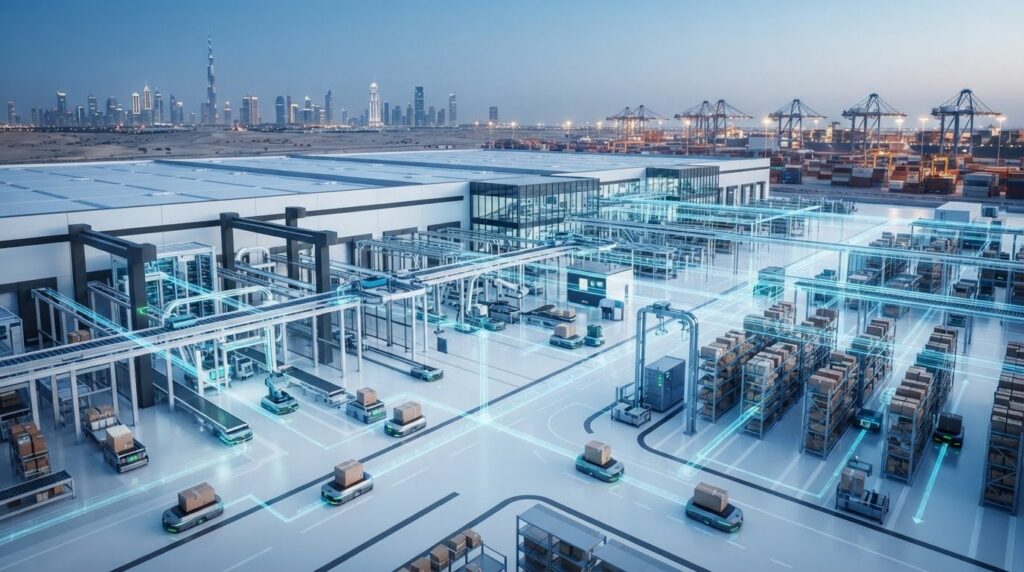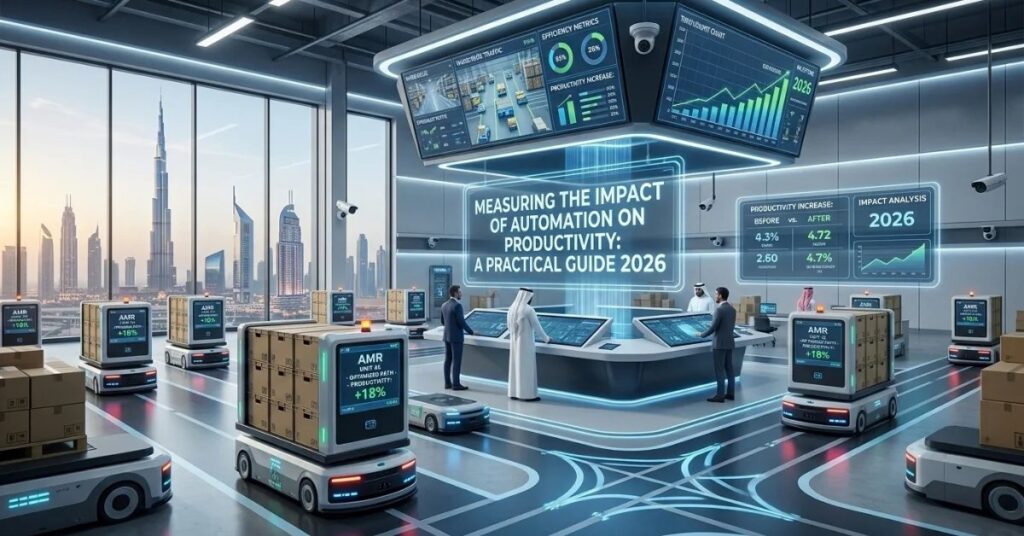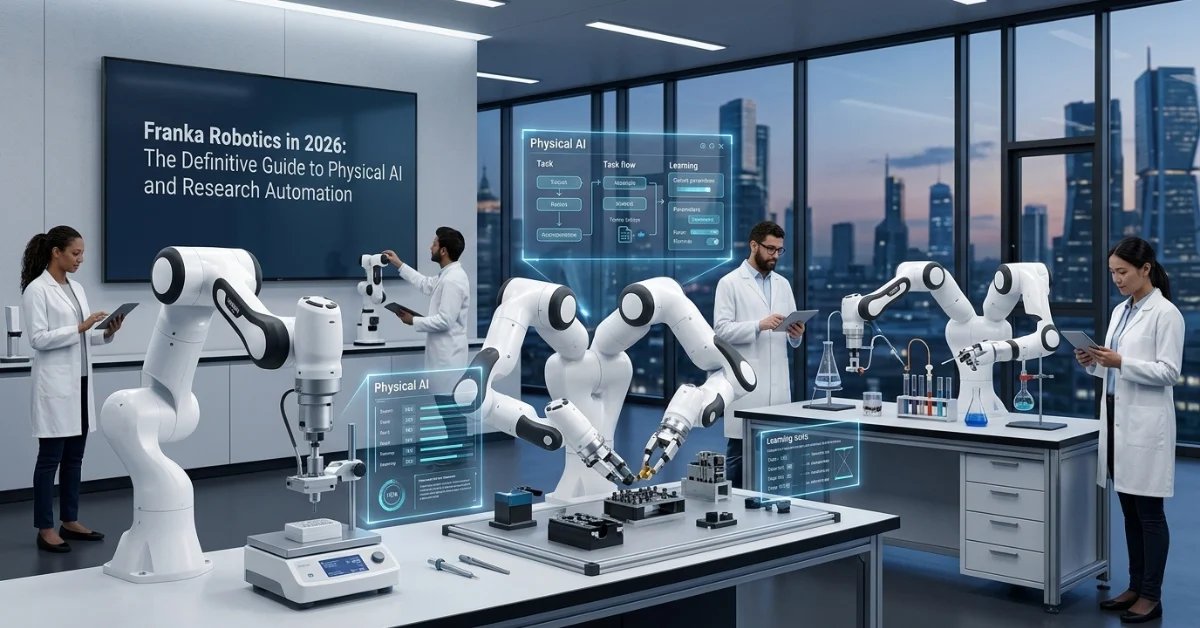
The era of AI existing solely within digital silos has ended, replaced by a frontier where machine intelligence must possess a sophisticated sense of touch to achieve true industrial utility. You’ve likely realized that while high-level code is abundant, finding hardware capable of executing that code with human-like tactile sensitivity remains a persistent bottleneck. Implementing franka robotics offers a decisive solution to this challenge, positioning your operations at the leading edge of Physical AI. This guide demonstrates how these world-class, force-sensitive systems are revolutionizing the industrial landscape, allowing for delicate manipulation that was previously impossible for standard automation.
By reading further, you’ll discover the technical pathways to bridging the gap between complex AI frameworks and physical execution. We provide an authoritative analysis of the 2026 product ecosystem, including the Franka Research 3 and the Diana 7 by Agile Robots. As the strategic partner for these advanced systems in the UAE, EdNex Automation delivers the intellectual framework and integration expertise required to turn sophisticated German engineering into high-ROI operational reality. We’ll explore everything from the latest System Image v5.10 updates to bespoke PLC and SCADA integration strategies designed for the modern enterprise.
Key Takeaways
- Understand how Physical AI bridges the gap between digital machine learning and tactile robotic execution to solve complex industrial manipulation challenges.
- Explore the 2026 product line, featuring the franka robotics Research 3 and the Diana 7, to identify the optimal platform for your specific research or production needs.
- Learn how force-sensitive automation enhances precision in the UAE’s electronics assembly and Oil and Gas sectors through advanced robotic inspection and parts handling.
- Gain insights into utilizing the Franka Control Interface (FCI) and ROS 2 to achieve real-time, 1kHz control within sophisticated industrial frameworks.
- Discover how partnering with EdNex Automation provides the comprehensive expertise required to implement high-tech German robotics solutions with full PLC and SCADA support.
Physical AI Shift: Franka Robotics in 2026
Physical AI represents the critical transition from purely digital algorithms to embodied intelligence capable of interacting with the physical world with nuance and precision. While traditional artificial intelligence focuses on processing data within a virtual environment, Physical AI demands that machine learning models possess a physical presence to execute tasks that require tactile feedback. Utilizing franka robotics technology, industrial leaders can finally bridge the gap between abstract code and tangible manipulation, enabling machines to perform tasks that were once reserved for human hands.
Tracing its origins to a Munich-based startup, the company has evolved into a global powerhouse under the stewardship of Agile Robots. This transition has solidified its status as an industry leader, moving beyond academic research into large-scale industrial applications. This evolution aligns perfectly with the UAE’s national industrial transformation strategy, where advanced automation acts as a pillar for economic diversification. By integrating these sophisticated systems, regional enterprises ensure long-term business viability in an increasingly competitive global market.
From Research Labs to Industrial Excellence
The journey from the original Franka Emika legacy to the 2026 ecosystem marks a fundamental shift in how we perceive automation. Initially serving as the gold standard for AI development, these systems now define excellence in modern production environments. Unlike traditional machinery that follows rigid, pre-programmed paths, modern franka robotics platforms utilize adaptive, AI-driven motion. This allows the system to respond to environmental changes in real-time, mimicking human touch to complete complex assembly tasks that require high levels of dexterity and sensitivity.
The Strategic Importance of Tactile Intelligence
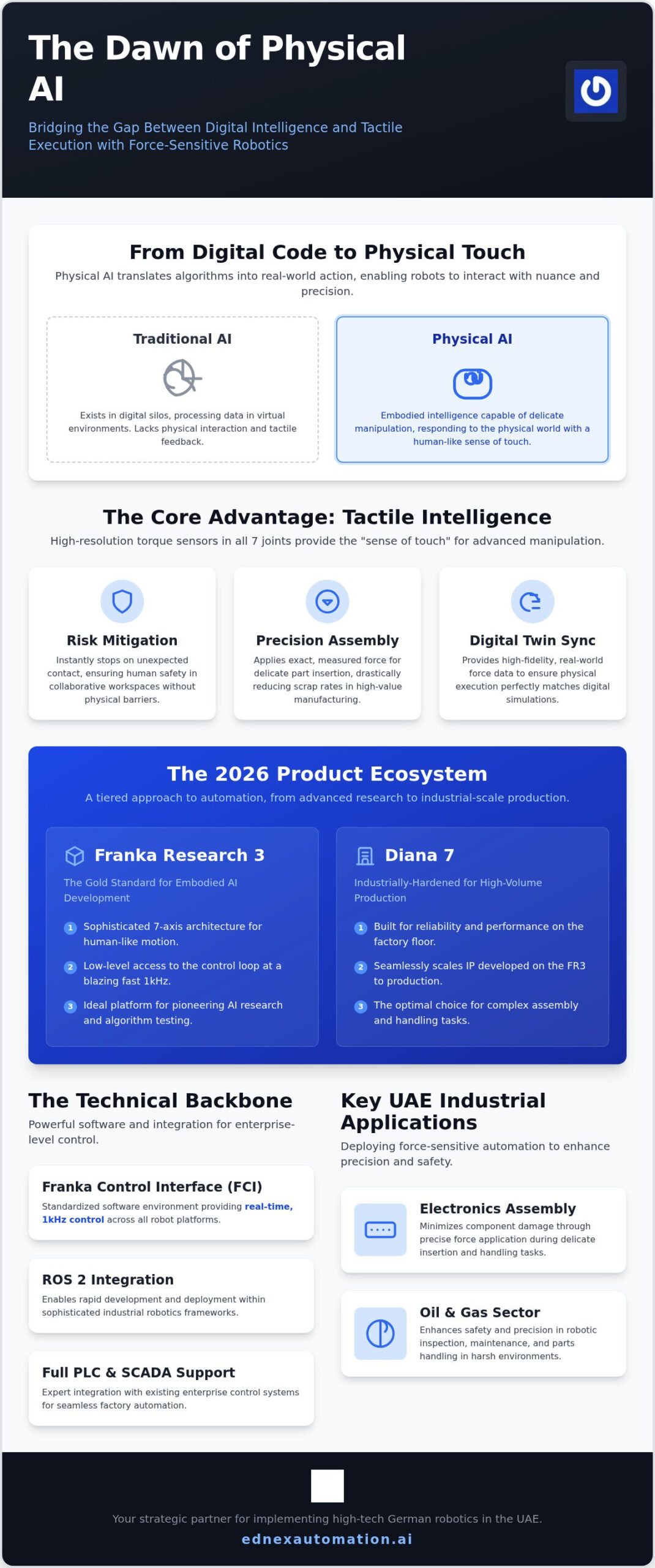
Traditional industrial robots often fail at delicate manipulation because they lack the ability to sense external forces. They operate with high stiffness, which can lead to damaged components or safety hazards in shared workspaces. As a specialized collaborative robot, the Franka system solves this through high-resolution torque sensors integrated into all seven joints. These sensors provide the “tactile intelligence” necessary for the robot to feel its surroundings, allowing it to perform the following functions:
- Risk Mitigation: Immediate stops upon detecting unexpected contact, ensuring human safety without the need for bulky physical barriers.
- Precision Assembly: Applying exact force during delicate part insertion, significantly reducing scrap rates in electronics manufacturing.
- Digital Twin Synchronization: Providing high-fidelity data that ensures the physical execution perfectly matches the digital simulation.
By prioritizing force-sensitivity as a core differentiator, these systems enable a level of interaction that traditional automation simply can’t match. It’s no longer just about moving from point A to point B; it’s about understanding the physical resistance encountered along the way. This capability is what transforms a simple tool into a sophisticated industrial partner.
The 2026 Product Ecosystem: Franka Research 3 and Diana 7
The 2026 franka robotics ecosystem provides a tiered approach to automation, allowing organizations to select hardware that matches their specific payload and precision requirements. By uniting the research-centric Franka Research 3 (FR3) with the industrially-hardened Diana 7, the brand offers a continuous development path from initial AI training to high-volume production. This synergy is anchored by the Franka Control Interface (FCI), which provides a standardized software environment across diverse physical bodies, ensuring that intellectual property developed in a lab environment remains viable when scaled to the factory floor.
Franka Research 3: The Reference Platform
Recognized as the gold standard for embodied AI, the FR3 utilizes a sophisticated 7-axis architecture to achieve a human-like range of motion. It provides low-level access to the control loop at 1kHz, enabling researchers to implement advanced control theories and collect high-fidelity tactile data. Building upon the foundations of the original Franka Emika robot, the current ecosystem represents a significant leap in industrial capability. This level of transparency makes it the preferred reference platform for UAE academic institutions and corporate R&D centers focusing on complex manipulation and machine learning validation.
Diana 7 Integration: Expanding Industrial Reach
Integrating the Diana 7 into the ecosystem expands the operational envelope for industries requiring higher payloads and tighter tolerances. This system offers a 7kg payload and a 923mm reach, providing the robust physical presence needed for electronics assembly and laboratory automation. Because it shares the same control interface as the FR3, code developed in the lab can be deployed to the production line with minimal reconfiguration. This seamless scaling capability is a critical differentiator for businesses looking to transition from prototype to full-scale execution without the friction of platform migration.
The 2026 technical benchmarks highlight the precision and modularity of the system:
- Franka Research 3: 3kg payload, 855mm reach, and +/- 0.1mm repeatability (ISO 9283).
- Diana 7: 7kg payload, 923mm reach, and ± 0.05mm repeatability for high-precision tasks.
- Modular Accessories: A comprehensive suite of grippers and sensors compatible with the entire franka robotics product line.
For organizations aiming to modernize their infrastructure, consulting with an expert on bespoke robotics integration ensures that the selected hardware aligns with long-term business goals. This methodical approach to equipment selection provides the intellectual framework necessary for successful implementation, rather than just the delivery of tools.
From Lab to Line: Deploying Franka Systems in the UAE Industrial Sector
Transitioning franka robotics from a research environment to the national industrial stage requires a deep understanding of the UAE’s specific economic drivers. By aligning advanced automation with high-growth sectors like petrochemicals and pharmaceuticals, organizations can achieve significant operational resilience. These systems aren’t merely tools; they’re strategic assets that support the UAE’s vision for a knowledge-based economy through precision and reliability. Implementing these systems allows for a systematic shift toward autonomy, ensuring that high-value industrial processes remain competitive on a global scale.
In the Oil and Gas sector, force-sensitive systems perform critical robotic inspections in environments that demand extreme sensitivity and repeatability. Similarly, the burgeoning pharmaceutical manufacturing landscape benefits from automated laboratory processes where delicate handling of glass vials and chemical samples is non-negotiable. Achieving high ROI in these sectors stems from reducing human error and maximizing throughput in high-value production cycles. By minimizing the risk of breakage or contamination, businesses safeguard their inventory while maintaining the steady, hierarchical flow of modern production lines.
Precision Manufacturing and Assembly
Delivering high-level results in electronics assembly involves managing the inherent variability of small-scale components. Utilizing tactile feedback, Franka systems excel at tasks like screw driving, plugging, and functional testing by “feeling” the correct alignment. Integrating these capabilities into broader collaborative robots UAE strategies ensures that automation remains flexible and scalable. This approach allows manufacturers to handle diverse product lines without the costly downtime associated with retooling rigid, traditional machinery, ultimately leading to a more agile and responsive infrastructure.
Advanced Inspection and Quality Control
Automating non-destructive testing (NDT) requires a robot capable of maintaining precise contact pressure across complex geometries. The role of the Franka Emika Robot in Robotics Research has already proven its efficacy in force-controlled sensor positioning, providing a reliable foundation for industrial quality control. By deploying franka robotics for repetitive measurement tasks, companies ensure compliance with the UAE’s rigorous quality standards. Automated data logging provides a transparent audit trail, linking every physical inspection to a digital record for full traceability, which is essential for maintaining official certification status in highly regulated industries.
This methodical deployment from lab to line ensures that every technological acquisition translates into a long-term competitive advantage. By focusing on the underlying rationale of tactile intelligence, UAE businesses can achieve a level of operational improvement that traditional, non-sensitive robots simply cannot deliver.
The Technical Backbone: Control Interfaces and Software Integration
The technological superiority of franka robotics is fundamentally rooted in its open and accessible software architecture. By standardizing on ROS 2, the system integrates seamlessly into the UAE’s rapidly expanding tech ecosystem, which favors open-source frameworks for their flexibility and long-term viability. This standardization ensures that developers can leverage a global library of algorithms while maintaining the specific control required for localized industrial needs. Protecting these industrial networks remains a priority, as the 2026 ecosystem includes robust security protocols designed to safeguard sensitive data within a connected factory environment. Security is not optional.
The Power of the Franka Control Interface (FCI)
The Franka Control Interface (FCI) provides the essential bridge between high-level AI frameworks and low-level motor torque. Offering direct 1kHz access for real-time control, it allows researchers and engineers to implement custom control laws and learning algorithms with minimal latency. This low-latency communication is vital for Physical AI, as it enables the robot to react to tactile stimuli at the millisecond level, ensuring fluid and safe interaction in dynamic environments. It’s this transparency that allows for the development of adaptive motion profiles that go beyond simple pre-programmed paths.
Integrating with Industrial Control Systems
Achieving a unified operational view requires connecting these advanced units to existing infrastructure through PLC and SCADA integration services. This integration allows for the collection and processing of tactile data at scale using edge computing, which reduces the load on central servers while providing immediate feedback loops. Facility managers can utilize a unified dashboard for facility-wide robotic monitoring, ensuring that every asset is performing at peak efficiency. This systematic organization of data brings order and safety to complex environments through controlled and deliberate innovation.
Accelerating the path from simulation to physical deployment is further supported by comprehensive MATLAB and Simulink integration. This allows for rigorous testing in virtual environments before a single line of code is executed on the hardware, significantly reducing the risk of operational failure. By utilizing these tools, UAE-based R&D centers can rapidly prototype and validate their automation strategies. If you are ready to modernize your control infrastructure, you can consult with our technical integration team to design a bespoke software roadmap that aligns with your operational goals.
Strategic Implementation: Why EdNex Automation is Your Franka Robotics Partner
Acting as the strategic bridge between pioneering German engineering and the unique industrial requirements of the UAE, EdNex Automation provides the essential intellectual framework for sophisticated robotic deployment. The firm serves as the authoritative regional partner for organizations seeking to integrate franka robotics into their industrial workflows with precision and confidence. Rather than acting as a simple equipment vendor, EdNex functions as a high-level consultant and system integrator, ensuring that every deployment aligns with the broader UAE Industry 4.0 vision. This systematic approach prioritizes long-term business viability by connecting global technological breakthroughs with localized operational needs.
Implementing high-tech systems requires more than just hardware acquisition; it demands a partner capable of providing start-to-finish expertise. From initial feasibility studies to final site integration, the technical team manages every variable to mitigate risk and maximize ROI. This comprehensive oversight ensures that sophisticated robotics solutions are not just installed, but fully optimized for the specific economic territory of the UAE. By providing a methodical roadmap for adoption, EdNex guarantees that the transition to Physical AI is both controlled and deliberate.
Bespoke Integration and Technical Support
Customizing end-effectors and software for franka robotics ensures that these systems meet unique regional industrial needs, from delicate pharmaceutical handling to ruggedized sensor positioning. This bespoke integration is a core competency that distinguishes the EdNex approach, allowing for the delivery of high-level solutions tailored to specific parameters. Local technical support remains a critical pillar of this partnership, providing the rapid response necessary to minimize downtime for critical operations. Beyond the hardware, training your workforce to manage and optimize these systems is essential for achieving true industrial autonomy and long-term competitiveness.
The EdNex Advantage in the UAE
Leveraging a diverse portfolio that includes autonomous mobile robots and automated storage and retrieval systems (ASRS), EdNex provides a holistic roadmap for facility-wide modernization. This multi-system synergy allows for a unified approach to automation where collaborative arms work in tandem with mobile platforms to create a seamless, autonomous environment. Every project is executed with a focus on official certification status and safety, reassuring stakeholders of a methodical and reliable approach. Organizations wishing to remain competitive must evolve their physical infrastructure. You can contact EdNex Automation to begin a consultation regarding your specific automation requirements and start your journey toward autonomous industrial excellence.
Advancing Toward Industrial Autonomy
The transition toward Physical AI represents a fundamental evolution in how modern enterprises approach automation. By moving beyond rigid, pre-programmed systems and embracing the tactile intelligence offered by franka robotics, your organization gains the ability to execute delicate manipulation tasks with human-like sensitivity. We’ve explored how the 2026 ecosystem provides a scalable path from initial R&D to full-scale production within the UAE’s high-value industrial sectors. Success in this new era requires more than just hardware; it demands a systematic integration strategy that bridges the gap between digital AI frameworks and physical execution.
Securing long-term business viability involves partnering with a reliable technical leader who understands the gravity of industrial transformation. As an authorized regional integrator with deep expertise in Industry 4.0 and Physical AI, EdNex Automation provides the intellectual framework and national technical support network necessary for a successful deployment. We’re ready to help you navigate this transition and achieve high-level operational improvements through controlled innovation. Partner with EdNex Automation for your Franka Robotics integration and lead the shift toward a more intelligent, autonomous future.
Frequently Asked Questions
What makes Franka Robotics different from other collaborative robots?
Franka Robotics distinguishes itself through the integration of high-resolution torque sensors in all seven joints, providing a level of tactile sensitivity that standard collaborative robots cannot replicate. This Physical AI capability allows the system to sense and respond to external forces with millisecond precision. While many cobots rely on current-based sensing, these systems provide direct force measurement. This ensures superior performance in delicate tasks like assembly, testing, and research validation.
Can Franka Research 3 be used for actual industrial production in the UAE?
While the Franka Research 3 is the global reference platform for R&D and AI validation, it’s frequently utilized in the UAE for high-precision, low-volume industrial tasks. Its 3kg payload and +/- 0.1mm repeatability make it ideal for delicate assembly and quality inspection. For high-volume production lines requiring greater robust capacity, we typically recommend the Diana 7. This allows for a seamless transition from laboratory development to full-scale manufacturing environments.
How does the Diana 7 integration benefit existing Franka users?
Integrating the Diana 7 allows existing users to scale their operations without the friction of learning a new control architecture. Because both systems utilize the Franka Control Interface (FCI), code and algorithms developed on the FR3 are directly transferable to the Diana 7. This synergy enables businesses to handle heavier payloads up to 7kg and achieve greater reach while maintaining the same high-fidelity tactile feedback and real-time control loops.
What software skills are required to program a Franka robot?
Programming these systems effectively requires proficiency in C++ or Python, particularly when utilizing the libfranka library for real-time control. Standardizing on ROS 2 has become common within the UAE’s tech ecosystem, allowing developers to leverage extensive open-source libraries for path planning and perception. Additionally, support for MATLAB and Simulink enables engineers to transition complex simulations into physical execution. EdNex provides the intellectual framework and training necessary to bridge any existing skill gaps.
Is there local technical support for Franka Robotics in the UAE?
EdNex Automation serves as the authorized national partner, providing comprehensive technical support and maintenance for franka robotics throughout the UAE. Our specialized division offers start-to-finish expertise, including initial feasibility assessments, hardware integration, and workforce training. By maintaining a local network of experts, we ensure that critical industrial operations experience minimal downtime. This regional presence guarantees that global technological breakthroughs are backed by grounded, reliable technical assistance.
How does force-sensitivity improve safety in human-robot collaboration?
Utilizing high-resolution torque sensors in every joint, these robots detect unexpected physical contact with exceptional speed and accuracy. This force-sensitivity allows the system to behave with compliance, meaning it can yield to human touch or stop immediately upon impact. Unlike traditional robots that follow rigid paths regardless of obstacles, these systems prioritize safety through constant environmental monitoring. This reduces the need for physical barriers and facilitates a more efficient, collaborative workspace.
Can I integrate Franka robots with my existing PLC or SCADA system?
Yes, achieving a unified industrial environment is a core component of our integration services. EdNex Automation specializes in linking franka robotics with existing PLC and SCADA frameworks to ensure facility-wide monitoring and control. By utilizing edge computing and standardized communication protocols, we enable the collection of tactile data at scale. This integration transforms a standalone research tool into a fully synchronized asset within your broader Industry 4.0 infrastructure.
What is the typical lead time for implementing a Franka system with EdNex?
Lead times for implementation vary based on the specific complexity of the integration and the required customization of end-effectors. A typical deployment begins with a thorough feasibility study, followed by software configuration and physical site integration. Because we maintain a strategic regional presence, we streamline the procurement and setup process for UAE clients. We recommend scheduling a consultation to establish a precise timeline that aligns with your organization’s modernization goals and operational requirements.