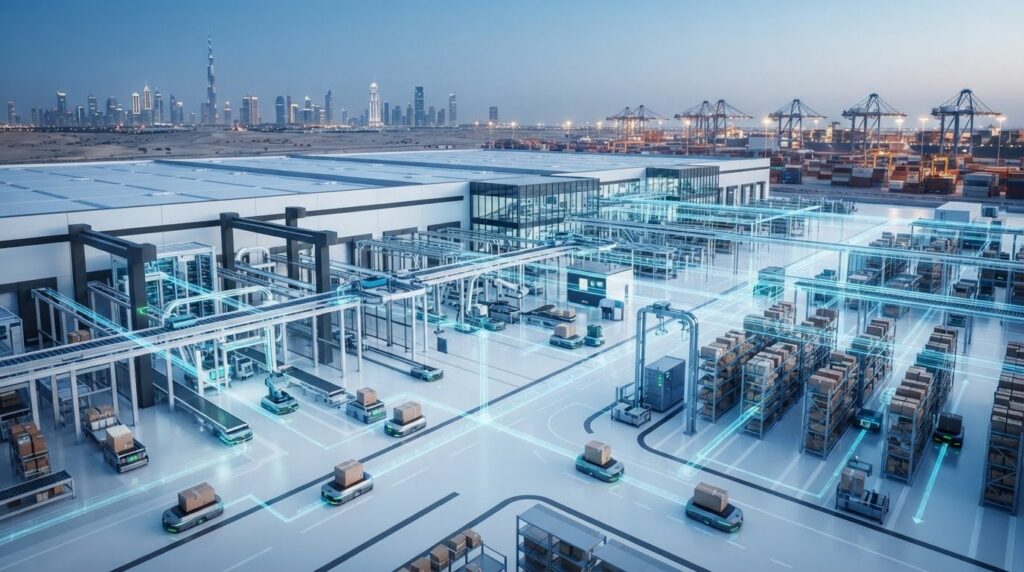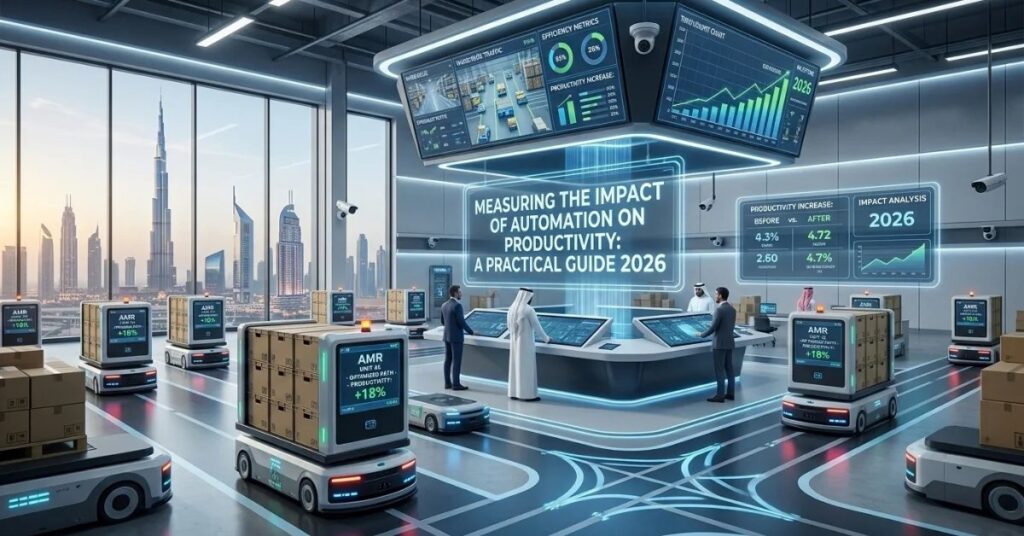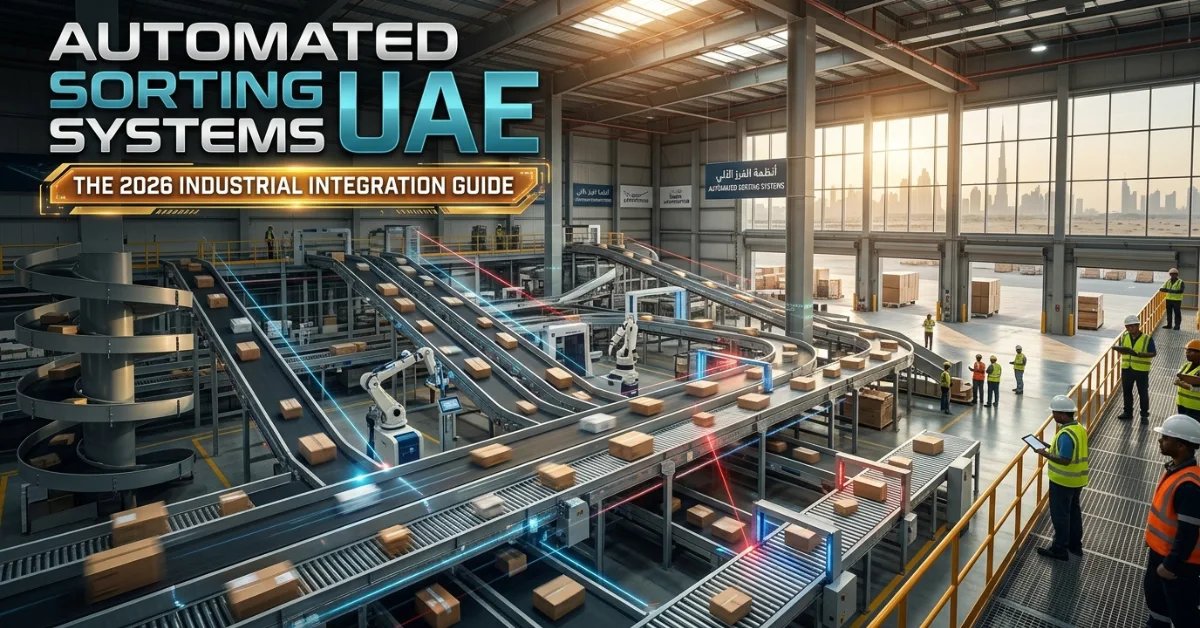
AI-powered navigation systems in modern warehouses are currently increasing throughput by 25% by dynamically rerouting robotic fleets around real-time bottlenecks. You’ve likely experienced the mounting pressure of manual sorting during peak periods, where labor-intensive logistics drive operational costs to unsustainable levels. It’s a common struggle to bridge the gap between high-performance hardware and legacy PLC or SCADA frameworks. Implementing the advanced automated sorting systems UAE industrial leaders now demand requires more than just machinery; it requires a sophisticated digital architecture that ensures seamless data flow.
Discover how advanced automated sorting systems are transforming UAE logistics and manufacturing through high-speed precision and seamless robotic integration. By aligning autonomous mobile robots with intelligent control layers, your facility can achieve unprecedented accuracy and speed while mitigating operational risks. This guide provides a comprehensive roadmap for 2026, detailing the transition from rigid mechanical belts to agile, software-defined ecosystems. We’ll examine how bespoke PLC integration and AMR flexibility create a foundation for long-term operational resilience through Industry 4.0 standards, positioning your organization at the forefront of regional industrial transformation.
Key Takeaways
- Analyze the strategic transition from manual labor to high-speed automated architectures, a critical evolution for maintaining manufacturing competitiveness in the 2026 landscape.
- Evaluate the performance benefits of flexible robotic fleets over traditional fixed sorters, specifically focusing on hardware durability within high-temperature industrial environments.
- Optimize your logistics lifecycle by integrating high-speed automated sorting systems UAE with advanced storage and retrieval systems to create a unified, high-throughput flow.
- Establish a robust control layer through professional PLC and SCADA integration, ensuring real-time visibility and seamless communication across your entire sorting infrastructure.
- Discover how combining collaborative robots with automated sorting solutions provides a scalable framework for long-term operational resilience and end-of-line precision.
The Strategic Evolution of Automated Sorting Systems in the UAE
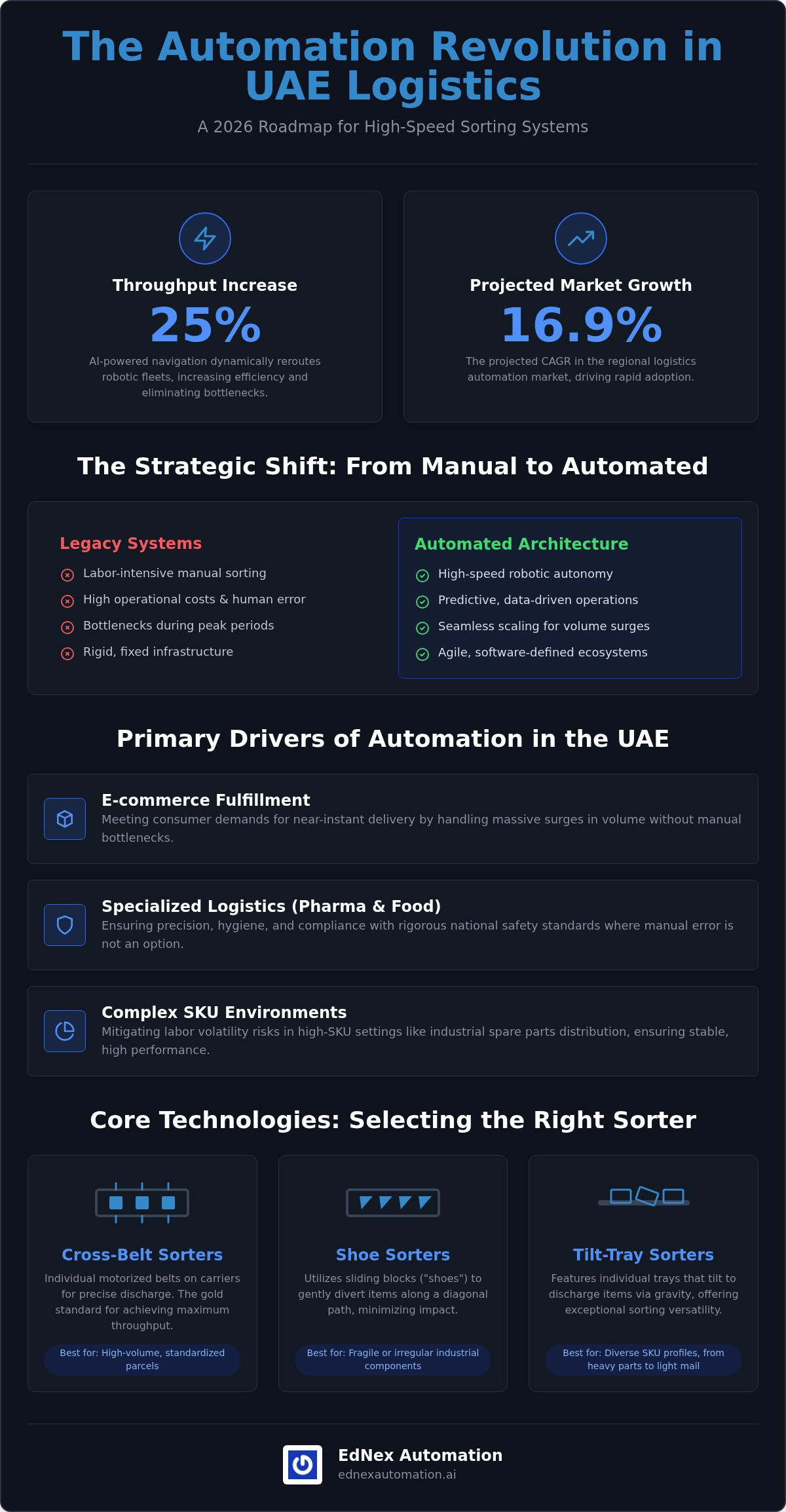
The UAE industrial landscape is undergoing a profound metamorphosis, shifting away from traditional, labor-heavy methodologies toward a future defined by robotic autonomy. This transition isn’t merely a technological upgrade but a strategic imperative for national logistics hubs aiming to maintain global relevance in 2026. Recognizing the projected 16.9% CAGR in the regional logistics automation market, enterprises are aggressively deploying automated sorting systems UAE to replace the manual interventions that previously throttled throughput. Adopting an “automation-first” mindset is now the prerequisite for scalable growth, enabling organizations to transition from reactive operations to predictive, high-speed architectures that align with the national Industry 4.0 vision. To further support this vision through sustainable resource management, you can discover EcoSynergy System and its circular-economy framework designed for global implementation.
Drivers of Automation in the UAE National Market
Rapidly expanding e-commerce fulfillment requirements remain a primary catalyst for this technological shift. With regional consumer expectations demanding near-instant delivery, the margin for error in manual sorting has effectively vanished. Incorporating Logistics Automation into the core of supply chain operations allows facilities to handle massive surges in volume without the typical bottlenecks associated with seasonal peaks. In sectors like pharmaceuticals and food-grade logistics, where precision and hygiene are non-negotiable, intelligent robotic systems ensure compliance with rigorous national safety standards. These systems also mitigate the risks associated with labor volatility, providing a stable, high-performance foundation for industrial spare parts distribution and other complex, high-SKU environments.
Sorting Systems as a Competitive Advantage
Deploying advanced sorting technology provides a definitive edge by drastically reducing order-to-delivery cycles through precision high-speed sortation. By automating the identification and routing of parcels, businesses minimize human error in complex SKU management, which is essential for high-density warehouses. This technical evolution also enhances facility safety; reducing manual forklift and trolley movements creates a controlled environment where human personnel are removed from high-risk zones. The synergy between these systems and Industry 4.0 protocols ensures that every sortation event is tracked and optimized. Organizations that embrace this integration don’t just improve current output; they build long-term operational resilience that secures their market position against global competitors.
Technical Architectures: Selecting the Right Sorter for UAE Operations
Selecting the optimal architecture for industrial sortation requires a precise balance between peak throughput and long-term adaptability. While traditional fixed conveyors have historically defined high-volume logistics, modern automated sorting systems UAE are increasingly pivoting toward modular, robotic designs that offer superior flexibility. In the regional climate, hardware must meet stringent durability requirements to withstand ambient heat and fine particulate dust. Engineers must prioritize systems with high IP ratings and specialized cooling mechanisms to prevent thermal throttling during intensive operational cycles. Modularity has become the cornerstone of 2026 warehouse design, allowing enterprises to reconfigure layouts as SKU profiles evolve without the prohibitive costs of structural overhauls.
Linear and Loop Sorter Technologies
Cross-belt sorters remain the gold standard for high-volume logistics hubs, utilizing individual motorized belts on carriers to achieve maximum throughput for standardized parcels. When handling fragile or irregular industrial components, shoe sorters provide a gentler alternative by using sliding blocks to divert items along a diagonal path without impact. For manufacturing environments with diverse SKU profiles, tilt-tray systems offer exceptional versatility. These systems use gravity-based discharge to sort everything from heavy spare parts to lightweight envelopes on a single continuous loop, ensuring consistent performance across varied product lines.
The Rise of AMR-Based Sorting Fleets
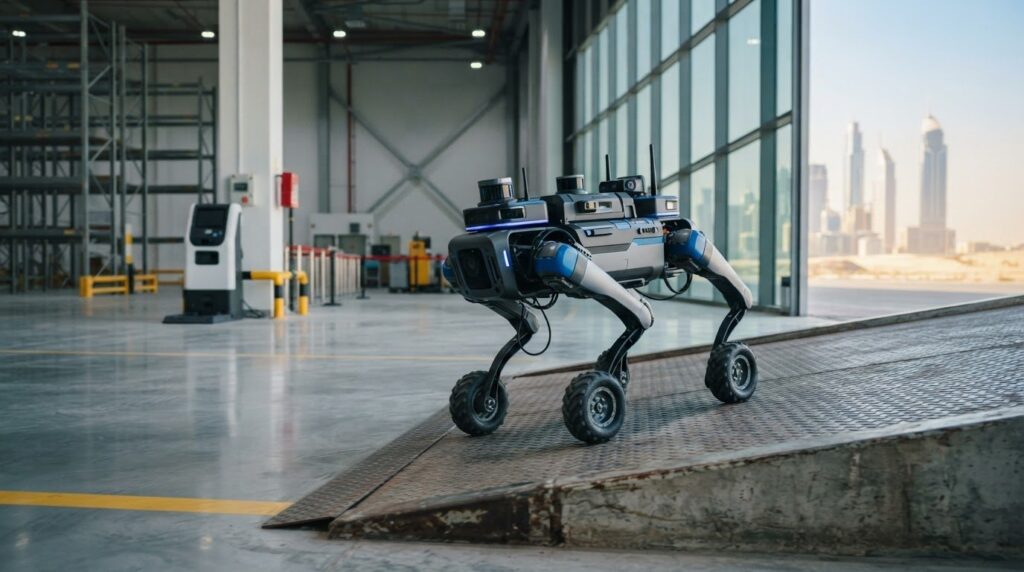
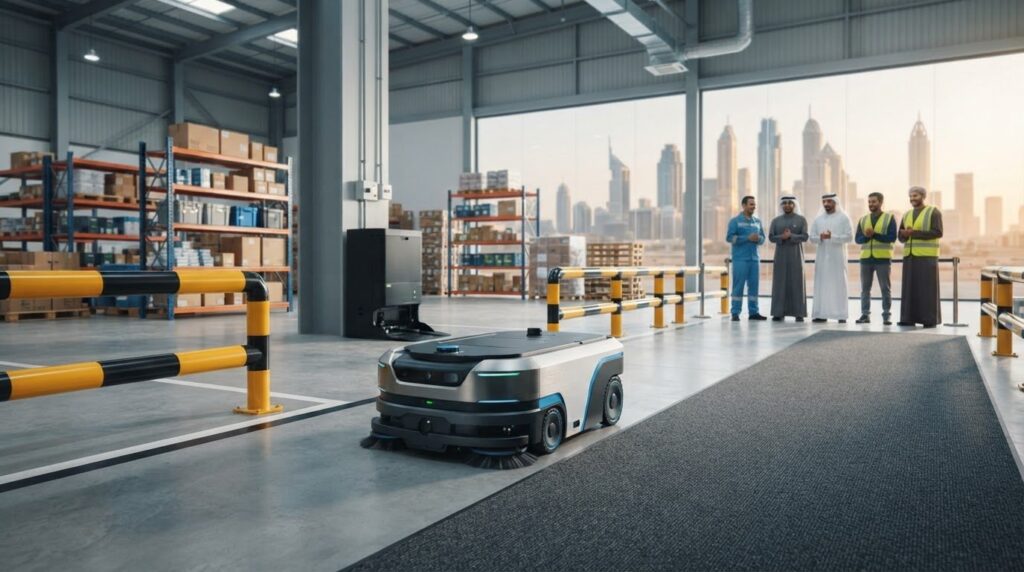
The most significant architectural shift in 2026 involves leveraging autonomous mobile robots for flexible, floor-based sorting. Unlike rigid, fixed-path conveyors, AMR fleets allow for rapid scalability where operators can add individual units to the fleet without stopping production or modifying permanent infrastructure. These robots utilize AI-powered navigation to dynamically reroute around bottlenecks, a capability that increases throughput by up to 25% in high-density environments according to recent industry benchmarks. Safety remains a paramount concern in UAE facilities, and modern AMRs utilize advanced LiDAR and computer vision to operate seamlessly alongside human personnel, creating a collaborative and high-efficiency workspace. Integrating these mobile units requires a deep understanding of local industrial constraints, and you can consult with an automation expert to determine which robotic configuration aligns with your facility’s specific PPH requirements.
Integrating Automated Storage and Retrieval Systems (ASRS) with Sortation
Synchronizing high-density storage with rapid dispatch protocols creates a unified logistics flow that eliminates traditional operational silos. Within the 2026 industrial environment, the automated sorting systems UAE enterprises utilize are most effective when tethered to a sophisticated retrieval architecture. The technical synergy between automated storage and retrieval systems and high-speed sorters ensures that inventory moves through the facility with zero manual touchpoints. This integration is particularly vital in national industrial zones, where the base construction cost for smart warehouses has reached AED 2,500 per square meter. By maximizing vertical height for storage and feeding retrieval directly into automated sorting lines, facilities significantly reduce their physical footprint while maintaining real-time inventory synchronization.
ASRS-to-Sorter Handover Protocols
Designing efficient conveyor interfaces between storage buffers and sorting lines is essential for maintaining a high-velocity “handshake” between systems. Intelligent ASRS sequencing allows for the management of peak-hour surges by pre-staging high-velocity SKUs before they reach the induction zone. This proactive logic reduces bottlenecking at the sorting system’s entry points, where throughput capacity is often compromised. Implementing these automated handover protocols ensures that the speed of retrieval matches the precision of sortation, providing a seamless transition from the rack to the dispatch bay.
Case Study Concepts: Fulfillment Centers in the UAE
Analyzing high-density storage combined with multi-tier sorting architectures reveals how fulfillment centers achieve massive scalability. High-speed sorters integrated with multi-level retrieval systems allow for a compact footprint that outperforms traditional, sprawling warehouse layouts. This configuration improves order accuracy through automated retrieval and verification steps, which is critical for high-stakes sectors like pharmaceuticals. By reducing the physical distance between storage and dispatch, enterprises can drastically shorten order-to-delivery cycles, securing a competitive advantage in the 2026 market.
The Control Layer: PLC and SCADA Integration for Sorting
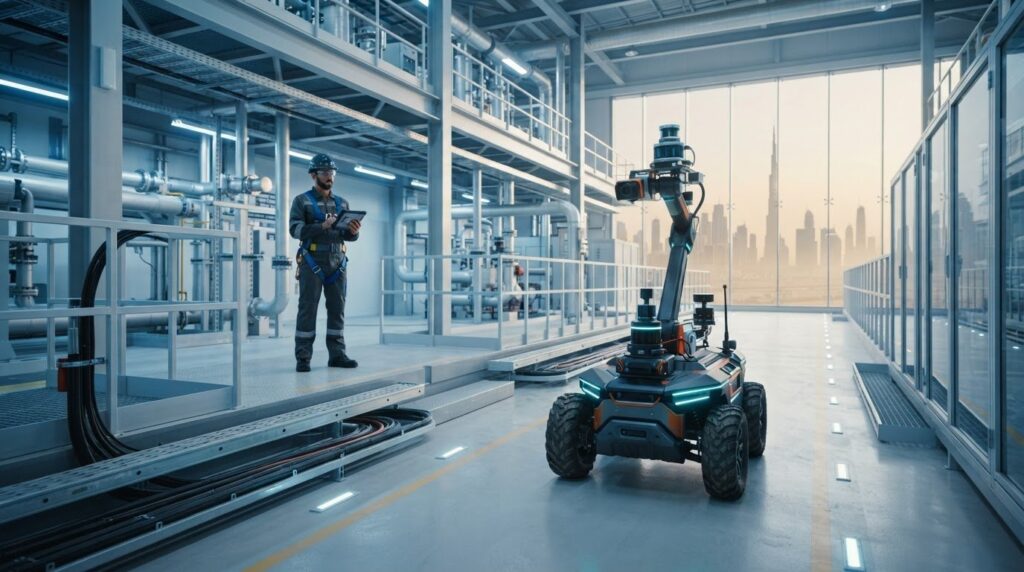
The efficacy of automated sorting systems UAE depends entirely on the underlying control layer. This architecture acts as the neural network, facilitating seamless communication between physical sorting hardware and the high-level Warehouse Management System (WMS). Establishing this connection isn’t a simple plug-and-play task; it requires sophisticated PLC and SCADA integration services to ensure that every diverter, belt, and robotic arm operates in perfect synchronization. By implementing IIoT sensors throughout the sorting line, operators can transition to predictive maintenance models. These sensors monitor vibration, temperature, and torque in real-time, allowing for the identification of potential failures in sorting belts or robotic components before they result in costly downtime.
Custom PLC Programming for Sorting Logic
Developing custom PLC programming is essential for managing complex induction sequences that define high-speed sorting. High-velocity sensors require low-latency response times to ensure that items are diverted with millimetric precision. Meticulous logic design incorporates safety interlocks and emergency stop protocols across the entire line, protecting both the machinery and the human personnel. This bespoke approach ensures that the sorting logic is tailored to specific SKU profiles and facility layouts, providing a robust foundation for industrial throughput. It’s the difference between a generic conveyor and an intelligent, responsive sorting ecosystem.
SCADA for Enterprise-Wide Sorting Visibility
SCADA systems provide the necessary visibility for national facility managers to oversee automated sorting systems UAE across various locations. These platforms centralize data from multiple sorting lines into a single dashboard, offering a comprehensive view of sorting throughput and error rates. Historical data logging serves as a critical tool for operational auditing, enabling engineers to identify long-term trends and optimize sorting parameters for maximum efficiency. Remote monitoring capabilities ensure that decision-makers have access to real-time performance metrics from any location, facilitating rapid intervention when anomalies occur. This data-driven approach transforms raw operational metrics into actionable business intelligence.
To secure this level of technical orchestration for your facility, partner with a specialized industrial automation consultant who understands the intricacies of UAE infrastructure.
Future-Proofing UAE Industrial Operations with EdNex Automation
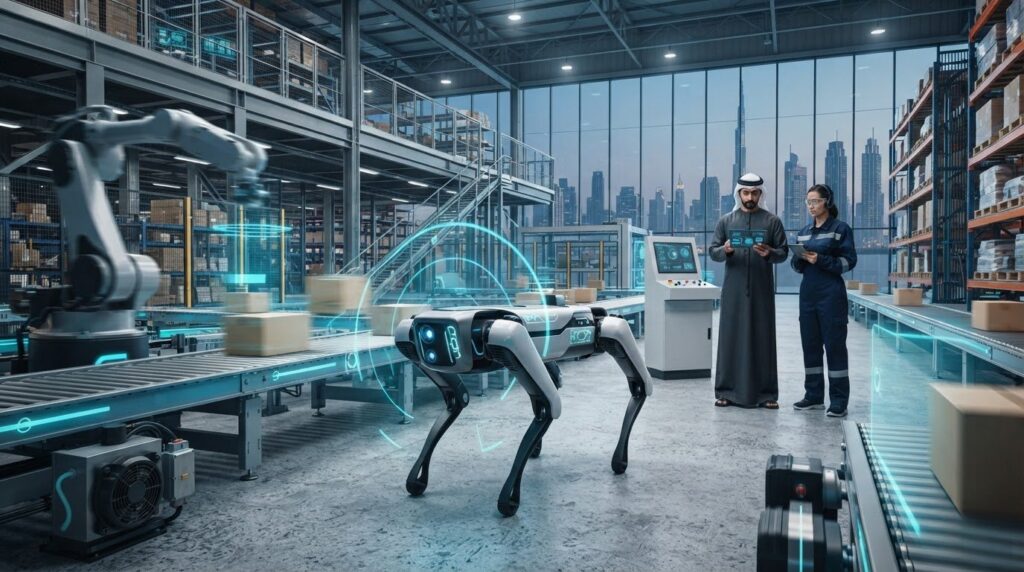
Deploying complex industrial infrastructure requires more than just procurement; it demands a visionary integration partner capable of orchestrating a cohesive technological ecosystem. EdNex Automation serves as this strategic bridge, transforming traditional facilities into high-performance hubs through the deliberate application of automated sorting systems UAE. By aligning sorting hardware with collaborative robots, enterprises can automate end-of-line packing with surgical precision. This synergy ensures that sorted items are immediately transitioned into secure packaging without manual handling, directly addressing the operational pains of labor-intensive logistics while maximizing throughput.
The EdNex approach begins with high-level technical consulting and extends through full-scale robotic deployment, ensuring that every component serves a specific business objective. This methodology prioritizes long-term ROI by providing system visibility and operational resilience from the outset. Maintaining these systems requires authorized expertise, which is why EdNex offers certified maintenance and regional technical support tailored to the specific demands of the national market. This comprehensive lifecycle management mitigates the risks of sudden mechanical failures, ensuring that your sorting infrastructure remains competitive as the national industrial sector evolves toward total autonomy.
Building an Intelligent Robotic Ecosystem
Scaling your automation roadmap involves the integration of diverse robotic classes to support the sorting core and enhance overall facility intelligence. Integrating humanoid robots for complex picking tasks adjacent to sorting lines allows for a level of dexterity and adaptability that traditional machinery cannot provide. Simultaneously, utilizing autonomous cleaning robots ensures that sorting facility hygiene standards are maintained without diverting human resources from high-value operational roles. This holistic ecosystem approach allows your organization to adapt as national economic demands shift, providing the intellectual and mechanical framework necessary for sustained industrial excellence.
Partnering for UAE Industrial Excellence
Leveraging status as an authorized partner of global robotics leaders like Unitree, Pudu, and Kinova, EdNex Automation delivers world-class technology grounded in deep regional expertise. Every deployment ensures strict compliance with national industrial regulations and safety standards, including the mandatory self-assessments required by the UAE AI Act 2026. This commitment to legitimacy and technical rigor positions your organization as a leader in the Industry 4.0 era, ensuring that your systems are both legally compliant and technologically superior. Contact EdNex Automation to design your bespoke automated sorting system today and secure the long-term viability of your industrial operations.
Securing National Industrial Leadership through Advanced Automation
Transitioning from rigid mechanical belts to agile, software-defined ecosystems is the definitive requirement for organizations wishing to remain competitive in 2026. Integrating automated sorting systems UAE industrial leaders depend upon ensures high-speed precision while mitigating the risks of labor-intensive logistics. Success in this transformation relies on the seamless synergy between ASRS, robotic fleets, and the underlying PLC and SCADA frameworks that provide necessary system visibility. By establishing a robust control layer, your facility can achieve the throughput gains essential for modern e-commerce and manufacturing demands. It’s about more than just speed; it’s about building a resilient, data-driven foundation.
EdNex Automation acts as your grounded technical partner, offering comprehensive PLC/SCADA integration expertise and national UAE technical support. As an authorized partner of global innovators like Unitree and Franka Robotics, we provide the intellectual framework necessary for successful Industry 4.0 implementation. Our end-to-end consulting ensures your technology acquisition evolves into a sustainable competitive advantage. Design Your Visionary Sorting Solution with EdNex Automation and lead the next era of regional industrial excellence.
Frequently Asked Questions
What are the primary types of automated sorting systems available in the UAE?
The national market utilizes diverse architectures including cross-belt, shoe, and tilt-tray sorters for high-volume linear operations. However, the 2026 industrial shift emphasizes the deployment of autonomous mobile robots (AMRs) for floor-based sorting. These robotic fleets offer superior flexibility compared to fixed infrastructure. EdNex Automation integrates these various automated sorting systems UAE enterprises require, ensuring that the selected technology aligns with specific SKU profiles and facility throughput demands.
How much throughput can an AMR-based sorting system handle compared to a conveyor?
While traditional cross-belt conveyors can achieve massive parcels-per-hour (PPH) rates, AMR-based fleets offer dynamic efficiency. AI-powered navigation systems in modern warehouses currently increase throughput by 25% by rerouting robotic fleets around real-time bottlenecks. This prevents the total system stoppages often seen in fixed conveyor failures. The choice depends on whether your facility prioritizes the raw speed of linear sorters or the resilient, software-defined throughput of autonomous robotic fleets.
Can automated sorting systems be integrated with existing PLC and SCADA networks?
Seamless integration with existing industrial control layers is a core requirement for modern automation. EdNex Automation provides specialized PLC and SCADA integration services to bridge the gap between sorting hardware and your Warehouse Management System. This technical handshake ensures real-time visibility and low-latency response times for high-speed sensors. Establishing this control layer allows for centralized monitoring of sorting error rates and throughput metrics across your entire national industrial infrastructure.
What is the typical ROI period for a warehouse sorting automation project?
The return on investment for a warehouse sorting project is typically realized through a combination of reduced operational costs and increased accuracy. By mitigating the high costs of manual labor during peak periods and eliminating human error in complex SKU management, enterprises secure long-term financial viability. While specific timelines vary based on facility volume, the transition to Industry 4.0 architectures provides the intellectual and mechanical framework necessary to remain competitive in a rapidly evolving national economy.
How do automated sorting systems handle irregular or fragile industrial items?
Specialized sorting architectures like shoe sorters utilize sliding blocks to divert fragile or irregular items without impact. For more complex industrial components, integrating collaborative robots (cobots) at the induction or packing points provides the necessary dexterity for delicate handling. These systems ensure that varied product lines are processed with high-speed precision, maintaining integrity for sensitive sectors like pharmaceuticals and food-grade logistics where strict accuracy standards are non-negotiable.
What maintenance is required for high-speed sorting systems in the UAE climate?
High-speed automated sorting systems UAE require specialized hardware designed to withstand ambient heat and fine particulate dust. Implementing IIoT sensors for predictive maintenance allows facility managers to monitor vibration and torque, identifying potential failures before they occur. Regular servicing of IP-rated enclosures and cooling mechanisms is essential for preventing thermal throttling. To maintain long-term reliability, you can explore Wholesale and Bulk Product Sales for the industrial lubricants required to protect high-speed machinery from wear. EdNex provides certified maintenance and regional technical support to ensure your sorting infrastructure operates at peak performance throughout its lifecycle.
Scaling an automated sorting system is highly achievable, particularly when utilizing AMR-based architectures. Unlike fixed conveyors that require structural modifications, robotic fleets allow you to add individual units to the floor without stopping production. This modular approach ensures that your automation roadmap can evolve alongside national economic demands. Even linear systems can be designed with modularity in mind, allowing for the addition of induction points or divert lanes as your SKU volume expands.
How does EdNex Automation support the integration of sorting systems with ASRS?
EdNex Automation provides end-to-end expertise in creating a unified logistics flow from storage to dispatch. We design the critical technical “handshake” between automated storage and retrieval systems (ASRS) and high-speed sorters to eliminate operational bottlenecks. This integration involves custom PLC programming and intelligent sequencing to ensure that retrieved inventory is staged efficiently for sortation. Our consulting services ensure that your vertical storage and horizontal sorting systems operate as a single, synchronized industrial ecosystem.