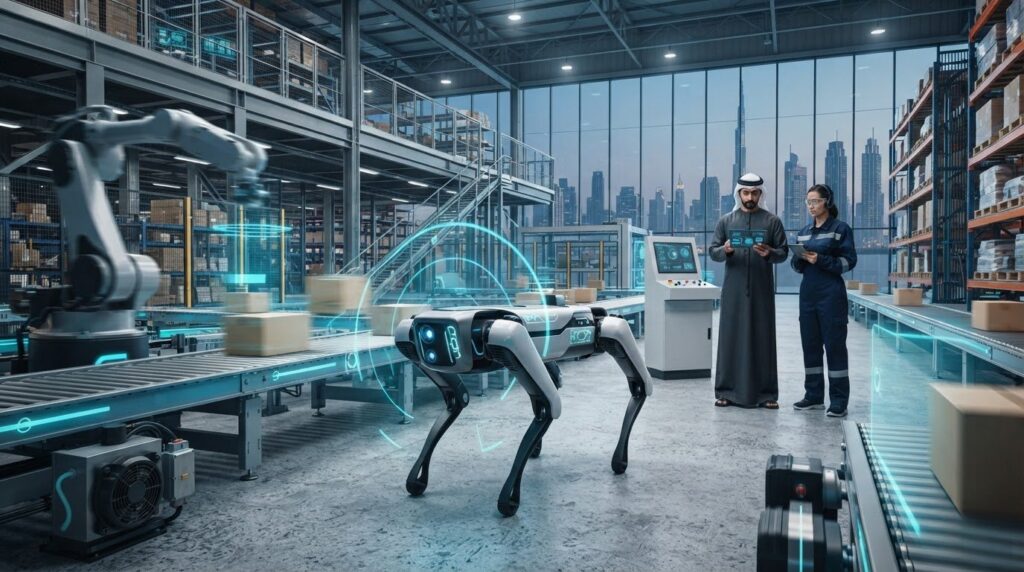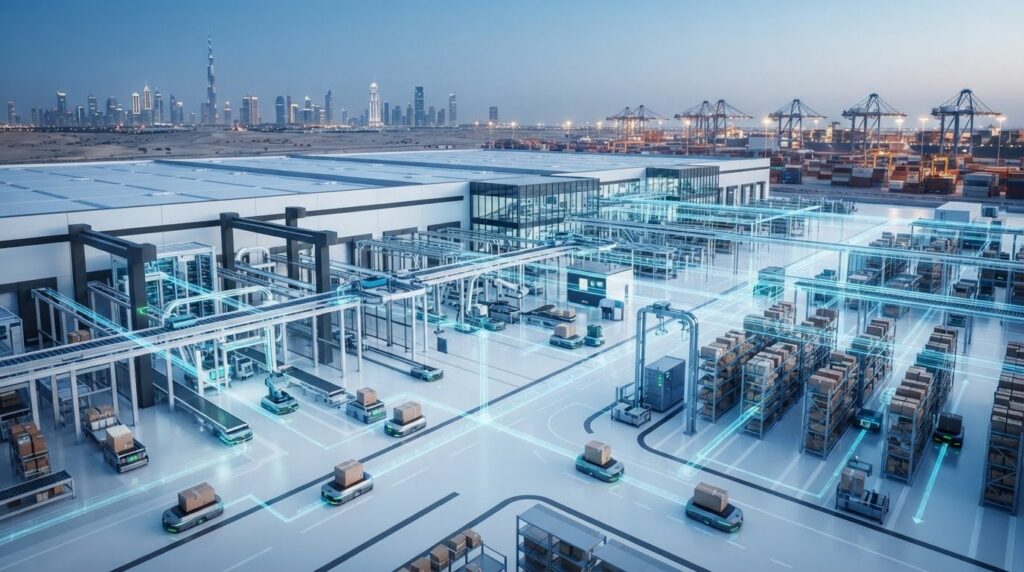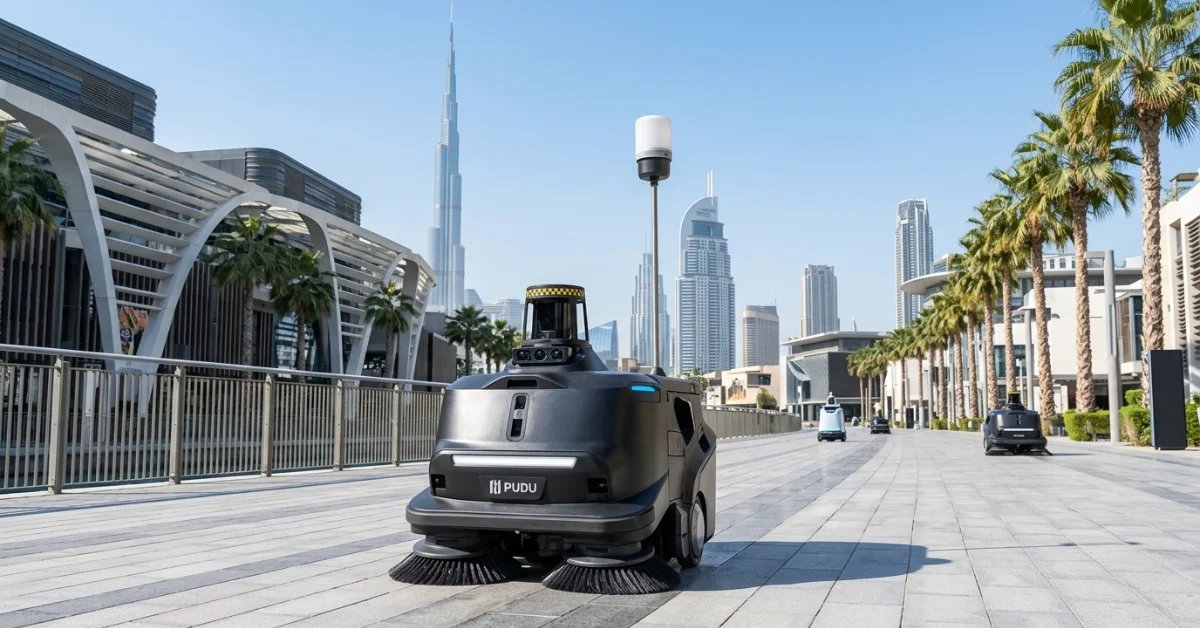
Relying on manual labor to maintain pristine facility exteriors in the 50°C heat of the UAE’s summer is no longer just an operational challenge; it’s a fundamental business risk. Facility managers across the region recognize that traditional sweeping methods frequently fail to combat relentless dust and the high turnover of manual crews. Integrating outdoor cleaning robots UAE into your maintenance strategy provides a sophisticated solution that ensures high aesthetic standards while significantly reducing long-term operational costs. This 2026 industrial guide explores how industrial-grade autonomous platforms are transforming facility management through engineering specifically designed for extreme climates. Utilizing high-tech sensor suites and heat-resistant components, these systems overcome the limitations of traditional equipment that often fails under the intense Gulf sun. We will examine the latest advancements in autonomous sweeper models, the regulatory landscape regarding the UAE’s Data Privacy Law, and the strategic shift toward robotic integration. By adopting these intelligent systems, organizations can future-proof their infrastructure and bridge the gap between global innovation and regional industrial requirements.
Key Takeaways
- Learn how the deployment of outdoor cleaning robots UAE is revolutionizing large-scale facility maintenance by replacing inconsistent manual labor with autonomous, Industry 4.0 technology.
- Understand the critical engineering requirements for robotic survival in the Gulf, including advanced thermal management and dust filtration systems designed for 50°C environments.
- Discover how to optimize your Total Cost of Ownership (TCO) by transitioning from high-turnover sweeping crews to high-efficiency autonomous fleets.
- Explore a structured deployment framework for integrating robotics into existing commercial infrastructure, including site-wide mapping and PLC/SCADA synchronization.
Scaling Facility Maintenance with Outdoor Cleaning Automation
Defining outdoor cleaning robots as sophisticated autonomous mobile platforms, these systems represent a paradigm shift in large-scale debris management. Unlike traditional methods that rely on expansive manual sweeping crews, modern automation leverages advanced navigation and specialized hardware to maintain urban environments with precision. The UAE’s unprecedented infrastructure expansion, characterized by massive industrial zones and sprawling commercial plazas, necessitates a cleaning solution that keeps pace with rapid development. Manual processes can’t match the consistency or scale required for the country’s high-traffic transport hubs and logistics centers. As facility managers seek to optimize their operations, the deployment of outdoor cleaning robots UAE has become a strategic necessity rather than a luxury. These systems provide a systematic approach to cleanliness, ensuring that expansive exteriors remain pristine despite the challenging regional environment.
Several key sectors are already realizing the benefits of this technological transition:
- Industrial Parks: Managing vast paved areas and loading docks where dust accumulation and industrial waste are constant challenges, often requiring a combination of robotic sweeping and specialized partners like Junkremovalllc for bulk debris removal.
- Commercial Plazas: Maintaining high aesthetic standards for premium retail and office exteriors to reflect brand prestige.
- Transport Hubs: Ensuring continuous cleanliness in airports and metro stations without obstructing the flow of thousands of daily commuters.
The Need for Industrial-Grade Autonomy
It’s a common misconception that standard residential vacuum technology can scale to meet commercial needs. Industrial environments present unique challenges like heavy sand accumulation, gravel, and diverse waste types that easily overwhelm consumer-grade machinery. Deploying autonomous cleaning robots engineered for heavy-duty tasks ensures that facility managers maintain operational continuity without frequent equipment failure. These platforms utilize high-torque drive systems and reinforced filtration to handle the abrasive nature of desert environments. By focusing on industrial-grade autonomy, organizations protect their investment from the rapid wear and tear associated with outdoor operations in the Gulf.
UAE National Goals and Automation
Integrating outdoor cleaning robots UAE into the national infrastructure aligns directly with the UAE Strategy for Artificial Intelligence 2031. This visionary framework aims to position the nation as a global leader in high-tech adoption and digital transformation. By transitioning to automated systems, organizations contribute to the national objective of reducing reliance on low-skilled manual labor within the workforce, fostering a more tech-driven economy. This shift doesn’t just improve efficiency; it enhances the “smart city” profile of UAE commercial developments, signaling a commitment to Industry 4.0 standards. Modern facility management now requires a systematic organizer who brings order and safety to complex environments through controlled and deliberate innovation.
Engineering for Extremes: How Outdoor Robots Survive UAE Environments
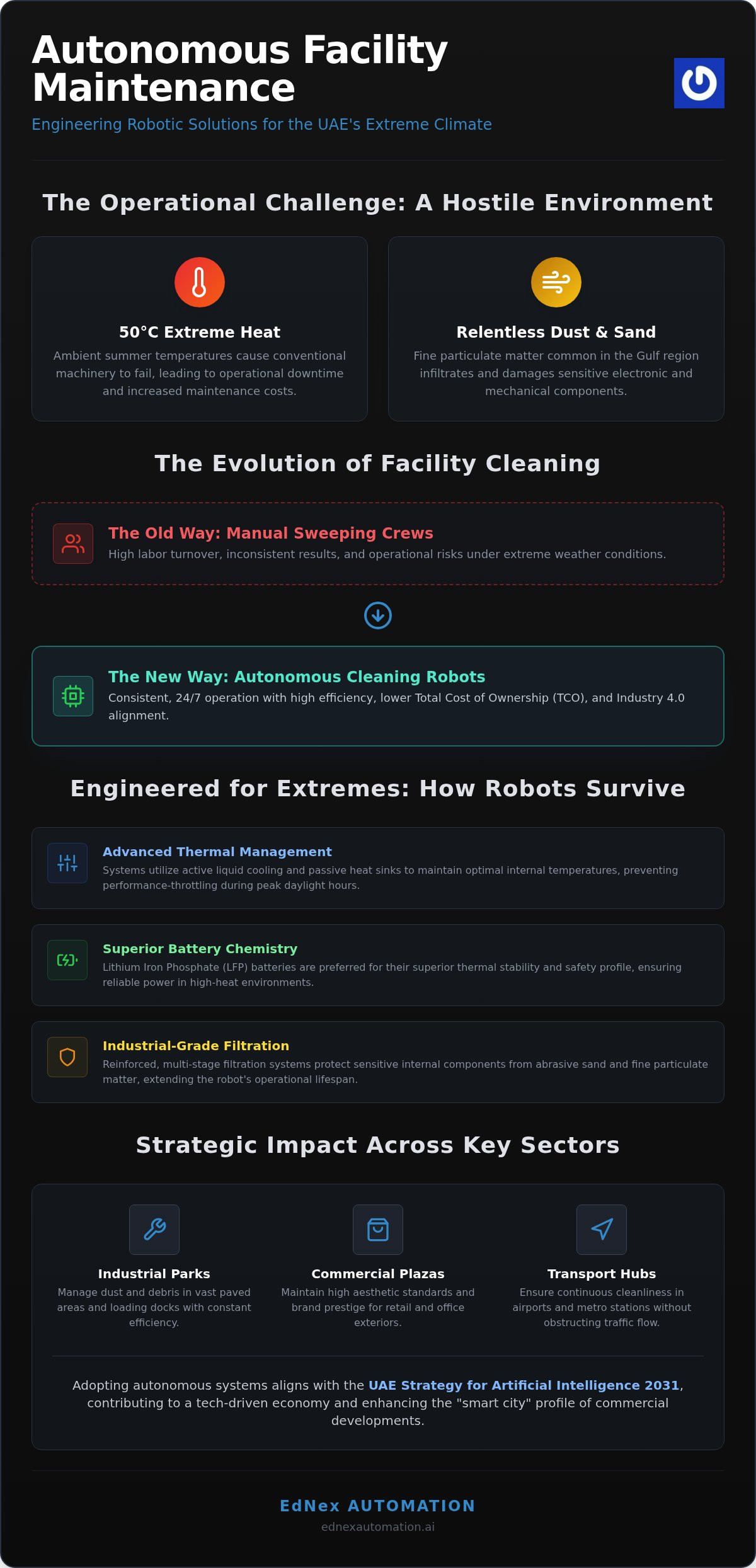
Operating industrial machinery in the UAE requires a fundamental departure from standard hardware specifications due to the region’s relentless thermal and particulate demands. While consumer units fail under the strain of 50°C ambient temperatures, outdoor cleaning robots UAE are engineered with specialized cooling architectures to ensure mission-critical reliability. High-performance units utilize a combination of active liquid cooling and advanced passive heat sinks to maintain optimal internal temperatures for sensitive electronics. Thermal throttling is a protective state where a system reduces its computational performance to mitigate heat buildup; preventing this requires robust thermal management to ensure the robot doesn’t stall during peak daylight hours. This engineering focus extends to battery chemistry, where lithium iron phosphate (LFP) is often preferred for its superior thermal stability and safety profile in high-heat environments.
Protecting internal components from the fine particulate matter characteristic of the Arabian Peninsula necessitates rigorous adherence to Ingress Protection (IP) standards. Systems rated at IP65 or IP67 provide the essential seal against dust and sand ingress that would otherwise cause catastrophic mechanical failure in traditional equipment. Navigation also demands a specialized approach, as high-glare conditions can blind standard computer vision systems. By utilizing high-frequency LiDAR alongside polarized vision sensors, these robots maintain spatial awareness even in the intense midday sun. If you’re looking to upgrade your facility’s resilience, exploring bespoke automation solutions can provide the technical edge needed for desert operations.
Heat-Resistant Robotics Infrastructure
Maintaining operational integrity requires a sophisticated balance between active cooling fans and heat-dissipating chassis designs. For autonomous units, the choice of battery chemistry is paramount, as high-ambient-temperature stability prevents premature degradation and ensures a longer lifecycle for the fleet. These design choices directly impact the Total Cost of Ownership by reducing the frequency of component replacements in harsh climates. Using these hardened systems allows facility managers to maintain consistent performance regardless of seasonal temperature spikes.
Sensory Accuracy in Sand and Dust
Achieving 24/7 operation in dusty environments relies on multi-sensor fusion, a technique that combines data from various inputs to maintain localization when visibility drops. Leading platforms feature self-cleaning sensor housings that use compressed air or specialized wipers to clear debris without human intervention. This capability is essential when integrating with autonomous mobile robots to ensure coordinated fleet movement across expansive industrial sites. By prioritizing sensory resilience, organizations can guarantee that their autonomous fleets remain operational even during the region’s frequent dust storms.
Strategic ROI: Transitioning from Manual Sweeping to Autonomous Fleets
Analyzing the Total Cost of Ownership (TCO) reveals that the initial acquisition of outdoor cleaning robots UAE is merely the baseline for long-term fiscal optimization. While traditional sweeping depends on recurring labor expenses and high staff turnover, autonomous fleets offer a predictable cost structure that stabilizes facility budgets. Transitioning to these systems allows organizations to re-deploy human capital toward high-value maintenance tasks that require critical thinking rather than repetitive physical exertion. This shift mitigates the operational risks associated with recruiting and managing large manual crews in a competitive market. Constant 24/7 cleaning cycles ensure that debris doesn’t accumulate; this directly extends the functional lifespan of external infrastructure. The savings are immediate. By delegating outdoor sweeping to robots during peak temperature hours, companies drastically lower the risk of heat-related illness and the subsequent liability costs associated with extreme weather exposure.
Quantifying Labor and Operational Savings
Evaluating the financial impact involves comparing the rising hourly rates of manual labor in the UAE against the minimal electricity consumption of robotic units. Automated systems eliminate the heavy administrative overhead required for housing, transporting, and managing large cleaning teams across multiple shifts. Efficiency gains are measurable. By maintaining a continuous and standardized sweeping frequency, robotic consistency prevents the abrasive buildup of sand and grit that leads to premature long-term flooring degradation. This preventative maintenance approach reduces the need for expensive surface repairs or premature replacements. It’s a smarter way to manage assets. Organizations can finally move away from the “break-fix” cycle and toward a model of constant, autonomous upkeep.
Environmental Impact and Sustainability
Adopting outdoor cleaning robots UAE significantly strengthens a corporation’s ESG (Environmental, Social, and Governance) profile. Many industrial-grade models utilize waterless cleaning technologies, which is a critical advantage in the arid climate of the Gulf where water conservation is a national priority. Unlike traditional diesel-powered sweepers that emit carbon and noise pollution, electric-powered autonomous units provide a silent, emission-free alternative. This transition supports the UAE’s Net Zero 2050 initiative and helps organizations meet increasingly stringent sustainability reporting requirements. It’s not just about clean floors. It’s about aligning industrial operations with global environmental standards. Modern facility management requires this level of ecological responsibility to remain competitive in the current economic landscape.
Deployment Framework: Integrating Outdoor Robots into Commercial Infrastructure
Deploying outdoor cleaning robots UAE across complex commercial landscapes demands a rigorous framework that transcends simple equipment placement. It begins with a comprehensive site-wide mapping and connectivity audit to ensure seamless data transmission across expansive industrial footprints. Utilizing high-definition SLAM technology, engineers create a precise digital twin of the environment, identifying dead zones where signal loss could impede autonomous operations. Once the digital map is established, defining “No-Go” zones and safety corridors becomes paramount for ensuring fluid public interaction. These virtual boundaries prevent interference with high-traffic pedestrian areas while allowing the robots to navigate efficiently along optimized cleaning paths.
The physical infrastructure must also evolve to support 24/7 autonomy through the establishment of strategic docking and charging stations. These units aren’t merely power outlets; they’re intelligent hubs that manage battery health through climate-controlled environments, preventing the thermal stress discussed in previous sections. Successful deployment requires integration with facility-wide management software. Connecting robotic telemetry to existing building management systems allows for a unified operational view, where cleaning schedules synchronize with other maintenance activities. If you’re ready to modernize your facility, you can consult with our automation experts to design a bespoke deployment strategy.
Fleet Management and Coordination
Managing a diverse robotic workforce requires centralized dashboards that provide real-time monitoring of multiple cleaning units. These platforms offer more than just location tracking; they utilize data analytics for predictive maintenance, identifying potential hardware issues before they result in operational downtime. By analyzing sensor performance and motor health, facility managers can schedule service during off-peak hours, ensuring the fleet remains at maximum capacity. This level of coordination allows for the dynamic adjustment of cleaning cycles around peak facility traffic, maximizing efficiency without disrupting commercial operations.
Public Safety and Interaction
Ensuring public safety in crowded commercial areas relies on sophisticated obstacle avoidance protocols that go beyond basic proximity sensors. Modern outdoor cleaning robots UAE utilize a combination of audio-visual signals to alert pedestrians of their presence, maintaining a safe and respectful distance at all times. This interaction is governed by strict compliance with national safety standards for autonomous machinery. Deployments must also adhere to UAE Federal Decree-Law No. 45 of 2021 regarding personal data protection, especially for units equipped with cameras for navigation. By prioritizing these safety and privacy frameworks, organizations build trust and ensure the long-term viability of their autonomous infrastructure.
EdNex Automation: Your Partner for Integrated Robotic Ecosystems
EdNex Automation serves as the intellectual framework for large-scale industrial transformation, connecting global innovation with regional infrastructure. Unlike standard retailers, the organization prioritizes full-system integration to ensure that outdoor cleaning robots UAE function as intelligent nodes within a broader facility network. This methodology involves more than just hardware delivery; it encompasses the strategic alignment of robotic capabilities with specific business outcomes. Leveraging PLC and SCADA integration services ensures that autonomous units communicate effectively with centralized control rooms, providing facility managers with unprecedented oversight. Bespoke automation design remains at the core of this service, allowing for the customization of sensor arrays and navigation logic to suit the vast industrial parks and transport hubs of the Emirates. National coverage for technical support guarantees that maintenance and troubleshooting are handled by experts who understand the gravity of industrial downtime.
Data-Driven Facility Management
Transforming raw operational data into actionable insights is essential for modern facility management. By connecting autonomous sweepers to the Industrial Internet of Things (IIoT), organizations gain access to real-time reporting that simplifies compliance and hygiene auditing. This data-driven approach enables the optimization of maintenance schedules based on actual debris accumulation patterns rather than arbitrary timelines. Utilizing these high-tech descriptors highlights a shift toward a more intelligent, responsive maintenance model. Consistent data flow ensures that every cleaning cycle is documented, providing a transparent record of facility standards for stakeholders and regulatory bodies.
Strategic Partnership for Industry 4.0
Success in the transition from manual to autonomous operations requires a consultative partner who provides the necessary intellectual framework for implementation. EdNex adopts a systematic approach to selecting the right robotic platform, ensuring that each unit meets the rigorous engineering standards required for the UAE’s climate. This partnership extends across the entire territory, offering a reliable technical anchor for organizations wishing to remain competitive in an increasingly automated economy. By acting as a bridge-builder, the brand simplifies complex infrastructure upgrades and brings order to industrial environments. Choosing a partner with deep regional expertise ensures that your investment in outdoor cleaning robots UAE delivers long-term value and supports the national vision for a tech-driven future.
Future-Proofing UAE Industrial Infrastructure with Autonomous Systems
Adopting outdoor cleaning robots UAE represents a necessary evolution for facility managers seeking to maintain high aesthetic standards while mitigating the operational risks of extreme desert climates. We’ve explored how industrial-grade engineering protects sensitive electronics from 50°C heat and how autonomous platforms deliver measurable ROI through labor optimization and IIoT connectivity. Integrating these systems into your commercial infrastructure ensures long-term business viability and aligns with the UAE Strategy for Artificial Intelligence 2031. As an official integrator of Industry 4.0 solutions across the UAE, EdNex Automation provides the intellectual framework and technical expertise required for seamless implementation. Our certified PLC and SCADA integration specialists offer national coverage for industrial robotic maintenance and support, ensuring your autonomous fleet remains operational year-round. It’s time to bridge the gap between global technological breakthroughs and your regional industrial needs. Consult with our automation experts to deploy outdoor cleaning robotics in your facility. We’re ready to help you lead the next wave of industrial modernization.
Frequently Asked Questions
What is the primary difference between industrial outdoor cleaning robots and residential robotic vacuums?
Industrial platforms differ from residential units by utilizing reinforced chassis and high-torque motors capable of managing heavy debris like gravel and industrial waste. While home vacuums focus on indoor dust, industrial-grade systems feature advanced multi-stage filtration and high-capacity hoppers to maintain expansive commercial exteriors without frequent manual intervention. These systems are designed for high-duty cycles and the abrasive conditions found in large-scale facility management.
Can outdoor cleaning robots operate during extreme UAE summer temperatures?
Industrial-grade outdoor cleaning robots UAE are specifically engineered with active liquid cooling and heat-dissipating architectures to survive ambient temperatures reaching 50°C. Utilizing lithium iron phosphate (LFP) battery chemistry ensures thermal stability; this prevents the system from entering a thermal throttling state during peak daylight hours. These specialized cooling systems allow for mission-critical reliability when traditional equipment often fails under the intense Gulf sun.
How do these robots handle sand and fine dust common in the UAE?
Specialized filtration systems and vacuum-assisted dust suppression technologies allow these robots to manage the fine particulate matter common in desert environments. By maintaining IP65 or IP67 ratings, the internal electronics remain sealed against ingress, ensuring mechanical reliability even during regional dust storms. Self-cleaning sensor housings further ensure that the robot’s navigation remains uninterrupted by the accumulation of fine sand on camera lenses or LiDAR sensors.
What is the typical battery life and charging time for an industrial outdoor sweeper?
Typical industrial sweepers offer an operational window of six to eight hours on a single charge, though this varies based on the intensity of the cleaning cycle and surface type. Utilizing high-speed autonomous docking stations, these units can achieve a full recharge within three to four hours. This efficiency enables continuous maintenance cycles through strategic scheduling, ensuring the fleet remains active during both day and night shifts.
Do I need to modify my facility infrastructure to deploy outdoor robots?
Deploying autonomous systems usually requires minimal structural changes, focusing instead on the installation of intelligent docking stations and ensuring robust network connectivity across the site. Conducting a site-wide mapping audit allows engineers to identify optimal locations for charging hubs without disrupting existing commercial traffic flows. Most units are designed to integrate seamlessly with existing pavement and industrial flooring without requiring specialized modifications.
Are outdoor cleaning robots safe for use in public areas like malls or parks?
Public safety is guaranteed through the use of multi-sensor fusion, including high-frequency LiDAR and polarized vision, which enables precise obstacle avoidance in crowded areas. These robots utilize audio-visual signals to communicate their presence to pedestrians, while strictly adhering to UAE Federal Decree-Law No. 45 of 2021 regarding the protection of personal data in public spaces. This ensures a safe, respectful, and legally compliant interaction within any commercial or municipal environment.
How does EdNex Automation support the integration of these robots with existing systems?
EdNex Automation provides start-to-finish expertise by leveraging PLC and SCADA integration services to link robotic fleets with your existing building management systems. Offering bespoke automation design and national coverage for maintenance, the team ensures that your robotic ecosystem remains a reliable component of your Industry 4.0 strategy. This consultative approach covers everything from the initial connectivity audit to ongoing technical training for your facility staff.
What is the expected ROI timeframe for an autonomous cleaning fleet in the UAE?
Organizations typically observe a full return on investment within 12 to 24 months, driven by the significant reduction in manual labor costs and recruitment overhead. By extending the lifespan of facility flooring through consistent 24/7 cleaning, the total cost of ownership remains lower than traditional sweeping methods over the long term. These savings are further enhanced by the reduction in administrative costs and the mitigation of heat-related liability risks for human crews.