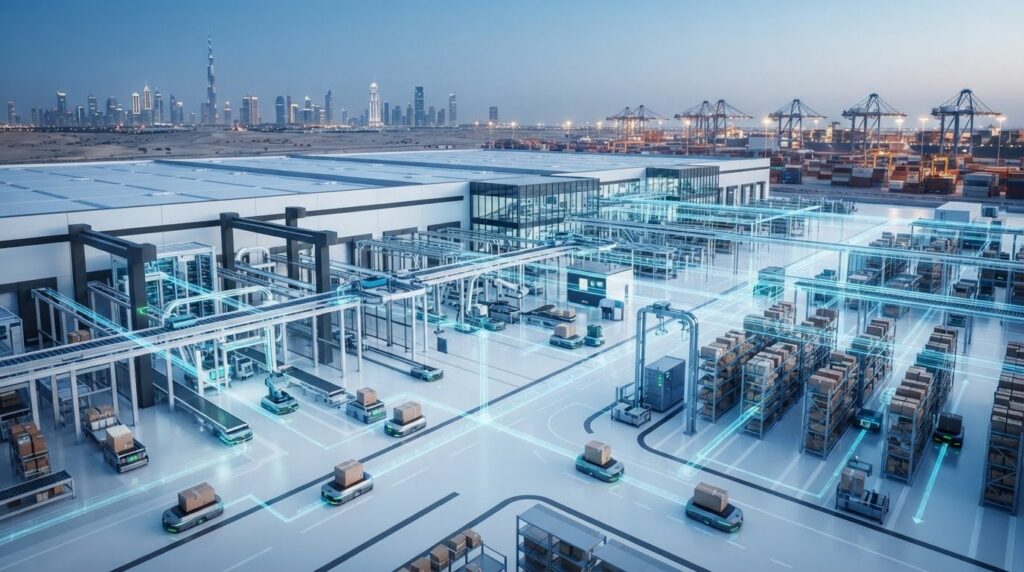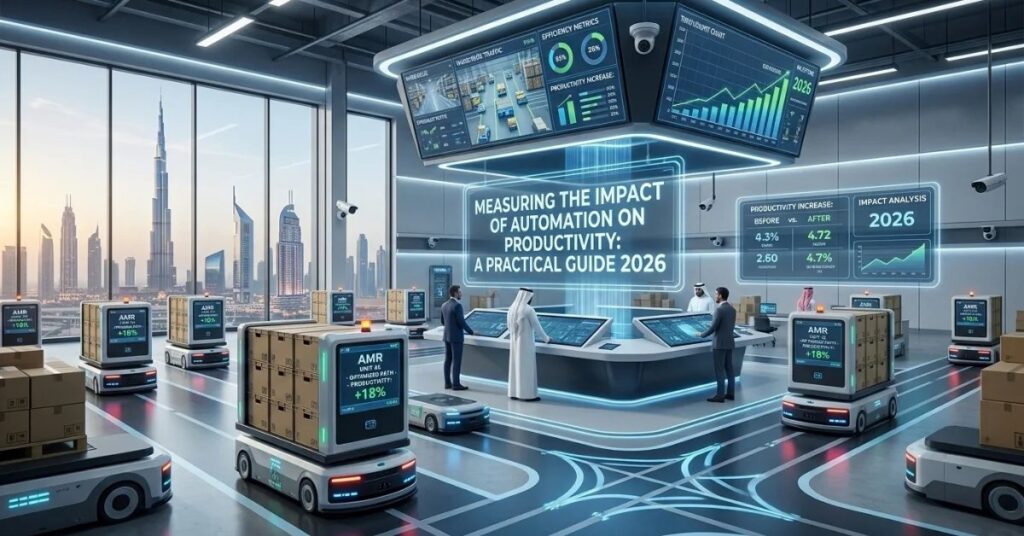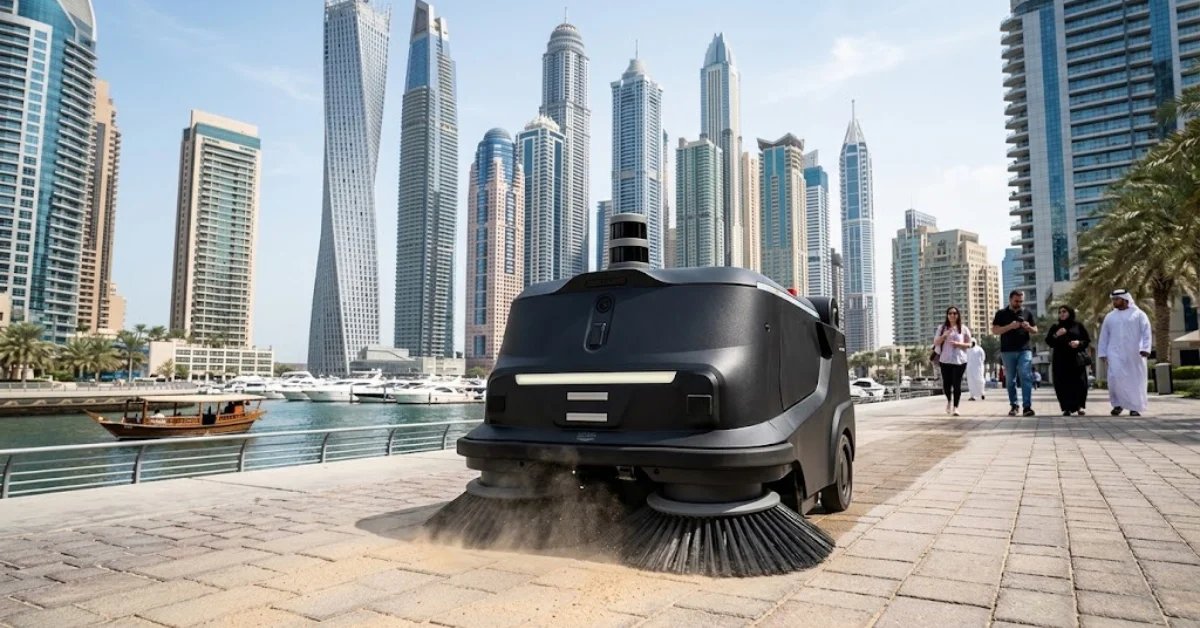
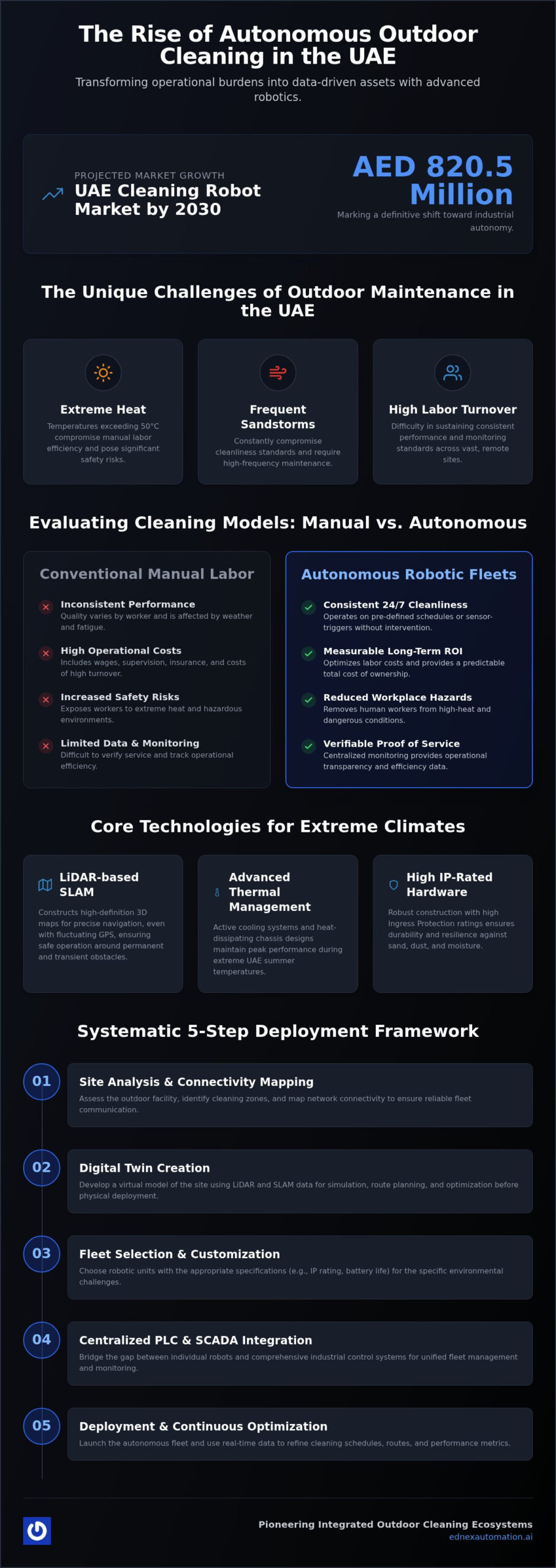
By 2030, the UAE cleaning robot market is projected to reach a valuation of AED 820.5 million, marking a definitive shift toward industrial autonomy. Maintaining expansive outdoor facilities in the UAE presents unique challenges, particularly when extreme heat and frequent sandstorms compromise manual cleaning frequency and quality. You’ve likely experienced the frustration of high labor turnover and the difficulty of monitoring standards across vast, remote sites. This strategic guide demonstrates how advanced automated outdoor cleaning solutions UAE transform these operational burdens into data-driven assets.
Leveraging high-tech autonomous systems allows facilities to achieve consistent 24/7 cleanliness while securing a measurable ROI through precise labor optimization. By integrating these robotic platforms with smart city infrastructure and Industry 4.0 protocols, organizations can bridge the gap between global technological breakthroughs and regional industrial needs. We’ll examine the technical frameworks required for successful deployment, focusing on how autonomous mobile robots (AMRs) and centralized SCADA integration ensure long-term business viability in a rapidly evolving regulatory landscape.
Key Takeaways
- Understand how the transition from manual labor to autonomous fleet management aligns with UAE Vision 2031 and large-scale industrial modernization.
- Identify the critical hardware specifications, including high IP ratings and LiDAR-based SLAM, required for automated outdoor cleaning solutions UAE to survive extreme desert climates.
- Analyze the total cost of ownership by comparing the hidden expenses of manual supervision with the long-term ROI provided by autonomous robotic fleets.
- Explore a systematic 5-step deployment framework that prioritizes Digital Twin creation and connectivity mapping for seamless outdoor facility integration.
- Learn how centralized PLC and SCADA integration services bridge the gap between individual robotic hardware and comprehensive industrial control systems.
The Evolution of Automated Outdoor Cleaning Solutions in the UAE
Modernizing outdoor facility maintenance requires more than simple mechanization; it demands a sophisticated synergy of autonomous mobile robots, high-precision sensors, and AI-driven navigation. The evolution of automated outdoor cleaning solutions UAE represents a strategic shift from traditional manual street sweeping to comprehensive autonomous fleet management. This transition is deeply rooted in the objectives of UAE Vision 2031, which prioritizes the adoption of advanced technologies to drive economic productivity and environmental sustainability across the nation’s infrastructure.
While the terms are often used interchangeably, it’s vital to distinguish between ‘robotic’ and ‘automated’ systems. Robotic units often require human supervision or manual triggering, but true automation implies a complete lack of human intervention during the cleaning cycle. These systems operate on pre-defined schedules or sensor-based triggers, navigating complex environments independently. This level of autonomy is already visible in the history of automated cleaning, where early self-contained units paved the way for today’s industrial-grade outdoor systems. Primary adoption of automated outdoor cleaning solutions UAE is currently led by industrial zones, international transport hubs, and large-scale commercial developments that require high-frequency maintenance without the constraints of manual scheduling.
Drivers of Autonomy: Labor, Safety, and Scale
Isolated cleaning robots offer localized benefits, but they lack the operational transparency required for national-scale facility management. The true power of modern automation lies in networked systems where multiple autonomous mobile robots communicate in real time to optimize coverage. These AMRs don’t just clean; they act as data nodes within a larger logistics and maintenance ecosystem. Centralized monitoring ensures that every square meter of a site is accounted for, providing facility managers with verifiable proof of service and operational efficiency that standalone units cannot match.
Core Technologies Powering Outdoor Autonomy in Extreme Climates
Deploying automated outdoor cleaning solutions UAE requires hardware that transcends standard industrial specifications. Central to this performance is the integration of Light Detection and Ranging (LiDAR) with Simultaneous Localization and Mapping (SLAM). These technologies allow autonomous units to construct high-definition 3D maps of wide-open outdoor spaces, ensuring precise navigation even in areas where GPS signals might fluctuate due to high-rise density or industrial interference. Advanced AI algorithms process this environmental data in real time to distinguish between permanent infrastructure and transient obstacles, such as blowing sand or moving transport vehicles, ensuring operational safety without constant human oversight.
Thermal management remains a critical engineering hurdle for any robotic system operating in the region. To maintain peak performance during UAE summer temperatures that often exceed 50°C, robots utilize active cooling systems and heat-dissipating chassis designs. This technical rigor supports the broader UAE’s clean tech and environmental goals, facilitating a transition toward more sustainable and resilient industrial operations. Implementing these high-spec automated outdoor cleaning solutions UAE ensures that facility standards don’t degrade during periods of extreme weather.
Sensor Fusion: Navigating the UAE Landscape
Relying on a single data source is insufficient in desert environments where visibility can change in seconds. We utilize a sensor fusion approach, combining ultrasonic, infrared, and vision sensors to provide comprehensive 360-degree safety coverage. This multi-layered architecture is vital for mitigating ‘ghost obstacles’ caused by intense heat haze, which can confuse standard optical systems by distorting distance perception. By prioritizing redundant navigation systems, autonomous cleaning robots maintain operational continuity and safety protocols during fluctuating visibility conditions.
Resilience Engineering for Industrial Environments
Environmental resilience is a non-negotiable requirement for long-term viability. Robotic chassis must feature high Ingress Protection (IP) ratings, typically IP65 or higher, to prevent fine silica dust from compromising sensitive internal electronics. Beyond dust protection, material choices focus on UV-stabilized polymers and specialized alloys to prevent structural degradation from intense solar radiation. Battery chemistry is equally vital; industrial units often utilize configurations preferred for their thermal stability in high-ambient-heat regions. Modern autonomous sweepers also feature sophisticated self-diagnostic capabilities, allowing them to detect and report mechanical stressors before they lead to operational downtime. For organizations seeking to modernize their facility maintenance, exploring the integration capabilities at EdNex Automation ensures these technical nuances are addressed during the initial deployment phase.
Evaluating Autonomous vs. Conventional Outdoor Cleaning Models
Assessing the transition to automated outdoor cleaning solutions UAE requires a rigorous comparison of operational models. Traditional manual sweeping and ride-on machines involve significant hidden costs that often exceed the initial purchase price. These include continuous expenditures on operator training, intensive management supervision, and frequent equipment downtime due to human error or physical exhaustion. By contrast, autonomous integration shifts the focus toward a systematic, data-driven approach where performance is predictable, measurable, and independent of shift-based labor constraints.
Moving from a CAPEX-heavy model to an OPEX-oriented strategy allows organizations to treat cleaning as a utility rather than a capital burden. Autonomous systems provide a definitive data advantage by generating real-time “proof of clean” reports and precise consumption metrics. This transparency eliminates the guesswork inherent in conventional models, ensuring that every square meter of a facility meets established hygiene protocols without requiring manual audits. These systems act as an extension of the digital infrastructure, providing a level of accountability that was previously impossible to achieve with manual labor alone.
The ROI of Autonomy: Beyond Labor Savings
Calculating the total return on investment involves looking past simple labor displacement. Precision-engineered autonomous units optimize the use of water and chemical agents, reducing resource waste by applying only what is necessary for the specific surface type and soil level. Consistent, high-frequency cleaning also extends the lifespan of outdoor infrastructure by preventing the accumulation of corrosive dust and industrial grit. In complex environments, these robots often work in tandem with automated storage and retrieval systems to maintain pristine conditions in loading docks and perimeter zones, ensuring that outdoor contaminants don’t migrate into sensitive indoor storage areas.
Operational Efficiency and 24/7 Readiness
Comparing square-meter-per-hour (sqm/h) efficiency reveals the true capacity of autonomous fleets. While a human operator’s performance fluctuates based on environmental conditions and shift duration, an autonomous system maintains a constant pace regardless of the weather. These units excel at night-time operations, cleaning during off-peak hours without the need for additional site lighting or night-shift salary premiums. This 24/7 readiness ensures that facilities are pristine before the business day begins, maximizing operational uptime. When evaluating the performance-to-price ratio of industrial units, consider this checklist:
- Autonomy Level: Does the unit require human intervention for recharging or tank emptying?
- Mapping Precision: Can the system navigate dynamic environments without losing its localization?
- Resource Monitoring: Does the software provide granular reports on water and energy usage?
- System Integration: Can the fleet communicate with existing facility management software?
Strategic Implementation: Deploying Outdoor Robotics for Maximum Impact
Achieving maximum operational impact with automated outdoor cleaning solutions UAE requires a methodical deployment roadmap that transcends simple hardware delivery. Successful implementation follows a rigorous five-stage sequence: initial site assessment, connectivity mapping, a controlled pilot phase, full-scale integration, and continuous data-driven optimization. Developing a Digital Twin for complex outdoor environments serves as the intellectual foundation for this transition, allowing engineers to simulate cleaning paths and identify potential navigational bottlenecks before physical units arrive on site. Establishing precise ‘no-go’ zones within these digital maps prevents units from entering high-traffic pedestrian areas or hazardous loading zones, thereby mitigating operational risks. Maintaining real-time fleet telemetry necessitates high-speed infrastructure, such as 5G or Wi-Fi 6, which ensures that autonomous units remain connected to centralized control hubs for instantaneous status updates and remote intervention.
Site Assessment and Infrastructure Readiness
Evaluating outdoor terrain is the first critical step in determining robotic compatibility. Engineers must analyze surface types, drainage gradients, and maximum slopes to ensure the selected hardware can navigate the specific topography of a facility without compromising safety or cleaning quality. Strategically placing autonomous docking stations is equally vital, as these hubs facilitate self-charging and water recycling processes that sustain 24/7 operations. A successful transition depends on the early alignment of key stakeholders, including IT departments for network security, Facilities Management for operational flow, and HSE teams for safety compliance. Combining technical expertise with regional insight, EdNex Automation provides the comprehensive framework needed to navigate these implementation complexities and secure long-term industrial viability.
Safety and Compliance in Public Spaces
Adhering to international safety standards, such as ISO 13482 for personal care and service robots, is mandatory when deploying autonomous systems in human-shared industrial spaces. Modern autonomous outdoor sweepers utilize a tiered safety architecture that includes ‘soft’ stops for non-critical proximity and ‘hard’ emergency stops for immediate obstacle avoidance. These redundant safety layers ensure that robots can operate predictably in dynamic environments without endangering personnel. Regarding data privacy, on-board cameras used for navigation often employ edge processing to blur faces or sensitive information, ensuring that operational transparency doesn’t conflict with regional data protection regulations. This controlled and deliberate approach to safety transforms high-tech aspirations into reliable, everyday industrial reality.
EdNex Automation: Pioneering Integrated Outdoor Cleaning Ecosystems
Positioning itself at the intersection of global robotic innovation and regional industrial necessity, EdNex Automation serves as a high-level technical consultant and integrator. We don’t merely distribute hardware; we architect comprehensive automated outdoor cleaning solutions UAE that are purpose-built to withstand the region’s unique environmental stressors. By leveraging our deep expertise in Industry 4.0 transformation, we help organizations transition from fragmented manual processes to unified, autonomous ecosystems. This strategic approach ensures that every deployment is scalable, resilient, and aligned with the long-term economic goals of the United Arab Emirates.
Our unique advantage lies in our sophisticated PLC and SCADA integration services, which provide the intellectual framework necessary for centralized facility management. Rather than operating as isolated units, our cleaning fleets become integrated components of a larger industrial control system. This level of connectivity allows for the transformation of raw operational data into actionable insights, enabling facility managers to optimize resource allocation and maintain impeccable standards across vast outdoor sites with surgical precision.
The Power of Integrated Control Systems
Connecting autonomous cleaning robots to a centralized SCADA system facilitates seamless facility-wide coordination and real-time operational transparency. Through bespoke digital dashboards, operators can monitor fleet health, battery levels, and cleaning progress across multiple zones from a single interface. This centralized oversight mitigates the risks associated with decentralized manual labor and ensures that all safety protocols are being strictly followed. Looking toward the horizon of industrial evolution, we anticipate the future integration of humanoid robots into specialized service and maintenance roles, working alongside cleaning units to create a fully autonomous workforce.
Strategic Partnership and Long-term Support
Ensuring the long-term business viability of automation investments requires more than technical implementation; it demands a dedicated strategic partner. EdNex Automation provides a comprehensive support model that spans from initial technical consultation to national-scale deployment and ongoing maintenance. Our legitimacy is grounded in official certifications and strategic alliances with global technology leaders, providing our clients with the confidence that their infrastructure is supported by world-class expertise. We invite forward-thinking industrial leaders to engage with us for a high-level consultation, where we can define the roadmap for your organization’s transition to a high-performance, autonomous future.
Securing Long-Term Industrial Viability through Autonomous Integration
Transitioning to autonomous systems isn’t merely a technological upgrade; it’s a fundamental shift toward operational excellence in a demanding environmental landscape. By adopting automated outdoor cleaning solutions UAE, organizations secure a future where facility standards remain uncompromising despite extreme heat and shifting labor markets. We’ve explored how the synergy of LiDAR navigation, high IP-rated hardware, and centralized SCADA control creates a resilient framework for modern infrastructure. This evolution allows for the conversion of cleaning data into strategic operational insights, ensuring that every square meter of your site delivers measurable value.
As an Industry 4.0 visionary leader, EdNex Automation provides the intellectual framework and technical expertise required for this transformation. We offer a national UAE support network and specialized PLC and SCADA integration to ensure your transition is both seamless and scalable. Partner with EdNex Automation for your industrial transformation to redefine your facility maintenance standards and ensure long-term business viability. Embrace the future of industrial autonomy today.
Frequently Asked Questions
Can autonomous outdoor cleaning robots handle the extreme summer heat in the UAE?
Industrial-grade robots specifically engineered for the region utilize active thermal management systems to sustain performance during peak summer temperatures. These units incorporate heat-dissipating chassis and specialized cooling for internal electronics, allowing for continuous operation even when ambient temperatures exceed 50°C. By prioritizing thermal resilience, these automated outdoor cleaning solutions UAE ensure that facility standards don’t degrade during the most extreme seasonal shifts.
How do these robots navigate during sandstorms or high-dust conditions?
High-spec autonomous units navigate high-dust environments using a combination of LiDAR, SLAM, and ultrasonic sensors. This sensor fusion approach allows the robot to distinguish between permanent structures and transient dust clouds or blowing sand. To protect internal mechanics, chassis are designed with IP65+ ingress protection ratings, ensuring that fine silica dust doesn’t compromise the sensitive electronic components or mechanical drive systems required for outdoor autonomy.
What is the typical ROI period for an automated outdoor cleaning solution?
Most industrial organizations report a typical ROI period ranging from 18 to 24 months, depending on the scale of the deployment and existing labor costs. The financial benefits stem from 24/7 operational readiness, significant reductions in labor turnover, and optimized consumption of cleaning chemicals and water. Transitioning to an autonomous model shifts cleaning from a variable capital burden to a predictable and measurable operational utility.
Do I need to modify my existing facility infrastructure to support cleaning robots?
Implementing these systems generally requires minimal physical changes, primarily involving the installation of autonomous docking stations. These hubs require access to power and water for self-charging and tank-filling processes. The most critical infrastructure requirement is high-speed connectivity, such as 5G or Wi-Fi 6, which supports real-time telemetry and fleet coordination. We conduct a thorough site assessment to ensure your terrain is robot-ready before deployment begins.
How safe are autonomous sweepers in areas with high pedestrian traffic?
Autonomous sweepers are engineered for high-traffic environments, utilizing multi-layered safety protocols that comply with ISO 13482 standards. Integrated sensor arrays provide 360-degree obstacle detection, allowing the unit to execute soft slows or hard emergency stops when pedestrians are detected. These units operate predictably along pre-mapped paths, providing a level of consistent safety that human-operated heavy machinery often struggles to maintain in dynamic public spaces.
Can cleaning robots be integrated with my existing facility management software?
Integration with existing facility management software is a core capability of our automated outdoor cleaning solutions UAE. By utilizing PLC and SCADA integration services, we connect robotic fleets to your centralized monitoring systems. This allows for automated reporting, real-time health tracking, and the consolidation of cleaning data into your broader operational dashboards, turning maintenance activities into actionable business intelligence for facility management.
What happens if a robot encounters an unexpected obstacle or breakdown?
If a robot encounters an unmapped obstacle, its AI-driven navigation system attempts to calculate a safe bypass route in real time. In the event of a mechanical failure, the unit’s self-diagnostic software immediately transmits a status alert to the centralized control hub via 5G or Wi-Fi. This real-time telemetry allows for rapid remote intervention or onsite technical support, minimizing potential downtime and maintaining facility-wide hygiene standards.
Is specialized training required for my staff to manage an autonomous fleet?
Your staff won’t need to perform manual cleaning, but they’ll transition into higher-value roles as fleet managers. We provide technical training focused on monitoring digital dashboards, managing schedules, and performing basic preventative maintenance on the hardware. This shift empowers your workforce to manage complex robotic ecosystems rather than performing repetitive physical tasks, aligning your human capital with modern Industry 4.0 operational requirements.