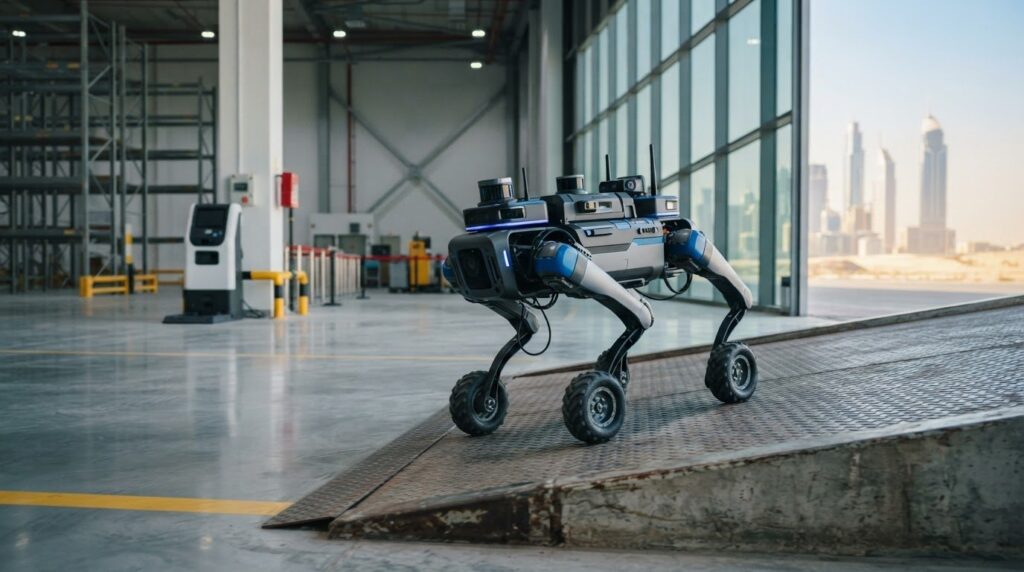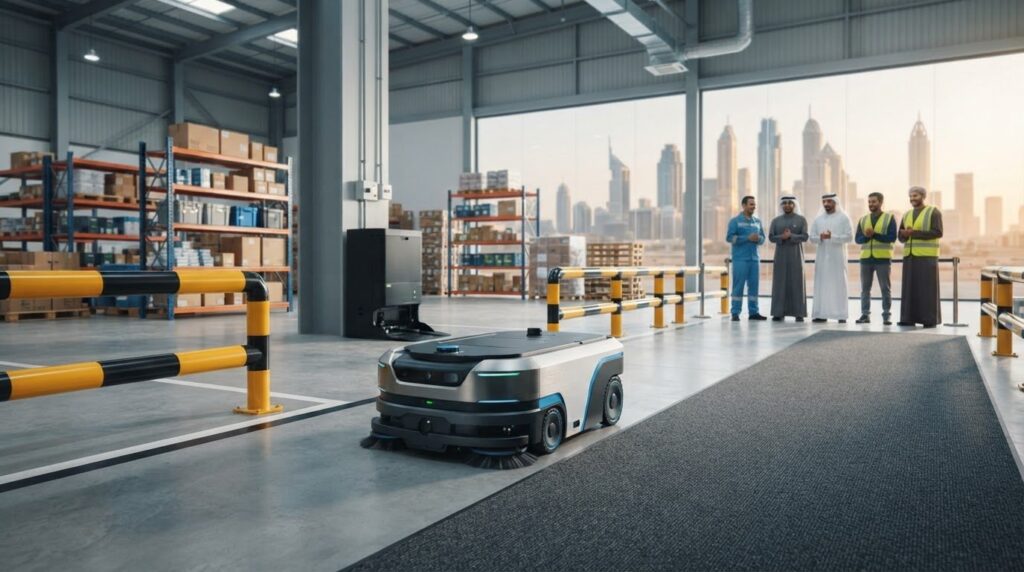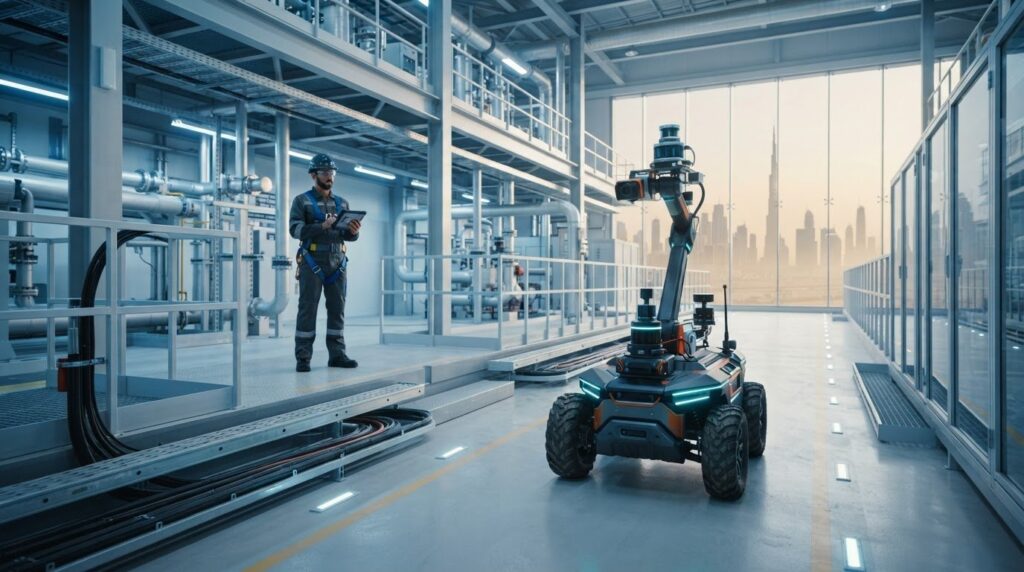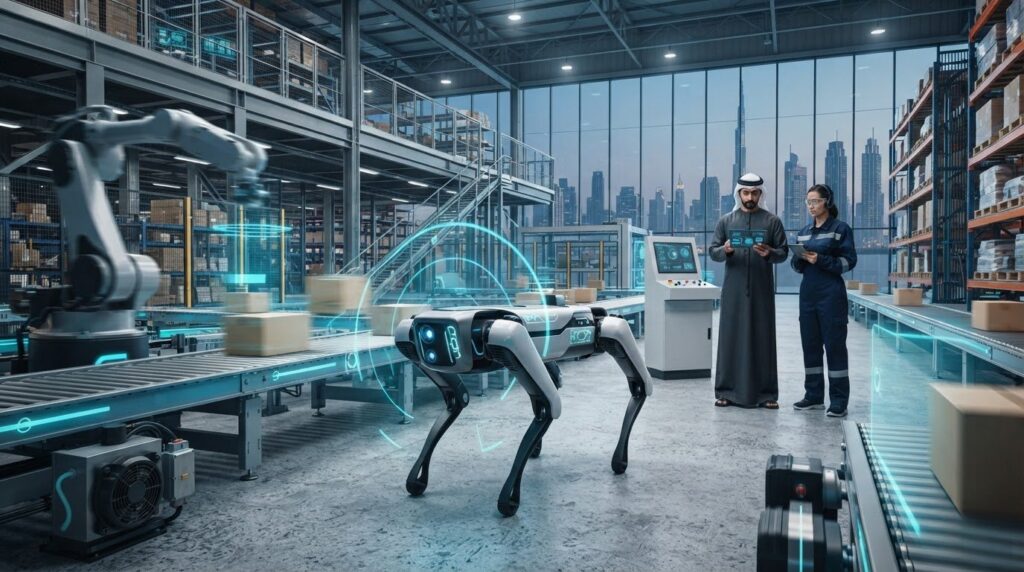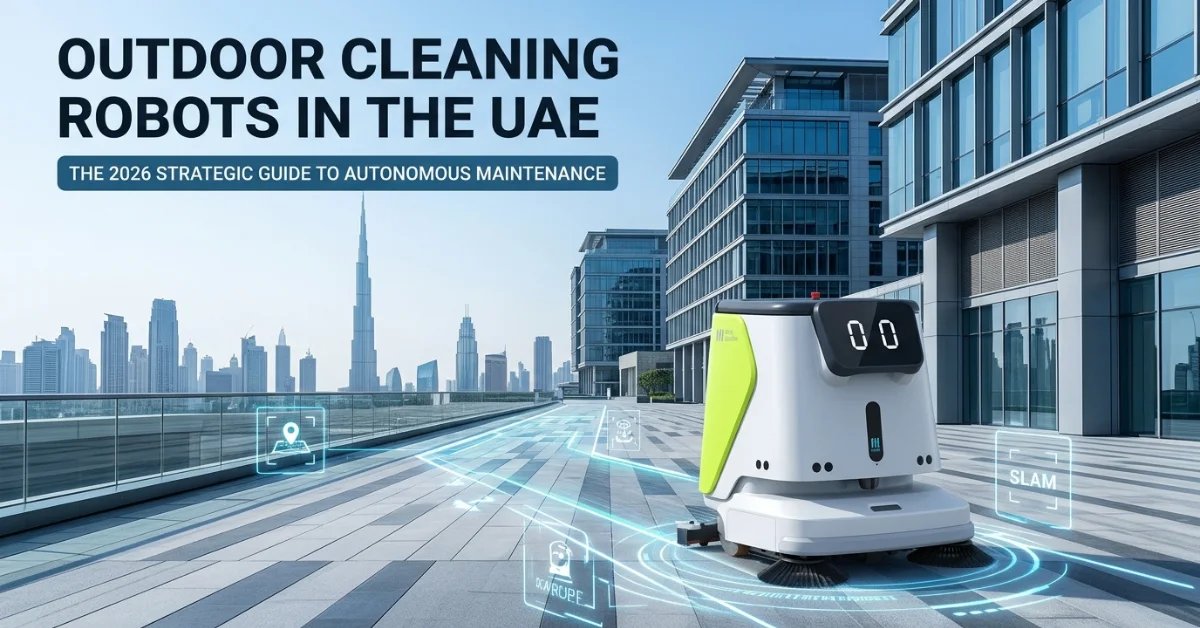
Can a standard autonomous system survive a July afternoon in the UAE, or is it merely a sophisticated liability waiting for sand ingress to seize its internal components? Maintaining vast industrial perimeters and public plazas under extreme thermal conditions presents an engineering challenge that traditional manual labor and entry-level robotics simply cannot meet. Recognizing that the mandatory midday break and high turnover rates hinder operational consistency, facility leaders are increasingly turning toward industrial-grade automation. This strategic guide demonstrates how specialized outdoor cleaning robots UAE are transforming maintenance through ruggedized engineering designed specifically for the region’s unique environmental stressors.
By integrating these advanced systems, organizations achieve a seamless transition from inefficient manual sweeping to a 24/7 autonomous standard that reduces long-term OPEX. We’ll analyze the deployment of high-capacity units like the VIGGO S100-N, explore the technical requirements for PLC and SCADA integration, and outline the roadmap for embedding autonomous cleaning into a comprehensive Industry 4.0 ecosystem. Through this technical lens, you’ll discover how to secure long-term business viability by adopting resilient, high-tech maintenance solutions.
Key Takeaways
- Identifying critical engineering specifications, such as high Ingress Protection (IP) ratings, ensures that autonomous systems operate reliably within the UAE’s high-temperature and high-dust environments.
- Evaluating the technical distinctions between indoor SLAM navigation and the GPS-augmented systems necessary for outdoor cleaning robots UAE allows for precise path planning across expansive industrial perimeters.
- Implementing a data-driven ROI framework accounts for the mitigation of heat-related labor restrictions while establishing consistent 24/7 cleaning standards across facilities.
- Unifying robotic assets with industrial control systems like PLC and SCADA creates a centralized, transparent maintenance ecosystem that aligns with national Industry 4.0 objectives.
- Transitioning from isolated equipment procurement to a strategic integration model secures long-term business viability by embedding autonomous maintenance into a wider digital infrastructure.
The Evolution of Outdoor Cleaning Automation in the UAE
Defining the next generation of facility management, outdoor cleaning robots UAE serve as autonomous mobile platforms engineered for rigorous tasks like sweeping, scrubbing, and solar panel maintenance. Unlike the evolution of domestic cleaning robots designed for predictable indoor environments, these industrial units utilize ruggedized chassis and advanced sensors to manage expansive outdoor territories. They operate as a critical component of the UAE’s strategic push toward Industry 4.0, where facility managers are redefining maintenance standards by integrating intelligent automation into their operational frameworks.
Transitioning from labor-intensive manual processes toward 24/7 autonomous operations allows organizations to maintain the aesthetic and functional integrity of large-scale national infrastructure. These systems don’t just perform cleaning tasks; they provide a consistent, data-driven maintenance standard that human crews cannot replicate in extreme environments. By deploying autonomous fleets, facility leaders ensure that industrial perimeters and public plazas remain operational while protecting the underlying capital investment in these vast spaces.
Drivers of Robotic Adoption in 2026
In 2026, the demand for extreme operational efficiency in the commercial sector serves as a primary catalyst for robotic integration. Organizations can’t rely on traditional methods that are restricted by environmental conditions or human fatigue. Additionally, national sustainability goals have mandated the adoption of automated water-saving technologies, where robots optimize resource consumption through precision delivery systems. As labor availability for outdoor roles faces ongoing challenges, the industry is moving toward a model of high-skill robotic supervision. Facility teams now focus on managing fleets rather than performing repetitive manual tasks, elevating the workforce into technical oversight roles that support long-term business viability.
Primary Applications for Outdoor Autonomy
The deployment of outdoor cleaning robots UAE spans several high-impact sectors, each requiring specialized autonomous capabilities. Industrial perimeters and logistics hubs utilize these units for constant debris removal to maintain safety and prevent equipment damage. In the public sector, large-scale commercial plazas and transport infrastructure benefit from consistent, scheduled maintenance that doesn’t disrupt foot traffic. Beyond these standard applications, specialized utility maintenance has become a critical focus area. Solar farm cleaning systems utilize autonomous platforms to remove dust and sand from photovoltaic panels, directly improving energy yield and protecting the efficiency of the nation’s renewable energy grid.
Engineering for the UAE: Environmental Resilience Requirements
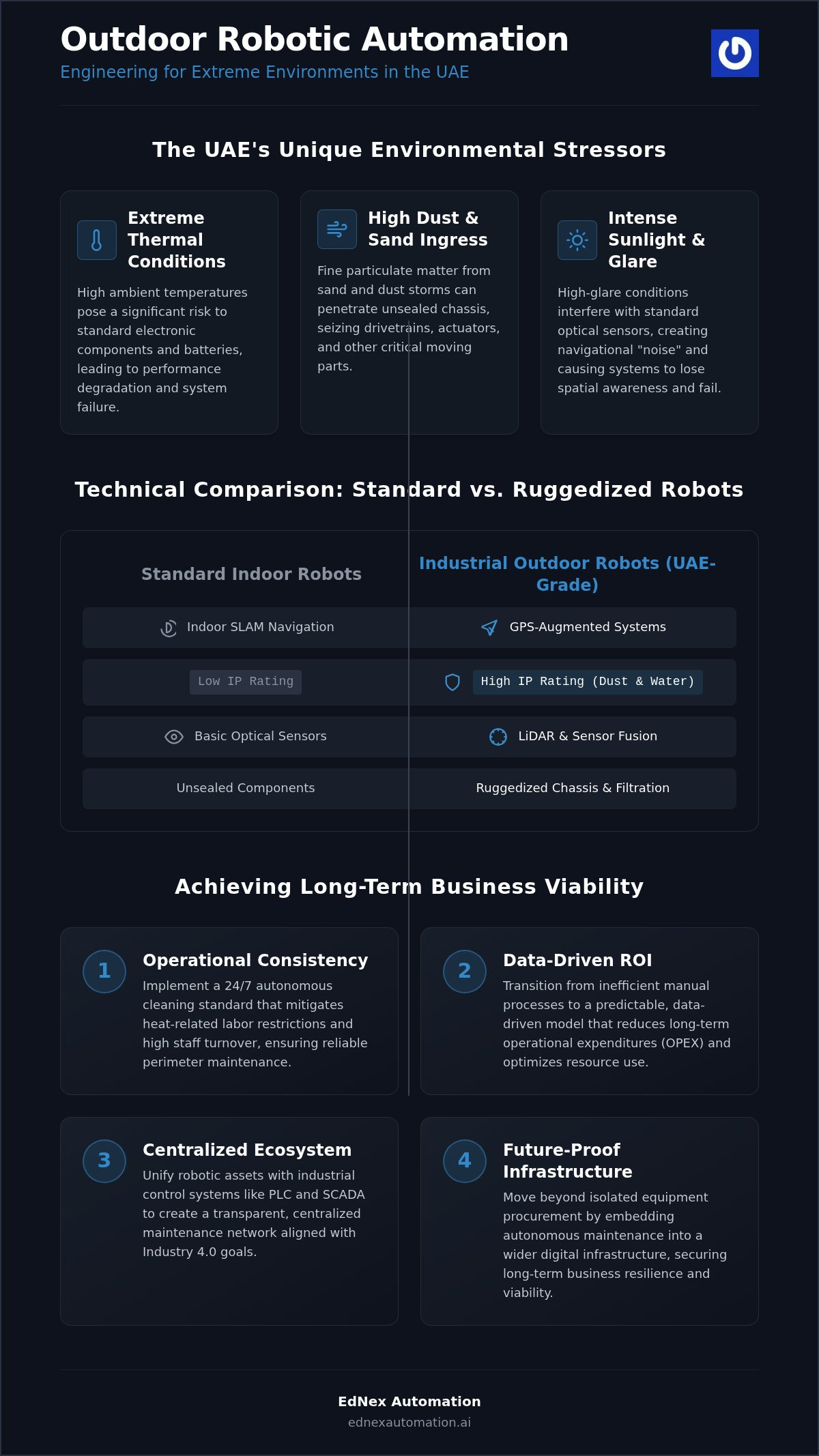
Deploying standard commercial robotics in the Middle East often results in rapid hardware degradation because off-the-shelf solutions aren’t built for extreme environmental stressors. Standard optical sensors frequently fail in high-glare conditions where intense sunlight creates “noise” that interferes with navigation logic. High-performance LiDAR and sensor fusion are essential, as they allow outdoor cleaning robots UAE to maintain spatial awareness even when surface reflections are at their peak. Without these specialized engineering considerations, autonomous units become operational liabilities rather than assets.
For organizations seeking to implement these resilient systems, partnering with a technical expert for bespoke robotic integration ensures that every hardware choice aligns with local climate demands. By prioritizing ruggedized components, facility managers can mitigate the risk of premature system failure and ensure consistent performance across expansive outdoor perimeters.
Sand Ingress and Filtration Systems
Protecting internal actuators requires more than simple casing. Specialized seals and multi-stage filtration systems prevent fine particulate matter from entering the drivetrain and seizing critical components. During dust storms or high-wind events, maintaining sensor clarity is paramount; advanced units often include self-cleaning sensor housings or air-purge systems to clear obstructions in real-time. In the context of UAE desert environments, an Ingress Protection (IP) rating defines the specific threshold at which a robotic chassis prevents the entry of solid particulates and moisture into sensitive electronic enclosures. Maintaining these seals is a fundamental requirement for any autonomous platform intended for long-term outdoor deployment.
Thermal Management and Battery Longevity
Operating in direct sunlight requires sophisticated active cooling systems to prevent CPU throttling or total battery failure. Autonomous Mobile Robots (AMRs) must utilize high-efficiency heat sinks and, in some cases, liquid cooling loops to dissipate thermal energy during peak summer operation. Battery chemistry choices, such as Lithium Iron Phosphate (LiFePO4), are preferred because they prioritize safety and performance at ambient temperatures exceeding 45°C. Beyond hardware, software logic must optimize charging cycles to avoid midday heat peaks, ensuring the longevity of the power cell. This systematic approach to thermal management protects the organization’s capital investment while maintaining a 24/7 cleaning standard that manual crews cannot safely achieve in extreme heat.
Indoor vs. Outdoor Cleaning Robots: A Technical Comparison
Navigating a polished warehouse floor requires precision, but maintaining an industrial perimeter in the UAE demands structural resilience. While indoor units focus on high-frequency scrubbing and fine dust removal, outdoor cleaning robots UAE are engineered to handle heavy sand accumulation and large debris. These systems differ fundamentally in their chassis architecture; indoor models prioritize a low center of gravity and non-marking wheels, whereas outdoor variants require high ground clearance to traverse curbs and uneven paving. For a detailed analysis of indoor standards, consult our autonomous cleaning robots pillar.
The handling of waste material also marks a significant technical departure between the two categories. Indoor systems are typically designed to manage liquid recovery and micro-particulates on smooth surfaces. In contrast, outdoor autonomous platforms must possess the mechanical strength to sweep heavy sand drifts, gravel, and discarded packaging into high-capacity hoppers. This requires reinforced brushes and vacuum systems capable of sustained performance without clogging, ensuring that the functional integrity of large-scale infrastructure remains uncompromised even during periods of heavy sand ingress.
Navigation and Obstacle Avoidance
Outdoor environments present unique challenges that render standard indoor Simultaneous Localization and Mapping (SLAM) insufficient. The lack of fixed walls for LiDAR referencing, combined with shifting light conditions and moving crowds, necessitates a more robust positioning stack. Advanced outdoor units integrate Global Navigation Satellite Systems (GNSS) with Real-Time Kinematic (RTK) positioning to achieve centimeter-level accuracy across vast plazas. Safety protocols are equally sophisticated, utilizing multi-layered sensor fusion to identify and bypass obstacles in public-facing spaces without compromising operational speed or safety standards.
Chassis and Drive Train Durability
Reliability in the field depends on a drive train capable of managing the resistance of sandy or wet outdoor surfaces. These robots utilize ruggedized tire compounds and active traction control to maintain stability on inclines or loose terrain. Industrial outdoor sweepers prioritize high-torque outputs to manage the weight of heavy waste hoppers and the friction of coarse debris, whereas indoor scrubbers focus on consistent downward pressure for floor polishing. While an indoor scrubber might optimize for battery efficiency on flat surfaces, an outdoor unit is built with the torque density required to operate effectively across diverse and unconditioned topographies.
Strategic Implementation: Assessing Feasibility and ROI
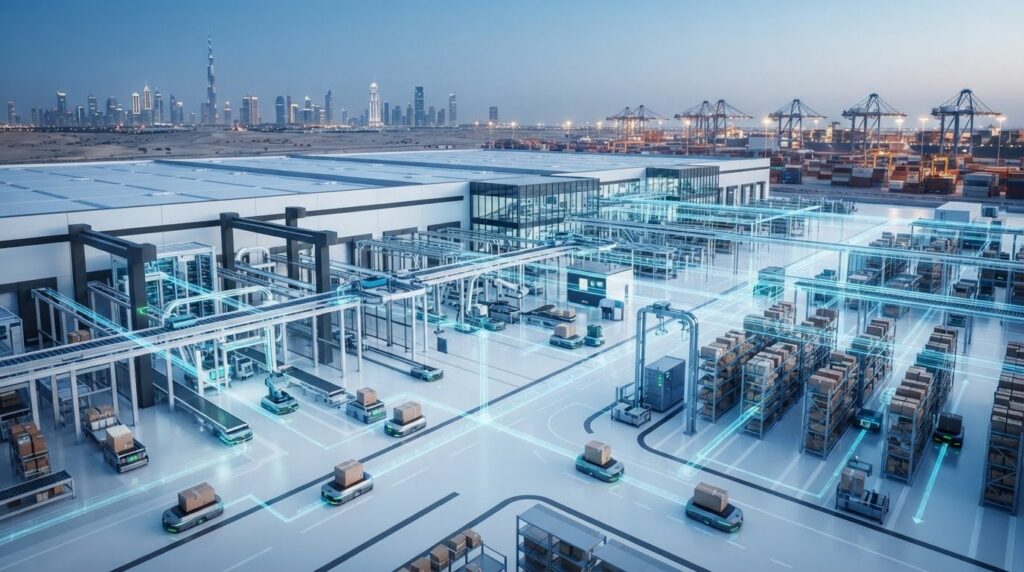
The deployment of outdoor cleaning robots UAE requires a methodology that transcends simple procurement, moving instead toward a strategic integration within the facility’s digital fabric. Achieving a successful national-scale rollout depends on establishing a robust connectivity infrastructure, specifically leveraging 5G or Private LTE to ensure real-time telemetry and fleet coordination. This connectivity allows for a unified operational view, where cleaning assets work in synergy with autonomous mobile robots within complex logistics environments. By aligning these technologies, organizations create a cohesive Industry 4.0 ecosystem that optimizes both material handling and environmental maintenance simultaneously.
To begin your transition toward an integrated autonomous fleet, you can consult with our technical integration team to define a roadmap tailored to your facility’s specific infrastructure requirements.
Site Assessment and Mapping
Evaluating the physical environment is the first critical step in ensuring long-term robotic viability. Engineers must analyze terrain gradients, surface material durability, and potential connectivity dead zones that could disrupt autonomous navigation. Identifying high-traffic “hot zones” allows for the programming of dynamic cleaning schedules, where robots prioritize areas with the highest rates of debris accumulation. Establishing strategically located docking and maintenance stations is equally vital; these hubs facilitate autonomous recharging and waste disposal without human intervention, ensuring the fleet remains operational 24/7.
Calculating the Total Cost of Ownership (TCO)
Developing a comprehensive ROI framework requires looking beyond the immediate reduction in manual labor costs. While the initial capital expenditure (CAPEX) for ruggedized outdoor systems is significant, it’s balanced against a substantial reduction in long-term operational expenditure (OPEX) and the elimination of heat-related downtime. A thorough TCO analysis must account for scheduled software updates, preventative maintenance, and the value of remote monitoring capabilities. Beyond these factors, the data collected by these units provides invaluable insights into facility usage patterns, allowing managers to optimize maintenance cycles and resource allocation based on empirical evidence rather than estimates. This data-centric approach ensures the investment contributes to the overall resilience and competitiveness of the organization in a rapidly modernizing market.
The EdNex Advantage: Integrated Autonomy Ecosystems
EdNex Automation operates as a high-level technical partner, moving beyond the traditional vendor model to deliver comprehensive integration for outdoor cleaning robots UAE. By positioning our specialized division as a bridge between global innovation and regional industrial needs, we provide the intellectual framework necessary for large-scale transformation. Our approach ensures that autonomous platforms aren’t isolated tools but are instead embedded within a wider, intelligent infrastructure. This methodology is particularly evident in how we facilitate the integration of PLC and SCADA systems to provide centralized facility control, allowing for a unified view of all automated assets.
Looking toward the next phase of evolution, the deployment of humanoid robots will further redefine multi-service facility management. These advanced systems will eventually work alongside outdoor sweeping units to manage complex, human-centric tasks, creating a truly unified autonomous workforce. By establishing this scalable architecture today, organizations ensure their long-term business viability in an increasingly competitive industrial landscape. EdNex provides the technical roadmap required to transition from manual maintenance to a fully autonomous, data-driven future.
Unified Control and Monitoring
Leveraging SCADA allows for real-time fleet health monitoring and performance analytics, transforming raw data into actionable operational insights. We customize robotic behavior through bespoke PLC integration, ensuring that every movement aligns with the specific safety and efficiency requirements of the industrial site. Cybersecurity remains a cornerstone of these connected fleets, especially when integrated into critical national infrastructure. Our engineering-minded approach prioritizes secure communication protocols to protect the integrity of the autonomous ecosystem against evolving digital threats. This ensures that the facility management team maintains total oversight without sacrificing system security.
National Partnership and Support
Regional technical expertise is essential for navigating the unique industrial landscape of the UAE. We provide start-to-finish expertise, beginning with initial feasibility consultations and extending through to national service coverage and preventative maintenance. This comprehensive support model ensures that the transition to autonomous systems is controlled and deliberate rather than chaotic. Future-proofing a facility requires more than just current hardware; it necessitates a partner who understands the gravity of industrial transformation and provides the scalable architectures required for future growth. Through our national reach, we ensure that every autonomous unit maintains peak performance standards throughout its operational lifecycle.
Securing Long-Term Operational Excellence Through Autonomous Integration
Transitioning to autonomous facility maintenance represents more than a simple equipment upgrade; it’s a fundamental shift toward long-term business viability in the Middle East. By prioritizing environmental resilience through high IP ratings and advanced thermal management, organizations protect their capital investments against the region’s extreme climatic stressors. Successfully deploying outdoor cleaning robots UAE requires a methodical integration strategy that links autonomous hardware with existing industrial control systems. This data-driven approach ensures that every robotic asset contributes to a transparent, 24/7 maintenance ecosystem that eliminates heat-related downtime and optimizes operational expenditure.
Leveraging our specialized Industry 4.0 division and comprehensive PLC and SCADA expertise, we provide the technical framework necessary to bridge the gap between global innovation and regional industrial needs. Our national technical support ensures that your fleet maintains peak performance throughout its lifecycle, securing your position at the forefront of the modern industrial landscape. Consult with EdNex Automation for your national robotic integration strategy and begin the evolution toward a fully integrated, autonomous future.
Frequently Asked Questions
Can outdoor cleaning robots operate during the peak UAE summer heat?
Yes, industrial-grade outdoor cleaning robots UAE are specifically engineered with active thermal management systems to operate in ambient temperatures exceeding 45°C. These units utilize high-efficiency heat sinks and specialized battery chemistries like Lithium Iron Phosphate to maintain performance during peak summer months. By automating maintenance, facilities circumvent the operational limitations of the mandatory midday break rule for manual labor, ensuring consistent 24/7 cleanliness across expansive national infrastructure projects.
How do these robots handle sand accumulation on sensors?
Advanced autonomous systems utilize self-cleaning sensor housings and air-purge mechanisms to maintain optical clarity during dust storms or high-wind events. High Ingress Protection ratings, typically IP65 or higher, ensure that fine particulate matter cannot penetrate the internal actuators or electronic enclosures. Regular calibration and multi-stage filtration systems further protect the navigation stack, allowing the robot to identify obstacles and map its environment accurately despite the persistent sand ingress characteristic of the region.
What is the typical battery life for an industrial outdoor sweeper?
Most industrial outdoor sweepers deployed in 2026 feature high-capacity battery systems, typically around 200 Ah, providing between 3 to 6 hours of continuous operation. The exact duration depends on the terrain complexity and the debris density being managed. Strategic implementation involves establishing autonomous docking stations where the robots recharge during off-peak cycles, ensuring the fleet remains ready for deployment without requiring manual intervention or significant downtime during critical cleaning windows.
Are outdoor cleaning robots safe to use in crowded public spaces?
Safety is a primary engineering priority, achieved through multi-layered sensor fusion that combines long-range LiDAR with ultrasonic sensors and high-resolution cameras. These systems are programmed with sophisticated obstacle avoidance algorithms that allow outdoor cleaning robots UAE to navigate safely through moving crowds in public plazas. Real-time path planning ensures the unit maintains a safe distance from pedestrians, while emergency stop protocols provide an additional layer of protection for high-traffic transport infrastructure.
Do outdoor robots require a constant internet connection to function?
While these robots utilize on-board processing for real-time navigation and obstacle avoidance, a stable 5G or Private LTE connection is required for centralized fleet management. Connectivity allows for remote telemetry monitoring, software updates, and integration with wider industrial control systems. If a signal is temporarily lost, the units continue their pre-programmed cleaning paths safely, but the ability to transmit performance data to a SCADA interface is essential for long-term facility optimization.
Can these robots be integrated with existing building management systems (BMS)?
Integration with Building Management Systems is entirely feasible through specialized PLC and SCADA services provided by technical integrators. This allows facility managers to monitor cleaning progress alongside other infrastructure metrics like energy consumption or security. By unifying these data streams into a single dashboard, organizations achieve a higher level of operational transparency, enabling more informed decisions regarding resource allocation and the long-term maintenance cycles of large-scale commercial perimeters.
What maintenance is required for outdoor robots in a desert climate?
Desert environments necessitate a proactive maintenance schedule focused on the integrity of filtration systems and mechanical seals. Regular inspection of multi-stage filters is critical to prevent sand from impacting vacuum efficiency or internal cooling loops. Additionally, technicians must verify the condition of ruggedized tire compounds and brush assemblies, which experience higher wear rates on coarse outdoor surfaces. Consistent sensor calibration ensures that the navigation logic remains precise despite the abrasive effects of wind-blown dust.
What is the expected ROI period for an autonomous outdoor cleaning fleet?
Calculating the ROI period involves balancing the initial capital expenditure against the significant reduction in operational expenditure achieved through labor mitigation and 24/7 uptime. While specific timelines vary based on facility size and cleaning frequency, organizations typically see a return as the fleet eliminates heat-related downtime and improves hygiene standards. The value of the data collected for facility optimization also contributes to the overall business case, supporting the long-term viability of the autonomous transition.