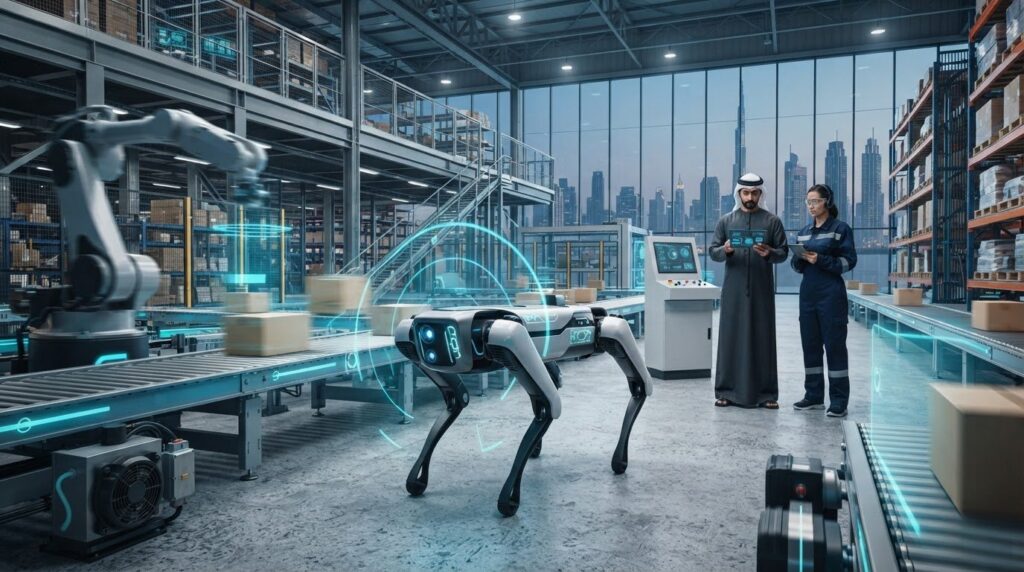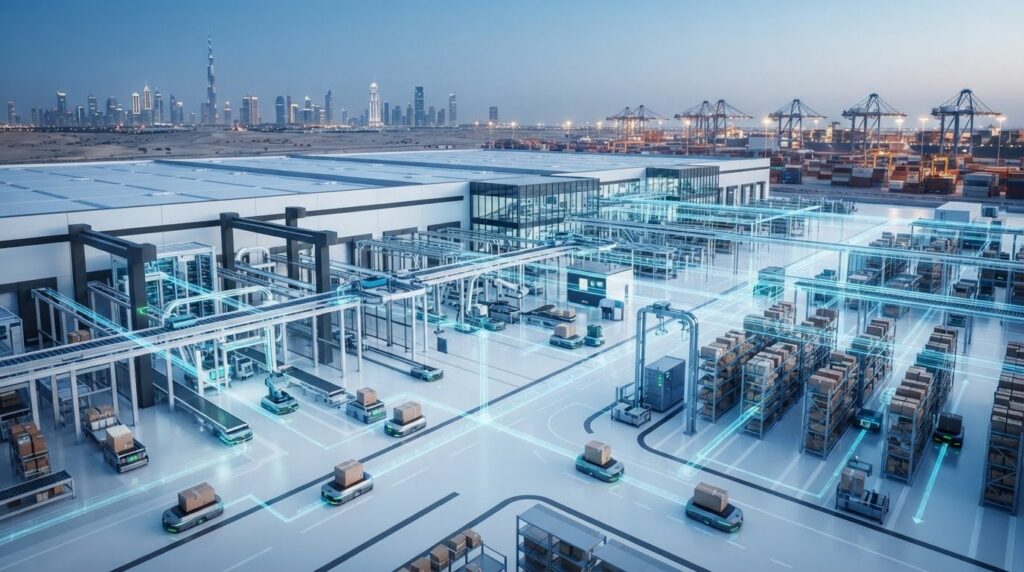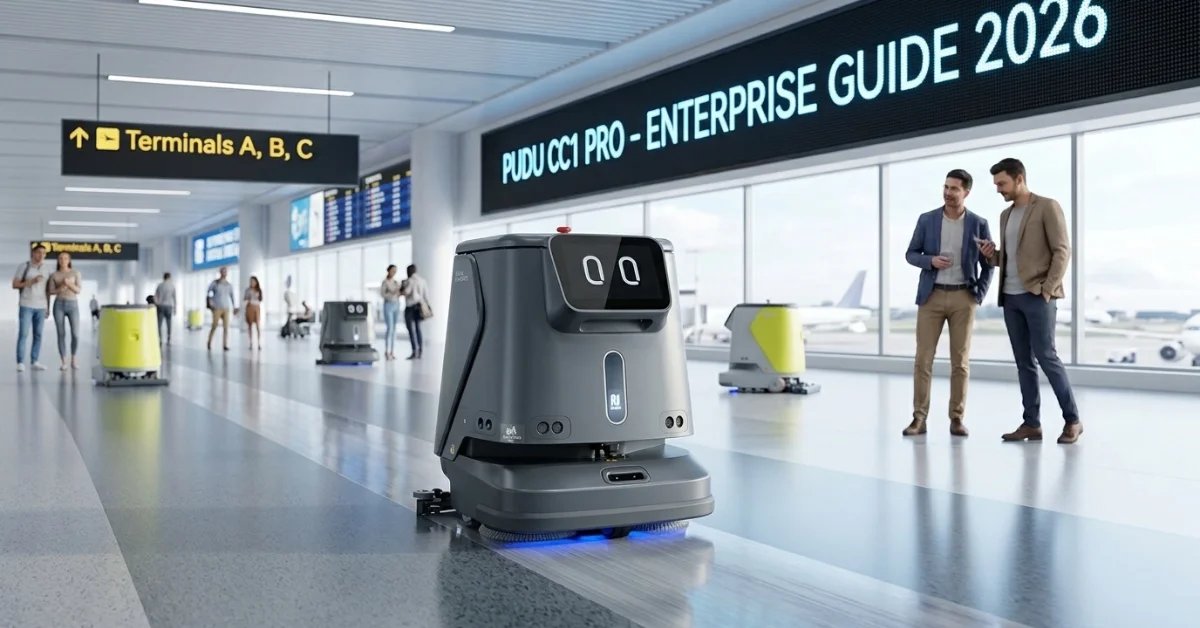
With global air passenger traffic surging past 9.4 billion travelers alongside an industry-wide 61% janitorial turnover rate, legacy terminal maintenance has hit an operational wall. Repurposing commercial janitorial equipment simply can’t keep pace with dynamic concourse density or stringent international hygiene benchmarks. For modern aviation authorities, deploying purpose-engineered robotic cleaning for airports has transitioned from an experimental pilot into a mission-critical operational standard.
Balancing continuous terminal hygiene across sprawling gate areas while managing persistent staffing deficits is a familiar, uphill battle. Passenger congestion frequently derails scheduled manual passes, elevating slip-and-fall liabilities and leaving facility directors without the objective telemetry needed for international compliance audits. You shouldn’t have to choose between passenger flow and verified surface sanitization.
This 2026 enterprise guide reveals how autonomous cleaning robotics transform high-traffic terminals into hyper-sanitized, cost-efficient, and audit-ready transit hubs. We’ll examine how enterprise-grade fleets achieve predictable round-the-clock sanitization across landside and airside zones, integrate real-time proof-of-clean data logging, and protect operating margins while visibly elevating the traveler journey.
Key Takeaways
- Explore how purpose-engineered robotic cleaning for airports resolves non-stop terminal hygiene demands while overcoming systemic aviation labor shortages.
- Discover how industrial LiDAR, 3D sensor fusion, and dynamic SLAM navigation maintain precise, obstacle-free floor sanitation through bustling concourses.
- Uncover the operational and financial advantages of autonomous mobile fleets over manual methods, including verified resource conservation and slip-hazard mitigation.
- Follow an enterprise-grade four-phase deployment blueprint covering facility mapping, cybersecurity validation, and unified airport infrastructure management.
- Learn how integrating autonomous cleaning robots with centralized monitoring and SCADA systems delivers auditable proof-of-clean telemetry across landside and airside zones.
The Operational Realities of Modern Airport Hygiene
Operating an international aviation hub differs fundamentally from managing retail centers or corporate commercial real estate. Aviation infrastructure never sleeps. Continuous flight rotations, varying peak arrival waves, and rigid sterile boundaries between landside check-in zones and airside departures demand unbroken sanitization workflows. In massive concourses where passenger foot traffic grinds dirt and particulate directly into delicate architectural flooring, traditional manual janitorial teams struggle with physical fatigue and irregular coverage. Integrating purpose-engineered service robots into terminal operations eliminates these manual coverage gaps, establishing predictable, uninterrupted surface hygiene while keeping critical transit lanes safe, spotless, and completely free of slip hazards.
Continuous Footfall and Terminal Scalability
Passenger flow across international concourses is intensely variable. Flight delays, sudden gate reassignments, and overlapping long-haul arrivals generate localized surges that overwhelm static cleaning schedules. Expansive gate holding areas require rapid sanitation turnaround cycles between deplaning and boarding procedures, leaving zero margin for cordoned-off hallways or slow-drying chemical residues. Advanced autonomous cleaning robotics actively recalibrate their coverage patterns around dynamic pedestrian density, maintaining baseline hygiene standards without interrupting traveler footfall or breaching tight turnaround windows.
Verifiable Hygiene and Regulatory Compliance
Aviation facilities must satisfy rigorous global standards, requiring verifiable documentation for every square meter cleaned:
- Elimination of human reporting error: Manual janitorial clipboards and retrospective paper logs are inherently subjective and prone to compliance inaccuracies during audits.
- Granular operational telemetry: Enterprise-grade robotic cleaning for airports captures digital records of every run, precisely logging timestamps, total square meters scrubbed, cleaning chemical concentrations, and water consumption rates.
- Audit-ready proof of clean: Centralized data logging delivers instant, auditable verification for international aviation health inspections and internal quality-assurance frameworks.
Adopting autonomous mobile fleets shifts terminal maintenance from a reactive, labor-constrained chore into a fully digitized, predictable component of modern airport operations. By automating high-intensity floor care across sprawling concourses, facility directors simultaneously mitigate liability risks, optimize janitorial resource distribution, and safeguard passenger trust throughout the transit ecosystem.
Core Robotic Technologies Transforming Terminal Maintenance
Deploying autonomous hardware within international terminals requires far more than standard collision avoidance. Modern aviation facilities feature vast multi-story glass curtain walls, severe radio-frequency interference, and high-gloss architectural flooring that blind consumer-grade sensors. To deliver reliable robotic cleaning for airports, enterprise cleaning robots integrate industrial LiDAR, high-definition 3D depth cameras, and advanced ultrasonic arrays. By synchronizing these inputs through Simultaneous Localization and Mapping (SLAM), autonomous scrubbers build persistent structural topologies while reacting within milliseconds to sudden movements like runaway baggage trolleys, flight crew carts, and surging passenger crowds.
Advanced Sensor Fusion in Dynamic Environments
Operating safely inside crowded transit zones hinges on intelligent multi-modal sensor fusion. Combining optical LiDAR with acoustic sensors allows autonomous mobile robots to distinguish between static structural pillars and moving passengers wearing light-absorbing fabrics. As documented in the ACRP Transformative Tech report, multi-layer sensory architectures provide the fail-safe pathing required to maintain aviation safety compliance. To dive deeper into these industrial control setups, review our comprehensive autonomous cleaning robots guide.
Autonomous Resource Recycling and Docking
Maximizing fleet productivity requires hands-off utility replenishment. Industrial cleaning units operate with automated docking stations that eliminate manual staging chores:
- Automated fluid turnover: Docking interfaces autonomously drain contaminated wastewater, flush internal conduits, and refill clean water mixed with precise chemical ratios.
- Multi-stage greywater recycling: Onboard filtration loops purify reclaimable scrub water, dramatically cutting total fluid volume across multi-million-square-meter terminal footprints.
- Autonomous fast-charging: Units self-navigate to heavy-duty charging pads during flight lulls, ensuring sustained battery readiness across grueling overnight maintenance windows without human escort.
Specialized Outdoor Apron and Perimeter Cleaning
Sterile floor maintenance inside concourses represents only half of the facility hygiene equation. Curbside drop-off lanes, exterior perimeter footpaths, and aircraft gate aprons demand ruggedized outdoor cleaning robots engineered to withstand brutal ambient heat and fine airborne dust. These heavy-duty sweepers systematically extract foreign object debris (FOD) from high-security apron zones, actively protecting multimillion-dollar jet engines and sensitive ground service gear. Integrating indoor scrubbers and outdoor machinery under a single supervisory platform provides airport authorities with complete end-to-end facility oversight; exploring specialized systems with an experienced technical integrator like EdNex Automation ensures these disparate assets function as a unified operational fleet.
Autonomous Cleaning vs. Manual Janitorial Operations in Aviation
Contrasting autonomous mobile fleets with legacy outsourced cleaning crews highlights stark operational differences across aviation environments. Manual floor maintenance relies heavily on variable human effort, resulting in fluctuating quality, irregular chemical usage, and uneven floor coverage across high-traffic terminals. Conversely, enterprise systems engineered for robotic cleaning for airports establish exact mathematical consistency across every operational cycle. Autonomous scrubbers regulate solution delivery, brush contact pressure, and vacuum suction with extreme precision, standardizing surface friction levels and ensuring uniform floor protection across sprawling concourses.
| Performance Dimension | Manual Janitorial Teams | Autonomous Robotics Fleets |
|---|---|---|
| Coverage Consistency | Subject to physical exhaustion and skipped zones during flight surges | Systematic millimeter-accurate tracking across programmed paths |
| Resource Management | Variable chemical dilution and uncontrolled water consumption | Closed-loop metering that eliminates chemical run-off and waste |
| Surface Safety | Extended drying times with residual water film creating slip hazards | High-suction squeegees leave terrazzo and polished concrete immediately dry |
| Operational Data | Fragmented paper tracking with no empirical performance validation | Continuous digital telemetry tracking exact square footage scrubbed |
Consistency and Scrubbing Precision
Traditional mopping methods often smear contaminated water across architectural tile rather than pulling dirt from deep pores. Autonomous cleaning units apply sustained mechanical down-pressure paired with immediate wet-vacuum recovery, extracting embedded residues in a single pass. Leaving departure gates instantly dry and ready for foot traffic directly mitigates slip-and-fall incidents, protecting airport authorities from common public liability claims around busy boarding clusters.
Workforce Optimization and Safety
Automating repetitive concourse scrubbing doesn’t eliminate janitorial personnel; it elevates their operational value across the terminal:
- Targeted sanitization: Reallocating staff from pushing heavy equipment enables dedicated focus on high-touch touchpoints like gate seating, handrails, digital kiosks, and restrooms.
- Ergonomic risk reduction: Transitioning personnel away from repetitive push-pull machinery curtails workplace strain injuries and reduces workers’ compensation claims.
- Collaborative productivity: Integrating autonomous mobile platforms alongside human technicians drives higher overall cleanliness standards across the terminal footprint.
Airports shifting toward automated operations gain durable operational stability. Discover how modern facility directors strategically augment technical staff by leveraging collaborative robotics solutions to bridge long-term labor constraints.
A Four-Phase Blueprint for Airport Robotics Deployment
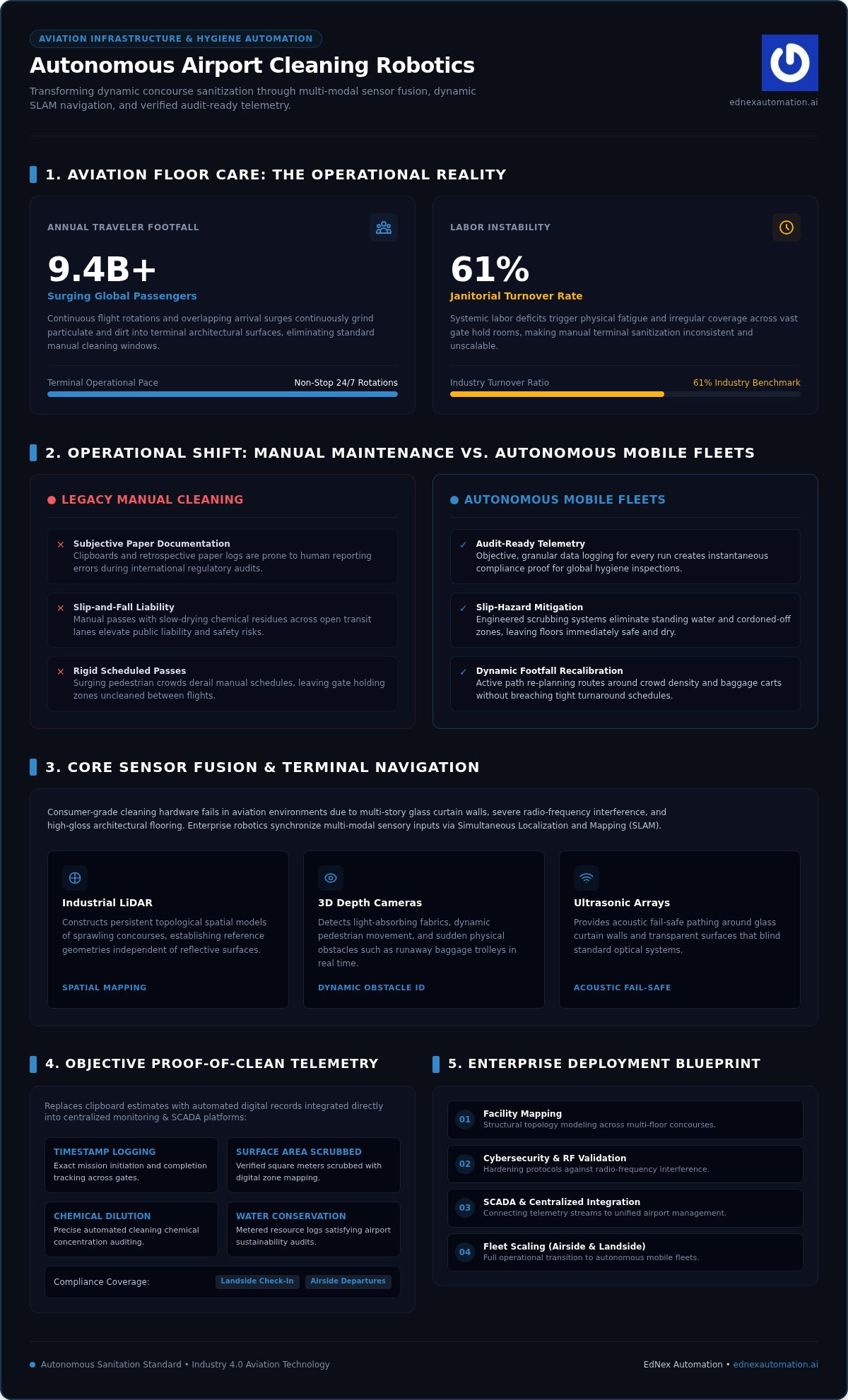
Executing an enterprise fleet rollout across complex aviation terminals requires methodical systems integration, not simple hardware drop-offs. Given the convergence of customs borders, secure airside aprons, and multi-tenant commercial operations, implementing robotic cleaning for airports demands a structured architectural deployment roadmap. Aviation facility directors mitigate operational friction and secure long-term capital viability by executing a disciplined four-phase deployment model:
- Phase 1: Spatial mapping and structural zoning: Engineering specialists execute digital twin surveys of all targeted terminal halls, establishing localized boundary models that respect sensitive security zones and sterile thresholds.
- Phase 2: Cybersecurity and airside validation: Units undergo stringent localized RF interference testing, network isolation verification, and aviation regulatory safety validation prior to live floor access.
- Phase 3: Utility infrastructure commissioning: Technical teams install dedicated base docking stations, greywater discharge drainage, fresh fluid hookups, and high-efficiency industrial battery replenishment pads.
- Phase 4: Algorithmic scheduling and dispatch: Central telemetry platforms integrate with live flight management systems, synchronizing automated missions with actual passenger boarding turnover.
Facility Mapping and Airside Security Protocol
Aviation environments present strict physical and legal boundaries. During the foundational mapping stage, certified engineers generate high-resolution LiDAR point clouds across concourses, customs inspection halls, and retail spaces. Software engineers then program rigid virtual geofences into the navigation software, preventing automated scrubbers from inadvertently crossing sterile customs checkpoints or unmonitored security thresholds. Simultaneously, operational telemetry is restricted to encrypted, dedicated enterprise Wi-Fi subnets, preventing lateral network vulnerabilities and securing critical airport IT infrastructure against external breaches.
Dynamic Scheduling Around Flight Operations
Static janitorial calendars fail inside dynamic passenger terminals. Enterprise fleet management platforms connect directly to airport operational databases, reading real-time flight manifests and live gate assignment changes. When a wide-body flight concludes passenger boarding, the control system instantly dispatches autonomous scrubbers to sanitize gate lounge carpets and hard surfaces before incoming transit passengers arrive. Discover how high-volume facilities orchestrate complex fleet missions by deploying autonomous mobile robots across mission-critical infrastructure.
Achieving predictable sanitation across vast transport hubs begins with sound engineering architecture. Contact our integration specialists at EdNex Automation to plan and execute your airport robotics deployment.
Scaling Aviation Infrastructure with EdNex Automation
Implementing large-scale automation across critical transport infrastructure requires an experienced engineering partner, not an equipment broker. Delivering industrial robotic cleaning for airports across the UAE demands comprehensive systems integration that bridges raw machinery with central facility oversight. EdNex Automation operates at a national scale, engineering turnkey robotics solutions tailored specifically for Tier-1 aviation hubs. By unifying indoor autonomous scrubbers, outdoor sweepers, and centralized industrial networks, our certified engineering teams manage everything from foundational site surveys to full hardware commissioning and lifecycle maintenance.
End-to-End Enterprise Systems Integration
Isolated cleaning units operating in functional silos restrict operational oversight. EdNex integrates autonomous mobile units directly into wider facility management architectures, bridging operational software with existing physical plant controls. Aviation authorities can easily interconnect terminal robotics with broader facility infrastructure through our specialized PLC and SCADA integration services. Centralizing fleet operations within these broader building management supervisory networks provides executive stakeholders with unified control over:
- Live telemetry dashboards: Continuous operational status, active square meters scrubbed, and battery states across all airside and landside terminal sectors.
- Automated utility management: Synchronized base-station docking coordinates water intake, greywater drainage, and electrical demand without manual staging.
- Integrated facility alarms: Immediate alerts routed through existing security and facility control consoles if a machine requires mechanical attention or encounters an obstruction.
Strategic Partnership for National Aviation Hubs
Aviation facilities cannot afford hardware downtime. EdNex provides comprehensive engineering lifecycle backing across the country, ensuring automated mobile assets operate at peak mechanical efficiency. Our national support network delivers rapid on-site maintenance, component replacements, and preventative software optimizations, guaranteeing uninterrupted terminal uptime. Structured technical training programs empower local airport facility teams to supervise complex multi-robot operations confidently, transforming routine maintenance into a strategic operational advantage. Connect directly with our robotics engineering team to schedule a comprehensive airport facility assessment.
Architecting the Future of Resilient Aviation Hygiene
Modern transit hubs can no longer rely on fragmented manual janitorial models to maintain world-class facility standards. Adopting autonomous robotic cleaning for airports resolves persistent labor constraints while establishing verifiable sanitization benchmarks across high-density concourses. By pairing multi-modal sensor navigation with instant dry-vacuuming and real-time telemetry, automated fleets eliminate slip hazards, protect delicate architectural flooring assets, and satisfy strict international compliance audits without disrupting flight turns.
Scaling these autonomous systems requires an enterprise partner with deep technical integration capabilities. EdNex Automation delivers a comprehensive portfolio of autonomous mobile robots, specialized cleaning machinery, and end-to-end industrial automation. Backed by certified engineers delivering nationwide deployment, network security validation, and full SCADA connectivity across critical infrastructure, we engineer reliable operations from day one. Partner with EdNex Automation to deploy intelligent airport cleaning robotics and build a resilient, audit-ready operational framework for your terminals.
Frequently Asked Questions
Can robotic cleaning machines operate safely during peak airport traffic hours?
Yes, enterprise cleaning robots operate safely during peak hours using multi-tier obstacle detection and adaptive speed controls. When concourses crowd, systems reduce operating speed, illuminate perimeter warning indicators, or dynamically reroute to quieter peripheral corridors. Multi-layer sensory arrays detect sudden passenger movements instantly, bringing the machine to a controlled stop well before physical proximity margins are compromised. This ensures safe daytime robotic cleaning for airports without impeding passenger movement.
How do autonomous cleaning robots navigate around dynamic terminal obstacles like luggage carts?
Autonomous cleaning robots use continuous sensor fusion combining industrial LiDAR, 3D depth cameras, and ultrasonic rangefinders to track dynamic obstacles in real time. Rather than relying on static 2D maps, the onboard perception software calculates dynamic vectors for moving objects like luggage trolleys, motorized passenger carts, and walking travelers. The system instantly evaluates whether to pause, yield right of way, or compute an alternate real-time trajectory around the obstruction without interrupting its primary cleaning mission.
Do commercial cleaning robots present cybersecurity risks to sensitive airport network infrastructure?
Commercial cleaning robots pose minimal risk when deployed through enterprise-grade network segmentation and encrypted protocols. Certified systems integration isolates robotic fleet communication within dedicated VLANs, air-gapping maintenance telemetry from critical flight operations or passenger data networks. Machines transmit telemetry via secure, certificate-authenticated enterprise Wi-Fi using AES-256 encryption. Robust firewalls and disabled external access ports prevent unauthorized lateral network penetration, ensuring strict adherence to civil aviation cybersecurity frameworks.
What happens if an autonomous floor scrubber encounters a spill or liquid hazard?
Autonomous scrubbers detect and manage liquid spills through high-volume extraction systems or onboard sensory avoidance depending on the fluid profile. Standard water or non-viscous liquid spills are vacuumed instantly, dried in a single continuous pass using high-power squeegees. When optical sensors or telemetry detect hazardous chemicals, fuel traces, or heavy viscous contaminations, advanced units bypass the hazard, flag the geographic coordinate, and alert custodial teams through the central dispatch system for manual remediation.
Can autonomous cleaning robots clean carpets as well as polished stone or terrazzo terminal floors?
Yes, dual-action and specialized autonomous cleaning platforms handle both deep carpeted gate lounges and hard architectural surfaces like terrazzo, marble, or polished concrete. Multi-surface units feature automated brush-deck switching, transitioning seamlessly between high-pressure cylindrical wet scrubbing for stone concourses and dry extraction vacuuming with HEPA filtration for carpeted boarding areas. Fleet management software maps specific floor types to corresponding cleaning recipes, ensuring the right mechanics, suction, and down-pressure apply automatically across changing zones.
How do autonomous cleaning robots handle water refilling and dirty water disposal in airports?
Autonomous cleaning robots manage fluid replenishment and wastewater disposal through automated base docking stations plumbed directly into airport utility lines. When fluid levels drop or greywater tanks reach capacity, units return autonomously to assigned utility docks. The station engages a sealed mechanical interface that drains wastewater into the facility sewer line, flushes the internal holding tanks, and refills fresh water mixed with precise chemical ratios. This hands-off replenishment cycle maintains continuous robotic cleaning for airports across multi-shift operations.
What is the typical operational lifespan of an enterprise-grade autonomous cleaning robot?
An enterprise-grade autonomous cleaning robot typically maintains an operational lifespan of five to seven years under continuous commercial service. Achieving this longevity depends on structured preventative maintenance, routine battery pack lifecycle management, and regular firmware upgrades. Modular hardware engineering allows operators to replace consumable components, including squeegee blades, scrub brushes, and drive casters, without retiring the core compute and LiDAR navigation chassis. Dedicated technical support and engineering lifecycle management ensure consistent multi-year performance across heavy transport hubs.