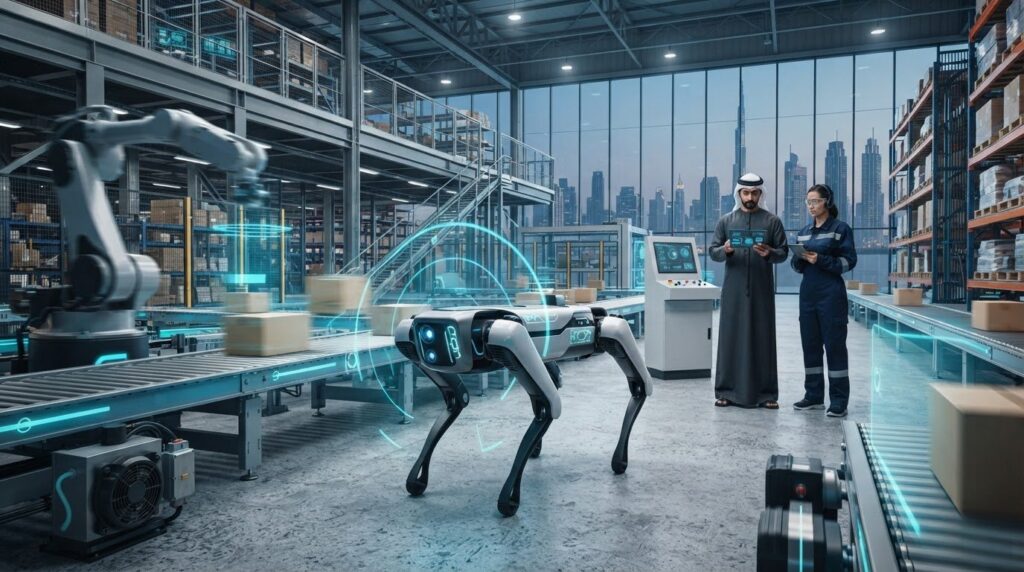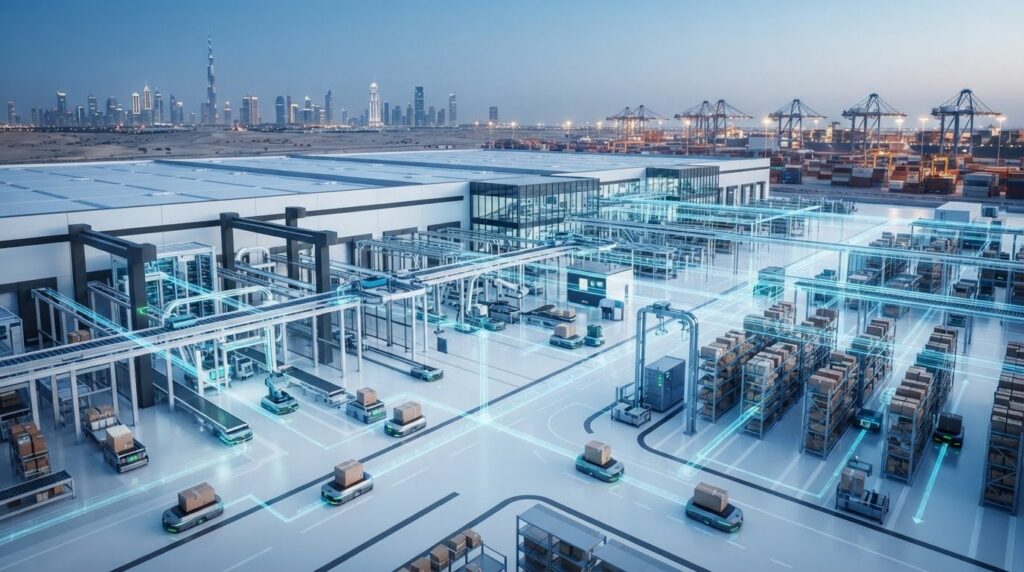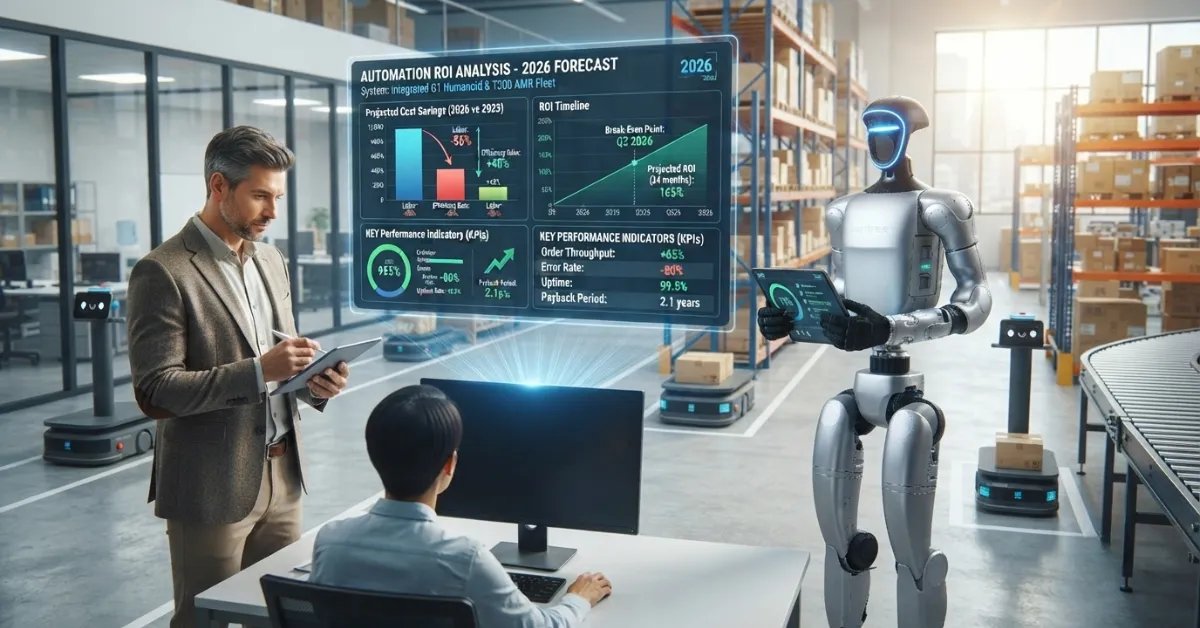
In 2026, a positive return on investment is no longer just a metric of labor savings; it’s a fundamental measure of your facility’s operational elasticity. As the global industrial robotics market approaches a $65.1 billion valuation, knowing how to calculate automation ROI 2026 requires a shift from simple spreadsheets to a sophisticated framework that captures the intelligence of autonomous systems. You’ve likely faced the challenge of presenting complex robotics proposals to a board that demands more than vague promises of efficiency. It’s difficult to quantify soft benefits like safety or reliability, especially when you’re navigating the potential for hidden integration costs in PLC and SCADA systems.
Integrating advanced technologies like autonomous mobile robots and collaborative systems demands a clear understanding of the total cost of ownership. This guide provides the technical framework necessary to master these calculations, helping you identify the most profitable automation targets while accounting for the 25% productivity increases driven by AI. By the end of this article, you’ll possess a defensible ROI report for your stakeholders. Utilizing a structured approach to risk mitigation, we’ll explore the impact of 2026 tax incentives and the specific maintenance lifecycles of autonomous hardware, ensuring your next industrial transformation is both strategically sound and financially transparent.
Key Takeaways
- Discover why Total Cost of Ownership in 2026 must account for the specific technical debt associated with poor PLC and SCADA integration.
- Master how to calculate automation ROI 2026 by shifting your primary metric from simple labor reduction to strategic Operational Elasticity.
- Learn the precise methodology for quantifying “Hygiene ROI” and throughput gains across AMRs, ASRS, and industrial cleaning robotics.
- Implement a defensible 5-step formula that integrates manual baselines with regional industrial subsidies to secure stakeholder confidence.
- Explore why selecting a sophisticated integration partner remains the most significant variable in maximizing the long-term yield of your robotics investment.
The Evolution of Automation ROI: Beyond Labor Savings in 2026
Transitioning from tactical cost-cutting to strategic capacity building, industrial leaders are redefining the financial impact of technology. Understanding how to calculate automation ROI 2026 involves moving past the antiquated obsession with labor replacement to embrace a more comprehensive metric: Operational Elasticity. This approach views automation as a dynamic asset that scales with market demand rather than a static expense. By analyzing Return on Investment (ROI) through the lens of modern industrial intelligence, organizations can justify the significant capital required for advanced robotics and control systems.
The 2026 Macro-Economic Context
Aligning industrial strategy with national initiatives like Operation 300bn and the UAE Net Zero 2050 strategy is no longer optional for those seeking regional leadership. Within the UAE industrial landscape, the traditional focus on “cost per hour” is being replaced by “output per square meter.” This shift acknowledges that physical space and energy efficiency are the true constraints of the modern era. Deploying high-tech autonomy ensures long-term business viability by creating a production environment that is resilient to fluctuating labor markets and rising energy costs. Utilizing advanced robotics allows facilities to meet stringent 2026 regulatory standards for safety and sustainability, transforming compliance from a cost center into a competitive advantage. To successfully launch your venture within this framework, visit Sarsan Corporate Services for expert assistance with UAE business setup.
Industry 4.0 systems are unique because they act as “future-proof” assets that often appreciate in functional value through iterative software updates and AI optimization. When managers determine how to calculate automation ROI 2026, they must account for this extended utility, which prevents the rapid obsolescence common in legacy hardware. By identifying technical solutions and linking them to risk mitigation, engineers can present a roadmap for modernization that satisfies both the technical and financial departments.
Tangible vs. Intangible Asset Valuation
Quantifying the value of data generated by PLC and SCADA integration services allows for a more precise valuation of intangible assets. These integrated systems facilitate the “Resilience Dividend,” which is the cost avoided during supply chain shocks or unforeseen downtime. Operational Elasticity is the ability to decouple production volume from headcount. Measuring these categorical gains enables stakeholders to build a defensible case for investment that transcends the simple reduction of manual tasks. This methodology ensures that every clause of an automation proposal serves a specific, informative purpose in the broader business strategy.
- Data Utility: Transforming raw operational data into actionable insights for predictive maintenance.
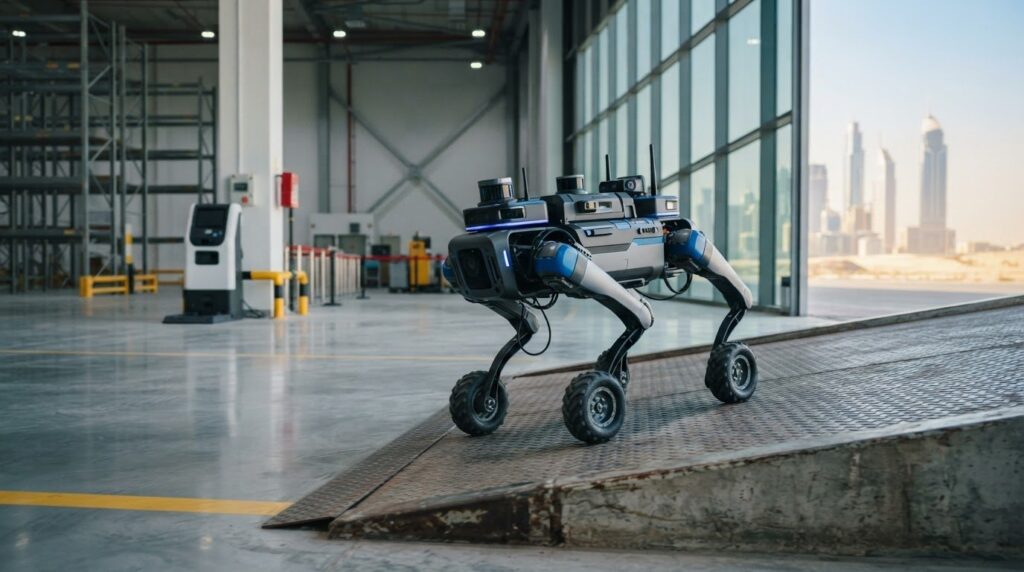
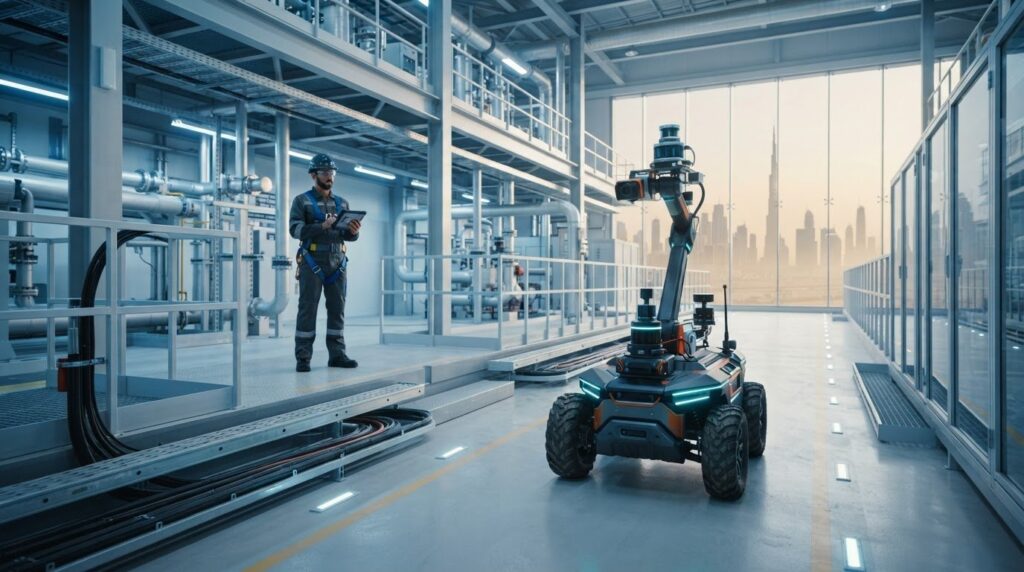
- Risk Mitigation: Reducing the probability of workplace accidents through autonomous inspection and surveillance.
- Sustainability Credits: Capturing the financial value of reduced energy consumption and chemical waste.
Calculating Total Cost of Ownership (TCO) for Industrial Robotics
Leading with a comprehensive breakdown of Capital Expenditure (CAPEX), decision-makers must recognize that the sticker price of a robot arm is merely the starting point of a multi-year financial commitment. Integrating intelligent automation requires a multi-layered financial perspective that includes bespoke integration fees, specialized licensing, and rigorous network security protocols. When determining how to calculate automation ROI 2026, the focus shifts toward the total life cycle costs, where infrastructure upgrades like power grid stabilization and industrial-grade network security become non-negotiable line items. Ignoring these foundational elements often leads to technical debt that erodes the expected returns on advanced systems.
Preparing the physical environment is equally critical for long-term reliability. High-density robot fleets often require specialized epoxy flooring to ensure navigational precision, alongside significant power upgrades to support rapid-charging stations for 24/7 operations. Beyond the hardware, the “Human Factor” represents a significant investment in change management and specialized technical hires. Training existing staff to interface with these systems ensures the technology is utilized to its full potential, preventing the underperformance that plagues poorly managed rollouts. Collaborating with a certified automation consultant can help mitigate these hidden risks during the planning phase, ensuring that every dirham spent contributes to a defensible financial model.
Hardware and Integration Expenses
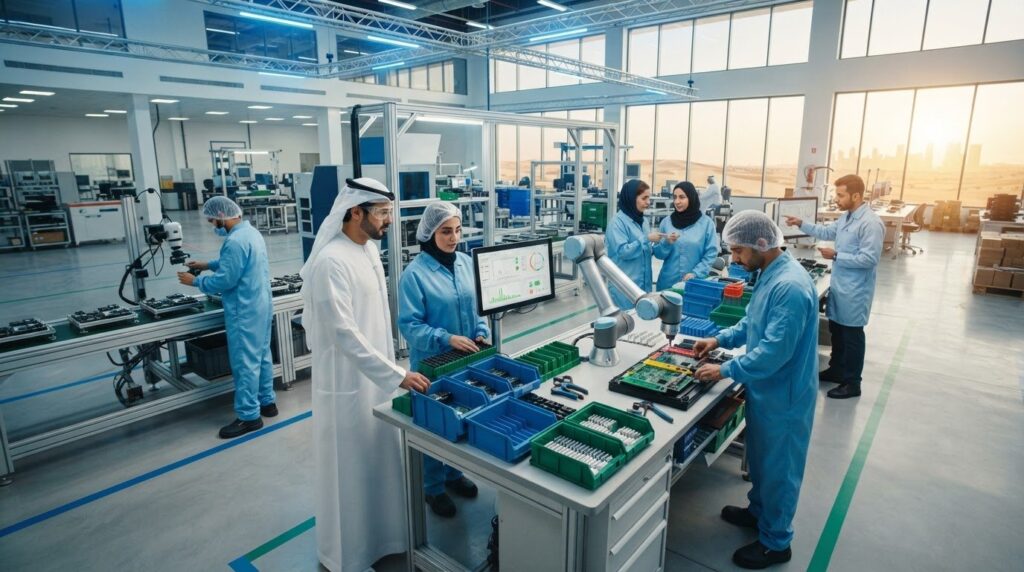
Identifying the correct robotic architecture is the first step in managing CAPEX. There is a distinct cost difference between collaborative robots (cobots), which offer lower safety fencing requirements, and traditional 6-axis industrial units designed for high-speed, high-payload applications. Furthermore, the financial impact of ASRS design and implementation on warehouse footprint can be transformative, often allowing facilities to double their storage capacity without expanding their physical walls. For specialized applications, such as outdoor cleaning robots, budgets must also account for environmental protection packages that shield sensitive electronics from extreme heat and dust, ensuring the longevity of the asset in harsh regional climates.
Ongoing Operational Expenditures (OPEX)
Shifting the focus to long-term sustainability, organizations must weigh the benefits of predictive maintenance against the high costs of reactive repair. Poor PLC integration acts as a primary driver of increased OPEX, as inefficient code can lead to excessive wear on mechanical components and higher energy consumption. Establishing energy consumption benchmarks for high-density autonomous mobile robot (AMR) fleets is essential in 2026, especially as power costs fluctuate. Additionally, the transition toward subscription-based software models means that firmware update cycles and AI feature licensing must be factored into the annual operating budget to maintain peak system intelligence and security compliance.
Quantifying Categorical Gains: AMRs, ASRS, and Cleaning Robots
Moving beyond the foundational costs of integration, sophisticated industrial leaders must focus on the specific performance multipliers that advanced hardware delivers. Understanding how to calculate automation ROI 2026 requires a granular analysis of categorical gains, where each technological implementation is measured by its unique contribution to operational throughput. It’s not just about replacing a manual process; it’s about identifying how autonomous systems fundamentally alter the speed and accuracy of your entire supply chain. By quantifying these improvements, you can build a more robust financial case that accounts for both direct savings and strategic capacity expansion.
Logistics and Warehouse Efficiency
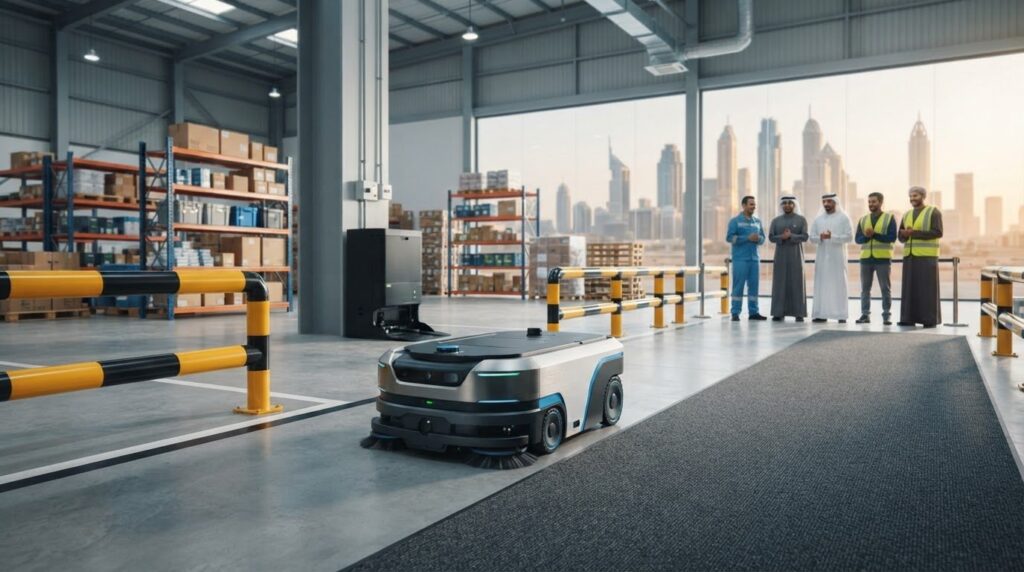
Deploying autonomous mobile robots allows facilities to drastically reduce order cycle times in national distribution centers. These systems eliminate the non-productive walking time associated with manual picking, enabling a seamless flow of goods that directly increases daily throughput. When you’re comparing the ROI of Automated Storage and Retrieval Systems (ASRS) against manual racking in high-rent industrial zones, the value of vertical space becomes a decisive factor. Implementing ASRS can reduce your facility’s footprint by up to 85%, effectively delaying or eliminating the need for expensive real estate expansion. Furthermore, the transition to automated storage delivers 99.9% inventory accuracy, which significantly reduces the costs associated with mispicks and stockouts.
Collaborative robots, or cobots, offer another layer of categorical gain through the “Safety Premium.” By taking over repetitive or ergonomically hazardous tasks, these units reduce the frequency of workplace injury claims and the associated insurance premiums. This reduction in risk is a tangible financial benefit that stabilizes long-term operating costs while improving employee retention. In the 2026 landscape, these safety improvements are essential for maintaining a high-performance culture that prioritizes both human well-being and mechanical precision.
Facility Management and Commercial Cleaning
The implementation of autonomous cleaning robots in large-scale commercial facilities introduces the concept of “Hygiene ROI.” Unlike manual cleaning, which can be inconsistent, autonomous units provide a verifiable and repeatable level of cleanliness that ensures consistent uptime for critical infrastructure. These robots utilize advanced sensors to optimize chemical and water usage, creating a direct link between sustainability and financial returns. By reducing chemical waste and water consumption by up to 30%, organizations can capture significant savings while aligning with regional environmental mandates.
Redeploying janitorial staff to high-value maintenance tasks represents a critical labor reallocation strategy. Instead of performing repetitive floor scrubbing, your team can focus on complex facility inspections or preventative maintenance that requires human judgment. This shift doesn’t just cut costs; it enhances the overall resilience of your facility. When you determine how to calculate automation ROI 2026, you must account for this increased operational intelligence, as it ensures your facility remains competitive in an increasingly automated global market.
This principle of 24/7 availability through automation extends beyond industrial maintenance into specialized retail. For business owners in the floral industry looking to generate revenue around the clock, you can visit Blumenautomat24 to explore how premium vending systems provide a high-ROI solution for fresh bouquet sales.
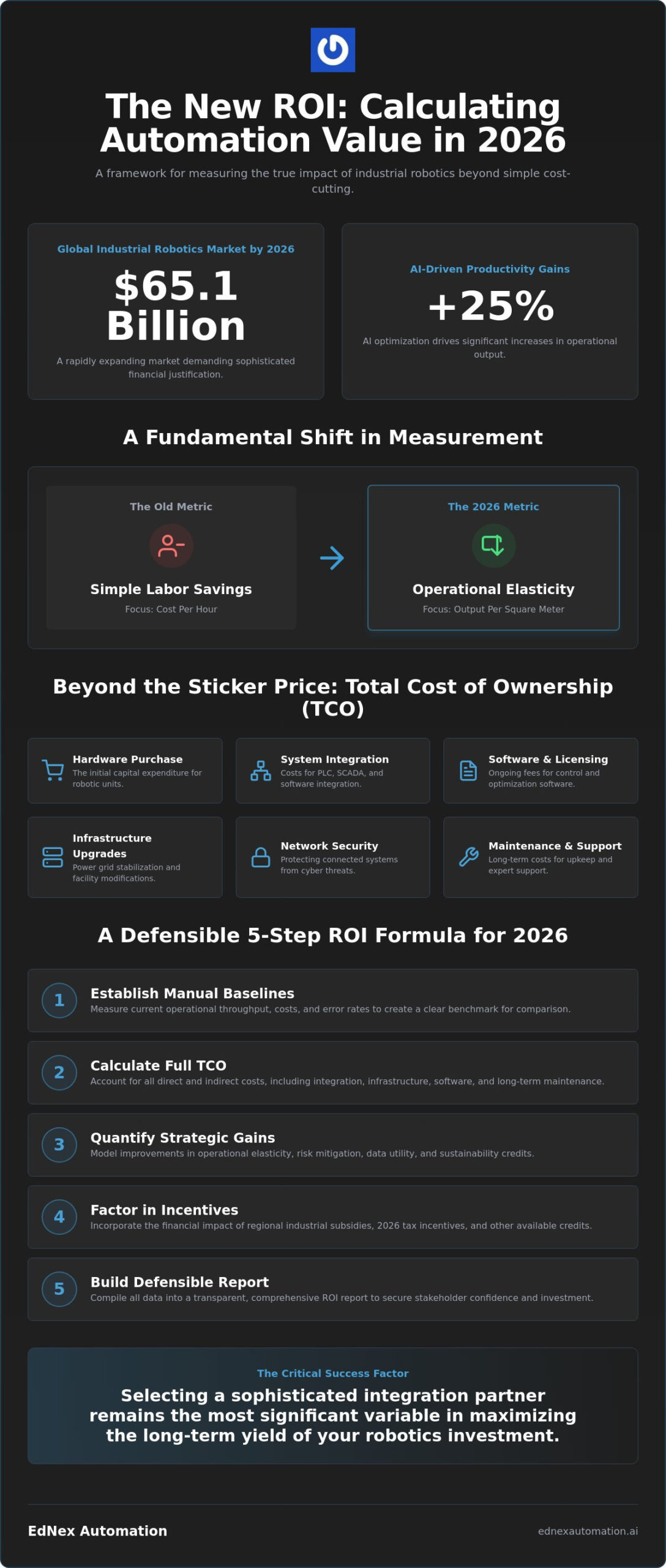
The 5-Step Automation ROI Formula for 2026
Developing a defensible financial model requires a systematic approach that bridges the gap between engineering potential and fiscal reality. Mastering how to calculate automation ROI 2026 involves a rigorous five-step process designed to withstand board-level scrutiny. By isolating specific variables and applying modern industrial benchmarks, organizations can transform speculative projections into reliable business intelligence. This methodology ensures that every technical implementation is backed by a clear economic rationale, positioning the investment as a necessary evolution for long-term competitiveness.
- Step 1: Establish a Comprehensive Manual Baseline. Accurate ROI begins with an exhaustive audit of current manual operations, documenting labor expenditures, error-related rework costs, unplanned downtime frequency, and material waste percentages.
- Step 2: Calculate the Net Investment. Determining the true cost of implementation requires subtracting regional industrial subsidies and tax credits from the Total Cost of Ownership (TCO) established in previous sections.
- Step 3: Quantify Annualized Gains. Aggregating the value of improved throughput, enhanced quality control, and reduced workplace accidents provides a clear picture of the system’s operational impact.
- Step 4: Apply the 2026 Industrial ROI Formula. Integrating depreciation schedules and first-year write-offs, such as the 100% bonus depreciation available for AI-related hardware investments, ensures the formula reflects current fiscal policy.
- Step 5: Determine Payback Period and Internal Rate of Return (IRR). Finalizing the report involves identifying the exact moment the system pays for itself and calculating the annualized rate of earnings on the investment.
The ROI Calculation Framework
Utilizing the advanced formula ROI = [(Total Lifetime Benefits – TCO) / TCO] x 100 allows for a long-term perspective on asset value. Acknowledging the “Ramp-up Period” is essential for managing stakeholder expectations; Month 1 ROI is almost always negative as teams adjust to new workflows. Leveraging real-time SCADA data to validate these ROI assumptions post-implementation provides a continuous feedback loop that ensures the system remains optimized. If you’re ready to build a custom financial model for your facility, consult with our technical specialists to ensure your projections align with 2026 industrial benchmarks.
Sensitivity Analysis and Risk Modeling
Executing a sensitivity analysis ensures your financial model remains resilient under various economic conditions. Modeling ROI under different energy price scenarios in the UAE is particularly vital for high-density AMR fleets and ASRS installations. The impact of 24/7 operation versus a single-shift operation significantly alters payback speed, often cutting the time to profitability by half. Because of the rapid advancements in AI-driven efficiency and the availability of permanent tax incentives, a 2-year payback period has become the 2026 industrial benchmark for high-impact automation projects.
Strategic Implementation: Maximizing the Yield of Your Investment
The execution phase of an automation project determines whether the theoretical gains calculated in your financial model manifest as tangible profits. While understanding how to calculate automation ROI 2026 is essential for securing initial approval, the choice of an integration partner remains the single biggest variable in achieving those projected outcomes. A sophisticated partner doesn’t just deliver hardware; they provide the intellectual framework necessary to synchronize disparate systems into a unified operational force. Adopting a “Start Small, Scale Fast” methodology allows organizations to validate assumptions through pilot programs before committing to full-scale rollouts, effectively mitigating risk while building internal technical competency.
Integrating collaborative robots into existing workflows minimizes disruption by allowing humans and machines to work in close proximity without extensive safety modifications. This strategic placement of cobots ensures that the transition to Industry 4.0 is additive rather than subtractive. Leading the next wave of innovation, the introduction of humanoid robots into high-interaction service roles represents a visionary step toward future-proofing your workforce, ensuring that your facility remains at the cutting edge of industrial evolution.
Bespoke Integration and Technical Synergy
Maximizing ROI requires seamless PLC and SCADA communication across the entire plant floor to eliminate data silos. Fragmented hardware sourcing often kills ROI by introducing integration bottlenecks and increasing technical debt. Utilizing “One-Stop” solutions ensures that every component is designed to work in harmony, reducing the time spent on troubleshooting and maintenance. In a recent optimization project for a national logistics provider, EdNex Automation implemented a vertically integrated ASRS and AMR fleet that significantly enhanced order processing efficiency. This case study demonstrates how technical synergy translates directly into financial performance, reinforcing the necessity of a holistic implementation strategy.
Conclusion: The Path to Industrial Transformation
The transition from viewing automation as a cost-center to recognizing it as a primary profit-driver is the hallmark of a forward-thinking organization. By mastering how to calculate automation ROI 2026, you’ve equipped yourself with the data-driven narrative required to lead your organization through its next evolution. Before presenting to the board, ensure your ROI report includes:
- A clear TCO breakdown including 2026 tax incentives and depreciation schedules.
- Quantified categorical gains for specific hardware like AMRs, ASRS, or cobots.
- Sensitivity analysis for energy costs and various shift patterns.
- A documented plan for staff training and technical reallocation to ensure long-term viability.
Transforming your facility requires more than just tools; it requires a strategic partnership focused on precision and controlled innovation. Consult with EdNex Automation experts to model your facility’s ROI and secure your place at the forefront of the 2026 industrial landscape.
Securing Your Industrial Future in the 2026 Landscape
Navigating the complexities of high-tech autonomy requires a shift from tactical observation to strategic execution. By mastering how to calculate automation ROI 2026, you’ve established a framework that prioritizes long-term business viability over short-term savings. You now understand that quantifying the financial impact of ASRS and autonomous mobile robots involves measuring both physical footprint reduction and the resilience dividend of integrated systems. This intellectual framework is the foundation for any organization wishing to remain competitive in an increasingly automated global market.
Transitioning to these advanced systems shouldn’t be a journey taken alone. As an official integrator for global robotics leaders with deep expertise in UAE-specific industrial regulations, EdNex Automation provides the technical synergy required to maximize your investment. We maintain a proven track record in PLC, SCADA, and ASRS deployment, ensuring your facility achieves peak operational intelligence through controlled innovation. Partner with EdNex Automation for a comprehensive Industrial 4.0 assessment to begin your transformation today. The path to industrial excellence is built on precision, and your facility’s evolution starts with a single, data-driven decision.
Frequently Asked Questions
What is a realistic payback period for industrial robotics in 2026?
A 2-year payback period represents the current industrial benchmark for high-impact automation projects. This timeline’s accelerated by AI-driven efficiency gains and permanent tax incentives like 100% bonus depreciation. While specific timelines vary based on application complexity, most organizations achieve full amortization within 24 months by optimizing shift patterns and reducing operational waste. High-density autonomous fleets often reach profitability even faster when operated across multiple shifts.
How do UAE-specific labor costs affect the ROI of autonomous cleaning robots?
Regional labor dynamics shift the focus from simple hour-replacement to “Hygiene ROI” and operational consistency. While direct labor costs in the UAE may be lower than in some Western markets, the high turnover and training expenses associated with manual janitorial staff create a significant financial burden. Autonomous cleaning robots mitigate these risks by delivering 100% uptime and reducing chemical waste, ensuring a stable and predictable facility management budget.
Can I include “safety improvements” as a tangible financial gain in my ROI model?
Safety improvements are a quantifiable financial gain that directly reduces workplace injury claims and insurance premiums. When you’re determining how to calculate automation ROI 2026, you should include the “Safety Premium” associated with collaborative robots and automated inspection systems. These technologies decrease the probability of high-cost accidents, providing a tangible reduction in risk-related liabilities while simultaneously enhancing long-term employee retention and morale.
What are the most common hidden costs in PLC and SCADA integration?
The most frequent hidden costs involve technical debt arising from fragmented hardware sourcing and inefficient programming. Poorly integrated PLC and SCADA systems lead to excessive mechanical wear and higher energy consumption, which inflate long-term OPEX. Additionally, organizations often overlook the need for industrial-grade network security and power grid stabilization. Both are essential for maintaining the integrity of advanced autonomous fleets and avoiding unplanned downtime.
How does ASRS ROI compare to traditional warehouse expansion?
ASRS ROI is typically superior to traditional warehouse expansion because it maximizes vertical space and reduces the facility footprint by up to 85%. Instead of investing in expensive new real estate, organizations can utilize automated storage to double their current capacity within existing walls. This approach eliminates the capital-intensive costs of land acquisition and construction while providing 99.9% inventory accuracy and significantly faster order cycle times.
Is it better to lease or buy robots to maximize ROI?
The choice between leasing and purchasing depends on your organization’s preference for OpEx versus CapEx financial structures. Purchasing robots allows for significant first-year tax write-offs through equipment financing, which often yields a higher long-term ROI. However, Robot-as-a-Service models provide greater flexibility for scaling fleets without large upfront investments. This makes it an attractive option for companies testing new automation targets or managing fluctuating production volumes.
How do government incentives like Operation 300bn impact my automation budget?
Government initiatives like Operation 300bn provide significant financial tailwinds by offering industrial subsidies and favorable financing for modernization projects. These incentives directly reduce the Net Investment required for implementation, effectively shortening your payback period. By aligning your automation strategy with national goals like the UAE Net Zero 2050 strategy, your organization can access regional grants that offset the initial costs of high-tech infrastructure.
What happens to the ROI if my production volume fluctuates?
Advanced automation systems maintain ROI during volume fluctuations by providing “Operational Elasticity,” which is the ability to scale output without proportional increases in headcount. When production drops, autonomous systems can be redeployed or placed in low-power modes to minimize costs. Conversely, during peak demand, these systems operate 24/7 without the overhead of overtime pay or temporary hiring. This ensures that your profit margins remain protected regardless of market volatility.