With the global cleaning robot market projected to reach 21.63 billion dollars in 2026, the transition from manual labor to autonomous systems has shifted from a luxury to a strategic necessity for large-scale facilities. Acknowledging the mounting pressures of rising overhead and the difficulty of maintaining consistent hygiene benchmarks in vast industrial spaces, forward-thinking leaders are now prioritizing intelligent automation. Integrating industrial floor cleaning robots UAE into your facility provides a decisive solution to these challenges, effectively bridging the gap between traditional maintenance and modern, data-driven operations. This guide explores how these advanced robotic systems transform industrial hygiene through autonomous intelligence and seamless integration with your wider automation framework. By examining the latest regulatory standards set by MoIAT and the operational efficiencies gained through PLC and SCADA integration, we provide a comprehensive roadmap for future-proofing your facility. You’ll gain a clear understanding of how to achieve verifiable, high-level cleaning outcomes while significantly reducing resource waste and operational friction in an increasingly competitive industrial landscape.
Key Takeaways
- Evaluate the transition from manual labor to autonomous hygiene systems to ensure compliance with the latest 2026 UAE regulatory standards.
- Learn how the sensory architecture of industrial floor cleaning robots UAE, including LiDAR and 3D cameras, enables safe navigation in high-traffic industrial zones.
- Quantify the operational ROI of robotic scrubbers by analyzing the reduction in water consumption and chemical waste over a five-year horizon.
- Secure your facility’s competitive edge by integrating autonomous cleaning cycles with wider PLC and SCADA automation ecosystems for centralized control.
- Access a strategic framework for implementing comprehensive robotic solutions that align with the UAE’s National AI Strategy 2031.
Table of Contents
The Strategic Evolution of Industrial Cleaning in the UAE
Recognizing the urgency of Industry 4.0 mandates, UAE industrial leaders are aggressively phasing out manual maintenance in favor of high-performance robotic systems. By 2026, the reliance on traditional cleaning crews has become a significant operational liability for high-output facilities. Rising labor costs combined with the inherent inconsistency of human-led maintenance are driving a decisive shift toward autonomous cleaning robots. These systems provide a level of precision that manual methods simply cannot replicate. Leveraging the foundational principles of the industrial robot, these specialized cleaning variants execute complex paths with millimeter precision, ensuring every square meter of a facility meets stringent hygiene protocols.
Adopting industrial floor cleaning robots UAE allows organizations to align their facility management with the nation’s broader technological aspirations. The UAE’s National AI Strategy 2031 has created a procurement environment where automation is the standard rather than the exception. Facilities that fail to modernize risk falling behind in a market that demands verifiable data and absolute consistency. Manual maintenance is no longer sufficient for the scale of modern logistics hubs and manufacturing plants. It’s a matter of long-term business viability. Organizations are discovering that the initial investment in robotics is quickly offset by the elimination of labor management friction and the reduction of human error.
Drivers of Automation in the UAE Market
Regional economic shifts are forcing a move toward higher operational efficiency. As the UAE solidifies its position as a global logistics powerhouse, the pressure to maintain world-class facilities has intensified. Strict regulatory requirements for hygiene, particularly in the food production and pharmaceutical sectors, leave no room for the variability of manual cleaning. High-tech infrastructure requires high-tech upkeep. Meeting the standards set by the Ministry of Industry and Advanced Technology (MoIAT) requires the kind of precision only autonomous systems can provide. These robots don’t just clean; they ensure compliance through every cycle.
From Appliances to Intelligent Assets
Core Technologies Driving Industrial Cleaning Autonomy
Achieving absolute autonomy in high-traffic industrial zones requires a sophisticated sensory architecture. Modern industrial floor cleaning robots UAE utilize a multi-layered stack consisting of LiDAR, ultrasonic sensors, and 3D depth cameras to perceive their surroundings with high fidelity. These sensors don’t just detect walls; they identify subtle floor transitions and mobile obstructions in real-time. By processing thousands of data points per second, the onboard compute engine creates a comprehensive 360-degree digital twin of the immediate environment, ensuring safe operation even in the most congested logistics hubs.
Navigation and Environmental Awareness
Using Simultaneous Localization and Mapping (SLAM) technology, these robots navigate complex layouts without the need for external beacons or magnetic strips. This represents a significant leap from pre-programmed pathing. Dynamic real-time path planning allows the system to recalculate its route instantly when an unexpected obstacle, such as a forklift or a pallet, appears. This adaptability is critical for maintaining efficiency in warehouses where layouts change frequently. Organizations looking to optimize these deployments often seek expert automation consultancy to ensure seamless floor-to-cloud data flow and operational consistency.
AI-driven obstacle avoidance protocols prioritize the safety of human personnel. Advanced algorithms distinguish between static equipment and moving employees, adjusting speed and trajectory accordingly. This capability facilitates a harmonious human-robot co-existence in busy production zones, meeting the rigorous safety standards required for high-tech industrial operations. It’s not just about avoiding collisions; it’s about maintaining a fluid operational rhythm where robots and humans work in parallel without friction.
Specialized Cleaning Mechanisms for Industry
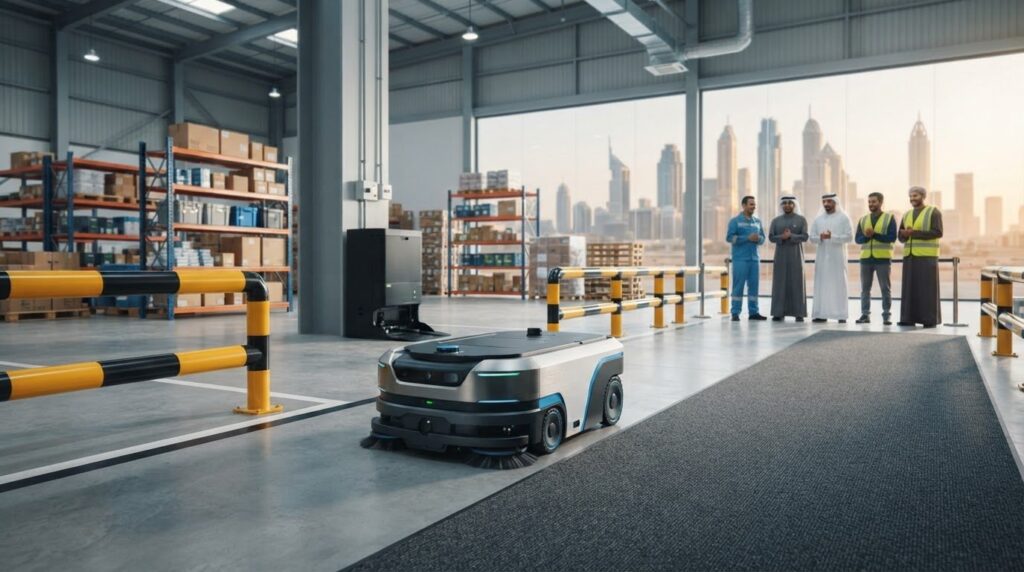
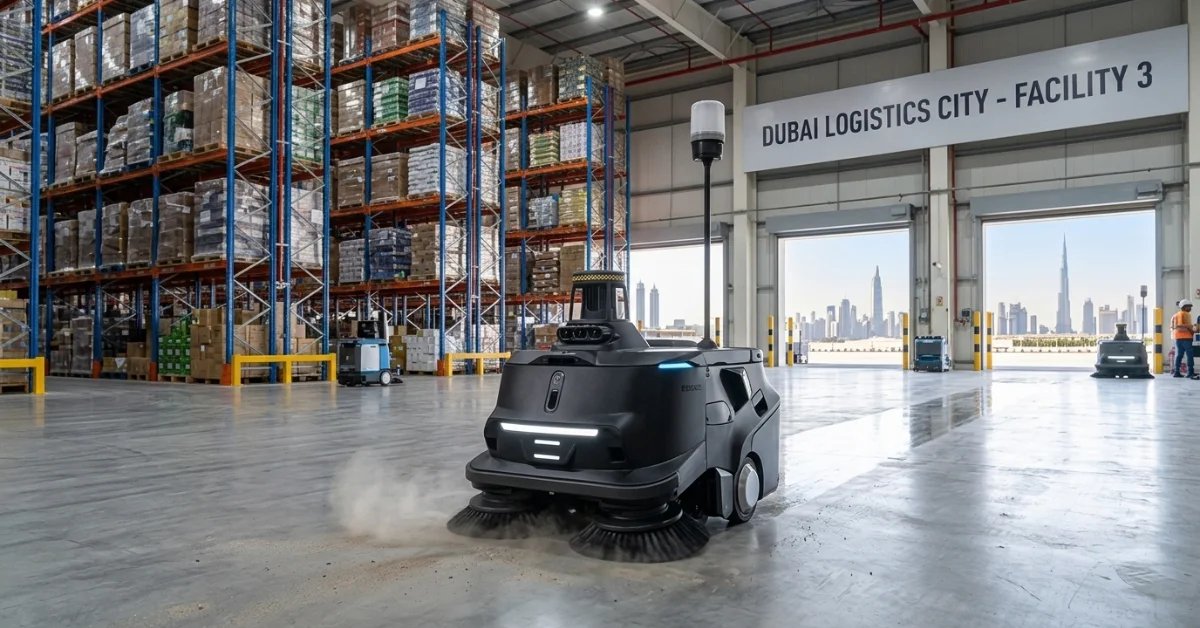
Specialized cleaning mechanisms define the functional value of these assets beyond simple navigation. Autonomous scrubber dryer technology employs high-pressure rotating brushes and rapid moisture extraction to leave floors dry and safe for immediate foot traffic. For larger areas prone to solid debris, heavy-duty sweeping systems provide extensive coverage, capturing everything from fine dust to industrial metal shavings. According to Cleaning Robot Market Trends, the demand for multi-functional units that integrate vacuuming, mopping, and sweeping into a single platform is accelerating as facilities seek to minimize their robotic fleet size while maximizing utility.
Ensuring 24/7 operational readiness is achieved through advanced battery technology and automated docking stations. When power levels or water supplies run low, the robot autonomously returns to its station to recharge and refill. This eliminates the need for manual intervention, allowing the facility to maintain a constant state of hygiene without interrupting production cycles. These systems transform cleaning from a scheduled chore into a continuous, self-sustaining utility.
Comparing Robotic Scrubbers vs. Manual Equipment
Developing a robust financial framework for facility maintenance requires moving beyond simple upfront costs to evaluate the Total Cost of Ownership (TCO) over a five-year horizon. While manual equipment appears cost-effective initially, the recurring expenses of labor, training, and turnover quickly eclipse the capital investment required for industrial floor cleaning robots UAE. Autonomous systems provide a level of operational uptime that manual shifts cannot match; they operate in continuous 24/7 cycles with minimal intervention. This transition eliminates the inherent variability of human performance, ensuring that every cleaning pass meets the exact same technical specifications every single time.
Efficiency and Resource Optimization
Optimizing resource consumption is a hallmark of high-tech hygiene. Robotic systems utilize intelligent sensors to adjust water flow and brush pressure based on the specific floor type and detected soil levels. By employing precision dosing and advanced filtration recycling systems, these assets significantly reduce chemical waste and environmental impact. Integrating autonomous units into your workflow can reduce water consumption by up to 70% compared to traditional mopping methods. This efficiency doesn’t just lower utility costs; it supports corporate sustainability initiatives and ensures compliance with the UAE’s evolving environmental regulations.
The ROI of Autonomous Floor Maintenance
Calculating the true ROI involves more than just counting labor hours saved. It requires a strategic look at labor reallocation, where staff are moved from repetitive, low-value scrubbing tasks to high-value maintenance and supervisory roles. This shift improves morale and reduces the physical strain associated with manual industrial cleaning. Additionally, the consistent, calibrated pressure applied by industrial floor cleaning robots UAE extends the longevity of expensive industrial flooring by preventing the abrasive wear often caused by improper manual techniques. Precise mechanical control ensures the substrate is protected while achieving peak hygiene.
Leveraging the strategic value of cleaning data provides a final, critical layer of ROI. Every cycle completed by an autonomous scrubber generates a detailed digital record, providing verifiable proof for facility audits and hygiene compliance reporting. In sectors like pharmaceuticals or food processing, this data-driven transparency is invaluable for maintaining official certifications and meeting global safety standards. Instead of relying on manual logs that are prone to error, facility managers can access real-time dashboards that confirm exactly when, where, and how a surface was sanitized.
Integrating Cleaning Robots into the Industrial Ecosystem
Orchestrating a fleet of industrial floor cleaning robots UAE requires a fundamental shift from viewing them as isolated appliances to recognizing them as integrated nodes within a broader digital architecture. Achieving this level of synergy involves sophisticated PLC and SCADA integration services, which allow for the centralized management of all automated assets. By linking cleaning cycles directly to production schedules, facilities ensure that hygiene protocols never impede high-value workflows. This interconnectedness transforms maintenance into a predictable, scheduled component of the industrial lifecycle rather than a reactive interruption.
Centralized Control and SCADA Connectivity
Viewing cleaning status as a critical data point within a unified industrial dashboard provides managers with unprecedented visibility. Leveraging SCADA connectivity, organizations can automate cleaning triggers based on real-time production data or sensor-detected soilage levels. This ensures that resources are deployed only when necessary, maximizing efficiency while maintaining a sterile environment. As these robotic fleets become more embedded in industrial networks, robust cybersecurity considerations must be prioritized to protect sensitive operational data. Implementing secure, encrypted communication channels is essential for maintaining the integrity of the facility’s automated ecosystem.
Interoperability with Logistics Systems
Ensuring seamless coordination with autonomous mobile robots and delivery units is vital for preventing bottlenecks in high-traffic zones. Modern cleaning systems communicate directly with automated storage and retrieval systems (ASRS) to avoid collisions and optimize pathing. This interoperability is managed through sophisticated traffic management protocols that prioritize mission-critical tasks while allowing cleaning units to operate in the background. Utilizing 5G or private LTE networks provides the low-latency communication required for real-time adjustments in dynamic environments.
Fleet management software enables the orchestration of multiple units across diverse facility zones, allowing for granular control over specific cleaning parameters. IoT connectivity facilitates predictive maintenance alerts, identifying potential mechanical issues before they result in costly downtime. By analyzing sensor data from each unit, the system can schedule service during low-activity periods, ensuring the fleet remains at peak operational readiness. To begin your transition to a fully integrated autonomous environment, you should consult with an industrial automation specialist who understands the complexities of regional infrastructure.
EdNex Automation: Your Partner for Industrial Robotic Integration
Positioning itself as the definitive bridge between global technological breakthroughs and regional economic requirements, EdNex Automation provides the intellectual framework necessary for large-scale facility transformation. Successfully deploying industrial floor cleaning robots UAE requires a partner who understands that hardware is only one component of a successful automation strategy. We act as a high-level consultant, ensuring that every robotic asset is seamlessly integrated into your existing operational fabric. By prioritizing long-term business viability, we help organizations transition from traditional maintenance models to sophisticated, autonomous hygiene ecosystems that drive measurable efficiency.
As a specialized division of the EdNex group, our team focuses exclusively on the practical application of Industry 4.0 technologies. We possess the technical depth required to deploy high-performance collaborative robots in the UAE, ensuring these systems work in harmony with your human workforce. Our national coverage ensures that enterprises across the Emirates receive consistent technical support and maintenance, safeguarding the operational uptime of every unit within your fleet. This reliability is essential for maintaining the continuous cleaning cycles discussed in previous sections.
Strategic Implementation Framework
Adopting a systematic approach to modernization, our implementation framework begins with a comprehensive audit of your facility’s specific environmental challenges and digital infrastructure. This phase ensures that the selected autonomous systems are perfectly calibrated for your floor types and traffic patterns. We develop bespoke software layers designed to bridge the gap between robotic hardware and existing facility ERPs, enabling centralized data management and real-time oversight. This process concludes with rigorous training and knowledge transfer, empowering local operations teams to supervise their automated assets with technical proficiency and confidence.
Future-Proofing UAE Industrial Facilities
Designing for scalability allows your facility to evolve as operational demands increase and technological capabilities advance. Our integration expertise extends beyond floor maintenance to include the deployment of humanoid and specialized service robots, offering a holistic approach to facility management. By establishing a robust automation foundation today, you ensure your infrastructure remains competitive and compliant with future UAE regulatory standards. To begin your transition toward a fully autonomous operational model, contact EdNex Automation for a strategic consultation on industrial cleaning integration. We provide the engineering-minded leadership necessary to turn technological potential into tangible industrial progress.
Securing the Future of UAE Industrial Infrastructure
Adopting a high-tech approach to facility hygiene ensures your organization remains competitive within the UAE’s rapidly evolving industrial landscape. By transitioning from manual methods to industrial floor cleaning robots UAE, facilities achieve a level of operational precision that human crews simply can’t replicate. Integrating these autonomous systems with existing PLC and SCADA frameworks transforms simple maintenance into a strategic, data-driven asset. This evolution doesn’t just reduce resource waste; it ensures total compliance with the latest regulatory standards while providing verifiable data for every cleaning cycle.
EdNex Automation acts as your technical partner in this transformation, providing the intellectual framework necessary for successful implementation across the Emirates. Leveraging our Specialized Industry 4.0 Division and expert PLC/SCADA integration capabilities, we deliver comprehensive solutions tailored to your specific infrastructure. With robust national UAE support, we ensure your transition to autonomy is seamless and sustainable. It’s time to redefine your operational benchmarks and embrace the next generation of industrial hygiene.
Explore Strategic Industrial Automation Solutions with EdNex and secure your facility’s position at the forefront of modern industrial innovation. The path to a more efficient, sterile, and autonomous future begins with a single strategic decision.
Frequently Asked Questions
How do industrial floor cleaning robots handle obstacles in a busy UAE warehouse?
Industrial floor cleaning robots UAE utilize a multi-layered sensory architecture to navigate high-traffic warehouses safely. By combining LiDAR with ultrasonic sensors and 3D depth cameras, these systems identify both static and mobile obstructions in real-time. Onboard AI instantly recalculates cleaning paths to avoid forklifts and personnel, ensuring continuous operation without disrupting logistics workflows. This dynamic adaptability represents a significant leap from traditional pre-programmed systems that require clear paths to function effectively.
What is the typical ROI period for an autonomous cleaning robot in a large facility?
Determining the ROI period involves evaluating the total cost of ownership against the reduction in manual labor overhead and resource waste. Most large-scale facilities observe a full return on investment within eighteen to twenty-four months as they reallocate staff to higher-value maintenance roles. Beyond direct labor savings, the consistent application of mechanical pressure extends the life of expensive industrial flooring. This strategic approach to floor maintenance ensures long-term business viability in a competitive economic landscape.
Can robotic floor scrubbers be integrated with our existing SCADA or PLC systems?
Achieving seamless integration with existing SCADA or PLC systems is a foundational requirement for modern industrial automation. These robotic assets function as data-generating nodes that communicate directly with your facility’s central control hub through secure industrial protocols. This connectivity allows managers to automate cleaning cycles based on production schedules or sensor-detected soilage levels. By viewing hygiene status on a unified dashboard, organizations gain unprecedented visibility into their operational environment and regulatory compliance status.
Are autonomous cleaning robots suitable for outdoor industrial environments in the UAE?
Specialized outdoor cleaning robots are specifically engineered to maintain external industrial perimeters and loading docks within the UAE’s unique climate. These units feature robust chassis and filtration systems capable of handling high dust volumes and elevated ambient temperatures. Implementing autonomous outdoor systems ensures that grit and debris are intercepted before they enter sterile indoor production zones. This proactive approach to perimeter hygiene is essential for facilities operating in the region’s demanding environmental conditions.
How much water and chemical waste can be saved using robotic cleaning systems?
Implementing autonomous cleaning systems allows facilities to reduce water consumption by up to 70% compared to traditional manual mopping methods. Precision dosing technology ensures that chemical usage is optimized based on the specific soil levels detected by onboard sensors. Additionally, advanced filtration systems recycle water during the cleaning cycle, significantly minimizing the volume of wastewater generated. These efficiencies support national sustainability goals and reduce the environmental footprint of large-scale manufacturing and logistics operations.
What maintenance is required for a fleet of industrial cleaning robots?
Maintaining a fleet of industrial cleaning robots requires a structured protocol focused on sensor calibration and the replacement of consumable components like brushes and squeegees. Most modern units utilize predictive maintenance alerts to notify operations teams of potential mechanical issues before they lead to downtime. Automated docking stations further simplify the process by handling charging and fluid management without human intervention. This systematic approach ensures that the robotic fleet remains at peak operational readiness with minimal manual oversight.
Can these robots operate in complete darkness or low-light conditions?
Autonomous cleaning units operate with total precision in complete darkness because their primary navigation sensors, such as LiDAR and ultrasonic arrays, don’t rely on ambient light. This capability allows facilities to execute intensive cleaning cycles during off-peak hours or in unlit storage zones without increasing energy costs for lighting. By decoupling hygiene protocols from lighting requirements, organizations maximize their operational uptime while further reducing utility expenses. It’s a critical advantage for 24/7 industrial environments that prioritize energy efficiency.
How do cleaning robots handle different floor surfaces, such as polished concrete and epoxy?
Advanced robotic scrubbers handle diverse floor surfaces by automatically adjusting brush pressure and water flow to suit the specific substrate, whether it’s polished concrete or epoxy. Onboard software allows managers to define specific cleaning parameters for different facility zones, ensuring delicate surfaces aren’t damaged by excessive abrasion. This level of mechanical control prevents the inconsistent wear patterns often caused by manual equipment. Consequently, the structural integrity and aesthetic quality of the industrial flooring are preserved over a much longer operational lifespan.