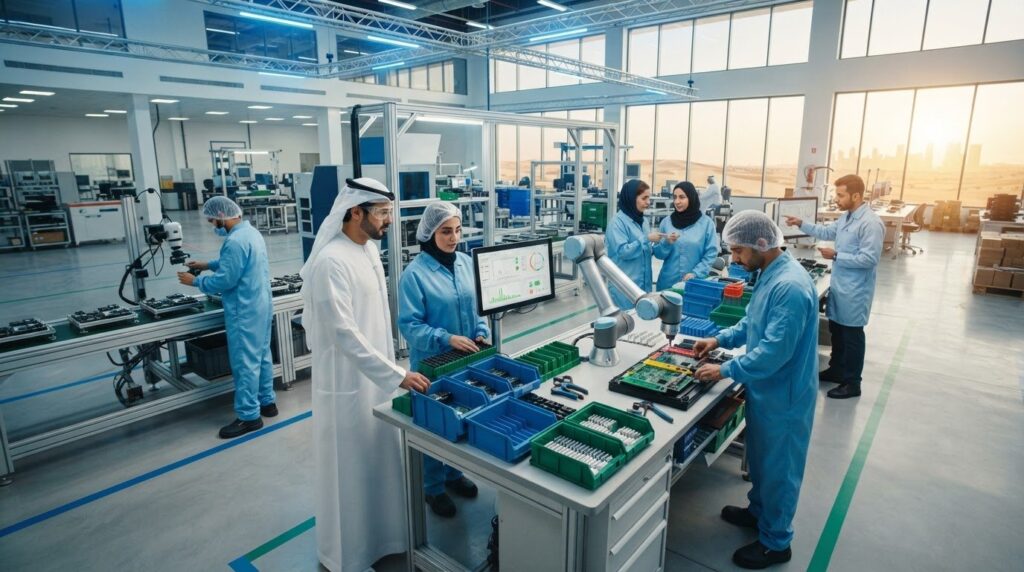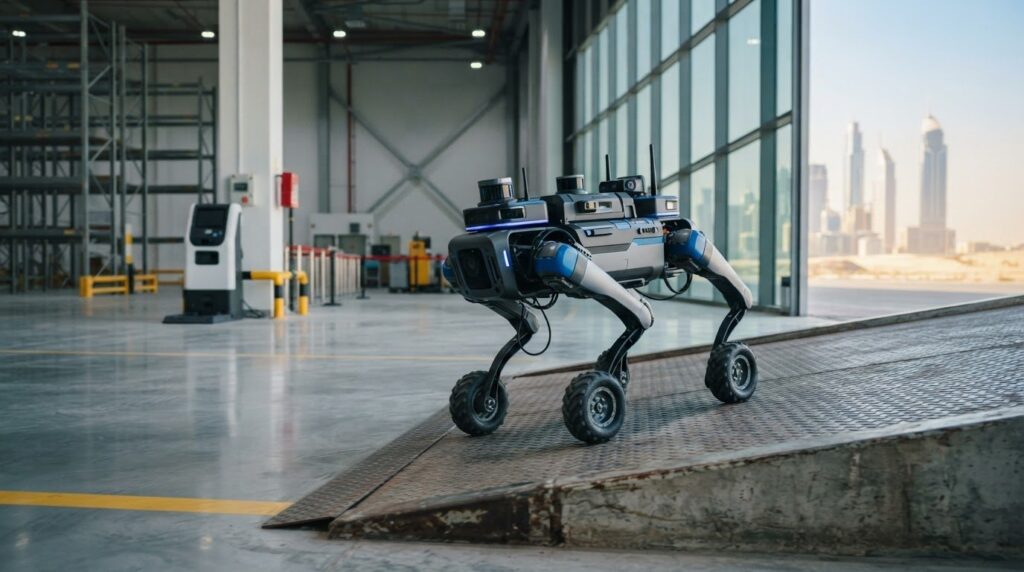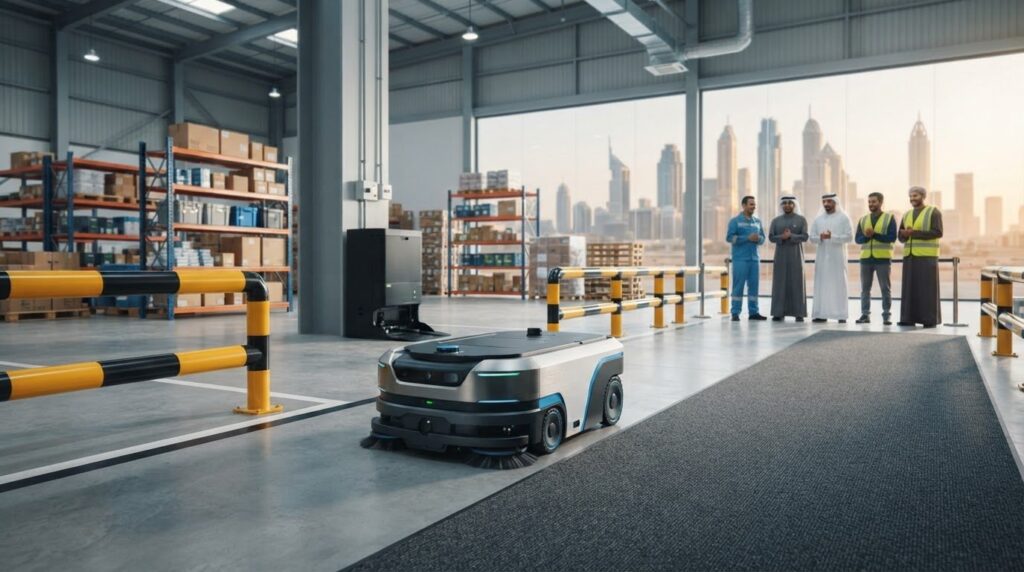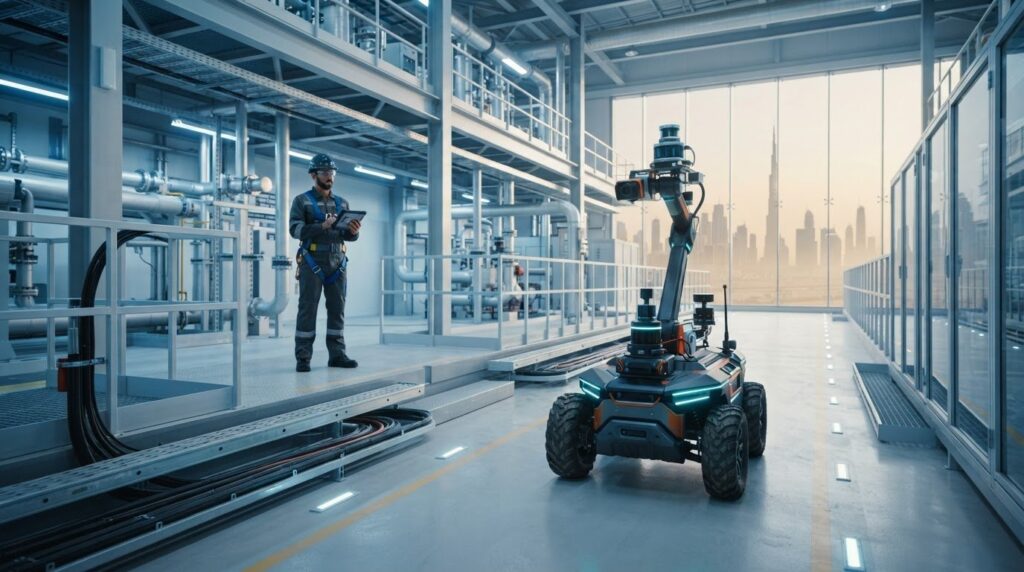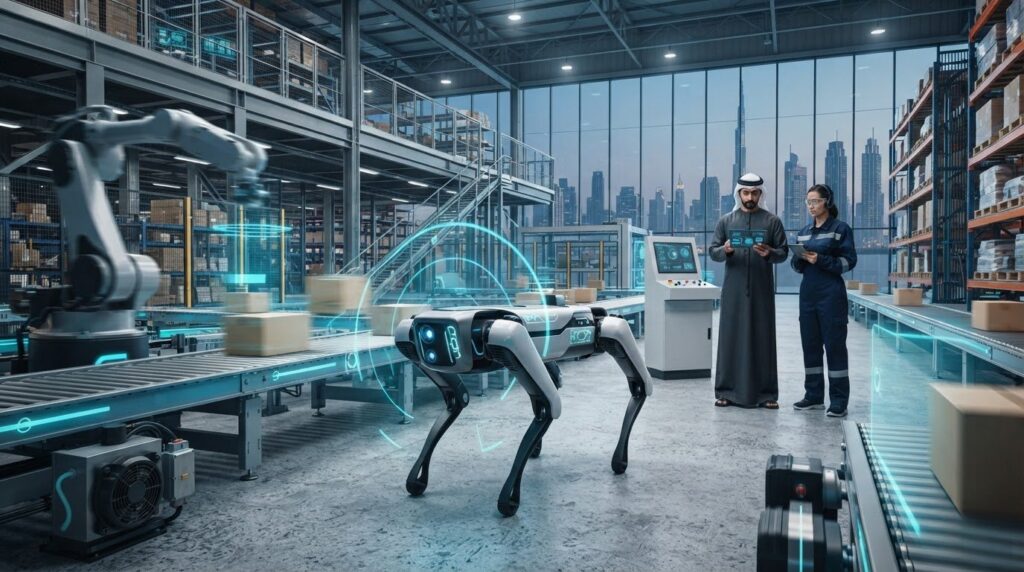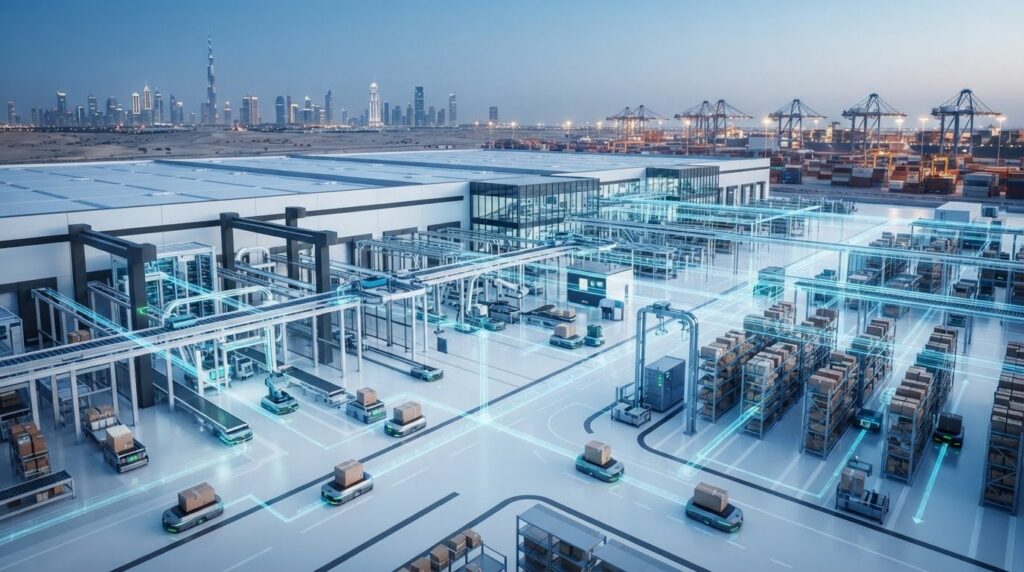
The belief that a controller migration is merely a hardware swap is a costly misconception that risks paralyzing modern industrial operations. Recognizing the gravity of legacy system dependencies, many facility managers across the UAE hesitate to modernize due to the looming threat of unplanned downtime and the potential loss of mission-critical logic. Effective PLC system upgrade planning requires more than technical replacement; it demands a visionary framework that bridges the gap between aging infrastructure and the autonomous capabilities of Industry 4.0.
You understand that maintaining operational continuity while integrating advanced robotics or ASRS is a high-stakes endeavor. This guide provides a technical roadmap designed to eliminate migration risks and ensure your facility meets the latest cybersecurity benchmarks, including the IEC 62443-2-1:2024 standards for industrial control systems. By prioritizing a systematic approach to code translation and network segmentation, we’ll explore how to transform your control layer into a resilient, high-performance asset. This strategic modernization ensures your long-term business viability while positioning your organization as a leader in the regional industrial landscape.
Key Takeaways
- Establish a visionary foundation for industrial modernization by mastering the complexities of PLC system upgrade planning to bridge the gap between legacy hardware and Industry 4.0 autonomy.
- Conduct detailed technical audits and I/O inventories to determine the most cost-effective path between automated code conversion and manual rewrites for your specific facility.
- Evaluate the trade-offs between phased and flash-cut migration methodologies to ensure your modernization project aligns with production schedules and critical uptime requirements.
- Implement rigorous risk mitigation protocols, including parallel running and comprehensive Factory Acceptance Testing (FAT), to validate new control logic against live process data before final commissioning.
- Future-proof your infrastructure by designing PLC architectures that support the seamless integration of advanced robotics, such as autonomous mobile robots, for optimized material handling.
The Strategic Imperative for PLC System Upgrade Planning
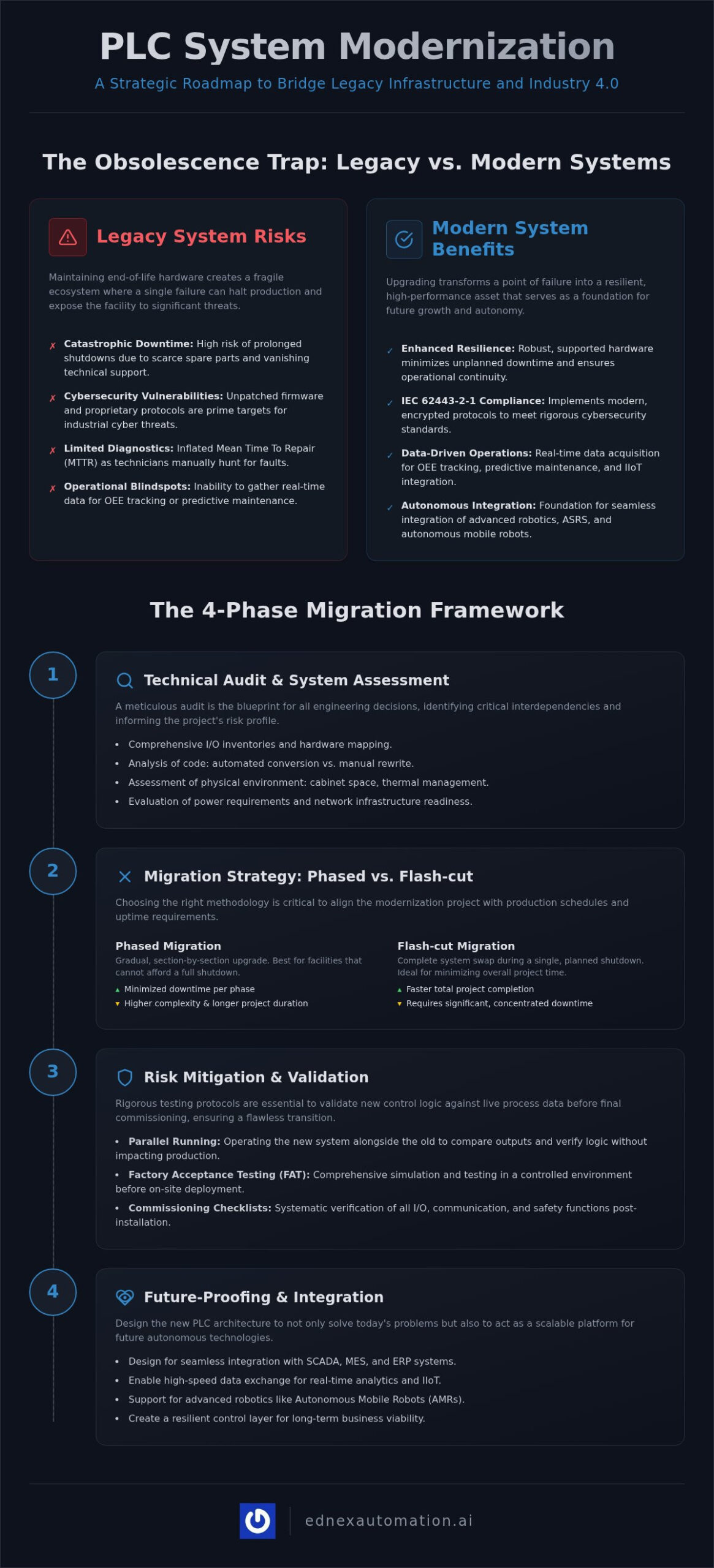
Industrial leaders across the UAE often find themselves ensnared in the “Obsolescence Trap,” where the perceived stability of a legacy controller masks a growing operational liability. Maintaining end-of-life hardware introduces hidden costs that extend far beyond simple maintenance fees; it creates a fragile ecosystem where a single component failure can halt production for weeks. When spare parts become scarce and technical support for discontinued firmware vanishes, the financial impact of a shutdown can quickly exceed the initial investment of a modernization project. Comprehensive PLC system upgrade planning serves as the strategic remedy to this fragility, transforming a vulnerable point of failure into a robust foundation for future growth. Modern architectures don’t just execute logic; they act as the primary node within an Industrial Control System (ICS), facilitating the high-speed data exchange required for advanced automation.
Modernizing Beyond Basic Control
Transitioning from isolated logic to integrated PLC and SCADA integration services enables a level of operational intelligence previously unattainable with proprietary legacy hardware. These modern systems facilitate real-time data acquisition, allowing engineers to track Overall Equipment Effectiveness (OEE) and implement predictive maintenance schedules that prevent failures before they occur. By leveraging the power of the Industrial Internet of Things (IIoT), facilities can synchronize their control layer with enterprise-level management software to optimize resource allocation. A modern PLC acts as a sophisticated gateway that provides enterprise-wide transparency by connecting the factory floor directly to high-level management systems. This connectivity is essential for integrating autonomous mobile robots or collaborative robots into the material flow, ensuring every movement is synchronized and data-driven.
The Cost of Inaction
Quantifying the risk of catastrophic failure in legacy hardware is a difficult but necessary exercise for any facility manager. Limited diagnostic capabilities in older units often inflate the mean time to repair (MTTR), as technicians must manually hunt for faults that modern systems would identify instantly. As we move through 2026, the transition away from proprietary legacy protocols has reached a critical tipping point; organizations that fail to modernize risk being locked out of the global supply chain’s digital evolution. Upgrading control logic also serves as a primary defense mechanism, replacing vulnerable, unpatched legacy communication with encrypted, secure protocols. This shift is vital for meeting the rigorous IEC 62443-2-1:2024 cybersecurity requirements, protecting your infrastructure from the increasing frequency of cyber threats targeting industrial environments.
Phase 1: The Technical Audit and System Assessment
A successful PLC system upgrade planning phase begins with a meticulous technical audit that serves as the blueprint for all subsequent engineering decisions. Initiating a modernization project without a granular understanding of the current state is a recipe for costly delays. Citing a comprehensive PLC Modernization Strategy, engineers must look beyond the CPU to the entire ecosystem of sensors, actuators, and communication protocols. This stage isn’t merely about counting hardware; it’s about identifying the critical interdependencies that sustain your facility’s operational pulse. Every detail informs the risk profile of the migration, from assessing cabinet heat dissipation in UAE environments to evaluating the bandwidth of existing network infrastructure.
Beyond the logic, engineers must assess the physical environment where the new hardware will reside. Legacy cabinets often lack the space or thermal management necessary for modern, high-density I/O modules and managed switches. Evaluating power requirements is equally vital, as modern processors and communication modules may have different current draws than their twenty year old predecessors. A thorough review of the network infrastructure ensures that the existing cabling can support the gigabit speeds required for real-time IIoT data exchange and secure connectivity.
Inventory and I/O Mapping
Documenting every digital and analog point ensures 100% signal parity between the old and new systems. This process includes evaluating the physical condition of field wiring and sensors, as aging insulation or corroded terminals can introduce intermittent faults that are difficult to troubleshoot post-migration. I/O mapping is the most critical step in preventing commissioning delays because it ensures that every physical connection is accounted for and correctly addressed in the new software environment. Missing a single interlock or limit switch feedback can lead to hours of unplanned downtime during the critical cutover window.
Software and Logic Evaluation
Analyzing legacy ladder logic often reveals decades of undocumented workarounds or spaghetti code that must be untangled before conversion. While automated tools can expedite the process, a manual rewrite is frequently the superior choice for implementing the modular IEC 61131-3 standard. This structured approach is essential when planning for the integration of automated storage and retrieval systems within the control hierarchy, as these complex machines require high-speed, reliable handshaking between the PLC and the ASRS controller. Ensuring your new code is clean and scalable allows for easier integration of SCADA and ERP systems, providing the data transparency mentioned in previous sections. For organizations seeking to validate their current infrastructure against future needs, partnering with a specialized consultant like EdNex Automation provides the necessary intellectual framework to navigate these technical complexities.
Migration Strategies: Phased vs. Flash-cut Approaches
Selecting the optimal migration methodology is a critical decision that defines the success of your PLC system upgrade planning. Industrial operators must choose between the immediate transformation of a flash-cut approach and the controlled, incremental evolution of a phased rollout. While fixed PLCs offer cost-effective solutions for standalone machinery, they’re often less flexible than modular architectures, which provide the necessary scalability for facilities anticipating future expansions into robotics or complex ASRS networks. To expedite the physical transition, engineers often utilize ‘Swing Arm’ or ‘Conversion Kit’ solutions. These specialized hardware adapters allow for the rapid migration of field wiring to new I/O modules without the need for time-consuming, point-by-point manual rewiring, effectively reducing labor costs and the risk of human error during the cutover.
The Phased Migration Roadmap
Implementing a phased migration involves isolating non-critical sub-processes for initial modernization, allowing for rigorous testing and validation without risking the entire production line. This strategy is particularly advantageous for large-scale UAE manufacturing facilities where a total plant shutdown is economically unfeasible. By using industrial gateways to bridge legacy communication protocols like Modbus with modern standards such as OPC UA, operators can maintain data continuity across a hybrid environment. This incremental approach allows for the systematic training of technical staff and ensures each subsystem is fully optimized before the next phase begins, providing a steady and manageable path toward full industrial modernization without the stress of a single, high-stakes deadline.
Managing the Flash-cut Transition
Executing a flash-cut migration requires precision and a highly disciplined execution window, typically during scheduled annual maintenance shutdowns. This rapid replacement strategy demands a comprehensive ‘Point-to-Point’ checkout list to verify every physical connection and software interlock immediately upon power-up. To mitigate the inherent risks of a single-event transition, engineers must develop a robust ‘Roll-back’ plan that allows for the immediate restoration of the legacy system if unforeseen logic conflicts arise. It’s essential to utilize advanced simulation tools and digital twins to pre-validate code against a virtual model of the facility before the physical shutdown. This proactive validation ensures that the new control logic is fully functional before the physical hardware is even installed, significantly reducing the probability of post-shutdown production delays.
Risk Mitigation and Minimizing Plant Downtime
Mitigating the risks inherent in large-scale industrial modernization requires a multi-layered validation strategy that extends far beyond basic code conversion. Within the framework of PLC system upgrade planning, implementing ‘Parallel Running’ protocols allows engineers to mirror live process data into the new controller without affecting actual production. This provides a real-world testbed for the upgraded logic, ensuring that every PID loop and interlock responds correctly to dynamic plant conditions. Formalizing the transition through rigorous Factory Acceptance Testing (FAT) and Site Acceptance Testing (SAT) ensures that every functional requirement is met before the final cutover, providing a documented trail of system readiness. Transitioning to modern systems necessitates a comprehensive change management program, focusing on upskilling the workforce to navigate sophisticated HMI interfaces and advanced diagnostic tools. Leveraging regional PLC programming services ensures that on-site emergency support remains available to address immediate technical challenges during the critical commissioning phase.
Advanced Simulation and Digital Twins
Employing digital twin technology enables engineers to stress-test PLC logic within a high-fidelity virtual environment, identifying potential timing issues or sequence conflicts before a single physical module is installed. This virtual commissioning process reduces the total time on-site by allowing for the exhaustive testing of edge-case scenarios that would be too dangerous or expensive to replicate in a live facility. Advanced simulation environments effectively isolate the logic from physical variables, significantly reducing the human error factor by allowing for infinite non-destructive iterations of the control sequence. By identifying bottlenecks in the virtual world, UAE manufacturers can ensure a seamless transition that protects both assets and personnel.
Post-Migration Support and Optimization
Establishing a performance baseline immediately following the upgrade allows for the continuous monitoring of system health and the identification of subtle efficiency gains. Modern controllers provide a wealth of telemetry data that, when properly analyzed, can lead to significant optimizations in cycle times and energy consumption. Integrating remote diagnostic capabilities empowers technical teams to reduce future mean time to repair (MTTR) through real-time telemetry and cloud-based troubleshooting. To maintain long-term system health, scheduling periodic code audits ensures that the logic remains optimized as operational requirements evolve. For facilities ready to secure their operational future through a controlled and deliberate modernization process, partner with our specialized integration team to develop a bespoke risk mitigation plan.
Future-Proofing: Integrating PLCs with Autonomous Systems
The final stage of a sophisticated PLC system upgrade planning initiative involves transforming the controller from a localized logic engine into a central orchestrator for autonomous technologies. As industrial environments evolve, the ability of a PLC to communicate with mobile and collaborative assets determines the facility’s overall agility. Modern architectures provide the high-speed processing and protocol flexibility required to integrate control systems with autonomous mobile robots, enabling a truly dynamic material flow that adapts to real-time production demands. This synergy extends to the warehouse, where upgraded PLCs and automated storage and retrieval systems work in tandem to eliminate inventory bottlenecks. By leveraging the advanced communication capabilities of 2026-era hardware, modern PLCs facilitate the deployment of collaborative robots in the UAE, ensuring that human-machine interaction is both safe and highly efficient.
Bridging Control and Autonomy
Modern PLCs serve as the primary traffic controllers for AMR fleets, managing the complex handshaking protocols that allow mobile units to interface with stationary conveyors or palletizing stations. This integration is vital for maintaining safety standards, as it enables ‘Safety Stop’ synchronization between the mobile robotic units and the fixed infrastructure. When an AMR enters a shared workspace, the PLC can adjust the operational parameters of nearby machinery in real-time, preventing collisions and ensuring continuous throughput. Similarly, the coordination between ASRS cranes and production line logic allows for just-in-time material delivery, which reduces the need for extensive floor-side buffer zones. This high-level orchestration transforms the factory floor into a responsive ecosystem where every movement is calculated for maximum efficiency.
The EdNex Automation Advantage
Achieving this level of industrial maturity requires a partner who provides the intellectual framework for implementation rather than just the hardware components. EdNex Automation delivers start-to-finish integration expertise, bridging the gap from the initial legacy audit to the final deployment of sophisticated robotic systems. Our bespoke automation solutions are specifically designed to navigate the unique economic landscape of the UAE, ensuring that your modernization efforts align with regional industrial goals and global technological benchmarks. By focusing on systematic and controlled innovation, we ensure the long-term business viability of your facility, positioning your organization at the forefront of the Industry 4.0 era. This comprehensive approach guarantees that your investment in technology translates into tangible operational resilience and a significant competitive advantage.
Securing Your Industrial Evolution in the Industry 4.0 Era
Embracing the complexities of PLC system upgrade planning ensures that your facility moves beyond the limitations of legacy hardware to become a high-performance node in the global supply chain. By prioritizing systematic audits and rigorous risk mitigation, you protect your operational continuity while building a foundation for advanced robotics and real-time data transparency. This transformation isn’t just about replacing a controller; it’s about establishing the intellectual framework necessary for long-term business viability in a competitive regional landscape, an effort that can be enhanced by using Nossy to transform existing chat tools into a functional business system.
As a specialized UAE industrial partner, EdNex Automation offers comprehensive start-to-finish expertise backed by official certifications and global alliances. We provide the technical roadmap required to bridge the gap between traditional control and futuristic autonomy. Partner with EdNex Automation for your strategic PLC and SCADA integration to unlock the full potential of your industrial infrastructure. Your journey toward a more resilient and autonomous operation starts with a controlled and deliberate modernization strategy.
Frequently Asked Questions
How long does a typical PLC system upgrade take to plan and execute?
A comprehensive modernization initiative typically spans three to six months for the initial planning phase; this is followed by an execution window that aligns with scheduled facility shutdowns. Complex environments requiring extensive technical audits and code translation may necessitate longer lead times to ensure every operational dependency is accounted for within the strategic framework. This methodical approach ensures that all hardware procurement and logic validation occur well before the physical installation begins.
Can I upgrade my PLC hardware without rewriting my entire control program?
Automated conversion tools allow for the migration of legacy logic to modern hardware, though this approach often carries forward the inefficiencies of outdated programming structures. While it’s possible to retain existing code, a strategic rewrite to the IEC 61131-3 standard provides the intellectual foundation necessary for future scalability. This investment ensures that your new system is fully optimized for human-robot collaboration and the high-speed data exchange required in modern factories.
What are the primary indicators that my PLC system has reached end-of-life?
Primary indicators of system obsolescence include the increasing scarcity of certified spare parts and the cessation of official technical support from the original equipment manufacturer. When a facility experiences frequent intermittent faults or finds its current hardware incapable of supporting secure IIoT protocols, it’s reached a critical tipping point. These signs indicate that immediate PLC system upgrade planning is necessary to prevent catastrophic failure and ensure long-term operational resilience.
How does a PLC upgrade improve the cybersecurity of my industrial network?
Upgrading to modern control architectures enables the implementation of encrypted communication and advanced network segmentation, effectively hardening the facility against sophisticated cyber threats. These systems are designed to meet the rigorous IEC 62443-2-1:2024 standards, replacing vulnerable legacy protocols with secure, authenticated data exchanges. This shift protects critical infrastructure from unauthorized access while providing the transparency required for modern PLC system upgrade planning and long-term security compliance across your industrial network.
What is the difference between a ‘rip and replace’ and a phased PLC migration?
A ‘rip and replace’ strategy involves the complete removal of legacy hardware during a single, intensive shutdown window, offering a rapid but high-risk path to modernization. In contrast, a phased migration allows for the incremental modernization of sub-processes, utilizing industrial gateways to maintain communication between legacy and modern units. This controlled approach minimizes the impact on overall production continuity and allows for the systematic validation of each upgraded subsystem before moving to the next.
Is it possible to integrate my new PLC with existing legacy field devices?
Modern controllers are engineered for high-level compatibility, utilizing universal I/O modules and multi-protocol gateways to interface with existing legacy field devices. This integration ensures that your modernization project maximizes the value of current assets while providing the high-speed connectivity required for advanced automation. By bridging the gap between old and new hardware, you can maintain your existing sensors and actuators while benefiting from the processing power of modern logic.
How much downtime should I realistically expect during a PLC flash-cut?
Realistically, a well-planned flash-cut migration requires a dedicated downtime window of forty-eight to seventy-two hours for the physical installation and initial point-to-point verification. Utilizing advanced simulation tools and digital twins during the pre-migration phase can significantly reduce this window by identifying logic conflicts before the physical hardware is even unboxed. This proactive strategy ensures that the facility returns to full operational capacity within the shortest possible timeframe while minimizing the risk of post-shutdown errors.
What role does SCADA play in a modern PLC system upgrade?
SCADA systems act as the primary visualization and data acquisition layer, transforming raw PLC telemetry into actionable business intelligence for enterprise-level decision making. A modern upgrade ensures that your control logic and SCADA interface are perfectly synchronized, enabling real-time performance monitoring and the seamless orchestration of complex material flows. This integration is essential for facilities aiming to achieve enterprise-wide transparency and optimized material flow through advanced robotic coordination.