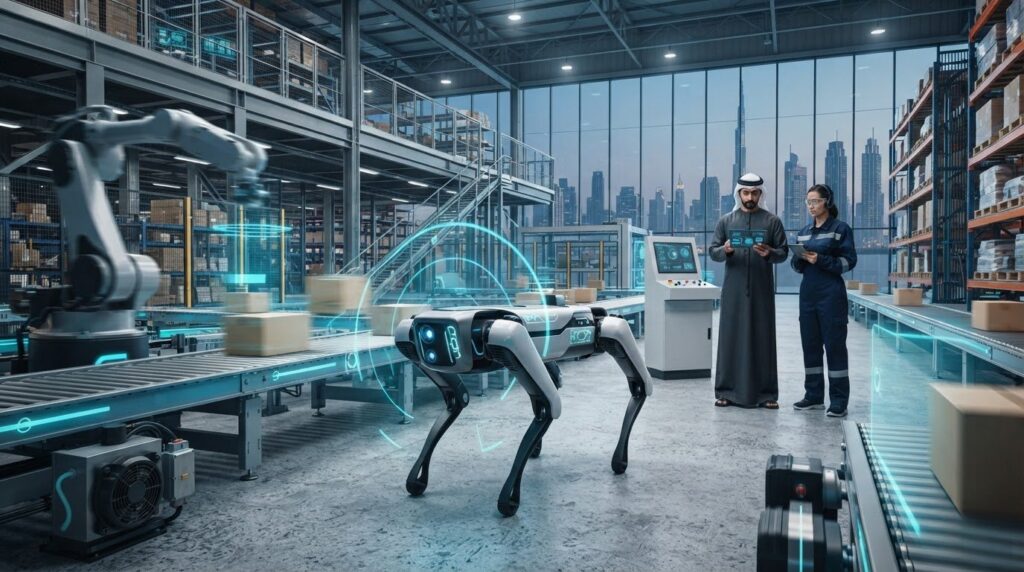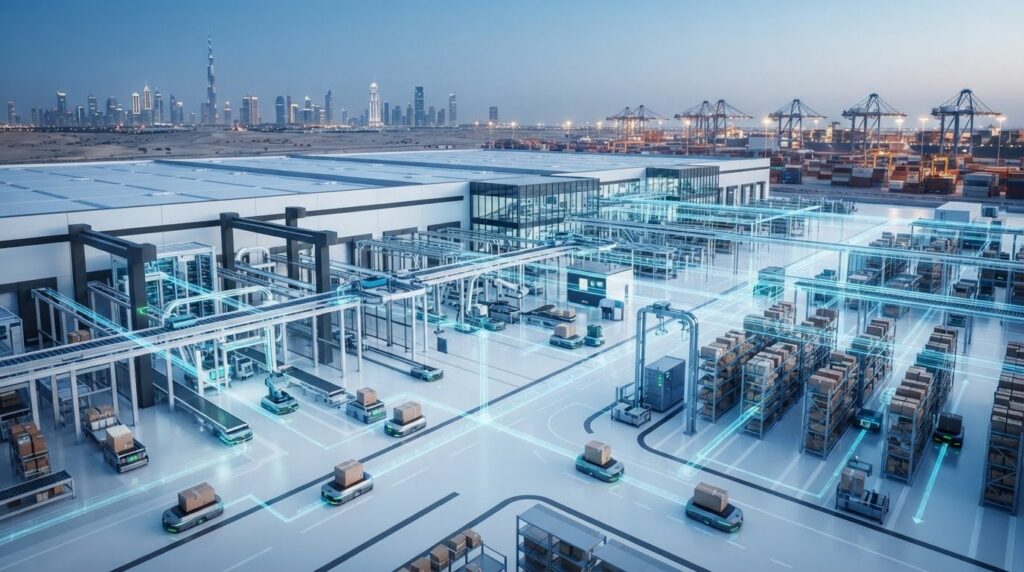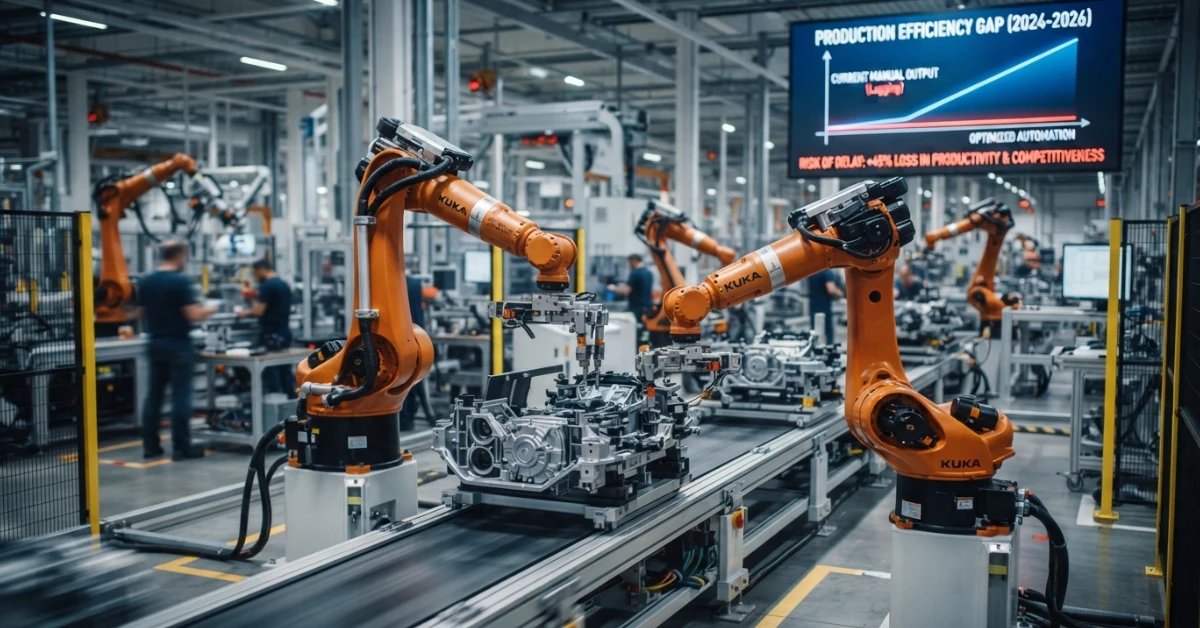
Postponing your transition to autonomous systems is not a neutral financial pause; it’s the active accumulation of operational debt that becomes exponentially more expensive to settle every year. While it’s tempting to defer capital expenditure, the risks of delaying industrial automation include compounding labor costs and a failure to align with the UAE’s rigorous Industry 4.0 standards. With US manufacturing wages reaching an average of $30.27 in June 2026 and regional recruitment gaps widening, the distance between manual workflows and high-tech competitors is becoming an insurmountable chasm.
You’re likely managing the friction of inconsistent product quality while facing pressure from the Ministry of Human Resources and Emiratisation’s AI-driven safety risk profiling. This strategic analysis reveals the hidden operational, financial, and safety costs of hesitation, providing the intellectual framework needed to justify automation ROI to your stakeholders. Delivering a clear path forward, we’ll explore the “cost of doing nothing” and present a roadmap for phased integration, securing your organization’s future in the UAE’s sophisticated industrial landscape.
Key Takeaways
- Analyzing the financial fallacy of capital preservation, we reveal how deferring upgrades creates operational debt that complicates future technological scaling.
- Evaluating the risks of delaying industrial automation, this analysis identifies the critical data deficit that prevents the implementation of predictive intelligence and AI-driven optimization.
- Identifying quality drift and labor instability, the article demonstrates how manual workflows compromise long-term enterprise viability within the UAE’s industrial sector.
- Navigating emerging safety regulations, readers will understand how to leverage autonomous systems to align with national Industry 4.0 standards and AI-based risk profiling.
- Developing a phased integration roadmap, we provide a framework for deploying high-ROI solutions such as autonomous mobile robots and collaborative robots to minimize operational disruption.
The Financial Fallacy: Why Delaying Automation Increases Operational Debt
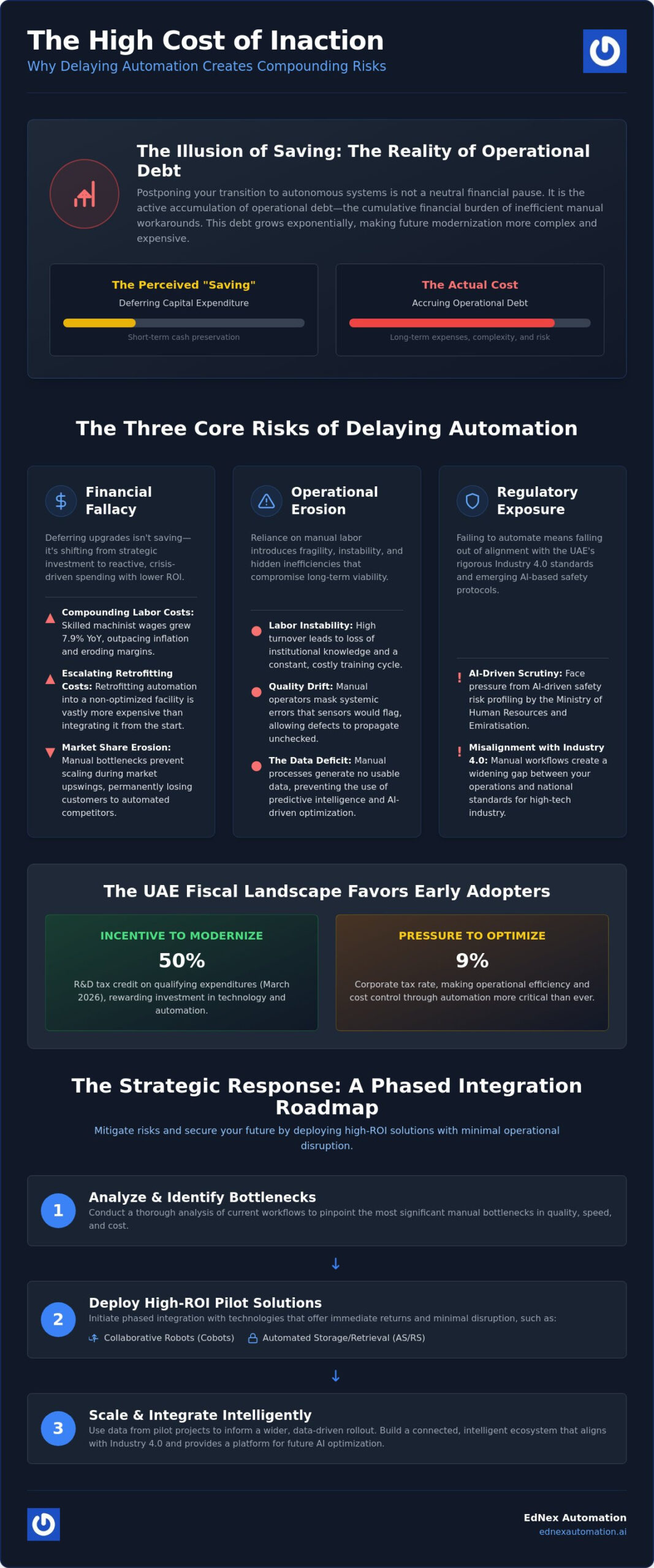
Many executives view capital preservation as a conservative safety measure during periods of economic volatility. However, this perspective often overlooks the accumulation of operational debt, which represents the cumulative financial burden incurred when an organization chooses inefficient manual workarounds over scalable industrial automation. By deferring these upgrades, you aren’t just saving cash; you’re increasing the eventual cost of modernization as legacy systems become more deeply entrenched. This financial friction makes future transitions more complex and expensive. The risks of delaying industrial automation involve a shift from proactive, strategic investment to crisis-driven, reactive spending that typically yields lower returns on investment.
The UAE market presents specific pressures that penalize hesitation. With the introduction of the 9% corporate tax and the March 2026 R&D tax incentive offering a 50% credit on qualifying expenditures, the fiscal environment favors those who modernize early. Conversely, those who wait will find their eventual capital outlay inflated by rising global hardware costs and the increasing scarcity of specialized technical labor. For instance, the year over year wage growth for skilled machinists reached 7.9% in 2026, significantly outpacing general inflation. Relying on manual labor in this climate ensures that your operating expenses will continue to climb while your competitors’ costs stabilize through autonomy.
The Escalating Cost of Retrofitting
Designing a facility with automated storage and retrieval systems is significantly more cost-effective than attempting a retrofit in an active, non-optimized environment. Technical debt is the future cost of choosing an easy manual path today. Outdated, non-digital floor infrastructures often lack the necessary sensors or connectivity required for modern AMRs, which necessitates expensive structural modifications during later integration phases. By integrating these technologies during the design or early operational phase, you avoid the structural bottlenecks that make the risks of delaying industrial automation so high for established enterprises.
Opportunity Cost and Market Share Erosion
Early adopters leverage automation to achieve lower per-unit costs, allowing them to outprice and outpace manual competitors with surgical precision. When sudden market upswings occur, manual processes create rigid bottlenecks that prevent rapid scaling. This inability to respond to demand results in market share erosion that is often permanent. Slow lead times and the inconsistencies inherent in manual output directly impact customer satisfaction. You don’t just lose the sale today; you lose the long-term customer relationship to a competitor who can guarantee faster, more reliable delivery through autonomous systems.
Operational Erosion: Labor Instability and Quality Drift
Relying on a manual workforce in a region shifting rapidly toward high-skill technical roles introduces a fragility that modern enterprises cannot afford. This labor instability is a primary driver behind the risks of delaying industrial automation, as the regional talent pool increasingly favors supervisory and engineering positions over repetitive physical labor. When manual workers leave, they take with them unrecorded institutional knowledge, leaving operations vulnerable to significant disruption during recruitment cycles. This instability forces management into a cycle of constant training rather than focusing on high-level process optimization.
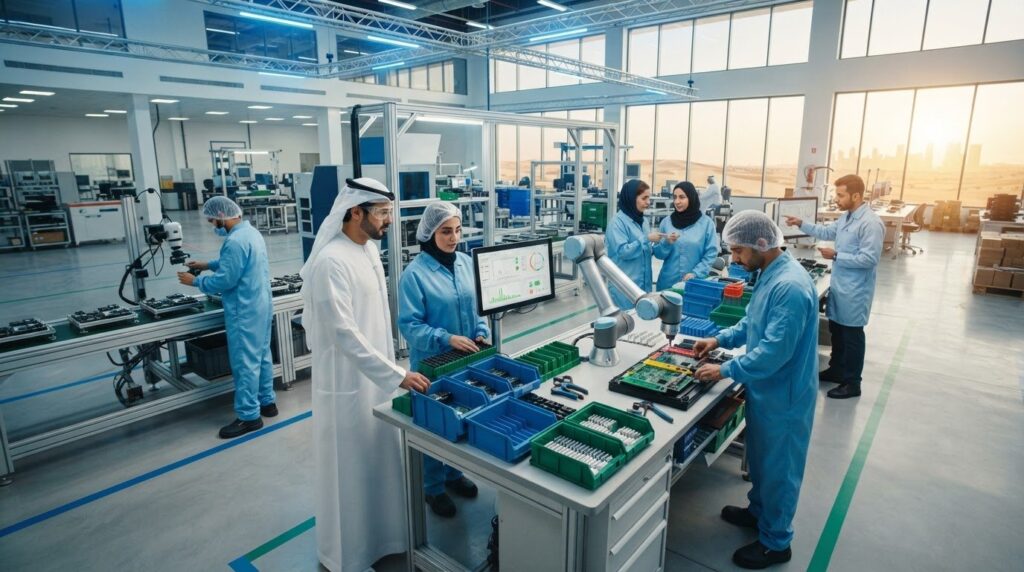
Quality drift represents a more insidious threat to enterprise viability. Manual operators often unconsciously compensate for upstream errors, such as slightly misaligned components or temperature fluctuations, effectively masking systemic issues that would be immediately flagged by an intelligent sensor. This human intervention creates a false sense of process stability while allowing defects to propagate through the production line. Over time, the cost of inaction manifests as a sharp increase in rework costs and warranty claims as fatigue-induced errors compromise the final product. Addressing these inconsistencies requires a shift toward deterministic, automated control systems that provide absolute repeatability.
The Human-Machine Efficiency Gap
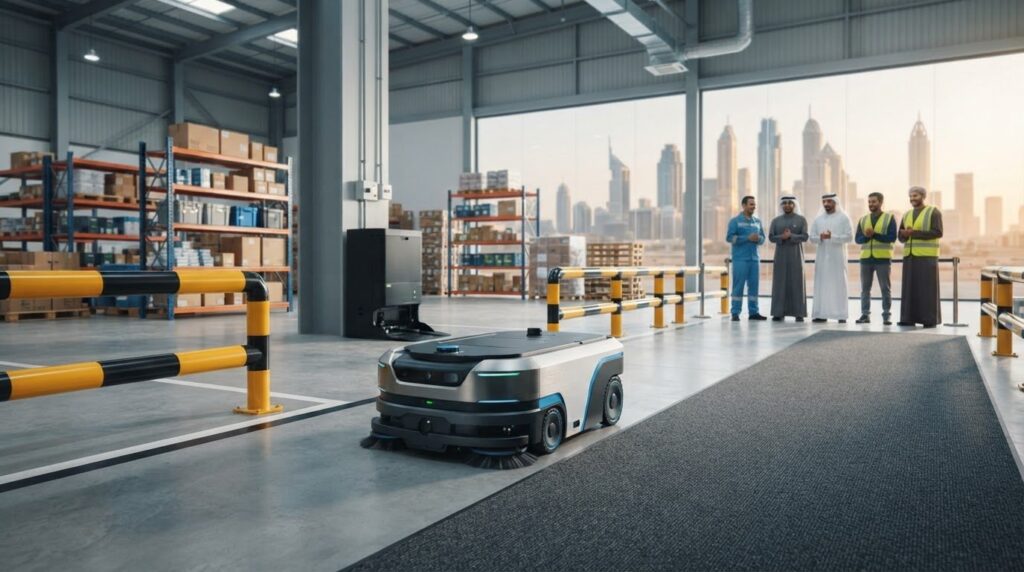
Maintaining 24/7 consistency in logistics is a feat manual labor cannot achieve without significant cost escalation. Utilizing autonomous mobile robots, enterprises eliminate the hidden cost of micro-stops, which are those brief, frequent interruptions in manual production that aggregate into hours of lost uptime. Transitioning to these systems allows you to elevate your existing workforce into higher-value supervisory roles, where their expertise is directed toward strategic oversight rather than repetitive movement. This evolution not only improves throughput but also enhances employee retention by providing a more engaging career path.
Facility Hygiene and Industrial Uptime
Standardizing facility maintenance is critical for the longevity of sensitive industrial electronics and complex machinery. Manual cleaning is inherently inconsistent, often leading to particulate accumulation that causes premature equipment wear or cooling failures. Deploying autonomous cleaning robots ensures a standardized hygiene protocol that protects infrastructure and supports employee health. Establishing a controlled, clean environment is a foundational step in ensuring industrial uptime and reducing the risks of delaying industrial automation in high-precision sectors. If you’re ready to evaluate how these systems integrate into your current workflow, exploring the comprehensive robotics portfolio at EdNex Automation can provide the clarity needed for a phased transition.
Safety and Regulatory Exposure in the UAE’s Industry 4.0 Era
Adhering to the UAE’s rapidly evolving industrial regulations requires a shift from legacy safety protocols to integrated, autonomous protection systems. The Ministry of Human Resources and Emiratisation (MOHRE) now utilizes an AI-based risk profiling system to target high-risk manufacturing sectors for inspections, with non-compliance fines ranging from AED 5,000 to AED 1,000,000 per offense. One of the significant risks of delaying industrial automation is the inability to meet these increasingly sophisticated standards, which are governed by Federal Decree-Law No. 33 of 2021. Organizations that continue to rely on manual oversight find themselves exposed to higher liability and the threat of severe regulatory penalties.
Many enterprises fall into the “Safety Retrofit” trap, where they attempt to add protective barriers or sensors to aging manual lines. This approach is often more complex and costly than implementing inherently safe collaborative robots that are designed for human proximity. These modern systems integrate safety directly into their control logic, providing a level of protection that manual retrofits cannot match. Transitioning to integrated robotics ensures that safety is a functional component of your workflow rather than an after-the-fact addition.
Evolving Standards and Compliance
National industrial goals are setting a new benchmark for acceptable workplace safety, moving the industry away from reactive measures like Personal Protective Equipment toward proactive automated exclusion zones. Recent updates, such as OSHAD-SF v4.0 and the launch of the unified “Dubai Safety” platform, mandate stricter reporting for major hazard installations. Automated systems provide an unalterable safety audit trail for regulators, ensuring that every operational event is recorded with precision for compliance verification. This transparency is vital for maintaining your industrial license and avoiding the risks of delaying industrial automation during regulatory audits.
Mitigating Human-Machine Interaction Risks
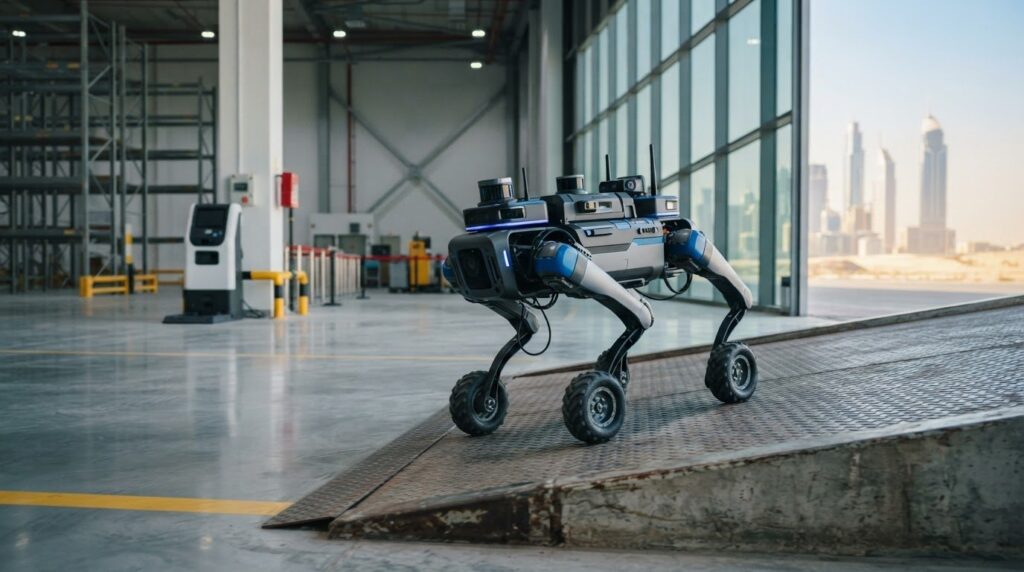
The danger of “cobot-washing”—the practice of using standard industrial robots without proper safety integration—poses a significant threat to worker safety and legal compliance. True safety by design involves the use of integrated sensors that prevent collisions by detecting human presence in real time. These intelligent robotics systems maintain a safe operating environment by automatically adjusting their speed or stopping when a person enters their workspace. By prioritizing these advanced interaction protocols, you ensure the long-term viability of your facility while fostering a culture of technical excellence and safety.
The Data Deficit: Missing the Intelligence and AI Curve
Operating an industrial facility without real-time telemetry is equivalent to managing a high-stakes environment in total darkness. One of the primary risks of delaying industrial automation is the creation of an intelligence vacuum that prevents strategic optimization and predictive maintenance. While your competitors leverage granular data to identify micro-inefficiencies, legacy operations remain trapped in a cycle of reactive repair. This data deficit isn’t just a current inconvenience; it’s a permanent loss of historical context. You can’t purchase the years of logged operational data required to train modern machine learning models; you must capture that experience in real-time as it occurs.
Delaying the implementation of PLC and SCADA integration services effectively creates a “black box” within your enterprise. Without these digital nerves, systemic issues remain masked by human intervention or inconsistent manual reporting that fails to capture the root cause of mechanical failure. The widening gap between data-rich innovators and data-poor legacy plants is becoming a defining factor in market valuation and operational resilience. If you’re ready to illuminate your production floor with actionable intelligence, consult with EdNex Automation specialists to begin your data integration journey.
From Reactive to Predictive Operations
Manual data logging is inherently prone to transcription errors and lacks the temporal resolution required for modern analytics. Utilizing SCADA systems allows managers to identify bottlenecks that the human eye misses, such as millisecond delays in conveyor timing or subtle pressure drops in hydraulic circuits. As we approach the 2027-2030 AI wave, automation is the non-negotiable prerequisite for machine learning. Without a foundation of clean, automated data, your organization will be unable to deploy the autonomous decision-making tools that will define the next decade of manufacturing.
System Transparency and Remote Monitoring
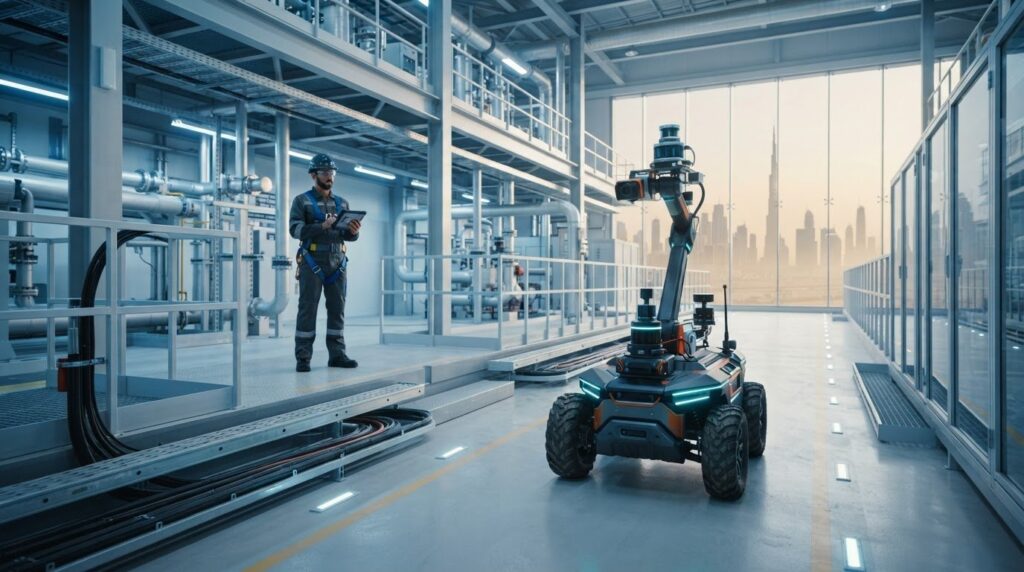
Manual systems are significantly harder to troubleshoot remotely, creating a dangerous reliance on centralized, physical oversight that slows down crisis response. Real-time monitoring through integrated PLCs reduces Mean Time to Repair (MTTR) by providing technicians with immediate error codes and performance history before they even reach the machine. Establishing a “Single Source of Truth” in industrial facility management ensures that every stakeholder, from the floor supervisor to the CEO, is making decisions based on the same verified datasets. This transparency is a strategic asset that transforms maintenance from a cost center into a competitive advantage, enabling a level of agility that manual operations cannot replicate.
Strategic Response: How to Mitigate Risks with Phased Automation
Mitigating the risks of delaying industrial automation doesn’t require an immediate, all-encompassing facility overhaul. Instead, a systematic, phased integration allows enterprises to address critical vulnerabilities while maintaining fiscal control. By adopting a tiered approach, you can neutralize operational debt without the disruption of a total system shutdown. This strategic roadmap ensures each technological layer builds upon the last, creating a resilient and intelligent infrastructure.
- Step 1: Conduct a comprehensive “Automation Gap Analysis” to identify high-risk manual bottlenecks where inefficiency and safety risks are most pronounced.
- Step 2: Prioritize “low-hanging fruit” such as cleaning robots or palletizing cobots to achieve immediate ROI and build internal momentum.
- Step 3: Implement a foundational PLC and SCADA layer to begin capturing the critical operational data required for future AI-driven optimization.
- Step 4: Scale toward complex logistics solutions like ASRS and autonomous mobile robot fleets as the organization’s technical maturity increases.
Partnering with a visionary integrator who understands the UAE’s unique economic landscape ensures that your transition aligns with national Industry 4.0 objectives and global technical standards. This collaboration provides the necessary expertise to connect global technological breakthroughs with regional industrial needs—insights often showcased at the Construction Technology ConFeX KSA—transforming your facility into a controlled and deliberate environment of innovation.
De-risking the Investment
Utilizing modular automation allows you to avoid the capital expenditure risks associated with “all-or-nothing” implementation strategies. This approach ensures that each new system integrates seamlessly with existing infrastructure while providing the flexibility to adapt to future market shifts. EdNex Automation provides the intellectual framework necessary for this systematic transition, offering vendor-agnostic integration that prioritizes long-term operational agility. By focusing on interoperable systems, you protect your investment from technological obsolescence and ensure your facility remains at the cutting edge of industrial capability.
Building an Automation-First Culture
Addressing the natural “fear of robots” is essential for a successful transition, requiring a commitment to employee upskilling and transparent communication. Reframing automation as a tool for empowerment allows your team to move away from repetitive tasks and toward high-value supervisory roles. The emergence of humanoid robots signals a new era in service and industrial interaction, where intelligent machines work alongside humans to solve complex challenges. Taking these steps today ensures your organization isn’t just surviving the 2026 landscape but leading it. To begin your transformation, consult with EdNex Automation to secure your facility’s future and neutralize the long-term operational debt of manual legacy systems.
Securing Future-Ready Industrial Resilience in the UAE
Establishing a future-ready facility requires a systematic shift from manual legacy systems to an autonomous, data-driven framework. By addressing the risks of delaying industrial automation now, you neutralize compounding operational debt and secure the technical foundation necessary for the upcoming machine learning era. This transformation ensures your enterprise aligns with UAE national safety standards while providing the granular transparency required for predictive maintenance. Utilizing bespoke PLC and SCADA solutions tailored for regional standards allows you to convert operational data into a strategic asset, protecting your organization from labor instability and quality drift.
Positioning your brand at the cutting edge of innovation requires a technical partner who understands the gravity of large-scale industrial transformation. As an official integrator of Tier-1 global robotics brands, EdNex Automation provides comprehensive support from initial design through to deployment and maintenance. Our expertise ensures that global technological breakthroughs are seamlessly integrated into your regional infrastructure. Secure your competitive edge—request a strategic automation audit from EdNex Automation today. It’s time to build a more resilient and efficient industrial future together.
Frequently Asked Questions
What is the most significant risk of delaying industrial automation?
The most significant consequence involves the accumulation of operational debt, which manifests as a persistent increase in manual labor costs and a corresponding decline in production efficiency. By postponing modernization, enterprises face a widening gap between their capabilities and those of automated competitors who leverage higher throughput and lower per-unit costs. The risks of delaying industrial automation include a barrier to future scaling that often becomes financially insurmountable as legacy systems become more deeply entrenched.
How much does it cost to wait to automate my facility?
Waiting to automate incurs a compounding cost primarily driven by wage inflation and the missed opportunity for productivity gains. With manufacturing wages for specialized roles growing by approximately 7.9% annually as of 2026, the expense of maintaining a manual workforce continues to climb while output remains static. Additionally, the lack of real-time data prevents the implementation of predictive maintenance, leading to costly unplanned downtime that could’ve been mitigated through intelligent, autonomous monitoring systems.
Can I automate my warehouse in phases to reduce financial risk?
Phased integration is a highly effective strategy for de-risking the transition to advanced robotics while managing capital expenditure. Organizations often begin by deploying autonomous mobile robots for logistics or collaborative robots for specific palletizing tasks, allowing for immediate ROI without a total facility overhaul. This modular approach provides the intellectual framework necessary to scale operations gradually, ensuring each stage of the modernization process is validated before you proceed to more complex system integrations.
Is my facility too small to benefit from industrial robotics?
Scalability in modern robotics ensures that even small to medium-sized facilities can achieve significant operational improvements. Modern cobots and AMRs are designed for flexibility and ease of programming; they’re accessible for specialized production lines that don’t require massive infrastructure changes. Small enterprises that leverage these targeted solutions often see faster ROI by eliminating the micro-stops and quality drift that frequently plague manual, smaller-scale operations during periods of high demand.
How does automation impact workplace safety regulations in the UAE?
Automation serves as a critical tool for ensuring compliance with the UAE’s increasingly stringent workplace safety regulations, including Federal Decree-Law No. 33. By removing human operators from hazardous environments, enterprises significantly reduce their exposure to the AI-based risk profiling systems used by the Ministry of Human Resources and Emiratisation. Automated systems provide an unalterable audit trail that satisfies regulatory requirements and helps mitigate the liability risks associated with manual industrial processes and human fatigue.
What happens if my competitors automate before I do?
Competitors who automate early gain a decisive advantage through lower operating costs and a superior ability to scale during sudden market upswings. This disparity often results in a permanent loss of market share for legacy operations that can’t match the lead times or price points offered by autonomous competitors. The risks of delaying industrial automation include becoming a data-poor entity that lacks the historical intelligence required to compete in a market increasingly defined by AI-driven optimization.
How do I calculate the ROI of an automation project in 2026?
Calculating ROI in 2026 requires a comprehensive analysis that extends beyond labor savings to include rework reduction, energy efficiency, and increased uptime. You should factor in the 50% R&D tax credit available in the UAE and the elimination of costs associated with manual quality errors and warranty claims. A thorough calculation also considers the cost of doing nothing, accounting for the inevitable rise in manual operational expenses and the potential for severe regulatory fines.
What is the role of PLC and SCADA in reducing operational risk?
PLC and SCADA systems function as the digital nervous system of an industrial facility, providing the visibility necessary to eliminate black box operational risks. These systems ensure that every mechanical event is logged and monitored, allowing for the immediate identification of bottlenecks that the human eye misses. By establishing a single source of truth, integrated control systems reduce Mean Time to Repair and provide the clean data foundation required for future machine learning applications.