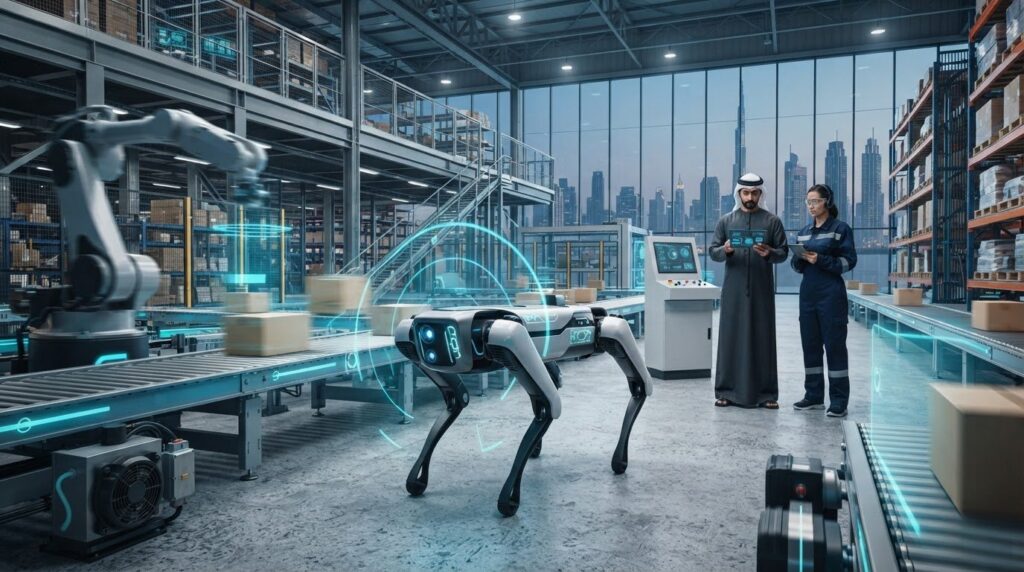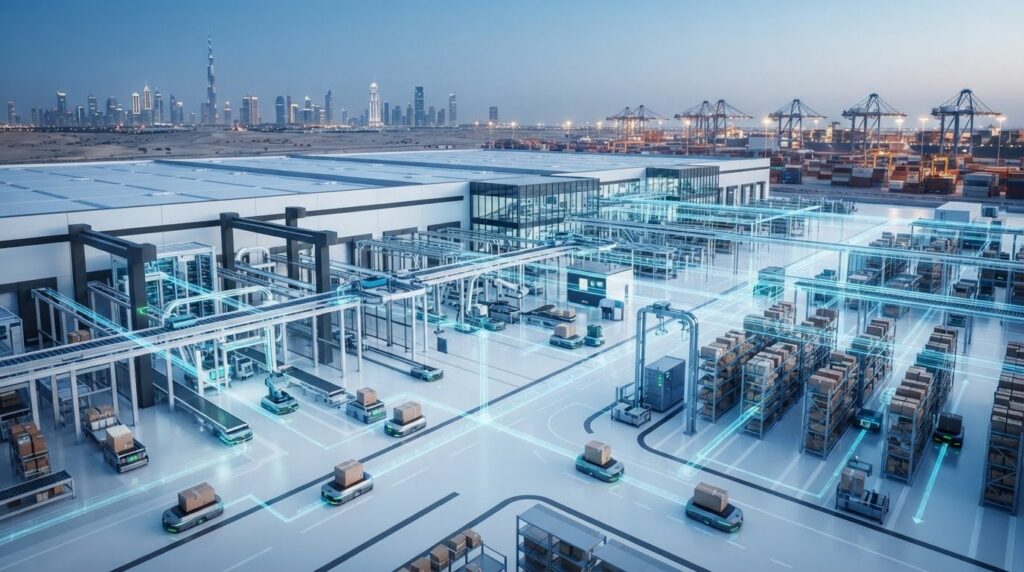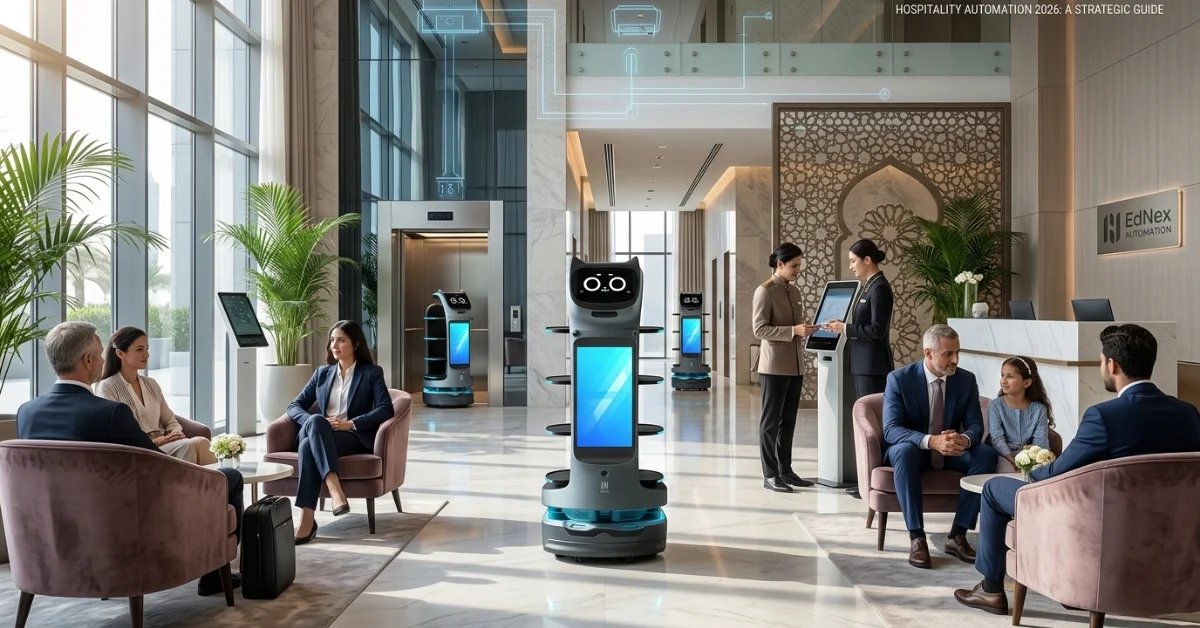
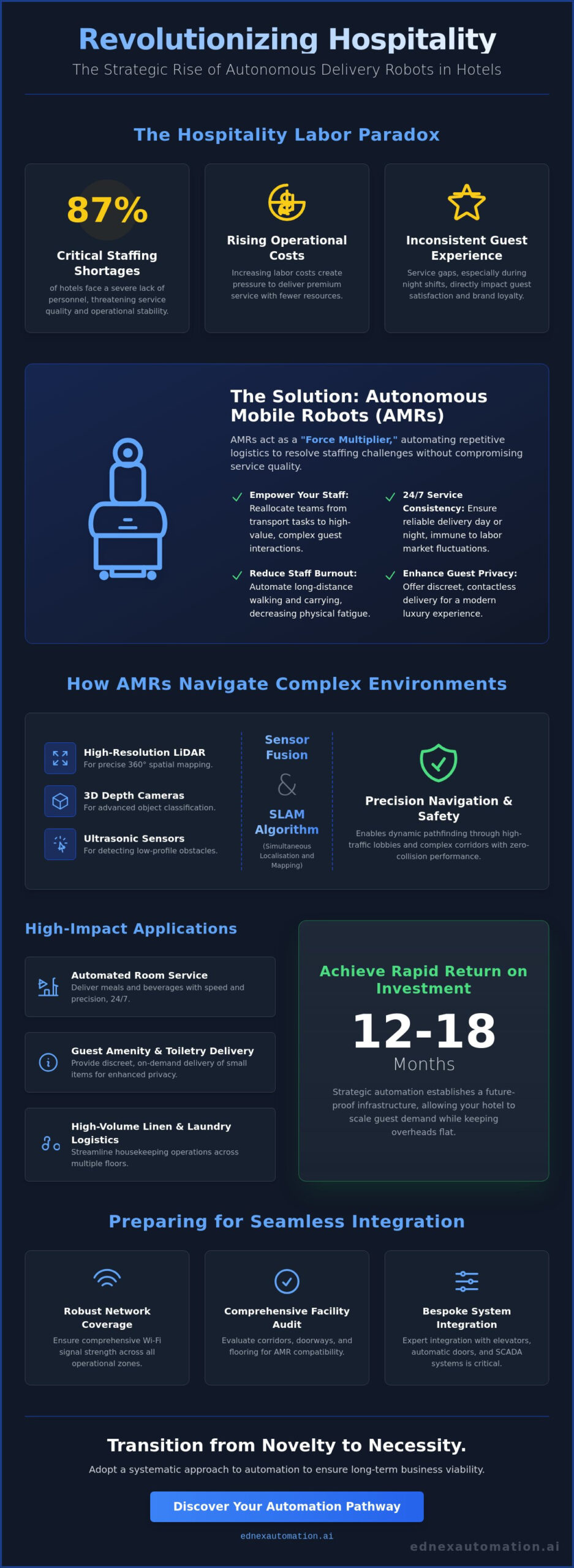
With 87% of hotels reporting critical staffing shortages in 2025, the pressure to maintain premium service standards while managing rising labor costs has reached a breaking point. You likely recognize that inconsistent room service delivery and night-shift logistical gaps directly impact guest satisfaction and long-term brand loyalty. Leveraging delivery robots for hotels provides a sophisticated solution to these operational bottlenecks, allowing your elite teams to shift their focus from repetitive transport tasks to high-value guest engagement.
Integrating autonomous mobile robots into your facility doesn’t just address immediate labor turnover; it establishes a future-proof infrastructure aligned with Industry 4.0 standards. This strategic guide details how autonomous systems are revolutionizing the UAE hospitality landscape through technical precision and optimized service delivery. You’ll discover the specific pathways to achieving a return on investment within 12 to 18 months while exploring the technical requirements for seamless elevator and SCADA integration across your property.
Key Takeaways
- Understand how sensor fusion and SLAM technology enable precision navigation through high-traffic hotel lobbies and complex corridors.
- Identify high-impact use cases for delivery robots for hotels, from automated room service to high-volume linen and laundry logistics.
- Evaluate the essential infrastructure requirements, including network coverage and facility audits, needed for successful robotic integration.
- Transition from novelty to necessity by adopting a systematic approach to automation that ensures long-term business viability in the UAE.
- Discover why bespoke integration and expert consultancy are critical for aligning autonomous systems with unique luxury hospitality architectures.
The Evolution of Autonomous Hospitality: Why Delivery Robots are Essential in 2026
The hospitality landscape in 2026 is defined by a fundamental shift from human-centric manual labor to integrated robotic systems. For elite operators across the UAE, implementing delivery robots for hotels has transitioned from a high-tech experiment to a baseline operational requirement. These systems are technically classified as Autonomous Mobile Robots (AMRs), which are sophisticated units engineered specifically for secure indoor logistics in high-traffic environments. Unlike traditional automated carts that follow fixed paths, an autonomous delivery robot utilizes advanced sensor fusion to move through dynamic spaces without human intervention. This capability ensures that room service and amenity deliveries are executed with surgical precision, regardless of the time of day.
This evolution aligns with the broader growth of the UAE robotics industry, where national digital transformation goals prioritize the adoption of intelligent automation to drive economic resilience. By deploying these assets, hotels achieve 24/7 service consistency that remains immune to the fluctuations of the local labor market or peak-hour staff shortages. Strategic automation allows for a leaner operational model where overheads remain flat even as guest demand scales. It positions the hotel as a visionary leader within a region that values technological excellence and industrial modernization.
Addressing the Labor Paradox in Modern Hospitality
Staffing challenges represent the most significant threat to operational viability in 2026. High turnover rates and rising labor costs create a paradox where hotels must provide more service with fewer personnel. AMRs act as a “Force Multiplier” in these scenarios; a single unit can support logistics across multiple floors and service zones simultaneously. By automating repetitive, long-distance walking tasks, hotels significantly reduce staff burnout and physical fatigue. This strategic reallocation of labor allows human teams to focus on high-touch guest interactions that require complex problem-solving and emotional intelligence, effectively solving the labor shortage without compromising service quality.
Guest Expectations in the Age of Hyper-Personalisation
Modern travelers, particularly in the luxury segment, now demand a specific balance of privacy and efficiency. For small-item deliveries like toiletries, bottled water, or late-night snacks, guests often prefer the discreet and rapid nature of a robot over a traditional human interaction. Delivery robots for hotels provide this speed and privacy while offering a distinct “Instagrammable” appeal that enhances the brand’s tech-forward image in a competitive market. This shift represents the new standard for contactless yet high-touch service models, ensuring that operational speed never comes at the expense of guest comfort or personal space.
Technical Architecture: How AMRs Navigate Complex Hotel Environments
The operational efficacy of delivery robots for hotels depends on a sophisticated technical architecture that mirrors industrial-grade automation systems. Modern units utilize a sensor fusion approach to interpret their surroundings in real-time, integrating high-resolution LiDAR for spatial mapping with 3D depth cameras for object classification. Ultrasonic sensors provide a final layer of redundancy, detecting transparent or low-profile obstacles like glass partitions and luggage cart wheels. This multi-layered sensory input is processed via SLAM (Simultaneous Localisation and Mapping) algorithms, allowing the robot to maintain a precise coordinate within a dynamic lobby environment without relying on external markers.
Safety protocols are hard-coded into the navigation logic to ensure zero-collision performance. When the system detects a guest or a moving obstacle, it calculates an alternative path within milliseconds, maintaining a respectful buffer zone. This level of environmental awareness is shared across different robotic platforms, including robotic surveillance systems, which often utilize the same underlying sensor logic for secure facility monitoring. Academic research into Robot-delivered tourism and hospitality services confirms that these technical safeguards are primary drivers of guest trust and long-term adoption in luxury environments.
IoT Integration and Smart Building Connectivity
Achieving true autonomy requires the robot to act as an integrated node within the building’s digital nervous system. Effective deployment involves API-based integration with the hotel’s Property Management System (PMS) to receive task triggers automatically. Robotic elevator control is a critical component; the AMR communicates with controllers via Wi-Fi to call the lift and select floors. Maintaining 100% signal coverage through a robust Wi-Fi mesh or 5G network is non-negotiable to prevent communication drops in reinforced service corridors or elevator shafts.
Security and Privacy in Autonomous Deliveries
Ensuring delivery integrity is as vital as navigation. Modern delivery robots for hotels feature secure, motorized compartments that remain locked until the guest enters a unique PIN code sent to their mobile device. This last-metre authentication ensures that room service orders reach the correct recipient every time. Interaction logs and navigation data are protected by enterprise-grade encryption protocols to maintain strict privacy standards. If you’re looking to upgrade your facility, exploring bespoke automation solutions is the first step toward a fully integrated smart hotel.
A Roundup of Strategic Applications for Hotel Delivery Robots
The deployment of delivery robots for hotels extends far beyond the basic transport of snacks or toiletries. In 2026, these autonomous systems serve as versatile multi-tools capable of optimizing both guest-facing services and invisible logistical workflows. By integrating these units, operators can address specific pain points such as peak-hour congestion and the physical strain of manual transport. These machines are not merely equipment; they are strategic assets that redefine the standard of hospitality by ensuring every delivery is secure, punctual, and private. This reliability is essential for maintaining 5-star standards in the high-pressure UAE market.
Front-of-House: Enhancing the Guest Journey
Elevating the guest experience requires a blend of efficiency and memorable interaction. Robots facilitate “surprise and delight” moments, such as delivering celebratory amenities for birthdays or anniversaries with programmed digital greetings. In sprawling resort lobbies, these units act as mobile information hubs, providing real-time data on facility hours or guiding guests directly to conference centers and spa facilities. During high-volume check-in periods, they provide critical luggage assistance, supporting bell-staff by transporting smaller bags and freeing human teams to manage high-value concierge requests. Guests appreciate the speed and privacy of robotic room service for food and beverage orders, which eliminates the need for face-to-face interaction during late-night hours.
Back-of-House: Optimising Operational Logistics
Operational excellence is often won in the service corridors where guests never step. High-capacity AMRs are engineered to manage the heavy, repetitive flow of bulk supplies from loading docks to storage areas without human supervision. Housekeeping departments realize significant efficiency gains by utilizing robots for automated linen and laundry transport, ensuring a steady supply of fresh towels and bedsheets across multiple floors. This constant movement prevents bottlenecks in the laundry cycle and reduces the physical burden on staff members who would otherwise navigate miles of hallways daily.
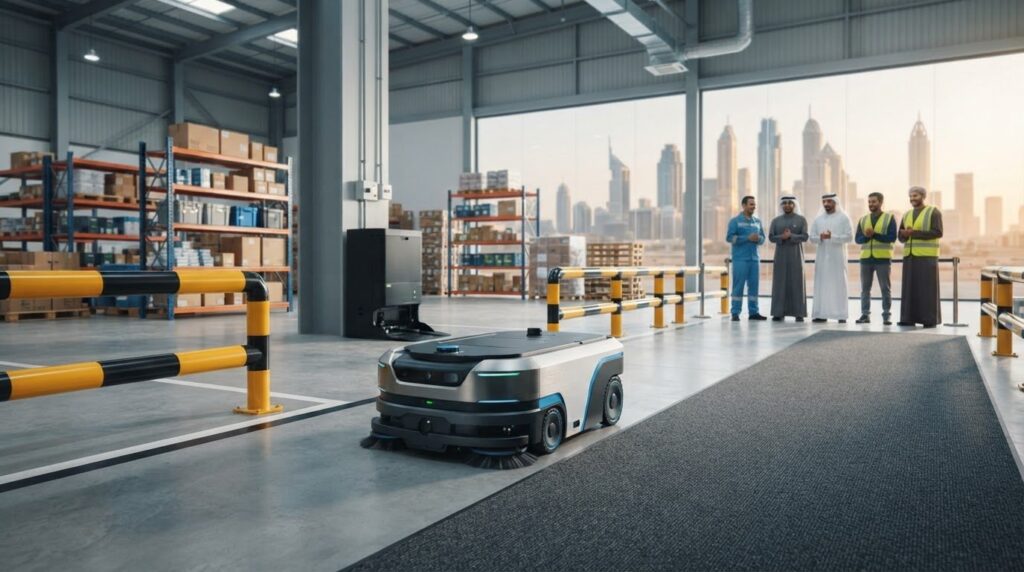
This logistical precision is further enhanced when integrated with autonomous cleaning robots, creating a comprehensive floor management ecosystem. This synergy ensures that while one unit maintains industrial hygiene standards, the delivery robot manages the underlying supply chain. The result is a perfectly synchronized environment where robotic surveillance, cleaning, and delivery systems work in tandem to maintain a premium atmosphere. By automating these essential but invisible tasks, hotels can maintain a pristine environment and rapid service response times even during the busiest seasons.
Operational Readiness: Preparing Your Facility for Robotic Integration
Successful deployment of delivery robots for hotels depends on a meticulous facility audit that identifies physical barriers and connectivity gaps before the first unit arrives. Implementing these autonomous systems isn’t a simple plug-and-play process; it’s a strategic integration that requires aligning your hotel’s architecture with robotic capabilities. This begins with identifying ramps, floor transitions, and narrow service corridors that could impede autonomous movement. Leading with a structured readiness plan ensures that the technology becomes a seamless extension of your service team rather than a localized disruption.
Establishing a robust fleet management protocol ensures long-term business viability and protects your investment. This protocol must include designated charging stations strategically placed to minimize travel time between tasks. Because structured preventive maintenance is crucial, your schedule should include regular sensor calibration and LiDAR cleaning to prevent operational failures. Research indicates that annual maintenance costs typically range from 10% to 15% of the initial purchase price, making proactive care a necessary component of your operational budget to avoid unplanned downtime and negative guest feedback.
The Physical Audit: Ramps, Thresholds, and Elevators
Verifying that all floor transitions meet the robot’s maximum incline and gap specifications is a non-negotiable step. While modern AMRs are highly capable, steep ramps or significant thresholds can trigger safety stalls. For properties with legacy elevator systems, the installation of IoT modules is required to allow the robot to call lifts and select floors wirelessly. You must also define “Robot-Friendly” zones versus restricted areas, ensuring the units avoid high-risk locations like pool decks or steep outdoor gradients where their sensors may struggle with environmental glare or uneven surfaces.
Staff Integration and Cultural Transition
The cultural transition within your team is as vital as the technical setup. Communicating the benefits of delivery robots for hotels to existing staff helps them view the technology as a tool that reduces physical fatigue rather than a replacement for their roles. You must develop new Standard Operating Procedures (SOPs) for loading, dispatching, and responding to robot alerts. This shift effectively transitions bell-staff and room service teams into higher-value concierge and host roles. When your team moves from being manual laborers to robot fleet supervisors, they can provide the personalized, high-touch service that defines luxury hospitality. To begin your property’s transformation, you can consult with our technical integration experts to design a bespoke automation roadmap.
The Strategic Advantage of EdNex Automation in the UAE Robotics Ecosystem
EdNex serves as a high-level consultant and integrator, bridging the gap between global technological breakthroughs and the regional hospitality sector. We don’t just provide hardware; we deliver the intellectual framework required to implement delivery robots for hotels within sophisticated luxury architectures. This focus on bespoke integration ensures that autonomous systems complement, rather than disrupt, the high-standard aesthetic and operational flow of UAE properties. By aligning global innovation with local industrial needs, we act as a systematic organizer that brings order and efficiency to complex environments. This approach is essential for the luxury sector, where standard solutions must be adapted to unique architectural designs and high guest expectations.
End-to-End Integration: From Audit to Deployment
Integrating robotics into your facility requires more than a purchase agreement. Our methodology encompasses a comprehensive end-to-end journey, beginning with a technical audit and concluding with full-scale deployment. We specialize in the complex API-based logic required for seamless PMS and elevator integration, ensuring your robots move through the building with total autonomy. Our commitment to official certifications and global safety standards provides the legitimacy necessary for large-scale industrial transformation. Beyond the initial setup, our team provides ongoing software optimization and technical support to maintain peak performance and long-term asset integrity.
Future-Proofing Your Hospitality Asset
The transition to a robotic-first logistics model is a necessary evolution for organizations wishing to remain competitive in a digitally transformed economy. A visionary approach to hotel management involves scaling beyond simple deliveries to include a unified fleet of surveillance and cleaning robots. This unified ecosystem maximizes ROI by centralizing data and reducing the management overhead of disparate systems. For those seeking to lead the market in guest interaction, we invite you to explore humanoid robots for sale UAE for advanced concierge and hosting roles. Coupled with our robotic inspection services, these assets ensure your property remains at the cutting edge of Industry 4.0, securing its status as a premier destination. Adopting delivery robots for hotels today establishes the foundation for a fully automated, high-efficiency future.
Advancing Toward a Unified Robotic Ecosystem
The shift toward autonomous logistics represents a definitive evolution for the hospitality sector. Transitioning from traditional service models to an integrated framework powered by delivery robots for hotels ensures that your property remains competitive in an increasingly automated landscape. You’ve seen that success depends on more than just hardware; it requires a sophisticated blend of SLAM navigation, IoT building connectivity, and rigorous operational readiness. By addressing labor shortages and guest privacy through technical precision, you secure the long-term viability of your hospitality asset.
Positioning your brand at the forefront of this transformation requires a reliable technical partner who understands the local economic context. As a specialized UAE Industry 4.0 Integrator, EdNex provides the official certifications and global technology alliances necessary for high-level implementation. We offer comprehensive end-to-end support, managing everything from the initial facility audit to long-term maintenance protocols. Partner with EdNex Automation to revolutionise your hotel’s guest experience today and lead the next generation of industrial innovation. Your journey toward a smarter, more efficient future starts with a single strategic integration.
Frequently Asked Questions
How do delivery robots navigate elevators in hotels?
Delivery robots navigate elevators by communicating directly with the building’s lift controller via Wi-Fi or API protocols. This integration allows the unit to call the elevator, select the target floor, and verify the door status without human intervention. Such wireless handshakes ensure the robot moves between levels autonomously, maintaining a continuous logistical flow throughout the property without staff assistance.
Are delivery robots for hotels safe to use around children and pets?
These units are engineered with multi-layered safety protocols designed for high-traffic environments containing children and pets. By utilizing a sensor fusion approach of LiDAR and 3D depth cameras, delivery robots for hotels detect dynamic obstacles and stop or navigate around them instantly. The system maintains a hard-coded buffer zone to prevent contact, ensuring a safe coexistence in crowded luxury lobbies or narrow corridors.
Can hotel delivery robots handle outdoor terrain between resort villas?
Standard indoor AMRs are primarily designed for finished surfaces and may struggle with steep outdoor inclines or uneven gravel. While specialized outdoor cleaning robots handle exterior environments, resort operators should verify the IP rating and suspension specs of their delivery fleet before deploying them between villas. Bespoke integration can often bridge these gaps through careful path planning and specific hardware adjustments for local terrain.
What happens if a guest tries to steal the item or damage the robot?
Security is maintained through motorized, PIN-coded compartments that only open once the guest enters a unique code sent to their mobile device. If a unit is tampered with or obstructed, internal sensors and real-time cameras trigger an immediate alert to the hotel’s security desk. These robots act as mobile nodes within a larger surveillance network, deterring theft through constant connectivity and detailed data logging.
How long does the battery of a hotel service robot last on a single charge?
Modern service robots typically operate for 8 to 12 hours on a single charge depending on the payload and travel frequency. Most units feature autonomous charging capabilities, meaning they’ll return to a docking station when the battery levels reach a specific threshold. This ensures the fleet remains operational throughout 24/7 cycles without requiring manual intervention or monitoring from your engineering team.
Do delivery robots require a complete overhaul of our hotel’s Wi-Fi?
A complete overhaul isn’t usually necessary, but ensuring 100% signal density in elevators and reinforced service corridors is critical for reliable performance. Robots require a stable Wi-Fi mesh or 5G connection to communicate with the property management system and elevator controllers. Technical audits help identify dead zones that need reinforcement to prevent the robot from losing its coordinate or stopping during a delivery.
What is the typical ROI period for a hotel delivery robot fleet?
Most hospitality organizations achieve a full return on investment within 12 to 18 months of deployment. This rapid ROI is driven by the reduction in labor overhead, as a single robot can replace approximately 1.5 to 2 full-time employees over a 24-hour cycle. By automating repetitive transport tasks, hotels save significantly on wages and benefits while simultaneously increasing room service efficiency and guest satisfaction scores.
Can these robots be customised with our hotel’s branding and livery?
Customization is a standard part of the integration process, allowing the robot’s physical exterior to match your hotel’s specific branding and livery. Beyond the visual wrap, the digital interface and voice prompts can be tailored to reflect your brand’s personality and language requirements. This ensures the technology feels like an organic extension of your luxury service rather than an external addition to the guest environment.