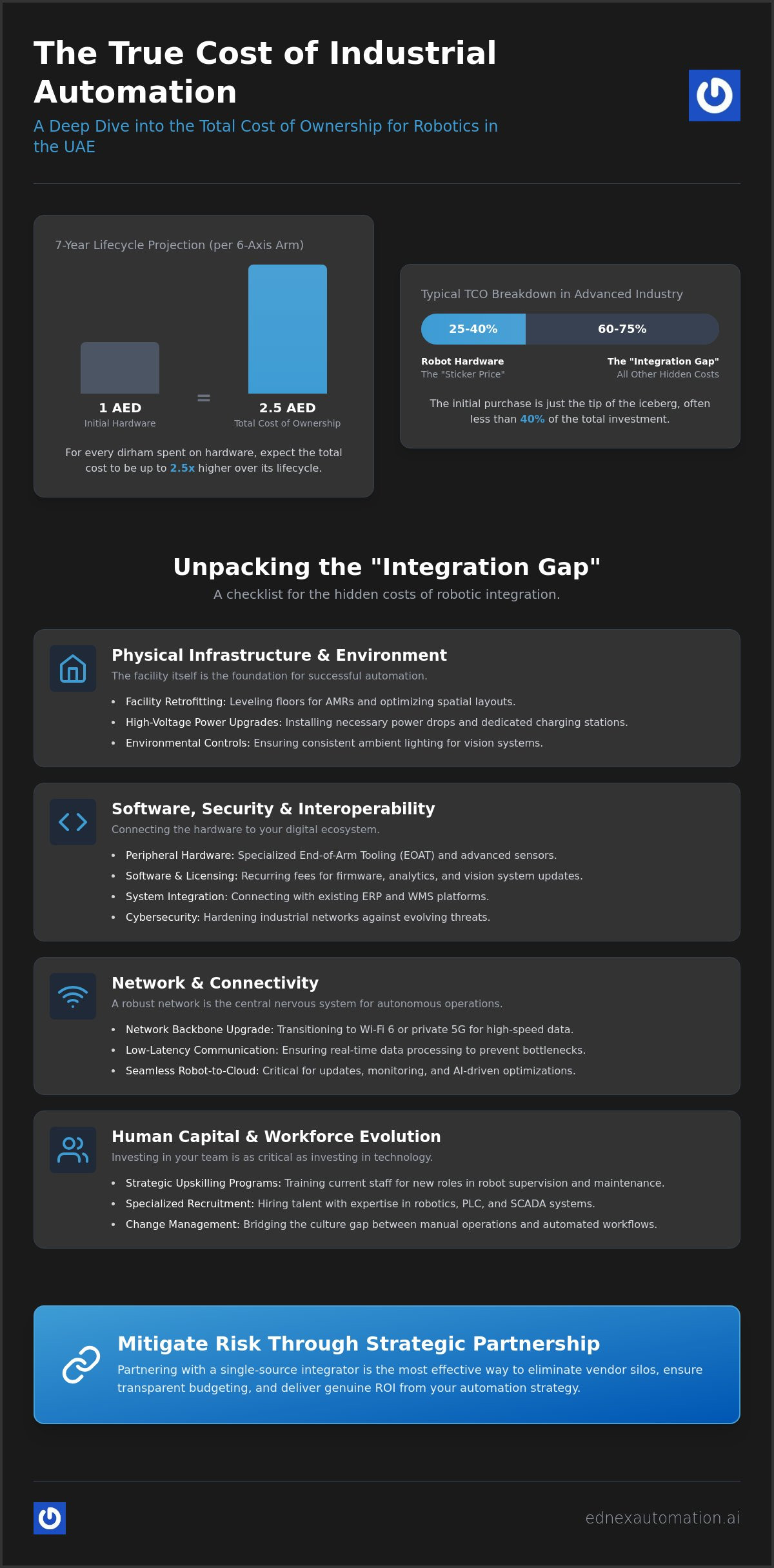
For every dirham spent on a 6-axis robotic arm in 2026, UAE industrial leaders should expect the total cost of ownership to reach up to 2.5 times that initial investment over its seven-year lifecycle. This data point underscores the necessity of identifying the hidden costs of robotic integration before committing to a deployment that appears profitable only on a surface-level balance sheet. While you recognize that modernization is now a regulated reality under the UAE AI Act, you’re likely concerned about the unexpected budget creep and system downtime that often plague uncoordinated rollouts.
Leveraging a systematic approach to Industry 4.0, this guide provides the intellectual framework required to ensure your automation strategy delivers genuine ROI. We’ll examine a comprehensive line-item checklist for robotics budgeting, strategies to mitigate integration risks through professional PLC and SCADA alignment, and clear requirements for long-term maintenance. This strategic overview prepares you to transform your facility into a high-performance environment while securing your position in the UAE’s AED 300 billion industrial future.
Key Takeaways
- Define the Total Cost of Ownership by recognizing that hardware typically represents only 25 to 40 percent of total expenditure in advanced industrial environments.
- Account for the hidden costs of robotic integration by auditing physical infrastructure needs, including facility retrofitting for AMRs and high-voltage power upgrades.
- Prioritize human capital evolution through strategic upskilling programs and specialized recruitment to bridge the gap between manual operations and robotic supervision.
- Ensure long-term system viability by integrating robots with existing ERP and WMS platforms while hardening industrial networks against evolving cybersecurity threats.
- Mitigate deployment risks by partnering with a single-source integrator to eliminate vendor silos and implement transparent, risk-weighted budgeting models.
Beyond the Sticker Price: Defining Total Cost of Ownership (TCO)
Leading with a clear financial perspective, industrial leaders must recognize that the purchase price of an industrial robot is merely the visible peak of a much larger fiscal iceberg. In complex manufacturing environments, the physical hardware typically accounts for only 25 to 40 percent of the total system cost. The remaining expenditure is often obscured by the “Integration Gap,” where initial vendor quotes fail to account for the peripheral equipment, software layering, and bespoke engineering that collectively constitute the hidden costs of robotic integration. Within the context of Industry 4.0, Total Cost of Ownership (TCO) serves as a holistic financial framework that consolidates acquisition, integration, operational expenditure, and lifecycle maintenance into a single, transparent metric.
Hardware vs. Software vs. Engineering Services
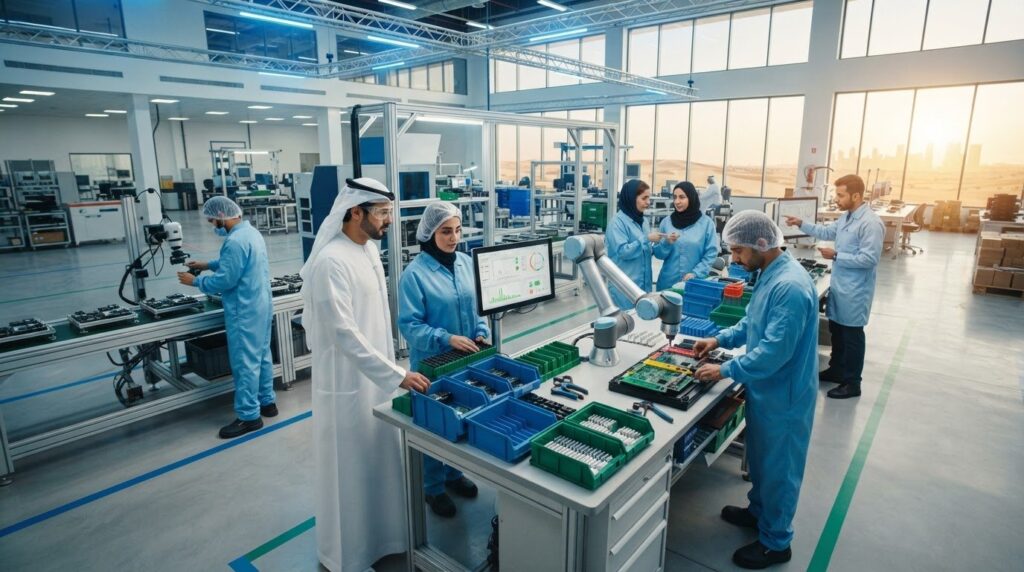
Achieving peak performance requires more than just a robotic arm; it necessitates specialized end-of-arm tooling (EOAT) and advanced sensors that allow the system to interact with its environment. For specialized manufacturers such as oemhomeappliances, these components are vital for maintaining production quality in kitchen appliance assembly. These components often carry significant costs that are frequently excluded from base-model pricing. Beyond physical parts, software represents a recurring financial commitment. Proprietary firmware updates and annual licensing fees for advanced analytics or vision systems are essential for maintaining the intelligence of the deployment. Investing in professional engineering services early in the process prevents costly deployment errors, ensuring that the hidden costs of robotic integration don’t manifest as emergency retrofits later.
The Opportunity Cost of Delaying Integration
By postponing the transition to automated systems, organizations inadvertently create a different kind of financial burden through lost throughput and reduced competitive agility. During the shift from manual to automated processes, facilities must manage a temporary transition period where production may be affected by calibration and staff training. UAE industrial leaders must also contend with regional market volatility, where fluctuations in the pricing of imported components can disrupt long-term budgeting if not managed strategically. Securing a partnership for collaborative robots UAE implementations today allows organizations to lock in competitive pricing and establish a technological foundation before the September 2026 AI self-assessment deadlines arrive. Proactive adoption ensures that your facility remains a leader in “Operation 300bn” initiatives rather than a late-stage follower struggling with rising integration premiums.
Infrastructure and Environment: The Physical Integration Costs
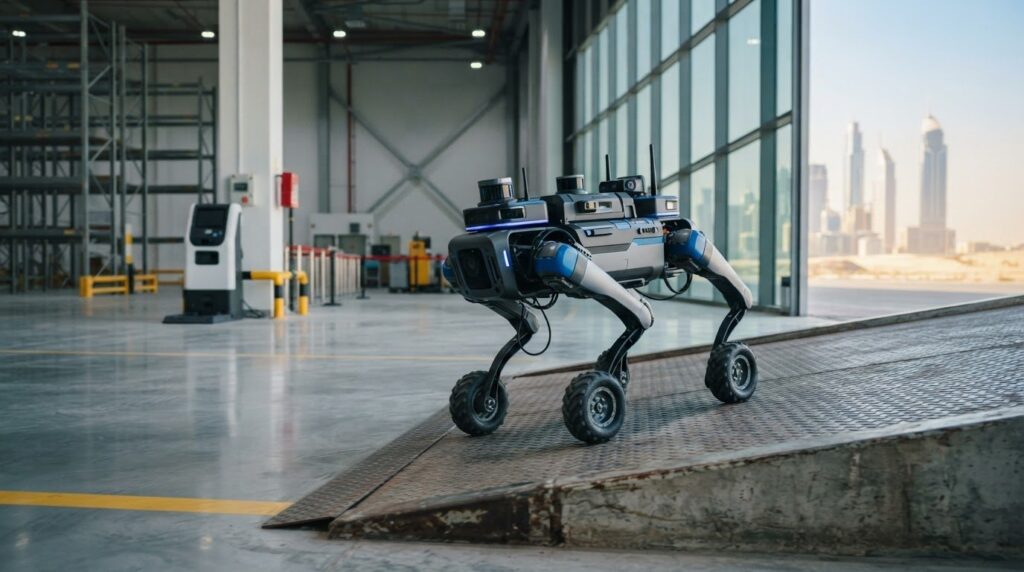
Moving beyond the abstract financial modeling discussed previously, the physical environment often presents the most immediate hidden costs of robotic integration. A facility’s readiness determines the success of any automation rollout. Many leaders underestimate the capital required to transform a legacy warehouse into a high-tech ecosystem. Recognizing that a robot is only as effective as the environment it inhabits, organizations must prioritize structural and electrical upgrades. Deploying autonomous mobile robots (AMRs) requires specific environmental standards because their onboard navigation sensors depend on surface levelness and consistent ambient lighting to maintain operational safety and spatial awareness. Beyond floor surfaces, the installation of high-voltage drops and dedicated charging stations adds a significant layer to the initial budget.
Utilizing advanced industrial control systems necessitates a robust network backbone. Upgrading to Wi-Fi 6 or private 5G networks is essential for ensuring seamless robot-to-cloud communication and real-time data processing. Without this high-speed connectivity, autonomous units may experience latency issues that lead to production bottlenecks. Consulting with an expert in bespoke industrial infrastructure ensures these requirements are identified before they become expensive mid-deployment corrections.
Facility Retrofitting and Spatial Optimization
Integrating automated storage and retrieval systems (ASRS) into existing warehouse footprints requires meticulous spatial planning. This involves more than just allocating square footage; it often demands structural floor reinforcements to handle the concentrated weight of high-density racking and robotic shuttles. Organizations must also budget for safety fencing, floor markings, and navigation beacons that guide autonomous units through shared workspaces. Furthermore, the regional climate in the UAE necessitates enhanced environmental controls. HVAC upgrades and dust suppression systems are critical for protecting sensitive electronics from heat and airborne particulates commonly found in local industrial zones.
Safety Compliance and National Standards
Navigating the regulatory landscape in the UAE requires a proactive approach to safety compliance. Under the UAE AI Act enacted in March 2026, organizations are required to complete mandatory self-assessments by September 2026 to determine the risk tier of their systems. This legal framework mandates the implementation of redundant safety systems, such as light curtains and emergency stops, which must meet stringent national industrial certifications. Budgeting for third-party safety audits is now a non-negotiable requirement. Additionally, the introduction of autonomous systems typically triggers insurance premium adjustments, reflecting the shift in operational risk profiles within the facility.
Human Capital and Workforce Evolution: The Intangible Costs
Transitioning from physical infrastructure to the human element reveals a significant layer of the hidden costs of robotic integration. While hardware assets are depreciated over time, the evolution of your workforce requires a sustained, appreciating investment in intellectual capital. Moving manual operators into roles as robotic supervisors and technicians involves more than a simple shift in duties; it requires a comprehensive re-engineering of the organizational chart. Within the 2026 UAE industrial market, the recruitment of specialized robotics engineers commands a significant premium, reflecting the high demand for talent capable of navigating the requirements of the Federal Authority for Artificial Intelligence and Data. Organizations that don’t account for this talent premium find themselves facing stalled deployments and escalating consultant fees.
Implementing sophisticated systems like humanoid robots for sale UAE necessitates rigorous, ongoing training protocols to ensure safe and effective human-machine collaboration in dynamic environments. This ongoing education is not a one-time expense but a necessary operational requirement for maintaining system safety and compliance.
Training and Technical Education
Building internal expertise is essential for reducing long-term dependence on external vendors. Budgeting for manufacturer-led training sessions and internal certification programs allows your team to troubleshoot systems without waiting for third-party support. This process includes several critical components:
- SOP Development: Creating bespoke standard operating procedures for human-robot teams.
- Internal Certifications: Establishing benchmarks for staff to ensure they can manage the hidden costs of robotic integration through efficient daily maintenance.
- Retention Strategies: Implementing competitive packages to protect your investment in high-skill automation personnel.
Managing Cultural Resistance and Downtime
Acknowledging the reality of cultural resistance is vital for maintaining implementation timelines. Employee pushback often manifests as a measurable dip in productivity during the initial transition phase, creating a “learning curve” cost that must be factored into the ROI model. Successful integration relies on internal communication campaigns that align the workforce with the visionary goals of Operation 300bn. By framing automation as a tool for career elevation rather than replacement, leaders can mitigate the financial impact of resistance. This proactive approach reduces the time required to reach peak operational efficiency and prevents the hidden costs of robotic integration from ballooning during the cultural transition.
Software, Security, and System Interoperability
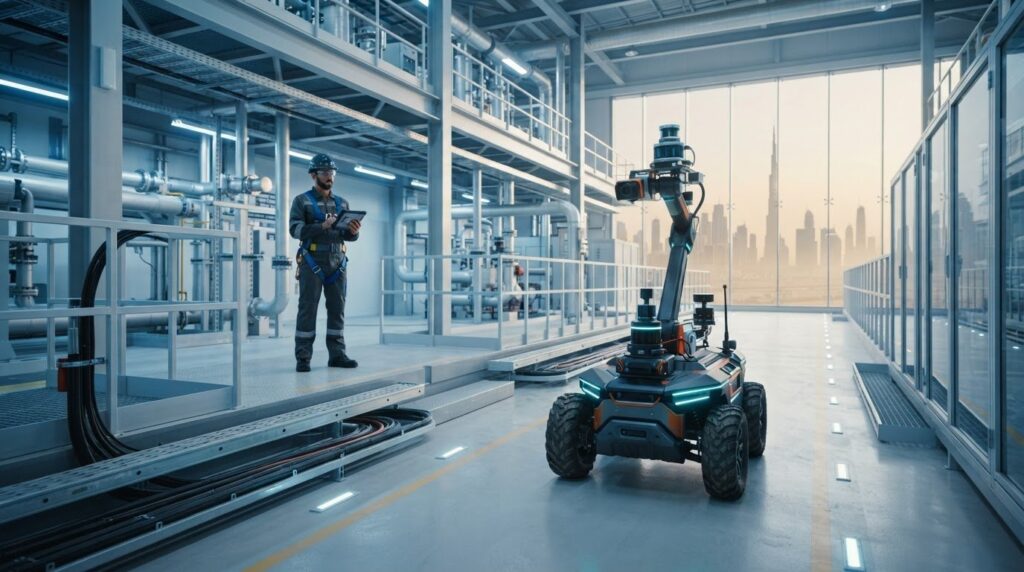
Achieving seamless operational synergy requires a sophisticated digital nervous system that extends far beyond the robot’s local controller. For many UAE manufacturers, the hidden costs of robotic integration often peak during the software alignment phase, where autonomous units must communicate with existing Enterprise Resource Planning (ERP) and Warehouse Management Systems (WMS). This connectivity isn’t automatic; it demands the development of custom middleware to bridge the gap between different hardware manufacturers. Without this bridge, your high-tech assets remain isolated silos, unable to respond to real-time inventory shifts or production demand changes. These data-layer expenses are frequently omitted from initial quotes but are essential for reaching the ROI targets promised by Industry 4.0. Investing in robust PLC and SCADA integration services is a critical infrastructure cost that transforms a collection of machines into an intelligent, unified production environment.
It’s vital to recognize that poor data integration doesn’t just slow down production; it creates financial leakage through inaccurate reporting and inventory mismanagement. When robots aren’t fully synchronized with your digital backbone, the manual effort required to reconcile data offsets the labor savings the system was designed to provide. To ensure your digital architecture is ready for the demands of 2026, you should consult with a specialist in industrial system interoperability to map out your data flow before the first unit arrives on-site.
The Complexity of PLC and SCADA Integration
Industrial Cybersecurity Requirements
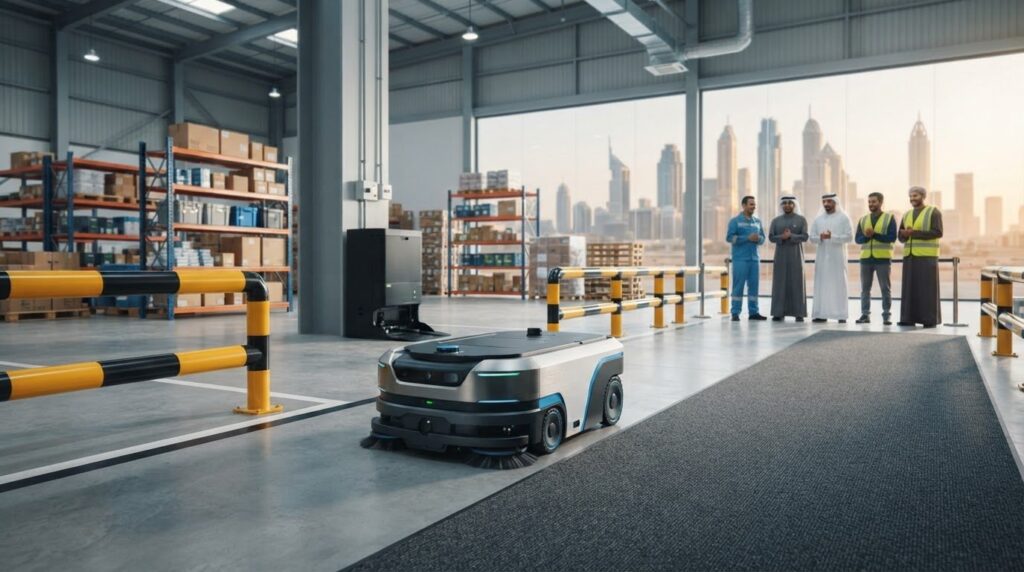
Hardening your industrial network against IoT vulnerabilities is a non-negotiable operational expense in an era of increased connectivity. Implementing encrypted communication protocols for autonomous cleaning robots and mobile delivery units ensures that your facility’s hygiene and logistics data remains secure. You’ll need to account for the cost of regular security audits and penetration testing for your entire autonomous fleet to comply with the UAE’s evolving data governance standards. Finally, disaster recovery planning for automated lines must be established to ensure that a digital breach or network failure doesn’t result in a catastrophic, multi-day operational shutdown.
Strategic Partnership: Mitigating Integration Risks with EdNex
Leading with a commitment to operational transparency, EdNex Automation serves as a single-source integrator to eliminate the fiscal volatility often associated with fragmented vendor ecosystems. By consolidating hardware procurement, PLC and SCADA alignment, and infrastructure readiness under a single intellectual framework, we mitigate the hidden costs of robotic integration that typically arise from vendor finger-pointing during complex deployments. Our approach utilizes rigorous TCO modeling and risk-weighted budgeting, ensuring that your capital allocation accounts for the entirety of the system’s lifecycle rather than just the initial acquisition. This comprehensive oversight allows industrial leaders to move forward with confidence, knowing that every peripheral requirement has been audited and accounted for before the first unit arrives on-site.
Providing a reliable technical anchor, our local 24/7 technical support teams ensure that your facility maintains maximum uptime across all shifts. In the fast-paced UAE industrial sector, even a few hours of unplanned downtime can erode the ROI of an entire quarter. By offering immediate, on-the-ground expertise, we eliminate the delays associated with international service calls and remote troubleshooting. EdNex serves as the essential bridge connecting global technological breakthroughs with the specific industrial and economic needs of the UAE national landscape.
End-to-End Integration Management
Utilizing professional project management protocols, our team prevents the scope creep that frequently leads to budget overruns in advanced automation projects. We employ sophisticated simulation and digital twin technology to validate system performance in a virtual environment before physical implementation begins, which significantly reduces the financial risks of integration downtime. As a specialized division of the EdNex group founded in 2018, we leverage our deep understanding of the UAE industrial landscape to navigate regional regulatory standards and environmental challenges. This localized expertise ensures that your deployment is not only technically sound but also fully compliant with the latest national safety and AI governance mandates.
Long-term Maintenance and Scalability
Prioritizing long-term business viability requires a strategic shift from reactive repair models to proactive, preventative maintenance contracts. Budgeting for scheduled service ensures that your AMRs, cobots, and ASRS infrastructure continue to deliver peak performance without the escalating costs of emergency hardware replacements. We focus on future-proofing every installation, designing modular systems that allow for seamless expansion as your production needs evolve. This architectural foresight prevents the need for total system overhauls when you’re ready to scale your operations. By partnering with an expert who understands the trajectory of Industry 4.0, you secure a pathway to sustained competitive advantage.
Partner with EdNex Automation for your strategic integration today.
Securing Your Industrial Legacy in the 2026 Landscape
Mastering the hidden costs of robotic integration is no longer a luxury; it’s a fundamental requirement for remaining competitive within the UAE’s maturing industrial sector. By shifting focus from initial capital expenditure to a comprehensive lifecycle model, leaders ensure that their automation investments deliver measurable, long-term value. This transition requires a meticulous audit of every component, ranging from physical infrastructure and electrical capacity to the digital interoperability of PLC and SCADA systems. Organizations that prioritize this holistic view protect their operations from the budget creep and downtime that often derail uncoordinated modernization efforts.
As Industry 4.0 Certified Integrators with a National UAE Support Network, EdNex Automation provides the intellectual framework and proven PLC/SCADA expertise necessary to navigate these technical complexities. We act as your technical partner, identifying potential budget leaks and operational bottlenecks before they impact your production schedule. To begin your facility’s transformation with a clear financial roadmap, Download our TCO Framework for Industrial Robotics today. Your evolution toward a more autonomous and efficient future starts with a strategy built on technical precision and regional expertise.
Frequently Asked Questions
What is the most overlooked cost in robotic integration?
System engineering and peripheral tooling represent the most frequently overlooked hidden costs of robotic integration. While the robotic arm is the centerpiece, the custom grippers, safety sensors, and specialized end-of-arm tooling often account for a significant portion of the final invoice. Neglecting these components during the planning phase leads to budget creep that can compromise the project’s financial viability before deployment begins.
How much should I budget for robotic maintenance annually?
Industrial maintenance budgets typically scale with the complexity of the deployment. Industry data indicates that the 7-year total cost of ownership for an industrial robot is often 1.8 to 2.5 times the initial capital expenditure once consumables and spare parts are included. Establishing a preventative maintenance contract early ensures that your system maintains peak throughput while avoiding the escalating costs of reactive, emergency repairs.
Does robotic integration always require facility modifications?
Physical facility modifications are almost always necessary to ensure operational safety and navigational accuracy. Autonomous mobile robots depend on specific floor levelness and consistent lighting to maintain their spatial awareness. You’ll also need to account for high-voltage power drops and the installation of dedicated charging stations to support continuous operation within your facility’s existing footprint.
What are the software licensing costs associated with industrial robots?
Software expenses encompass recurring fees for proprietary firmware, advanced vision systems, and real-time analytics platforms. These licenses ensure your robots remain compatible with evolving industrial networks and cybersecurity standards. Budgeting for these annual renewals is essential for maintaining the intelligence and security of your automation fleet throughout its operational lifespan.
How does PLC and SCADA integration affect the total project cost?
Professional PLC and SCADA alignment represents a critical infrastructure investment that synchronizes disparate machines into a unified production environment. While this integration increases the initial engineering expenditure, it prevents the creation of system silos that lead to data inaccuracies. Investing in these services early reduces the long-term hidden costs of robotic integration by ensuring seamless communication across your entire digital backbone.
Can I integrate robots into my existing legacy production line?
Legacy lines can be modernized through the use of custom middleware and specialized interface modules. This process requires deep technical expertise to bridge the gap between older machinery and modern collaborative systems. While retrofitting involves higher engineering hours than greenfield projects, it allows organizations to extend the life of existing assets while benefiting from modern autonomy.
What is the average ROI timeline for a robotic integration project in the UAE?
The return on investment timeline typically ranges between 24 and 48 months depending on the specific industrial sector and production throughput. High-volume environments often see faster returns through reduced waste and increased consistency. Strategic financing incentives under the UAE’s Operation 300bn initiative can also accelerate this timeline by lowering the initial capital barrier for advanced technology adoption.
How much does it cost to train staff for robotic supervision?
Training costs involve transitioning manual operators into high-skill roles such as robotic supervisors and technicians. This investment includes manufacturer-led training sessions, internal certification programs, and the development of new standard operating procedures. While this represents an upfront intangible cost, it secures your facility’s long-term viability by building a workforce capable of managing advanced Industry 4.0 systems.