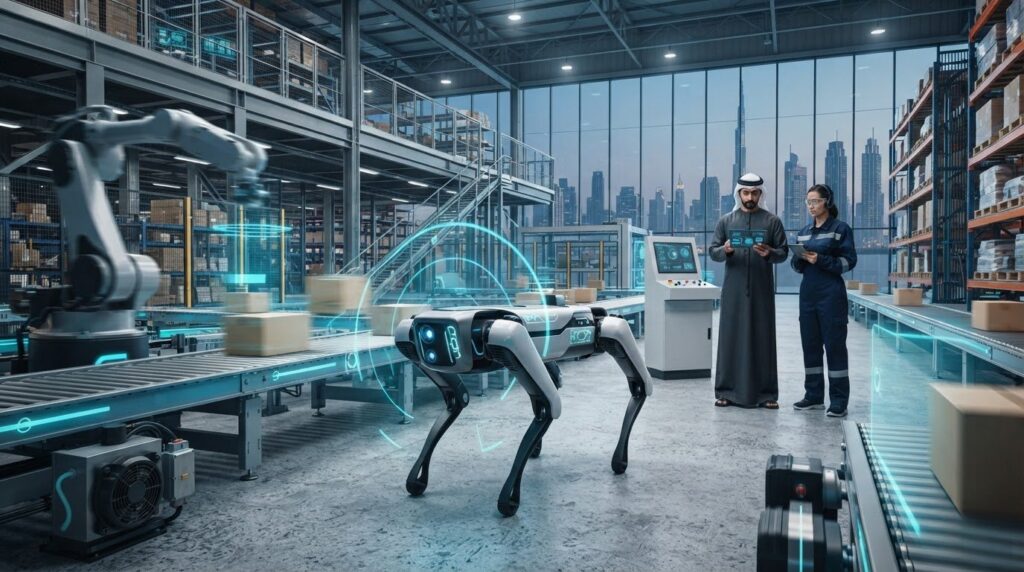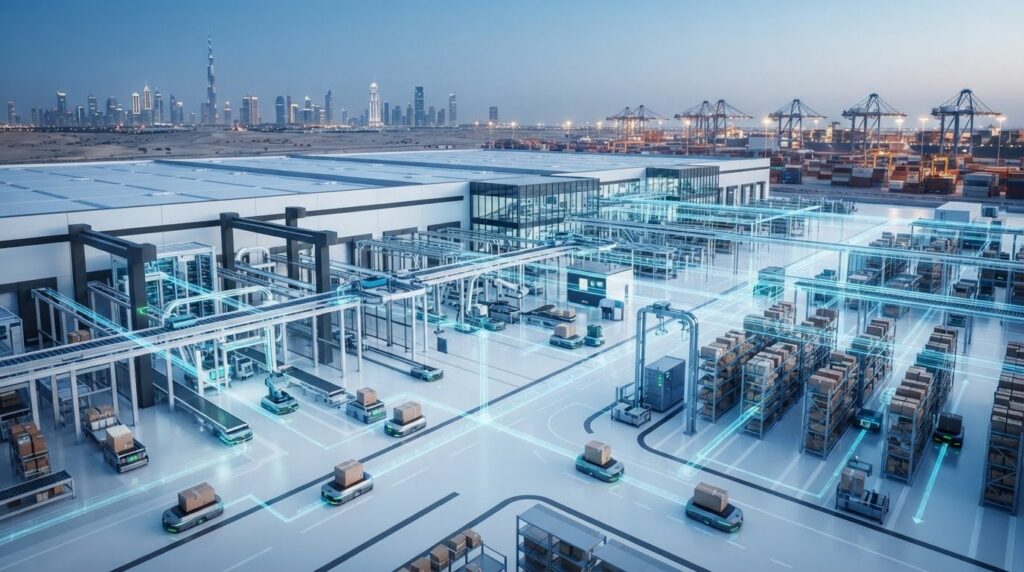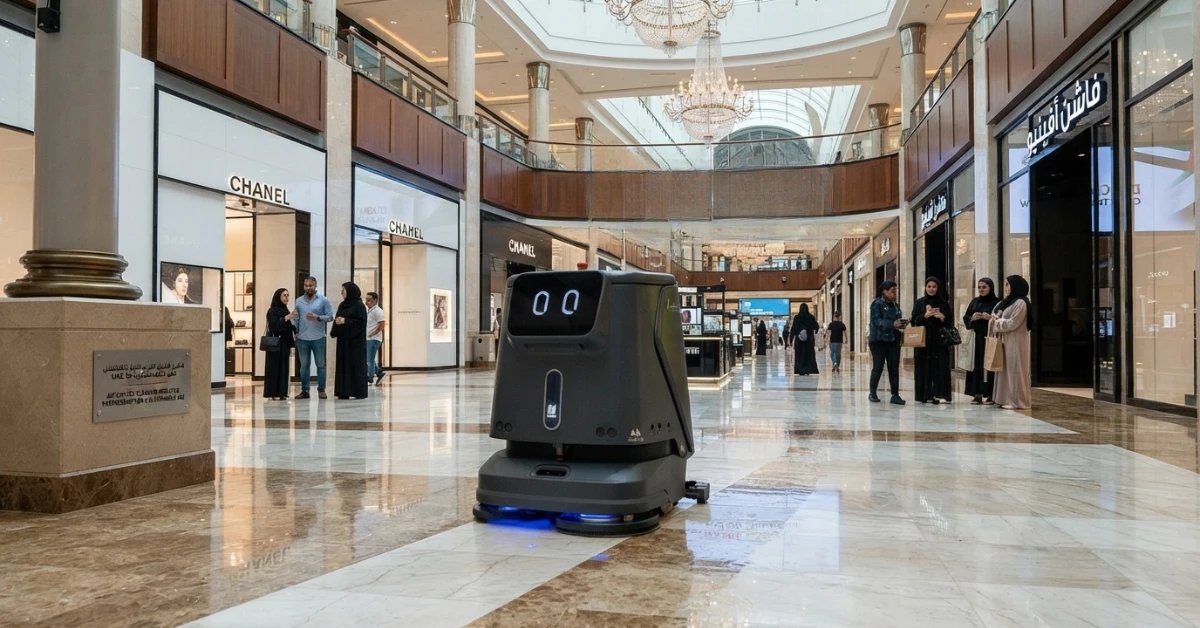
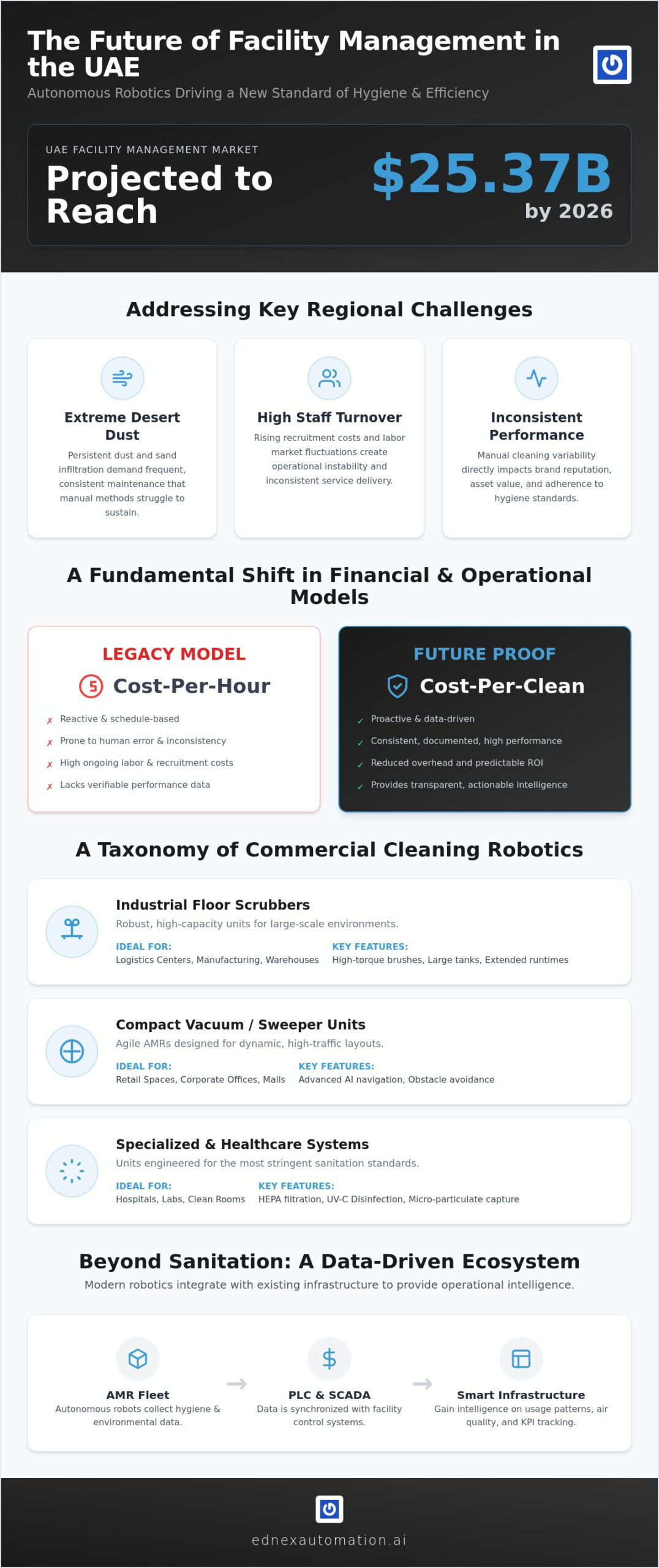
Recognizing that the UAE facility management market is projected to reach USD 25.37 billion by the end of 2026, forward-thinking enterprises are rapidly pivoting away from legacy manual labor models. Maintaining pristine environments in the face of extreme desert dust and high staff turnover presents a complex operational challenge that traditional methods can’t solve. Integrating commercial cleaning robots UAE into your facility’s infrastructure offers a sophisticated response to these regional pressures, ensuring that hygiene standards remain consistent regardless of external environmental factors.
You likely understand that inconsistent cleaning performance directly impacts your brand’s reputation and long-term asset value. This strategic guide explores how autonomous cleaning robotics drive superior operational efficiency while significantly reducing overhead costs. By examining the latest advancements in AI-driven navigation and PLC integration, we’ll provide the intellectual framework you need to future-proof your smart building infrastructure and secure a documented, high-performance cleaning ecosystem.
Key Takeaways
- Understand why the transition from manual labor to AI-driven AMRs is essential for maintaining hygiene standards in the UAE’s high-dust environments.
- Identify the specific applications for commercial cleaning robots UAE, ranging from specialized industrial scrubbers to robust outdoor sweeping systems.
- Learn how to transition your financial modeling from “cost-per-hour” to “cost-per-clean” to mitigate the rising expenses of labor recruitment and turnover.
- Discover the critical role of PLC and SCADA integration in synchronizing autonomous robotics with your facility’s existing smart infrastructure and security systems.
- Explore the EdNex Automation framework for designing bespoke robotic solutions that align with your organization’s specific industrial KPIs and long-term viability.
The Evolution of Facility Management: Why Autonomous Cleaning is Essential in the UAE
Transitioning from manual labor to autonomous systems isn’t merely a trend; it’s a fundamental restructuring of how hygiene is managed in high-stakes environments. Commercial cleaning robots UAE represent a sophisticated class of Autonomous Mobile Robots (AMRs) that leverage artificial intelligence to navigate complex layouts without human intervention. Unlike traditional equipment that requires constant operator guidance, these systems utilize advanced sensor suites to adapt to real-time environmental changes. This technological leap addresses the specific challenges of the region, where persistent dust and sand infiltration demand a frequency of maintenance that manual teams often struggle to sustain consistently.
The UAE Context: National Transformation and Industry 4.0
Aligning with the UAE’s ambitious vision for a knowledge-based economy, the adoption of autonomous cleaning robots serves as a critical component of the national Industry 4.0 strategy. These systems directly support “smart city” initiatives by integrating high-tech automation into the fabric of public and private infrastructure. By shifting the focus from low-skill manual labor to high-value technical management, enterprises contribute to a more sustainable and digitally advanced economic landscape. This transition doesn’t just improve hygiene; it future-proofs the facility against labor market fluctuations and ensures that operational standards meet the global benchmarks and official certifications expected in Dubai and Abu Dhabi.
Beyond Sanitation: Data-Driven Operational Intelligence
Modern robotics offer capabilities that extend far beyond basic floor care. Functioning as mobile sensor platforms, these units collect vital data on facility usage patterns and air quality. While the history of Domestic and service robots began with simple automated vacuums, today’s commercial-grade systems provide real-time reporting and heat-mapping. Deploying commercial cleaning robots UAE enables managers to access granular analytics, transforming a cost center into a source of operational intelligence. Automated performance logs provide a level of transparency previously unattainable, giving stakeholders verifiable proof of hygiene compliance through documented, consistent results. It’s a shift from reactive cleaning to a proactive, data-driven hygiene ecosystem that enhances the safety of every square meter.
A Taxonomy of Commercial Robotics: Scrubbers, Vacuums, and Outdoor Systems
Selecting the correct robotic architecture requires a comprehensive analysis of both the machinery’s technical specifications and the environmental stressors of the facility. Commercial cleaning robots UAE are categorized by their functional application, with each system engineered to address specific industrial or commercial requirements. While a retail environment may prioritize compact dimensions and advanced obstacle avoidance, a logistics hub demands high-capacity machines with extended runtimes and significant tank volumes to manage expansive floor plates. Aligning these technical capabilities with your facility’s KPIs is essential for achieving a documented and consistent cleaning performance. Identifying the right mix of commercial cleaning robots UAE ensures that every square meter is maintained according to official hygiene standards.
Indoor Hygiene: Robotic Scrubbers and Vacuums
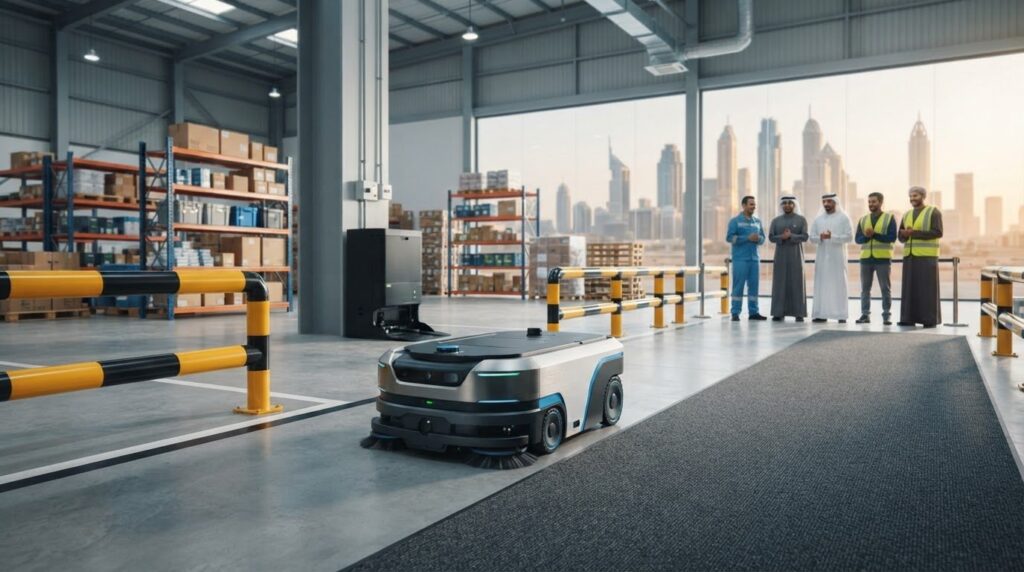
Industrial floor scrubbers function as the primary hygiene solution for large-scale logistics centers and manufacturing facilities. These robust units are designed for heavy-duty scrubbing; they feature high-torque brush systems and large-capacity water tanks that allow for hours of uninterrupted operation without manual intervention. Conversely, compact vacuum units are optimized for the dynamic layouts of retail spaces and corporate offices. These AMRs utilize sophisticated mapping technology to navigate through high-traffic areas while maintaining a precise cleaning path. For healthcare-grade environments, the integration of advanced HEPA filtration is critical. These systems effectively capture microscopic particulates and allergens, ensuring that the facility meets the most stringent sanitation standards. Organizations aiming for this level of precision often partner with specialized integrators to match robotic hardware with their existing operational workflows.
Outdoor Cleaning Automation for Modern Urban Areas
Managing the UAE’s modern urban infrastructure necessitates a move toward specialized outdoor cleaning automation. Autonomous sweepers are increasingly deployed across public plazas, pathways, and industrial yards to mitigate the constant accumulation of desert sand and debris. These machines feature heat-resistant sensor arrays and specialized filtration systems designed to operate reliably in the region’s extreme temperatures. By integrating these outdoor units with municipal smart-city grids, facilities can achieve a synchronized, national-scale maintenance program. This level of automation maintains the aesthetic and functional integrity of urban spaces without the logistical challenges of manual labor. These systems are built with ruggedized components, ensuring they withstand the abrasive nature of sand and the intense UV exposure characteristic of the regional climate.
Strategic ROI: Analyzing the Economic Impact of Robotic Hygiene Systems
Transitioning to an automated hygiene strategy requires a fundamental shift in how enterprises quantify value. Moving away from traditional “cost-per-hour” labor metrics, sophisticated organizations now prioritize “cost-per-clean” financial models that emphasize predictable performance and documented outcomes. Deploying commercial cleaning robots UAE allows facility managers to eliminate the hidden expenses associated with labor recruitment, training, and the high turnover rates common in the cleaning sector. By implementing consistent, non-abrasive robotic maintenance, businesses also extend the physical lifespan of expensive flooring and infrastructure assets, securing a long-term return on their technological investment. This precision ensures that every liter of water and gram of detergent is utilized to its maximum potential, aligning operational costs with actual hygiene delivery.
Labor Transformation and Productivity Gains
Repurposing human staff for high-value facility management tasks represents the most significant productivity gain in the automation era. While machines handle the repetitive, labor-intensive cycles of floor care, human teams can focus on specialized sanitation and complex maintenance that requires manual dexterity. Eliminating downtime through 24/7 autonomous operation ensures that large-scale UAE commercial hubs, such as international airports and premium retail destinations, maintain peak hygiene standards without interrupting visitor flow. These efficiency gains are measurable; automated systems deliver a level of consistency that manual teams simply can’t replicate over long, exhausting shifts. It’s about optimizing the human element while the robotics handle the volume.
Total Cost of Ownership (TCO) in 2026
Evaluating the economic impact of automation requires a thorough understanding of the Total Cost of Ownership, which encompasses hardware maintenance, software updates, and ongoing technical support. Enterprises must weigh the benefits of upfront capital expenditure (CAPEX) against flexible operational expenditure (OPEX) models to determine the best fit for their balance sheets. Precision cleaning also drives sustainability ROI by optimizing energy and water consumption, reducing waste through exact chemical dosing and targeted application. ROI for autonomous mobile robots in a commercial setting is the measurable delta between traditional labor-intensive maintenance costs and the optimized, predictable expenditure of a precision-automated hygiene program. Implementing commercial cleaning robots UAE ensures that your facility remains competitive by stabilizing operational costs in an increasingly volatile labor market. These systems are no longer just tools; they’re financial assets that protect your bottom line through intelligent resource management.
Integration and Scalability: Connecting Robotics to Smart Infrastructure
Achieving true operational excellence requires moving beyond standalone equipment to a fully networked environment where every machine functions as an intelligent node. While many vendors offer basic machinery, the strategic implementation of commercial cleaning robots UAE depends on their ability to communicate with the building’s central nervous system. This orchestration allows autonomous units to interact seamlessly with automated doors, elevators, and security protocols, ensuring that hygiene cycles proceed without manual intervention or logistical bottlenecks. By treating robotics as integrated components of a smart infrastructure, enterprises can scale their operations across multiple national sites while maintaining centralized oversight and absolute performance consistency.
The Role of Industrial Control Systems
Leveraging PLC and SCADA integration services is the definitive method for unlocking facility-wide control and visibility. These industrial platforms provide a unified dashboard of robotic fleet health, delivering real-time diagnostic data that allows technical teams to perform proactive maintenance before a hardware failure occurs. In complex logistics hubs, integrating cleaning schedules with automated storage and retrieval systems ensures that floor maintenance never conflicts with high-velocity picking and packing cycles. To explore how these complex synergies can be tailored to your specific facility requirements, you should consult with our specialized automation integrators.
Navigational Safety in Public Spaces
Deploying commercial cleaning robots UAE into high-traffic public areas necessitates a rigorous focus on navigational safety and sophisticated obstacle avoidance. Utilizing LiDAR and 3D vision systems, these AMRs perceive their environment with millimetric precision, ensuring they navigate around pedestrians and dynamic obstacles with absolute reliability. Compliance with national safety standards for autonomous machinery is non-negotiable; it builds the public trust required for widespread adoption in retail and healthcare sectors. Transparent operation and clear communication of robotic intent through visual indicators further enhance the safety profile of these connected systems. As these units become more prevalent, maintaining a secure data environment through robust cybersecurity protocols is essential to protect the integrity of your facility’s smart infrastructure.
Pioneering the Future: The EdNex Automation Integration Framework
Positioning your facility at the forefront of the Industry 4.0 revolution requires a partner who provides the intellectual framework for automation rather than just the hardware. EdNex Automation operates as a high-level consultant, bridging the gap between global technological breakthroughs and the specific industrial needs of the Middle East. Our approach to deploying commercial cleaning robots UAE focuses on bespoke solution design, where every robotic asset is selected and calibrated to meet your organization’s unique KPIs. This systematic integration ensures that your investment delivers measurable improvements in operational efficiency and hygiene standards from the first deployment cycle. We don’t simply provide tools; we engineer the systems that bring order, safety, and efficiency to complex environments through controlled innovation.
The EdNex Advantage: From Hardware to Ecosystem
Delivering end-to-end technical integration means managing the entire lifecycle of your robotic fleet to ensure long-term viability. Through strategic alliances with global technology leaders, we facilitate the regional deployment of advanced systems that carry official certifications and meet rigorous international standards. Our expertise extends beyond floor care; we prepare your infrastructure for the next evolution of automation, including the integration of humanoid robots for sale UAE into multi-functional service roles. This comprehensive ecosystem approach guarantees maximum uptime through a dedicated national support network, ensuring that your facility remains a leader in the competitive UAE market. Every clause of our partnership serves a specific informative and functional purpose, reflecting an engineering-minded approach to service delivery.
Next Steps for Facility Leaders
Initiating your transition to autonomous hygiene begins with a detailed facility audit to identify the most impactful automation opportunities. Our team works with you to develop a phased implementation roadmap, aligning robotic deployment with your broader digital transformation goals. This structured path minimizes operational risk while accelerating your return on investment. Furthermore, utilizing Syntric Hub Advisory Services can provide the strategic mobilization blueprint needed to ensure operational excellence from day one. To secure your organization’s long-term business viability, you should reach out to our experts for a comprehensive technical consultation. By integrating commercial cleaning robots UAE today, you’re establishing the foundation for a smarter, safer, and more efficient future. Our role is to act as the bridge-builder, connecting your regional industrial needs with the world’s most advanced robotic solutions.
Advancing the Frontier of Autonomous Facility Management
Integrating commercial cleaning robots UAE into the smart building ecosystem represents a critical evolution for any organization prioritizing long-term operational viability. By transitioning from legacy manual maintenance to high-performance autonomous systems, facility leaders achieve a level of documented hygiene and resource efficiency previously unattainable. This transformation relies on more than just hardware; it requires a sophisticated integration of AMR technology with existing industrial control systems to ensure seamless, facility-wide coordination. It’s a strategic shift that replaces unpredictable labor variables with consistent, data-driven performance metrics.
As an official Industry 4.0 integrator with deep expertise in PLC, SCADA, and AMR systems, EdNex Automation provides the technical framework necessary for large-scale industrial transformation. Our national support network ensures that your robotic assets maintain peak performance across every regional site, protecting your bottom line through controlled and deliberate innovation. To secure your position at the cutting edge of facility management, you should consult with EdNex Automation for your national facility transformation. Embracing this technological shift today guarantees that your infrastructure remains competitive, resilient, and fully prepared for the next generation of automated services.
Frequently Asked Questions
What are the main benefits of commercial cleaning robots for large facilities in the UAE?
Commercial cleaning robots UAE provide superior hygiene consistency by eliminating the performance variations inherent in manual labor. These systems mitigate high staff turnover risks while ensuring that facility standards remain documented and verifiable. By automating repetitive floor care cycles, enterprises can repurpose human teams for complex sanitation tasks, resulting in optimized operational efficiency and significantly reduced long-term overhead.
Can cleaning robots be integrated with existing smart building management systems?
Yes, autonomous units can be fully integrated with existing smart building management systems through sophisticated PLC and SCADA protocols. This connectivity allows robots to interact with automated elevators, security gates, and fire suppression systems, ensuring synchronized operation across the entire facility infrastructure. Such integration transforms standalone machinery into intelligent nodes within a unified, data-driven operational ecosystem.
How do autonomous cleaning robots handle high-traffic areas and public safety?
Autonomous cleaning robots utilize a combination of LiDAR, 3D vision, and ultrasonic sensors to navigate high-traffic areas with absolute safety. These systems detect both static and dynamic obstacles in real-time, executing immediate avoidance maneuvers to protect pedestrians and equipment. Compliance with national safety standards ensures that robotic operations enhance public trust while maintaining rigorous hygiene schedules in busy retail or transport hubs.
What is the typical ROI for an industrial cleaning robot in a warehouse setting?
Calculating ROI for an industrial cleaning robot involves analyzing the transition from variable labor costs to predictable “cost-per-clean” financial models. In warehouse environments, these systems extend the physical lifespan of flooring assets through non-abrasive, consistent maintenance. Precision resource management also reduces water and chemical consumption, contributing to a sustainable ROI that stabilizes operational expenditure in an increasingly volatile labor market.
Are there specialized robots for outdoor cleaning in the UAE climate?
Specialized outdoor cleaning robots are engineered to withstand the extreme environmental factors of the UAE, including intense heat and persistent sand accumulation. These ruggedized units feature heat-resistant sensor arrays and advanced sand-filtration systems to maintain operational integrity in desert conditions. Deploying these sweepers across plazas and industrial yards ensures that urban infrastructure remains pristine without the logistical challenges of manual outdoor labor.
What maintenance is required for a commercial robotic floor scrubber?
Maintaining a commercial robotic floor scrubber requires a structured schedule of tank sanitation, brush inspection, and sensor calibration. While the machinery handles the labor-intensive cleaning cycles, technical teams must perform routine software updates and diagnostic checks to ensure peak performance. Proactive maintenance protocols, often supported by real-time SCADA alerts, minimize downtime and protect the long-term viability of the robotic asset.
How does EdNex Automation support the deployment of cleaning robots nationally?
EdNex Automation provides comprehensive national support through a dedicated technical network that covers every stage of the robotic lifecycle. Our services include initial facility audits, bespoke system integration, and ongoing technical maintenance to ensure maximum uptime across the UAE. As an official Industry 4.0 integrator, we bridge the gap between global innovation and regional industrial needs through expert PLC, SCADA, and AMR expertise.
Is it possible to manage a fleet of robots across multiple sites from one platform?
It’s entirely possible to manage a diverse fleet of commercial cleaning robots UAE across multiple national sites from a single centralized platform. These cloud-based management systems provide real-time visibility into fleet health, cleaning performance, and resource utilization across various geographic locations. Centralized oversight allows facility leaders to standardize hygiene protocols and optimize fleet deployment through a unified, data-driven command structure.