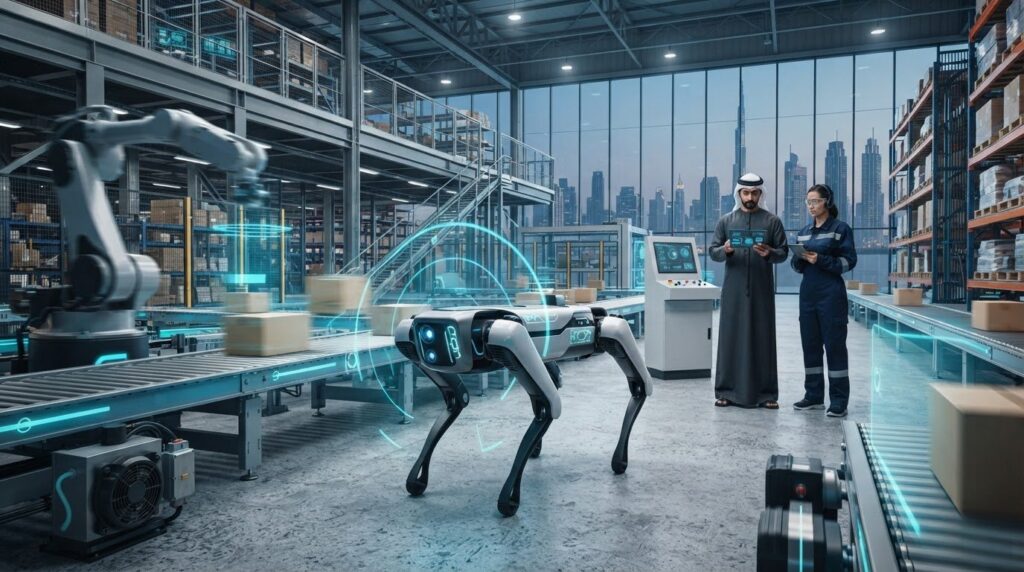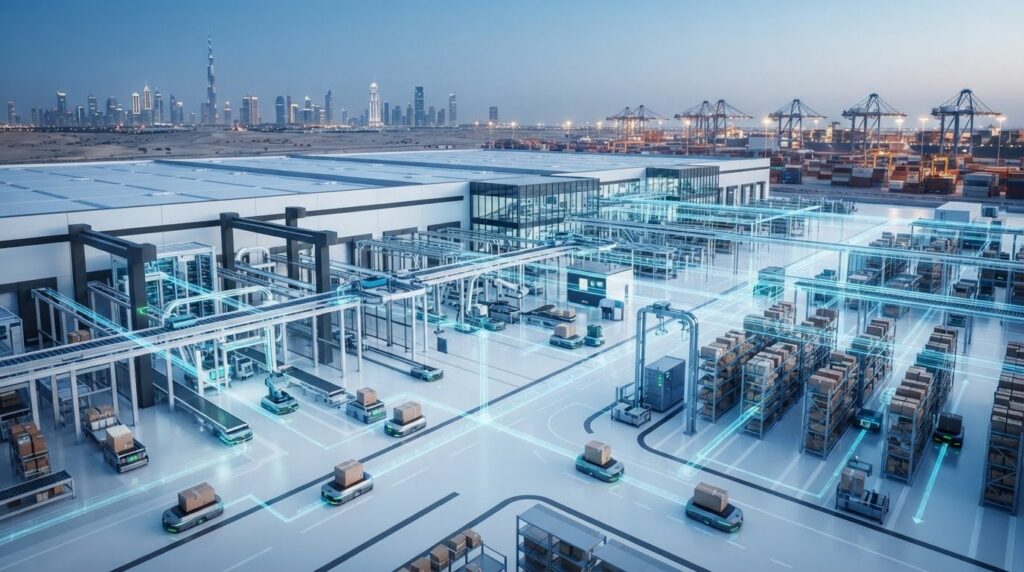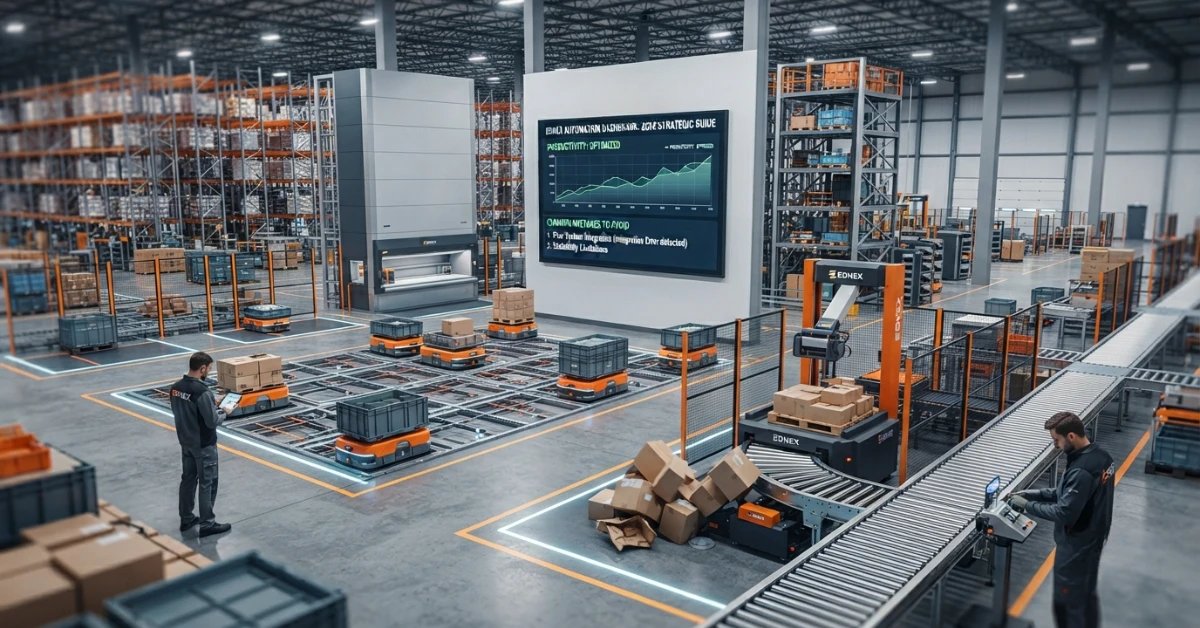
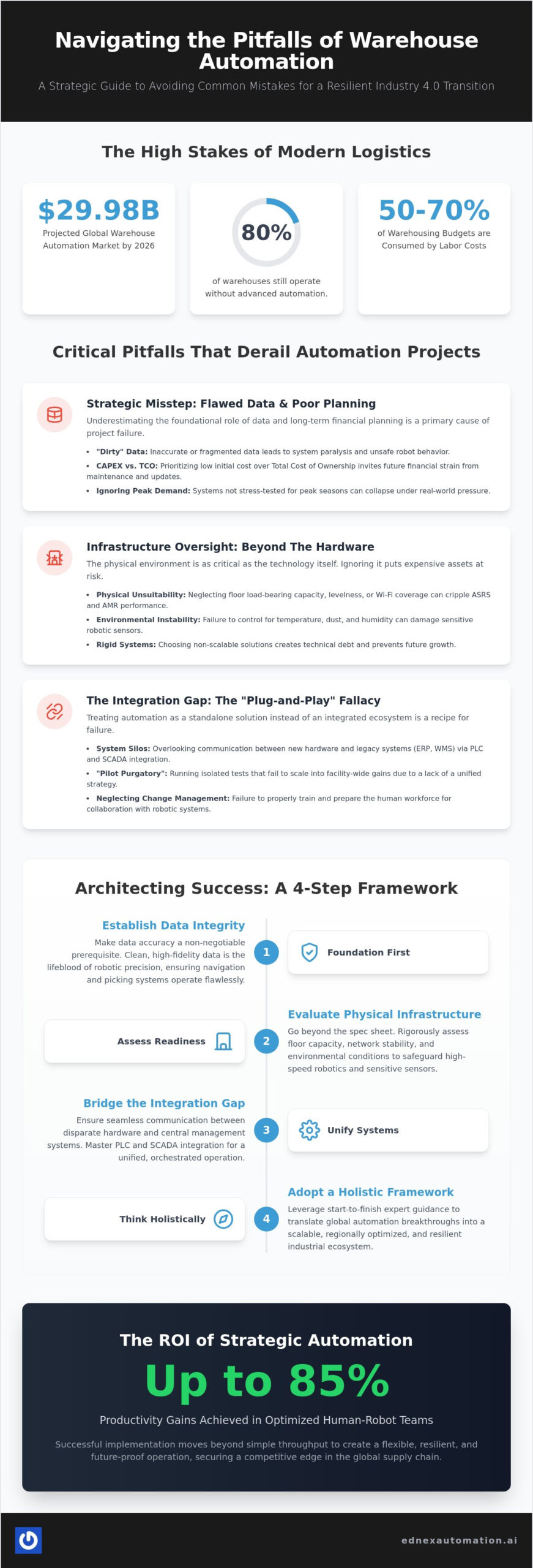
While the global warehouse automation market is valued at approximately $29.98 billion in 2026, nearly 80% of facilities continue to operate without advanced robotics. You’ve likely felt the mounting pressure to modernize as labor costs now account for up to 70% of total warehousing budgets. The fear of integration failures with legacy ERP systems or the risk of operational downtime during a transition is a valid concern for any forward-thinking leader. Identifying the common warehouse automation mistakes to avoid is the first step toward securing a resilient, scalable robotic ecosystem that thrives under modern demand.
This strategic guide examines the critical technical and operational pitfalls that frequently derail industrial automation investments. We’ll provide the intellectual framework necessary to achieve a seamless transition to Industry 4.0, ensuring your facility maintains maximum uptime and safety. By focusing on infrastructure readiness and control system orchestration, you can bypass the risks of obsolescence and deliver the high-level solutions your organization requires to remain competitive in a rapidly evolving global market.
Key Takeaways
- Establishing data integrity as a foundational requirement for robotic precision, ensuring that navigation and picking systems operate without technical friction.
- Evaluating critical physical infrastructure parameters, such as floor load-bearing capacity and environmental stability, to safeguard high-speed ASRS and sensitive sensor arrays.
- Bridging the communication gap between disparate hardware and central management systems via PLC and SCADA integration, a vital step to mitigate common warehouse automation mistakes to avoid.
- Adopting a holistic, start-to-finish expert framework that translates global automation breakthroughs into scalable, regionally optimized industrial ecosystems.
The High Stakes of Warehouse Automation in 2026
Analyzing the current industrial landscape reveals that technological adoption has transitioned from a competitive advantage to a fundamental requirement for survival. By 2026, the global logistics sector faces a reality where labor costs represent 50% to 70% of total warehousing budgets, creating an environment where manual processes are no longer economically viable. Organizations that hesitate to modernize risk falling into “pilot purgatory,” a state where isolated robotic tests fail to scale into facility-wide gains due to a lack of strategic foresight. Modern automation is no longer defined by simple mechanization; it’s the intelligent orchestration of autonomous systems that can adapt to real-time demand fluctuations.
The Cost of Inaction vs. Improper Implementation
Choosing rigid, non-scalable systems often results in a technical debt that paralyzes future growth. While the financial repercussions of inaction are clear, the risks of improper implementation are equally severe, often leading to system obsolescence within 24 months. Organizations must mitigate these risks by identifying common warehouse automation mistakes to avoid, such as failing to account for the $165,514 penalty levels for OSHA safety violations or neglecting the long-term business viability of their chosen tech stack. Deliberate innovation ensures that every robotic asset contributes to a resilient, high-performing ecosystem.
Defining Success in the Industry 4.0 Era
Establishing a reliable technical framework before hardware acquisition is the hallmark of an industry leader. Success in the Industry 4.0 era moves beyond simple throughput metrics to prioritize flexibility and operational resilience. Autonomous systems, including AMRs and ASRS, are now essential tools for solving regional labor shortages and meeting the rigorous demands of modern e-commerce. By adopting a start-to-finish expertise model, businesses can ensure their digital transformation is both safe and scalable, securing their position at the cutting edge of the global supply chain.
Strategic Missteps: Why Data and Planning Failures Sink Projects
Achieving operational excellence requires more than just capital; it demands a rigorous commitment to data integrity and strategic foresight. One of the most common warehouse automation mistakes to avoid involves underestimating the complexity of the digital environment in which robots operate. High-fidelity data is the lifeblood of a smarter warehouse, yet many projects fail because the underlying information is fragmented or inaccurate. When picking systems or navigation layers receive “dirty” data, the result is often system paralysis or unsafe robotic behavior, negating the very efficiency the investment was meant to provide.
Prioritizing upfront capital expenditure (CAPEX) over the total cost of ownership (TCO) is another trap that erodes long-term business viability. While a lower entry price might seem attractive, failing to account for maintenance, software updates, and the energy consumption of large-scale systems can lead to financial strain. Visionary leaders must also account for peak season surges; a system that performs well at 60% capacity might collapse when pushed to 100% during Q4 demand spikes. Conducting rigorous stress tests and simulations before physical deployment ensures that your infrastructure can handle the gravity of real-world logistics challenges.
The Data Integrity Trap
Deploying autonomous mobile robots requires a level of environmental mapping and real-time data synchronization that legacy systems often can’t support. It’s vital that your Warehouse Management System (WMS) communicates seamlessly with the robotic control layer to prevent “island automation.” By simulating robotic workflows in a digital twin environment, you can identify bottlenecks before a single robot touches the floor. If you’re unsure where to begin your data audit, consulting with an automation expert can provide the necessary clarity.
Scalability and Future-Proofing
Avoiding dead-end technology is essential for maintaining a competitive edge as SKU profiles and consumer habits evolve. A modular roadmap allows for the incremental addition of automated storage and retrieval systems, ensuring that your facility can expand its capacity without requiring a complete structural overhaul. Choosing systems that emphasize intelligence and adaptability ensures that your investment remains a high-performing asset for years to come.
Infrastructure and Technology Selection: Beyond the Shiny Hardware
Realizing the full potential of a robotic ecosystem requires a rigorous assessment of the physical environment, as even the most advanced hardware is tethered to the limitations of its facility. One of the most common warehouse automation mistakes to avoid involves neglecting the structural integrity of the floor. High-speed Automated Storage and Retrieval Systems (ASRS) demand extreme floor flatness and specific load-bearing capacities to maintain operational precision. According to the latest MHI Annual Industry Report, infrastructure readiness remains a top challenge for logistics leaders, yet many overlook the necessity of industrial-grade power stability. Ensuring your facility can deliver consistent electricity for 24/7 operations is vital to prevent system resets or hardware damage during peak cycles.
To ensure this stability, you can explore Nippon Lithium-ion Battery Storage Systems, which offer high-efficiency energy management for large-scale industrial facilities.
Selecting the right modality—whether it be AMRs, AGVs, or Fixed Automation—requires a deep understanding of your specific operational throughput and facility constraints. While fixed systems offer high density, they lack the agility of mobile robotics in dynamic environments. Deploying the wrong technology for the wrong task is a frequent pitfall that leads to stranded assets. By establishing a grounded, reliable technical framework, you can align your technology selection with your long-term business viability, ensuring that every piece of machinery serves a specific, optimized purpose within your broader industrial strategy.
UAE Environmental Readiness
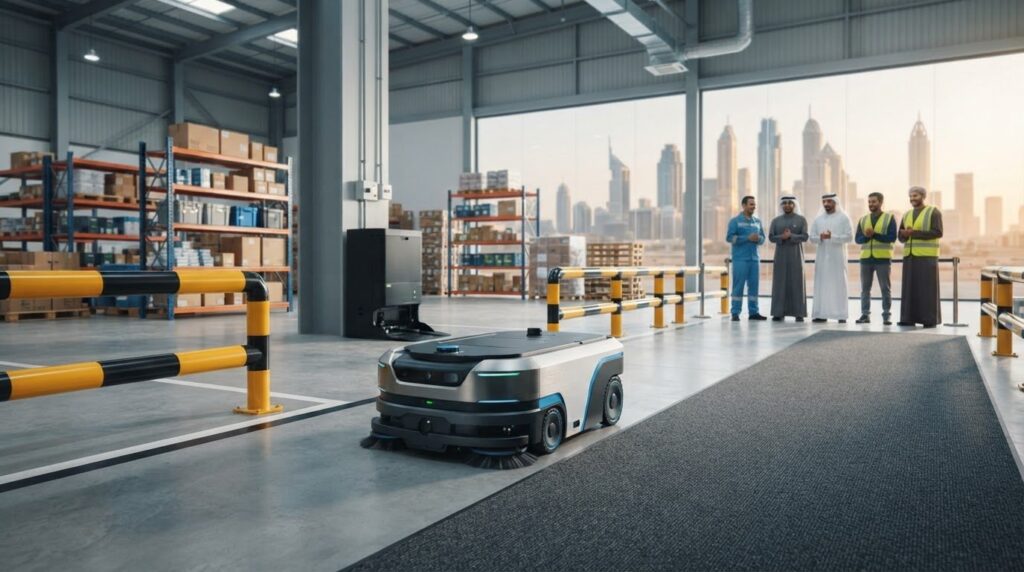
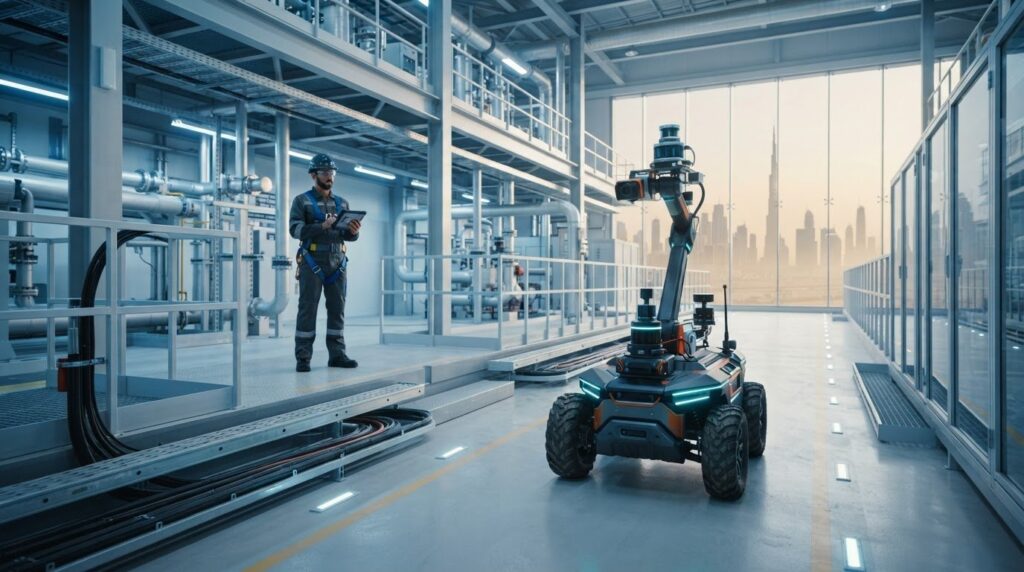
In regional contexts like the UAE, dust ingress significantly impacts the reliability of lidar and optical sensors, often leading to navigation errors or increased maintenance cycles. Mitigating heat-related battery degradation is equally critical for maintaining the uptime of autonomous cleaning and delivery units operating in non-climate-controlled zones. Selecting specialized autonomous cleaning robots designed for harsh industrial environments ensures that sensitive components are shielded from the elements, preserving the intelligence and longevity of your fleet.
Fixed vs. Flexible Automation
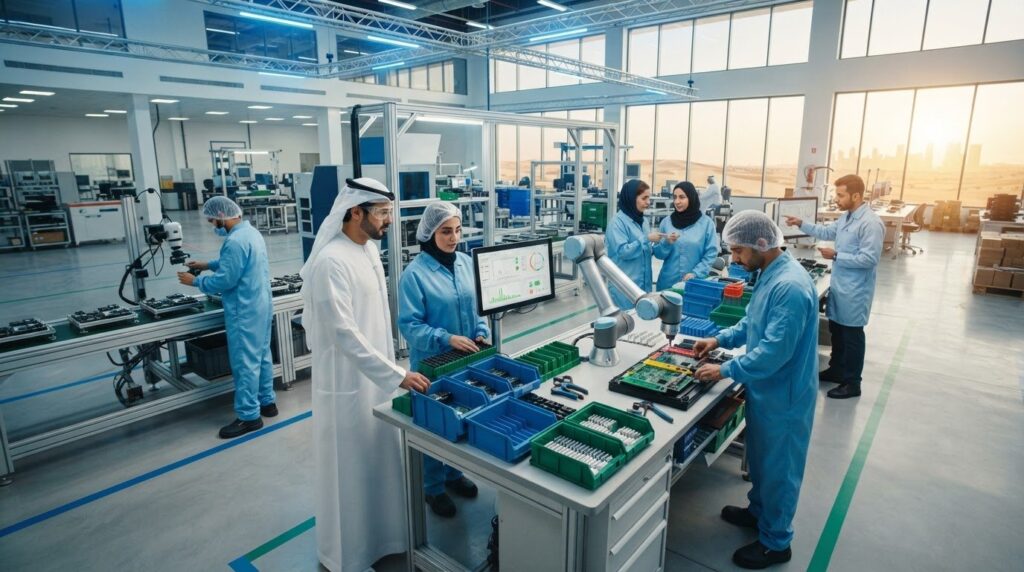
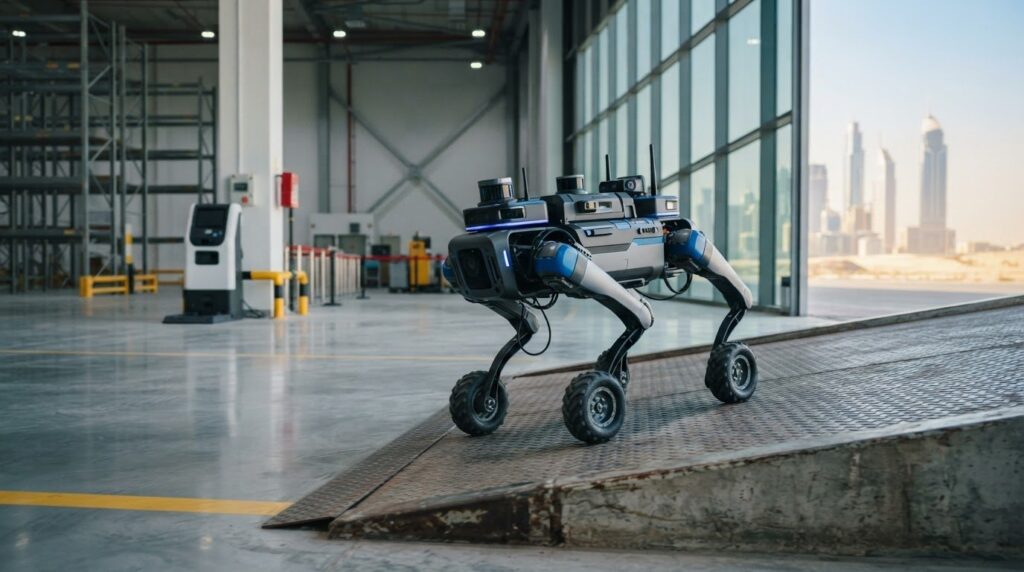
Comparing the high-density throughput of ASRS with the inherent agility of mobile robotics reveals the need for a hybrid approach in modern facilities. You should deploy collaborative robots for intricate assembly and sorting tasks where human-robot synergy maximizes output. Evaluating the ROI of humanoid robots in service and surveillance roles also provides a forward-looking perspective on labor optimization. This deliberate innovation allows you to build a scalable ecosystem that adapts to changing SKU profiles without sacrificing efficiency or safety.
The Integration Gap: Overlooking Control Systems and Change Management
Leading with a visionary perspective on industrial orchestration, many organizations mistakenly prioritize individual robot performance while neglecting the overarching command structure. This oversight creates “island automation,” where high-tech hardware remains functionally isolated from the broader plant ecosystem. Without a unified communication layer, these disparate assets cannot respond to real-time shifts in production or inventory, leading to bottlenecks that negate the initial investment. Bridging this integration gap is essential for maintaining a competitive edge in 2026, as the complexity of connected environments demands a systematic approach to control and visibility.
Cybersecurity in the Industrial Internet of Things (IIoT) represents another critical layer that visionary leaders cannot afford to ignore. As facilities become increasingly connected, every sensor and controller becomes a potential entry point for digital threats. Protecting these assets is not merely a technical requirement; it’s a fundamental component of long-term business viability. Securing your infrastructure ensures that your digital transformation remains resilient against external disruptions, preserving the integrity of your operational data and the safety of your workforce.
The Criticality of PLC and SCADA
Providing the intellectual framework for a high-functioning facility, PLC and SCADA integration services act as the central nervous system of modern automation. These systems ensure real-time visibility and control across all automated assets, allowing for bespoke integration that eliminates vendor lock-in. By standardizing communication protocols, you can facilitate rapid troubleshooting and minimize downtime, which is vital for achieving maximum operational uptime. If your facility lacks this level of orchestration, you’re likely committing one of the most common warehouse automation mistakes to avoid. To secure your command structure, consult with our integration experts today.
Human-Robot Collaboration
Transitioning to an automated environment requires more than technical installation; it necessitates a comprehensive upskilling of your existing staff. Designing workflows where humanoid robots and human workers safely coexist is the hallmark of a mature Industry 4.0 strategy. Failing to plan for this human element is a frequent pitfall among the common warehouse automation mistakes to avoid, often resulting in employee resistance and suboptimal throughput. Implementing safety-first protocols and transparent training programs ensures that your team acts as a reliable partner to your new robotic ecosystem.
Architecting Success: The EdNex Framework for Resilient Automation
Adopting a start-to-finish expertise model ensures that industrial digital transformation remains a systematic, controlled process rather than a fragmented hardware acquisition. EdNex acts as the intellectual framework for your facility, translating global technological breakthroughs into regionally optimized solutions that address the specific environmental and economic needs of the UAE. By leveraging official certifications and alliances with global entities, we provide a marker of legitimacy that guarantees system reliability and long-term business viability. This methodical approach allows organizations to bypass the common warehouse automation mistakes to avoid, such as failing to integrate disparate systems or neglecting infrastructure readiness.
Moving from a simple equipment purchase to a strategic partnership is the necessary evolution for any organization wishing to remain competitive in 2026. This relationship ensures that your automation strategy isn’t just a current acquisition but a sustainable roadmap for growth. By identifying a technical solution and immediately linking it to a functional business outcome, EdNex provides the intellectual framework necessary for successful implementation. We act as a bridge-builder, connecting advanced industrial technology with the practicalities of regional expertise to deliver maximum operational uptime and safety.
The EdNex Integration Process
Delivering high-level solutions requires a logical, hierarchical approach to system deployment. Our framework is structured into three critical phases designed to mitigate risk and maximize efficiency:
- Phase 1: Conducting a deep technical audit and infrastructure readiness assessment to identify potential bottlenecks before they impact your capital expenditure.
- Phase 2: Implementing the bespoke integration of PLC, SCADA, and robotic hardware to ensure a unified command structure across your entire facility.
- Phase 3: Providing continuous optimization and long-term business viability support to maintain the intelligence and efficiency of your robotic ecosystem.
Securing Your Industrial Future
Providing comprehensive support is vital for maintaining high-tech automation systems that must perform under the gravity of modern demand. Utilizing advanced analytics for predictive maintenance allows for operational improvement by identifying potential failures before they result in downtime. This proactive approach addresses one of the most common warehouse automation mistakes to avoid, as it shifts the focus from reactive repairs to controlled, deliberate innovation. To safeguard your investment and ensure a seamless transition to Industry 4.0, consult with EdNex Automation to architect your risk-free automation strategy.
Orchestrating a Resilient Industrial Future
Transitioning to a fully autonomous facility requires more than just capital; it demands an intellectual framework that prioritizes system orchestration over hardware volume. By securing data integrity and ensuring infrastructure readiness, you establish the foundation for a resilient robotic ecosystem. Identifying the common warehouse automation mistakes to avoid, such as neglecting PLC and SCADA integration or ignoring regional environmental factors, is the definitive step toward long-term business viability.
As a specialized division of the EdNex group founded in 2018, EdNex Automation provides the start-to-finish expertise necessary for large-scale industrial transformation. Our official certifications with global automation leaders and end-to-end integration capabilities ensure that your digital transition is both safe and scalable. You don’t have to navigate this complex landscape alone. Partner with EdNex Automation for visionary industrial solutions and architect a future where your facility operates with maximum precision and uptime. Your journey toward Industry 4.0 excellence begins with a deliberate, expert-led strategy.
Frequently Asked Questions
What is the most common reason warehouse automation projects fail?
Implementation failures typically stem from a lack of infrastructure readiness and poor control system orchestration rather than hardware defects. Projects often stall when isolated robotic layers can’t communicate with legacy WMS or ERP systems, creating fragmented “islands of automation.” This lack of strategic integration represents one of the most common warehouse automation mistakes to avoid, as it prevents the scaling of intelligent ecosystems across the facility.
How do I know if my warehouse floor is ready for robotics?
High-speed ASRS and mobile robotics require extreme floor flatness and specific load-bearing capacities to ensure operational precision. You should conduct a rigorous technical audit to measure the F-number, which indicates floor flatness and levelness, before deploying heavy automated storage units. Floors that don’t meet these industrial-grade specifications can lead to robotic navigation errors and accelerated mechanical wear on sensitive components.
Can I integrate new robots with my existing PLC and SCADA systems?
Bespoke integration allows for the seamless connection of new robotic assets with your existing PLC and SCADA infrastructure. By standardizing communication protocols, you can achieve real-time visibility across all automated warehouse assets while avoiding restrictive vendor lock-in. This centralized command structure is essential for minimizing downtime and facilitating rapid troubleshooting during high-demand cycles, ensuring your digital transformation remains resilient.
What is the difference between AGVs and AMRs for warehouse logistics?
The primary distinction lies in navigation intelligence and operational flexibility. Autonomous Mobile Robots (AMRs) utilize lidar and optical sensors to navigate dynamically around obstacles without the need for fixed infrastructure. In contrast, Automated Guided Vehicles (AGVs) rely on predefined paths, such as magnetic tape or wires, making them less adaptable to the shifting layouts and unpredictable environments typical of modern e-commerce facilities.
How does the UAE climate affect warehouse automation hardware?
High ambient temperatures and dust ingress present significant challenges for sensitive robotic sensors and battery longevity in the region. Lidar and optical components require specialized shielding or regular maintenance to prevent navigation failures caused by fine particulate matter common in desert climates. Selecting hardware specifically designed for harsh industrial environments is a critical step in mitigating these environmental risks and ensuring long-term business viability.
Is it better to own robots or use a Robots-as-a-Service (RaaS) model?
Choosing between ownership and Robots-as-a-Service (RaaS) depends on your organization’s preference for capital expenditure (CAPEX) versus operating expense (OPEX). RaaS models allow for rapid scalability and lower initial investment, which is why 72% of logistics firms are considering this approach. However, direct ownership may offer better long-term ROI for facilities with stable, high-volume throughput requirements that justify the initial capital outlay.
What safety standards should I look for in collaborative robots?
You should prioritize hardware that adheres to ISO 10218 and ISO/TS 15066 standards for collaborative robotic environments. These certifications ensure that cobots can safely coexist with staff by utilizing force-limiting sensors and active speed monitoring. Following these protocols is a vital part of identifying common warehouse automation mistakes to avoid, as it protects your workforce and ensures compliance with global and regional safety regulations.
How long does a typical warehouse automation implementation take?
Implementation schedules vary based on the complexity of the integration and the total scale of the facility. Small-scale projects, such as deploying a single vertical lift module or a small fleet of delivery robots, may take three to six months. Large-scale transformations involving facility-wide ASRS and complex PLC orchestration typically require 12 to 18 months to reach full operational capacity and peak efficiency.